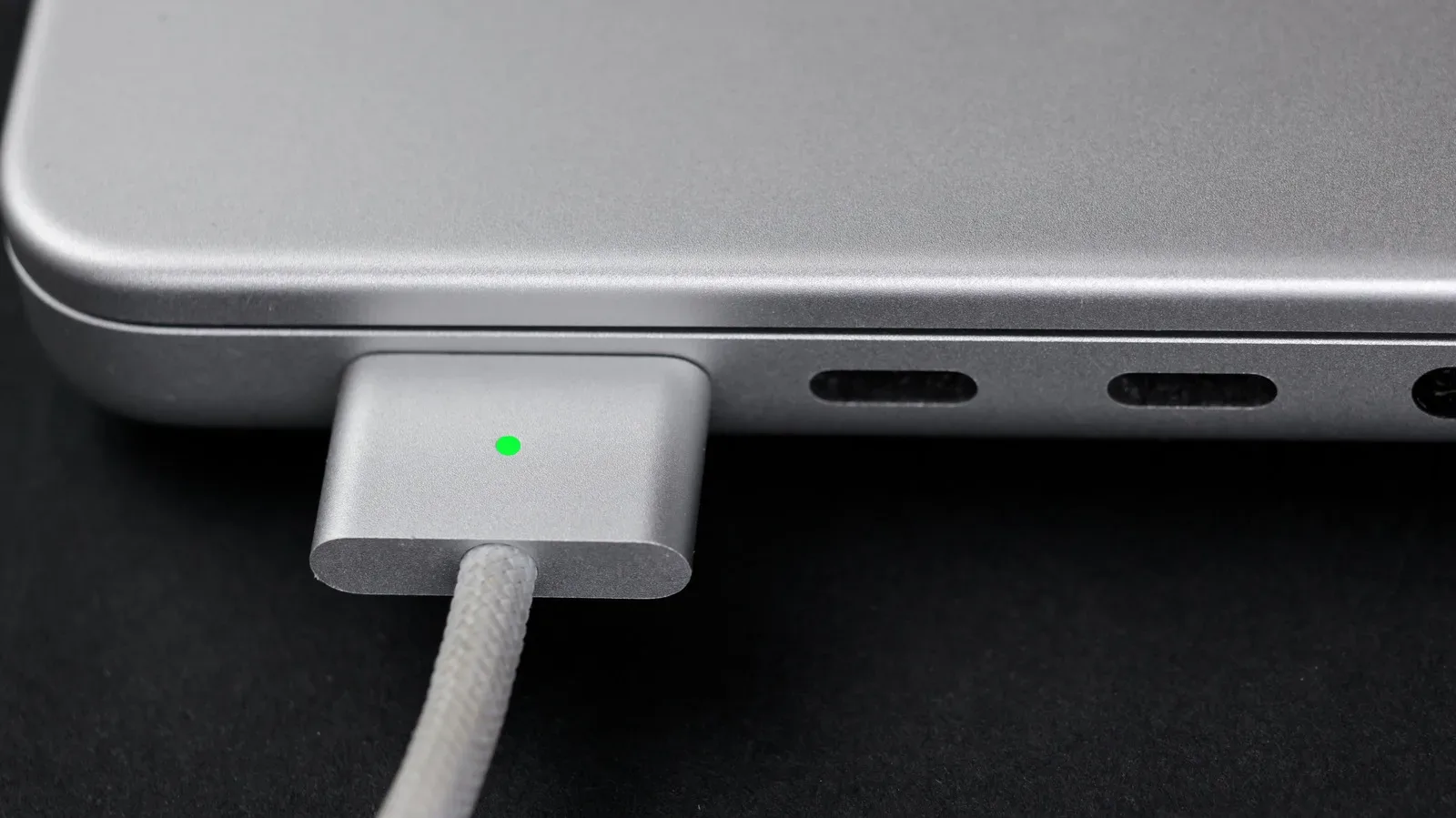
There is an increasingly familiar ritual attached to buying a new phone: open the box, admire the handset, then remember that the wall charger is a separate mission. Apple stopped including a charging brick with iPhones after the iPhone 11 generation, and that reality has only made a compact, flexible adapter more useful for people whose desks, bedside tables and travel bags are already hosting several USB-powered gadgets.
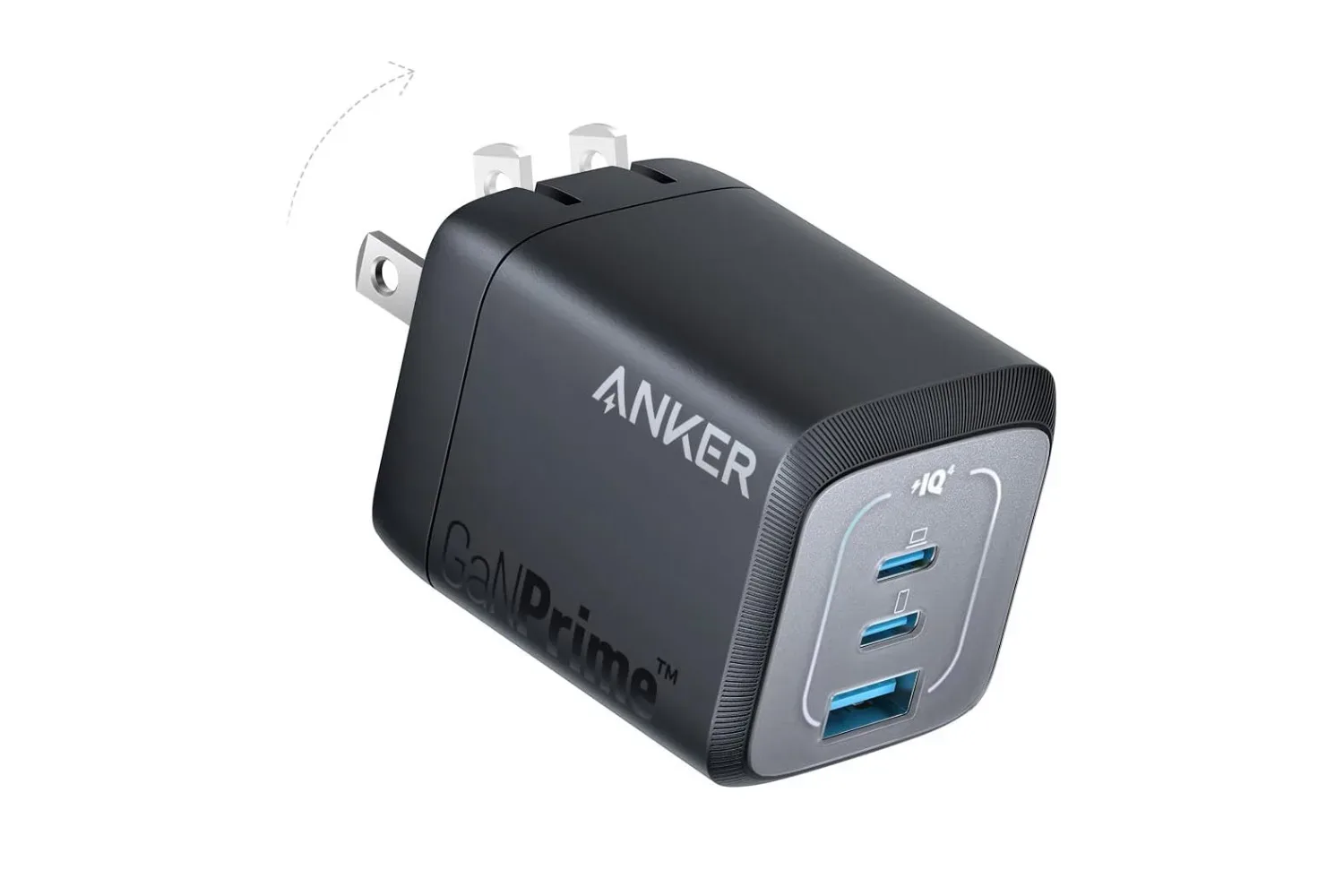
Anker’s Prime 67W GaN wall charger is currently listed at $35, reduced from a $50 list price. The important appeal is not simply the discount, although a $15 cut matters on an accessory purchase. It is the attempt to replace a small collection of single-purpose bricks with one unit carrying two USB-C ports and one USB-A port.
For someone pairing an iPhone 18-series device with a laptop, tablet, wearable or older accessory, that arrangement has obvious practical value. One outlet can serve a more orderly charging station instead of becoming the starting point for a power-strip side quest. The same logic applies to a travel kit, where shaving down the number of adapters can be more helpful than saving a tiny amount of space from any one individual charger.
The charger is especially timely for prospective iPhone buyers, as iPhone 18 Pro delivery estimates have reportedly extended into October. A handset’s arrival may be the headline event, but making sure its charging setup is ready is the less glamorous companion task.
What the 67W rating means
The headline specification is a maximum 67W output. With a single device attached to the upper USB-C port, the Anker Prime can provide the full 67W. That puts it in range for devices such as a MacBook Air, Pixelbook or iPad Pro, in addition to phones that charge through USB-C.
There is an important distinction between a charger’s top rating and the power available once more than one device is plugged in. With two connected devices, this model has a shared 65W ceiling across the ports in use. Charging priorities will therefore depend on the attached gear: a laptop and phone will divide the available output rather than each receiving the unit’s full headline wattage. The three ports are an advantage for convenience, but they do not create 67W of separate output for every cable at once.
That is normal behavior for a compact multi-port charger, and it is worth understanding before turning the device into the nerve center of a gear-heavy setup. A laptop can be topped up while a phone charges, for example, but the total power budget is shared. The upside is that the arrangement should still be far more practical than assigning a separate outlet and adapter to each device.
A smaller alternative to a laptop brick
Anker says the Prime 67W is 51% smaller than Apple’s original 67W MacBook charger. That comparison speaks to why gallium nitride, or GaN, chargers have become popular: the technology allows high-output charging hardware to be made in a smaller form factor than many older power adapters.
A smaller brick will not make a backpack weigh nothing, nor does it eliminate the need to bring the right cables. But it can simplify the electronic portion of a trip. Rather than packing a laptop adapter, a phone adapter and perhaps an additional USB-A charger for an older peripheral, a three-port unit can potentially cover those roles from one wall socket.
For a desk or nightstand, the benefit is less about portability and more about reducing outlet congestion. A phone and Apple Watch can be plugged into USB-C connections simultaneously, while the USB-A port can keep a legacy cable, accessory or another device in the mix. It is the kind of mundane infrastructure upgrade that is easy to ignore until an outlet becomes scarce.
Ports, compatibility and the Apple Watch detail
The stated compatibility list includes MacBook Pro and MacBook Air models, iPhone 16-series devices and later, Samsung’s Galaxy S22 and S23 lines, Google Pixel phones, iPad Pro and Apple Watch. In broad terms, it is designed around the modern USB-C ecosystem while retaining USB-A for equipment that has not made the transition.
The USB-C connections matter particularly for Apple Watch fast charging. A USB-C cable is needed for that faster charging arrangement, and this charger provides the appropriate port. That does not mean every cable will provide identical results, since cable capability and the specific device also matter, but the port selection avoids making a USB-A-only charging block the bottleneck.
Its two USB-C ports also make it easier to build a straightforward overnight setup: one cable for the phone, another for the watch. The USB-A port can then remain available for an older cable without forcing an entirely separate adapter into the outlet. That is a modest convenience, admittedly, but accessories tend to accumulate in exactly the places where outlet space is least abundant.
- Maximum single-device output: 67W through the top USB-C port.
- Multi-device output: Up to 65W shared when two devices are connected.
- Port selection: Two USB-C ports and one USB-A port.
- Size comparison: Anker says it is 51% smaller than the original 67W MacBook charger.
- Supported examples: MacBooks, iPhones, Galaxy phones, Pixel phones, iPad Pro and Apple Watch.
Temperature monitoring and warranty coverage
The Prime 67W includes Anker’s ActiveShield 2.0 system. The feature monitors temperature and adjusts charging output to help protect connected devices. Temperature management is an important part of modern charging hardware, especially in a multi-device adapter that may be doing substantially more than a basic low-wattage phone brick.
It should not be treated as permission to disregard ordinary charging care. Users should still use appropriate, undamaged cables and avoid placing chargers where heat cannot dissipate properly. But built-in temperature monitoring is a relevant feature for a unit intended to handle an assortment of daily devices.
Anker backs the charger with a 24-month warranty. For shoppers comparing similar-looking GaN adapters, the warranty is one piece of the equation alongside ports, power distribution, physical dimensions and the reputation of the manufacturer. A low listed price is useful; a clear support period adds a little more confidence to an accessory expected to travel frequently and work every day.
The missing item: cables
There is one easy detail to miss before checkout: the charger does not include a cable. The package contains the charging block and a welcome guide. Anyone who already has USB-C to USB-C cables suited to their phone, tablet or laptop may be set. Anyone moving from older equipment, however, may need to add one or more cables to the purchase plan.
This is more than box-checking minutiae. Charging performance depends on the device, charger and cable working together. A cable that is fine for basic phone charging may not be the ideal choice for a laptop-oriented high-wattage setup. Buyers should check the requirements of the devices they intend to charge and select cables accordingly, rather than assuming every USB-C cable is interchangeable in capability.
The USB-A port offers a useful transition path for existing cables, but the strongest case for this charger is clearly a USB-C-centered setup. That is where its two USB-C ports, 67W single-device maximum and Apple Watch fast-charging compatibility fit best.
Who this deal makes sense for
At its usual $50 list price, the Prime 67W sits in a more competitive accessory bracket, where buyers may scrutinize every port and watt. At $35, the proposition is simpler. It is a compact 67W GaN adapter with a useful three-port mix, a two-year warranty and safety monitoring, offered for less than its listed price.
It looks most suitable for people who regularly carry a laptop and phone, for households trying to tame an overgrown collection of adapters, or for a nightstand that needs to serve a phone and Apple Watch without sacrificing another wall outlet. It can also make sense for iPad Pro owners who want a more capable charging brick than a basic phone-focused adapter.
The caveat remains straightforward: do not buy it expecting cables in the box, and do not expect each connected device to receive 67W simultaneously. Treat the 67W figure as the maximum for a single device through the top USB-C port, with 65W shared once the charger is dividing power among connected devices. With those limits understood, the $35 listing makes the Anker Prime 67W a notably tidy option for consolidating everyday charging gear.
Shop the products
Check current price, model and availability at the retailer.