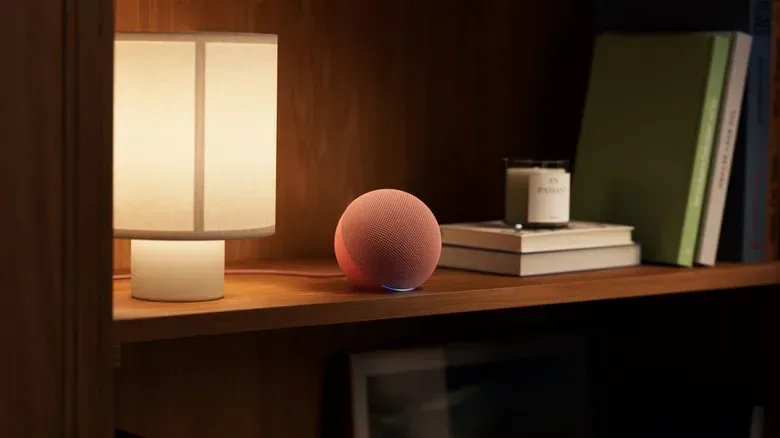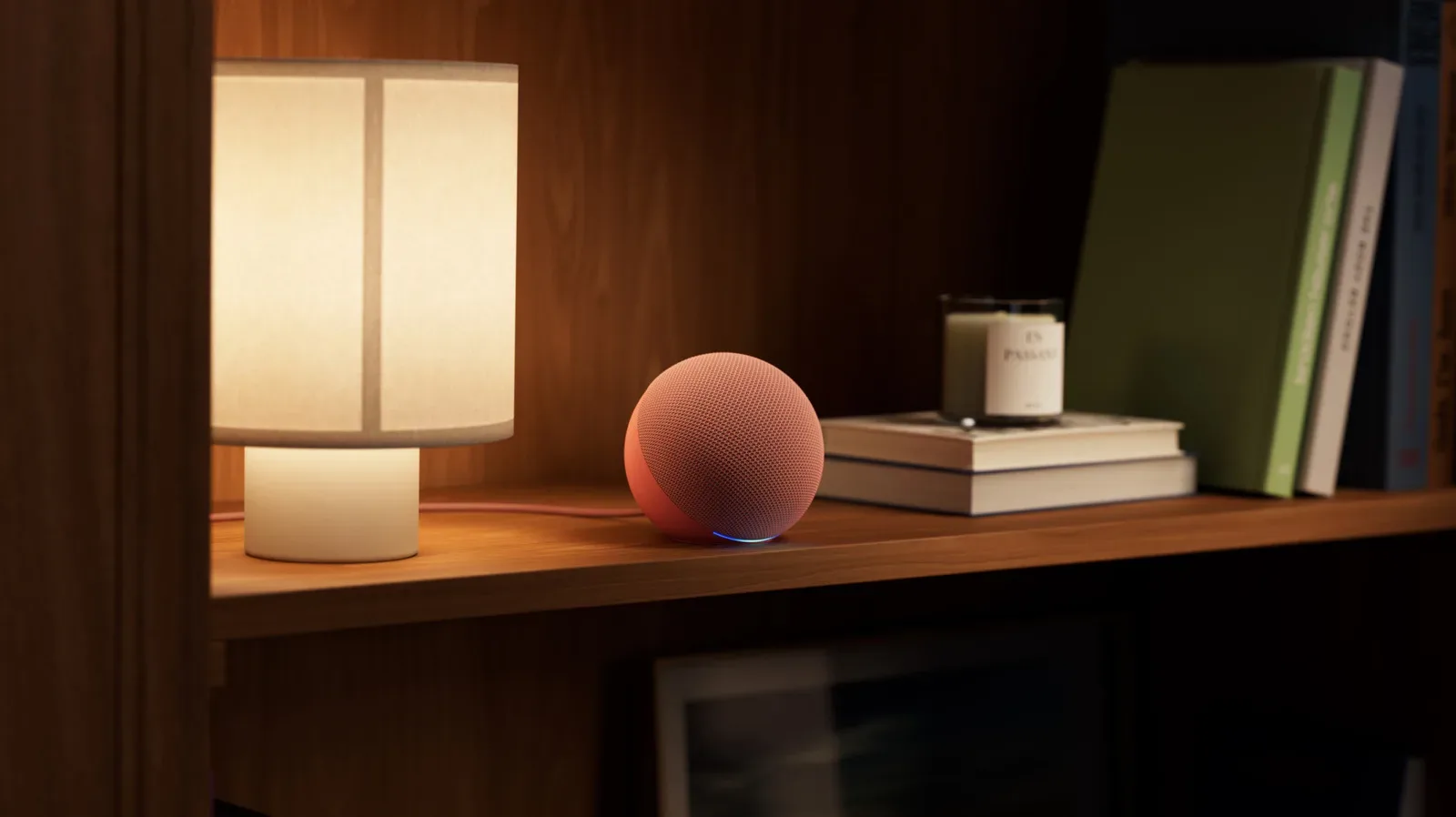
Amazon’s latest Echo Dot is trying to become the small round object that does a disproportionate amount of work in a connected home. The new model remains a compact Alexa speaker, but it also adds three more substantial roles: an eero Wi-Fi extender, a built-in smart-home hub and a device for more locally processed Alexa+ voice interactions.
That combination matters because these are usually separate purchases with separate setup headaches. A household may have a Wi-Fi system for coverage, a hub for accessories such as lights and sensors, and a voice assistant for controlling them. Amazon’s new $100 Echo Dot aims to put pieces of all three jobs in one place. The usefulness of that plan will depend heavily on what is already in the home—most notably, whether the buyer already uses an eero router—but the direction is clear: the speaker is being positioned as infrastructure, not just a bedside music player.
A Dot that can extend an existing eero network
The marquee practical upgrade is eero Wi-Fi extension. The new Echo Dot can operate as an extender for an existing eero network, with Amazon claiming up to 1,000 feet of added coverage. In basic terms, an extender is a device intended to carry a wireless network farther into the parts of a home where the router’s signal becomes weak or unreliable.
That makes the feature potentially valuable in rooms where smart speakers, consoles, handhelds, televisions and smart-home accessories all compete for a stable connection. Dead zones are not merely a nuisance when a song pauses; they can also affect game downloads, streaming, video calls and wireless accessories that rely on the home network to stay responsive.
There is an important boundary in the wording, however. The Echo Dot is described as an eero extender for people who already have eero networking hardware. It should not be read as a replacement for a Wi-Fi router, nor is there supplied confirmation that it can extend every brand of home network. For a household without eero equipment, this feature may not carry much immediate value.
Coverage is also not the same thing as guaranteed performance. The 1,000-foot figure is an Amazon claim about added reach, while real-world wireless behavior can vary with a home’s layout and obstacles. The safer expectation is that the Dot may help fill an area of weak eero coverage; it is not a promise that every device in every far corner will receive the same connection quality as one sitting next to the primary router.
Still, turning a device that already has a reason to sit in a kitchen, bedroom or living room into a network extension point is a sensible piece of consolidation. It gives placement a second purpose. Rather than placing a speaker solely where it is easiest to hear, an eero household can also consider where the network needs a helping hand.
The smart-home hub: fewer bridges, broader protocol support
The new Echo Dot also has a built-in smart-home hub supporting Zigbee, Matter and Thread. Those names can sound like another layer of jargon in a category already full of apps, accounts and setup codes, so it is worth separating what they mean from what they do for a buyer.
- Zigbee is a wireless smart-home protocol used by compatible accessories.
- Matter is a smart-home interoperability standard intended to help compatible devices work across platforms and ecosystems.
- Thread is a low-power networking technology designed for connected-home devices.
The headline implication is compatibility. Amazon says the Dot can control thousands of compatible devices out of the box. A built-in hub can provide a more direct route for supported smart-home products to join the household, potentially reducing the need for a separate dedicated hub for those products.
That does not mean every smart device is automatically interchangeable, nor does it erase the need to check compatibility before buying an accessory. “Works with” claims in the smart-home world depend on the specific protocol supported by both the accessory and the controller. A device may be broadly compatible in one role and still need particular setup steps or capabilities for another. The safe reading is that the new Dot has a significantly wider foundation for supported Zigbee, Matter and Thread devices than a speaker that only handles voice commands through Wi-Fi.
For someone beginning a smart-home setup, the appeal is straightforward: a single compact device can listen for requests, act as a hub for compatible accessories and, in an eero setup, help broaden network coverage. For an established owner, the question is less whether the Dot has more functions and more whether those functions replace hardware they already own.
AZ3 puts more Alexa+ voice work on the device
Amazon says this is the first Echo Dot built around its custom AZ3 chip, which handles AI voice processing on the device. The stated goal is more natural Alexa+ conversations because voice commands do not need to make a round trip to a data center.
On-device processing means some computation happens inside the hardware in the room rather than being sent away for processing elsewhere. In this case, Amazon’s claim is about reducing the step of relaying voice commands to a data center, which could make interaction feel more immediate and conversational. The change is particularly notable because an entry-level-sized smart speaker is receiving a chip designed for that task.
It is useful not to overstate what this confirms. The information provided establishes Amazon’s intended benefit—more natural Alexa+ conversations—not a measured speed comparison, a complete list of commands handled locally or a guarantee that every Alexa request avoids remote services. What it does show is a strategic shift in the Dot’s hardware: voice AI is being treated as a capability that deserves dedicated local processing rather than just another cloud-connected request.
Amazon has also added a fourth microphone. The company says the additional microphone helps the Dot hear a person as they move about a room. It is also intended to improve Voice ID, Amazon’s feature for recognizing who is speaking. The example offered is personal playlists: Voice ID can distinguish one household member from another so the speaker can surface the correct person’s music rather than treating every request as coming from the same account holder.
That is a more meaningful quality-of-life addition than it might initially sound. Shared spaces are where voice assistants most often become genuinely communal devices—and where preferences can become muddled. Better recognition is meant to make the assistant feel less like a household remote that forgot who picked it up last.
Audio and ambient sensing remain part of the package
The new model gets a full-range driver, which Amazon says creates more back volume for clearer vocals and 50 percent more bass than the previous generation. Those are company claims rather than independently established listening results, but they point to an effort to keep the speaker side of the product competitive while the networking and hub features take center stage.
A full-range driver is designed to cover a broad span of audio frequencies with one speaker unit. In the context of a compact device, the practical promise is not a replacement for a larger dedicated stereo system. Instead, it is an attempt to make voices, podcasts, background music and casual playback sound fuller from a small enclosure.
The Dot also retains Omnisense features that can detect signals including room temperature and human presence. Those detections can drive automations such as adjusting the thermostat or turning on lights when someone enters. This is where the hub, protocols and sensing features start to overlap: the speaker can be a control point for compatible accessories and a trigger for actions rather than simply waiting for a spoken command.
For smart-home users, that can make a room feel more automated without adding an obvious new gadget to the shelf. It also makes configuration important. Presence- and temperature-based routines are only as helpful as the household’s preferences, compatible equipment and chosen automation rules. The hardware can provide detection; the resulting behavior still needs to be set up in a way that is useful rather than surprising.
Kids edition and color options
Amazon is also offering an Amazon Kids Echo Dot with the same core features as the standard model. It includes one year of Kids+, which provides age-appropriate Audible audiobooks, ad-free music, kid-friendly podcasts, Stories from Alexa and the Sleep Studio wind-down app.
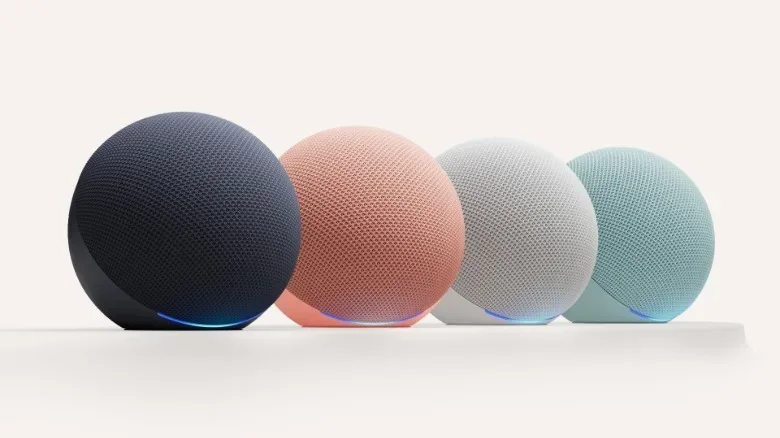
The standard Echo Dot is available in Graphite, Glacier White, Agave Green and Coral Pink for $100. The Kids Echo Dot comes in Penguin and Octopus designs and starts at $110. The $10 difference is therefore tied to the kid-oriented design and the included year of Kids+ rather than a stated change to the core networking, smart-home or voice-processing hardware.
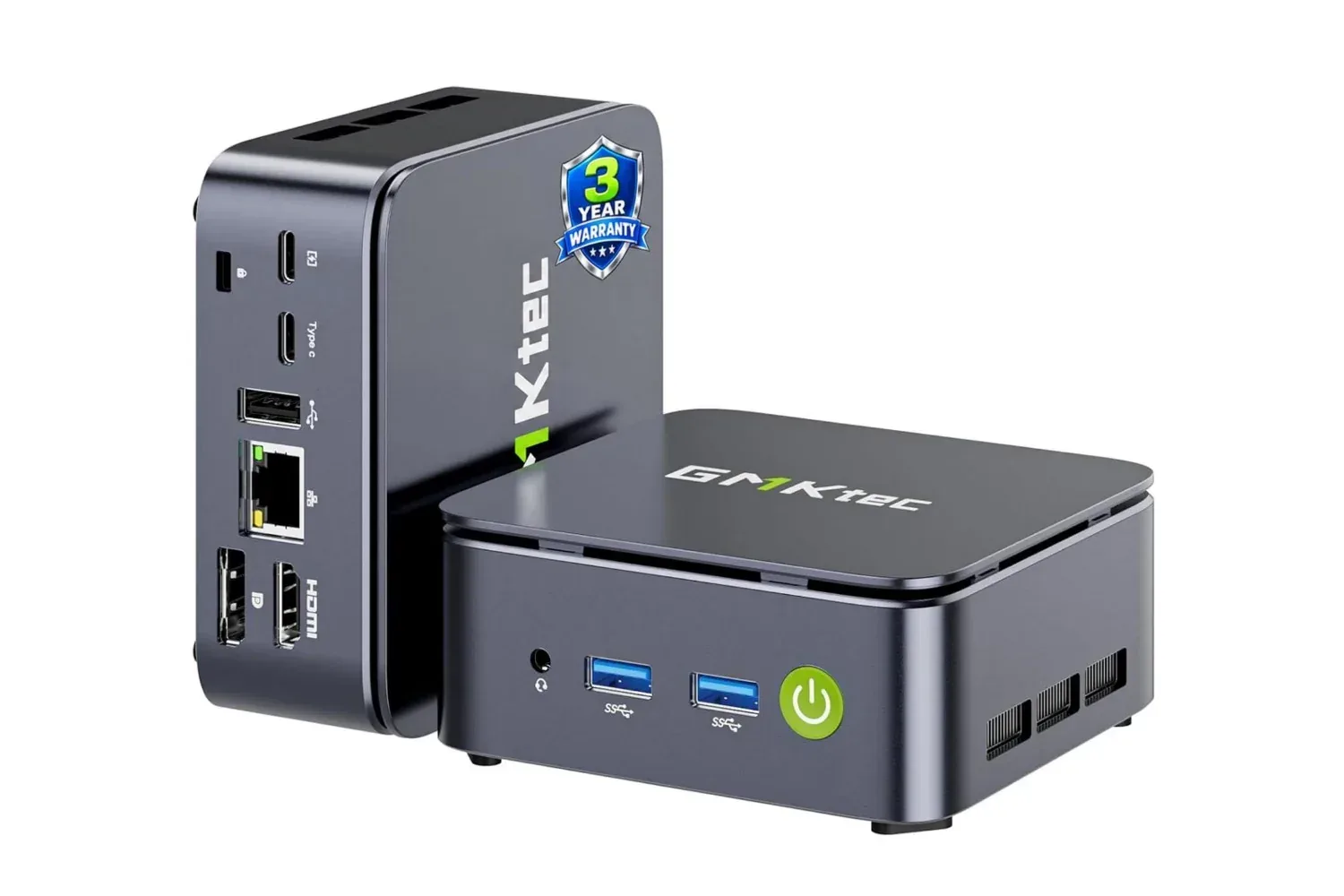
For buyers considering the regular Dot as part of a gaming or entertainment setup, the product is best understood as a support device rather than a performance upgrade for a console or PC. Its eero function could be relevant to an existing eero household looking to improve Wi-Fi reach in a play space, and its speaker and voice functions can serve the room. But it does not change the underlying fact that network performance depends on the existing network and the devices connecting to it. Readers weighing compact tech for a casual setup may also find our look at the GMKtec G10 Mini PC and grounded casual-gaming expectations useful context for matching a device’s role to what it can realistically do.
Who this Echo Dot makes the most sense for
The strongest case is for people whose homes already use eero and who want an Alexa speaker in a place that could benefit from better Wi-Fi reach. Adding a speaker that doubles as an extender may be more appealing than introducing another single-purpose networking box.
It also looks compelling for newcomers to compatible smart-home hardware. Zigbee, Matter and Thread support gives the Dot a broad role as a hub, while Omnisense can provide triggers for home routines. That combination could make the $100 device a relatively low-friction start for someone building around compatible lights, sensors or temperature controls.
Existing Echo Dot owners face a more conditional decision. The new speaker’s main differentiators are not cosmetic. They are the AZ3 on-device AI processing, the fourth microphone, the eero extension capability and the multi-protocol hub. A replacement is easier to justify if one or more of those directly solves a problem in the home. If the current Dot already sounds adequate, hears requests reliably, and the household has neither eero nor compatible hub devices to add, the upgrade case is naturally narrower.
Amazon’s refreshed Echo Dot is ultimately a compact speaker with unusually ambitious side jobs. It is a voice assistant designed to understand more locally, a hub designed to speak to more kinds of accessories, and, for eero users, a device intended to push wireless coverage farther. Those roles will not matter equally to every buyer. But together they turn the Dot from a simple Alexa endpoint into a piece of home technology that may earn its outlet space in several different ways.
Shop the products
Check current price, model and availability at the retailer.