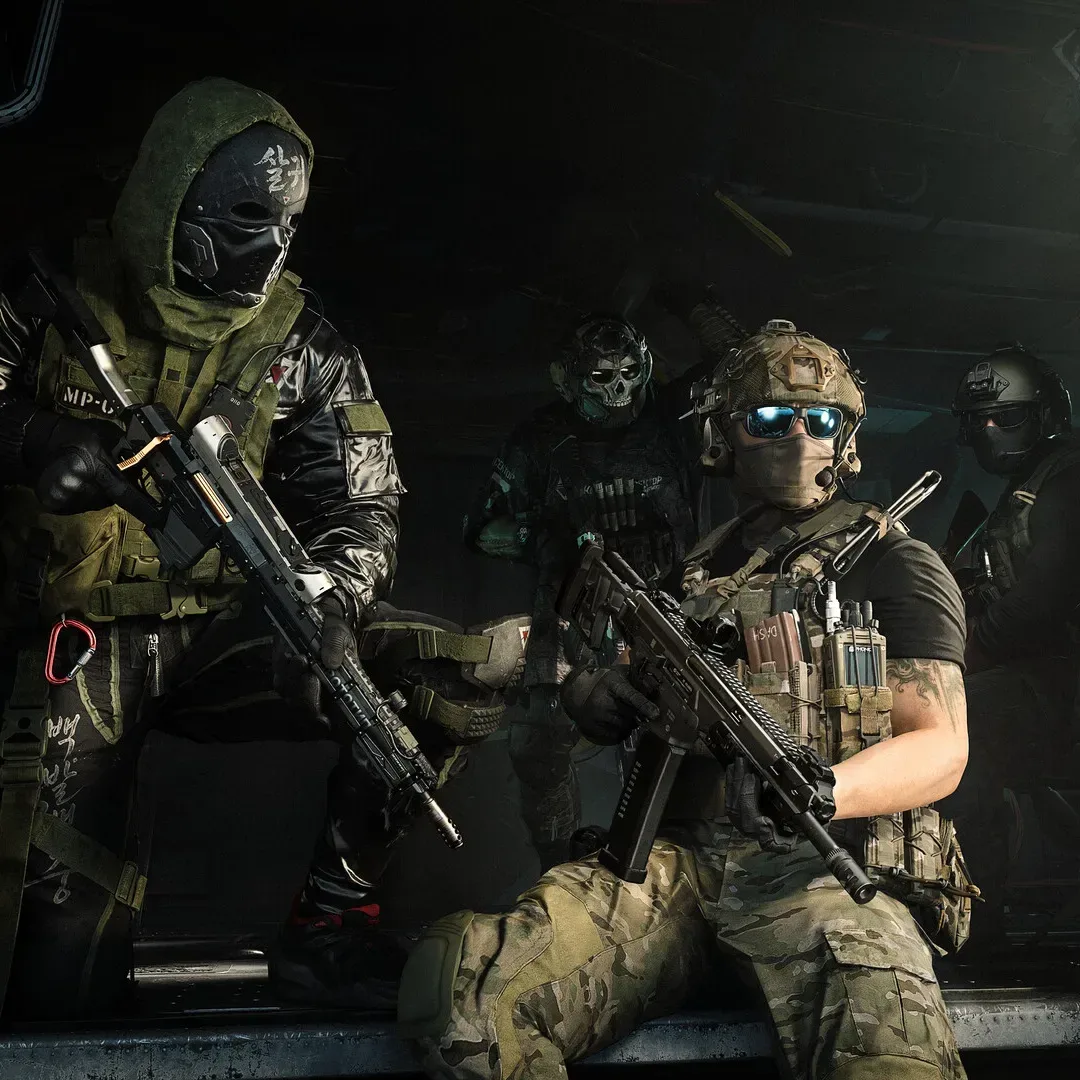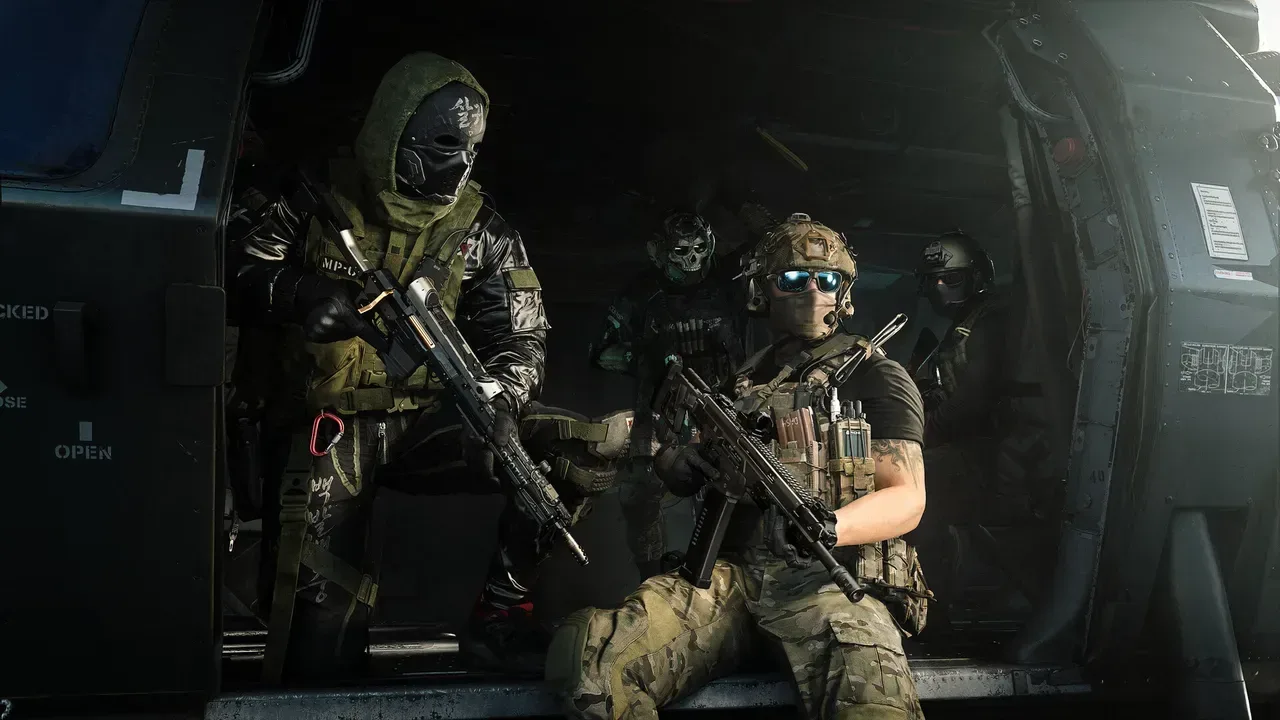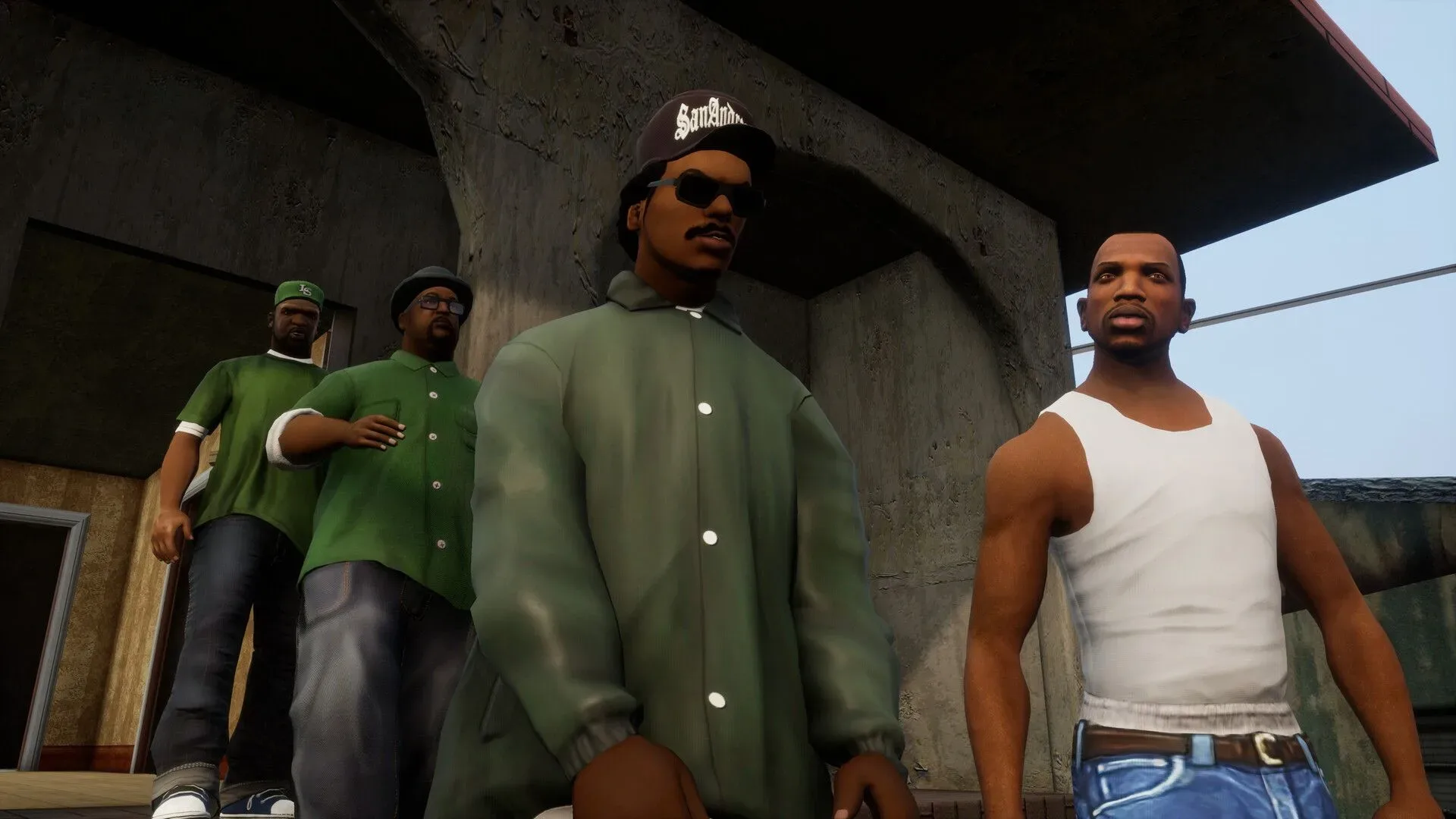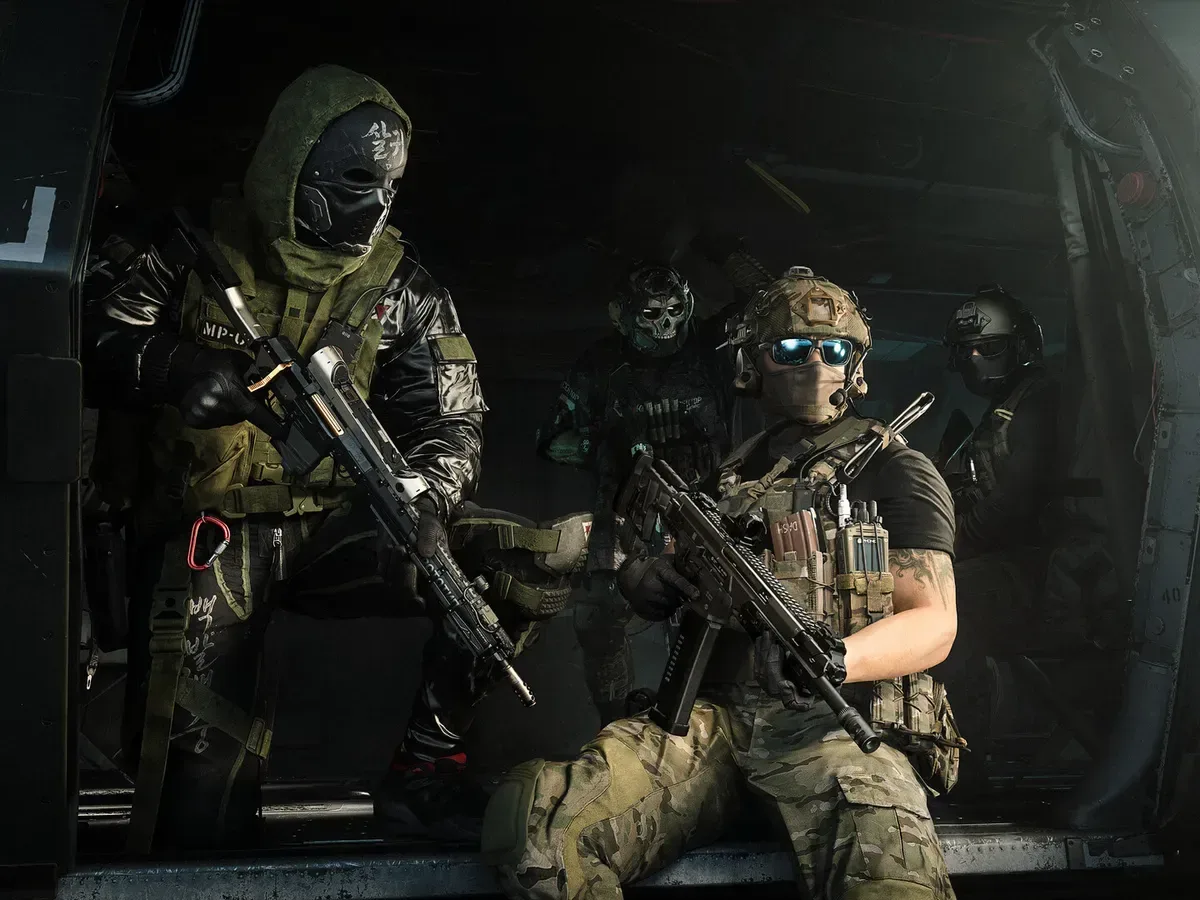
Activision is making an unusually confident case for sharing the spotlight. With Grand Theft Auto 6, Call of Duty: Modern Warfare 4, and a Nintendo Switch 2-exclusive remake of The Legend of Zelda: Ocarina of Time all due in November, the company does not see Rockstar’s giant as a threat that automatically takes attention away from Call of Duty. Its expectation is almost the reverse: a massive GTA 6 launch could bring more people back to their consoles, put gaming higher in the wider conversation, and create more opportunities for Modern Warfare 4 to be seen.
Tyler Bahl, Activision’s chief marketing officer, framed GTA and Call of Duty as the two biggest games of 2026, while arguing that Zelda belongs in a major release window rather than outside it. That is a bold position in a month where the three games are set to arrive in quick succession: Ocarina of Time on November 5, GTA 6 on November 19, and Modern Warfare 4 beginning its campaign early-access period on October 16.
The argument matters because it puts an established release-calendar assumption under pressure. Major games are often viewed as direct rivals for a fixed amount of player time, attention and spending. Activision is instead betting on a rising-tide effect: one huge game can expand the audience actively using hardware and following gaming news, giving other releases more potential customers to reach.
Activision’s case: GTA 6 can bring people back to the dashboard
Bahl’s central point is not that Modern Warfare 4 and GTA 6 provide the same experience. They plainly occupy different lanes. The claim is that GTA 6 can prompt players to reconnect with their PlayStation or Xbox systems, revisit gaming as a habit, and pay closer attention to what else is releasing. Activision believes that broader activity can produce more visibility for Call of Duty.
“More people coming in to the dashboards, more people taking the dust off their Xbox or PlayStation and starting to play again” means more potential attention overall, Bahl said.
“Dashboards” here refers to the home screens and storefront ecosystems of console platforms: the place where players launch installed games, see promotions, visit digital shops and encounter recommendations. Activision’s premise is that a game with GTA 6’s anticipated scale could increase the number of people moving through those spaces. It also expects the release to boost sales of PlayStation 5 and Xbox Series X and S hardware, enlarging the active console audience that Call of Duty can address.
That remains a commercial expectation, not a guarantee. A player buying or returning to a console for GTA 6 is not automatically a Modern Warfare 4 player. But Activision’s thesis is credible on its own terms: a broader gaming moment can make it easier for a separate blockbuster to find an audience, particularly when that second game offers a different kind of reason to play.
There is a practical distinction in the company’s pitch. GTA 6 is being treated as an event that may widen the room; Call of Duty is being positioned as a social game that can give groups of friends an immediate reason to spend time together once they are in that room. Bahl said Activision’s research points less to combat or gunplay alone than to players valuing the memory that their friends were there with them.
Related coverage includes Activision Sees GTA 6 as a Tailwind for Modern Warfare 4, Not a Rival.
Social play is the Modern Warfare 4 differentiator
Call of Duty’s answer to a saturated November is community. Bahl emphasized the ability to play with friends across platforms, naming PC, Xbox and PlayStation, as well as Switch 2, which he described as a new platform for Call of Duty this year.
Cross-platform play, often called cross-play, means users on different hardware ecosystems can play together rather than being separated by the device they own. In this case, Activision sees that reach as strategically important. A group does not need to settle on just one console family before arranging a session; the appeal is in keeping the social circle connected across the available platforms.
That is why Activision does not appear to be arguing that Modern Warfare 4 must outmuscle GTA 6 on every measure. It is arguing for a specific use case: friends coordinating to play Call of Duty together. The company believes this gives the series a distinct place even during a period dominated by an enormous single release and a high-profile Nintendo remake.
For players, the immediate implication is simple: a packed calendar does not necessarily force a one-game choice. GTA 6, Modern Warfare 4 and Ocarina of Time are positioned as different propositions, and Activision is counting on that difference. A player could be following GTA 6’s cultural moment, returning to Zelda, and still reserve multiplayer time for a Call of Duty group. Whether that happens at scale will depend on the game itself and on whether its community feels that Modern Warfare 4 answers recent concerns.
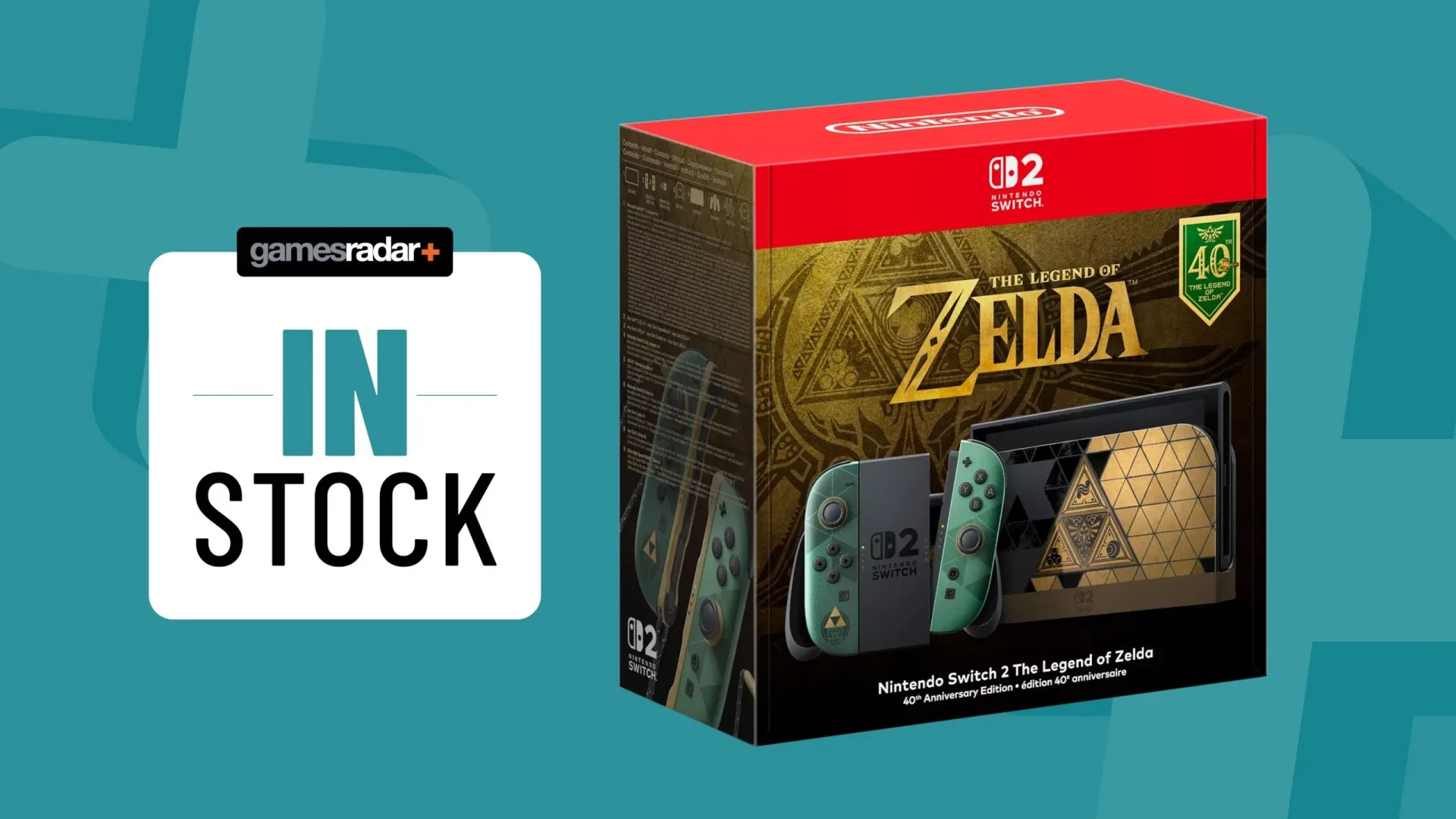
The Nintendo release is also a substantial part of the month’s shape. The Ocarina of Time remake is a Switch 2 exclusive and launches November 5. Readers tracking that release can find the related Zelda Switch 2 40th Anniversary Edition pre-order update. Activision’s message is not that Zelda will be irrelevant; Bahl’s point is that the conversation around a major Zelda launch, GTA 6 and Call of Duty can be bigger than any one title’s isolated marketing cycle.
A crowded month does not erase Call of Duty’s own pressure
The optimistic outlook toward GTA 6 should not obscure the difficult context Modern Warfare 4 carries into release. Activision needs the new game to improve on Black Ops 7, which was a high-profile commercial disappointment for the company. Bahl acknowledged that the recent pattern of putting consecutive entries from the same Call of Duty sub-brand back to back had not worked as intended.
A sub-brand is the recurring identity within the wider Call of Duty series, such as Modern Warfare or Black Ops. These lines can have their own settings, tone, characters and design direction while remaining under the same larger franchise. Bahl’s comments identify a problem with repetition at that level: even where successive games had different time settings, ways to play and new features, the community wanted a sharper tonal change and something that felt new.
The pattern he referenced includes Modern Warfare 2 followed by Modern Warfare 3, then Black Ops 6 followed by Black Ops 7. Activision’s conclusion is not merely that individual features need adjustment. It is that a recognizable series rhythm can become too familiar when the same branch of the franchise returns immediately.
Bahl said the audience had asked for “new or better or different,” and that future Call of Duty games need to innovate as player tastes and the wider landscape continue to change.
That is an important qualification to the GTA 6 argument. More eyeballs may be useful, but they are not a substitute for making a game audiences want to play. Activision’s own comments acknowledge that fresh features alone did not solve the issue for Black Ops 7. The desire for freshness included a tonal shift: the broader feeling and identity of a game, not simply its list of modes or settings.
Modern Warfare 4 is both a release and a transition point
Activision has previously indicated that Modern Warfare 4 will bring this version of the Modern Warfare sub-brand to an end. Separately, Treyarch has said it is moving away from Black Ops to work on something new. Taken together, those points suggest that 2027 is set to introduce a brand-new Call of Duty sub-brand.
That makes Modern Warfare 4 more than another annual entry. It arrives as Activision prepares to redraw the series’ future structure after recognizing audience fatigue with back-to-back sub-brand installments. Bahl said the groundwork has already been laid for a future title under a new sub-franchise, while maintaining that Modern Warfare 4 responds to the feedback Activision heard loudly from its community.
No specific details were provided about how Modern Warfare 4 addresses that feedback, so it would be premature to assume particular changes in campaign structure, multiplayer systems, setting or other features. The confirmed takeaway is broader: Activision understands the concern as one of freshness and is presenting Modern Warfare 4 as part of the response before the franchise moves to a new identity.
November will test the “more attention helps everyone” theory
There is an appealing logic behind Activision’s view. When more people are talking about games, following releases and using their platforms, the total audience for game marketing can grow. In Bahl’s formulation, publicity around a major gaming period can be good for more than the one game drawing the biggest headlines.
Yet the month will also test the limits of that idea. Player time is still finite, and Modern Warfare 4 faces an especially high bar after Black Ops 7’s commercial performance and the company’s admission that its recent sub-brand cadence did not land as hoped. GTA 6 can create a wider cultural and hardware moment, but Modern Warfare 4 must still turn that moment into sustained interest through its own social appeal and perceived freshness.
Activision is nevertheless choosing to treat the calendar as an opportunity rather than an emergency. Its strategy rests on two connected beliefs: GTA 6 can bring more people into active gaming, and Call of Duty’s cross-platform, friend-focused experience gives it a reason to remain in their regular rotation. With Zelda arriving first, GTA 6 following on November 19, and Modern Warfare 4 entering the conversation through campaign early access, November is set to be a revealing stress test for that confidence.