Airplane Wi-Fi has long had the energy of a boss fight nobody asked for: expensive, inconsistent, and seemingly determined to defeat a simple message before it sends. Starlink is changing expectations on a growing number of carriers by bringing its satellite internet service to commercial aircraft. But a carrier announcing a rollout is not the same thing as every flight having the service.
That distinction matters if you are booking around connectivity—for work, keeping in touch, streaming, or making a long trip feel less disconnected. The most reliable approach is to treat Starlink availability as a flight-specific question, not merely an airline-specific one. Check the carrier’s own booking tools or app first, use aircraft type as supporting evidence where it is meaningful, and leave room for operational surprises.
More than 200,000 flights worldwide have already used Starlink service, but installations remain in very different stages from one airline to another. Some fleets are complete or nearly complete; others have hardware on only a portion of aircraft. A Wi-Fi logo on a booking page also may not tell you whether the connection is Starlink or an older onboard system.
Start with the airline’s own flight information
The best first stop is the airline operating your flight. This is particularly important on itineraries involving codeshares, because the airline selling the ticket and the airline physically flying the plane may not be the same.
Look for connectivity information while selecting a flight, after booking in the trip-management area, or in the airline’s mobile app. Carrier-specific tools can be especially useful because they may identify the actual service rather than simply saying that Wi-Fi exists.
United: use its dedicated Starlink tracker
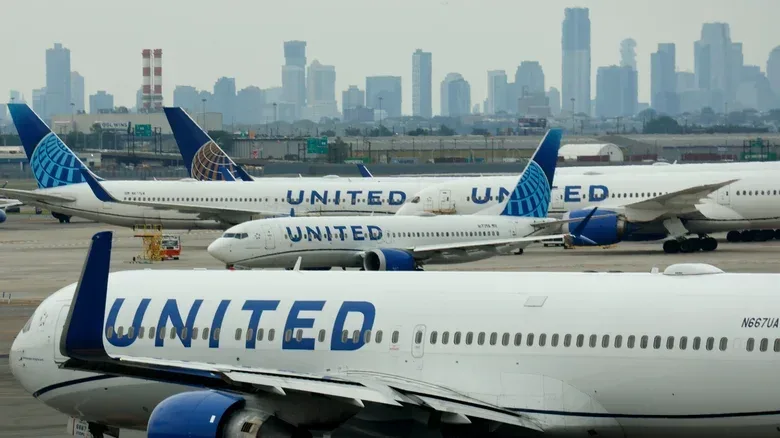
United began adding Starlink in May 2025 and provides a Starlink Wi-Fi tracker for passengers to check whether a particular flight has the service. That is more useful than trying to infer availability from the airline name alone.
The rollout is substantial but incomplete. As of October 2026, United said Starlink hardware had been fitted to more than 640 planes, representing 43% of its rollout. About 48% of the carrier’s daily flights offered the service at that point, meaning a majority still did not. United expects installations to finish by the end of 2027.
In practical terms: a United booking can have Starlink, but travelers should check the individual flight rather than assume it will be there.
Southwest: look in the app
Southwest is also in the installation phase, with a stated goal of making Starlink available across its flights by sometime in fall 2027. For now, the Southwest app is the key check. A trip assigned an equipped aircraft should display the wording “WiFi Powered by Starlink.”
That label is valuable because it distinguishes an aircraft carrying Starlink hardware from a broad promise about the eventual fleet. Recheck close to departure, since a plane assignment can change.
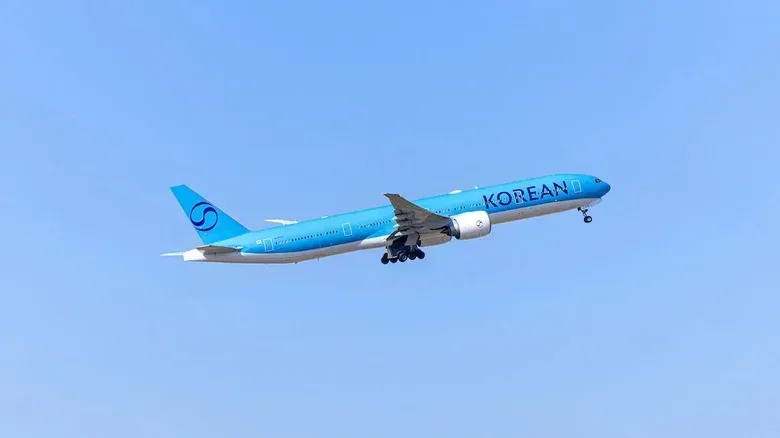
Korean Air: Wi-Fi filtering is useful, but not definitive
Korean Air lets passengers search for flights and filter for Wi-Fi. That can help narrow choices, although the result does not specify whether a flight uses Starlink or the airline’s legacy internet service. In this case, “Wi-Fi available” should be read as confirmation of some connectivity, not proof of a Starlink connection.
This is a good example of why the wording matters. A passenger whose only priority is basic connectivity may be satisfied. Someone specifically seeking Starlink should contact the carrier if the distinction affects the booking decision.
Use aircraft type when an airline has made its progress clear
An aircraft type is the model of plane assigned to a flight, such as a Boeing 787-8 or Airbus A320neo. Airlines commonly list it during booking or in itinerary details. It is not a permanent promise—the operating aircraft can be substituted—but it can be a strong clue when installations have been completed on a particular type.
Qatar Airways offers one of the clearest examples. The airline has said all of its Boeing 787-8 jets have Starlink, and more than half of its Boeing 787-9 fleet is equipped. More than 150 aircraft across those types had been fitted, with all 787s targeted for completion by the end of 2026. If a Qatar itinerary identifies a 787-8, that is notably stronger evidence than a general statement that the airline is deploying Starlink. A 787-9 has a reasonable prospect, but not the same certainty.
SAS has confirmed that its rollout is 70% complete and that all Airbus A320neo aircraft are equipped. Again, the plane type can be a helpful booking clue. Emirates has installed Starlink on more than 50 aircraft and is continuing at roughly 14 planes per month, but a broad airline-level rollout figure does not establish service on a particular flight.
Aircraft-type checking is best understood as an evidence ladder:
- Best: the airline explicitly marks your flight as Starlink-equipped.
- Strong supporting sign: the listed aircraft is a type the airline says is fully fitted.
- Helpful but uncertain: the airline has a large partial rollout, without confirming the assigned aircraft.
- Not enough by itself: the airline has announced a future plan.
Know which airlines have complete or advanced rollouts
Full fleet completion is still uncommon, but a few cases make planning easier. Hawaiian Airlines offers Starlink on all of its Airbus aircraft. Alaska has completed the regional rollout for Horizon Air flights, while its mainline and widebody installations continue. ZipAir Tokyo completed its rollout in May across its eight Boeing 787-8 aircraft.
That does not remove every variable: a last-minute equipment change remains possible. But on these completed segments, the odds are naturally much better than with a carrier at the beginning of a large retrofit program.
WestJet appears comparatively far along. Independent rollout trackers have estimated that 76% to 83% of its aircraft are equipped, while the airline has confirmed that at least 100 planes have received the hardware. Air France is also estimated to be around 65% complete, with installations on at least 150 aircraft, though those figures have not been publicly confirmed by the airline.
These numbers are useful for setting expectations, not making guarantees. A percentage describes a fleet-wide snapshot, while a traveler needs an answer about one aircraft on one day.
Use third-party trackers as a cross-check, not the final answer
Specialist flight trackers can map reported Starlink installations across commercial fleets and give a useful estimate of how far a carrier has progressed. They are especially useful when an airline has not made a flight-level checker available.
However, they can lag behind recent installations, and their information may not capture every fleet nuance. An airline can equip one aircraft family while another remains untouched, or change the plane assigned to a route. Treat a tracker as a way to research likely availability, then verify with the airline if internet access is important enough to affect your choice.
That approach resembles sensible pre-trip tech planning more generally. Travelers bringing a gaming laptop or other demanding device should still prepare for a no-service outcome; connectivity is a convenience, not a guaranteed part of the aircraft. For PC players building an offline backup plan, our look at Windows’ HAGS toggle for low-VRAM gaming is a separate reminder that performance settings are worth checking before travel rather than mid-journey.
Separate “Starlink planned” from “Starlink installed”
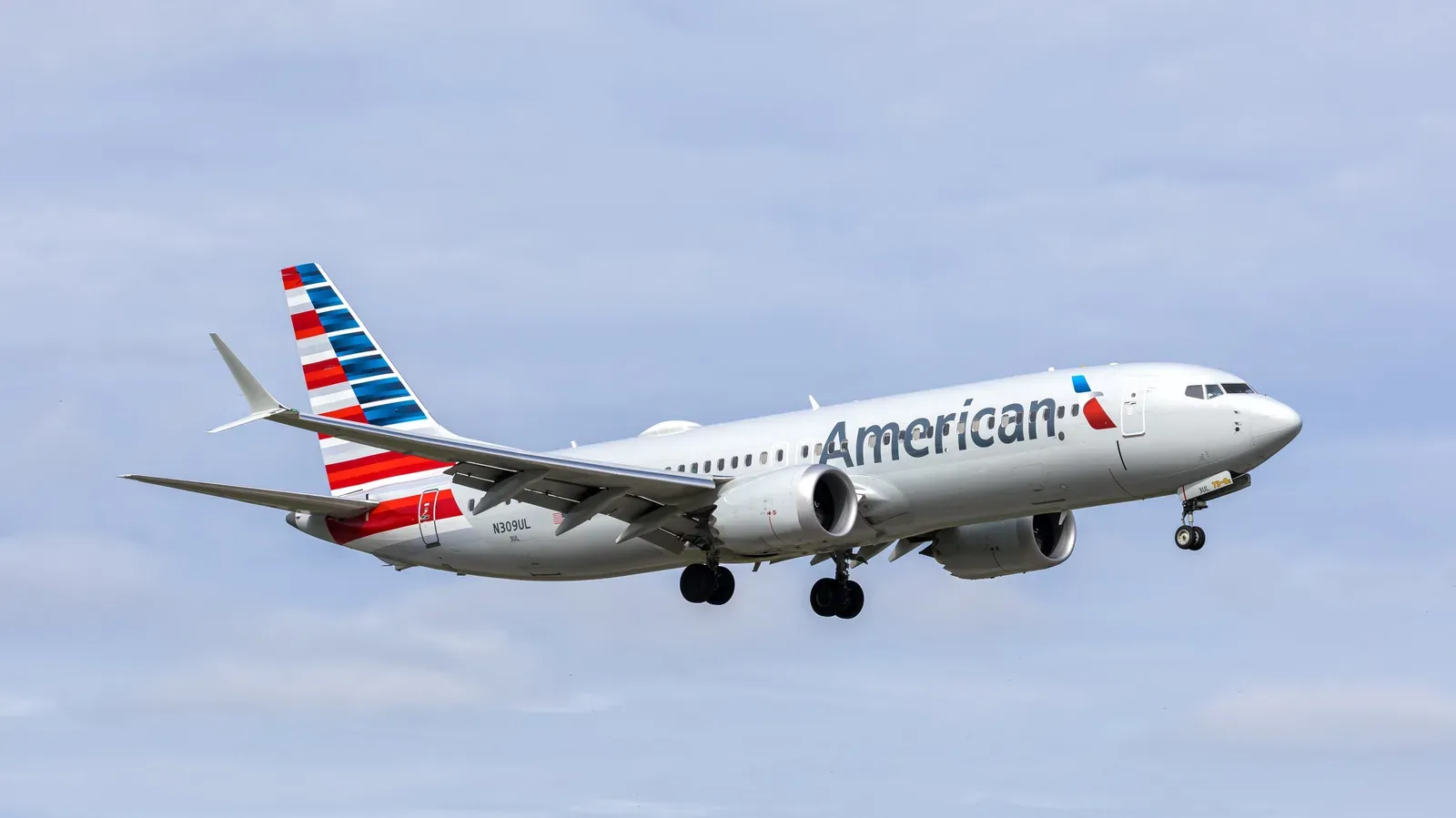
Several major airlines have announced future deployments, but that should not be mistaken for current service. American Airlines had no Starlink-equipped aircraft at the time of its plan to begin installations in early 2027, despite announcing an intention to fit its fleet of more than 1,000 planes with Starlink Aero Performance Terminals. KLM says its phased launch is due to begin on intercontinental services in summer 2027.
Likewise, an airline may offer onboard Wi-Fi today while working toward Starlink later. Existing Wi-Fi can still be useful, but it may have different speeds and restrictions from Starlink. The service name, not a generic Wi-Fi symbol, is the detail to seek.
Delta is a separate case. It has chosen Amazon Leo, Amazon’s low-Earth-orbit satellite service formerly called Project Kuiper, instead of a fleetwide Starlink deployment. Delta expects Leo service on 500 planes by 2028. So a traveler specifically hunting for Starlink should not interpret faster satellite Wi-Fi broadly as evidence that every airline is using the same network.
Even an equipped plane can lose service along the route
Hardware on the plane is only part of the picture. Starlink may not operate over or into China, Russia, Afghanistan, or U.S.-sanctioned countries including Iran. It is also likely unavailable over countries that have not approved Starlink operations, including India, Pakistan and South Africa.
This is a regulatory and coverage issue, rather than an indication that the onboard system is broken. A flight can begin with service and later lose it as the route crosses into an area where operation is not permitted. Korean Air specifically notes that Starlink will not function while flying over or into China.
There are also ordinary airline operational risks. Aircraft swaps can place a non-equipped plane on a flight that had appeared likely to offer the service. Maintenance or other downtime can interrupt a connection. For that reason, critical work, documents, entertainment downloads and messages should not be held hostage by a projected Wi-Fi signal.
A practical pre-flight checklist
- Check the operating carrier, not only the company that sold the ticket.
- Search the airline’s booking flow, trip page and app for an explicit Starlink label.
- If no flight-level label exists, look up the scheduled aircraft type and compare it with the airline’s stated installation progress.
- Use rollout trackers to add context, but do not treat their estimates as confirmation.
- Recheck after booking and close to departure, when aircraft assignments may change.
- Review the route: service can be unavailable over countries where Starlink is not permitted to operate.
- Download anything essential before boarding and plan for the possibility that no onboard connection works.
The short version is simple: Starlink is increasingly common, but it remains a moving target. Airline-owned flight tools are the strongest evidence; confirmed aircraft-type coverage is the next best clue; fleet percentages and trackers help establish probability. If the connection truly matters, contact the airline directly and keep an offline fallback ready.