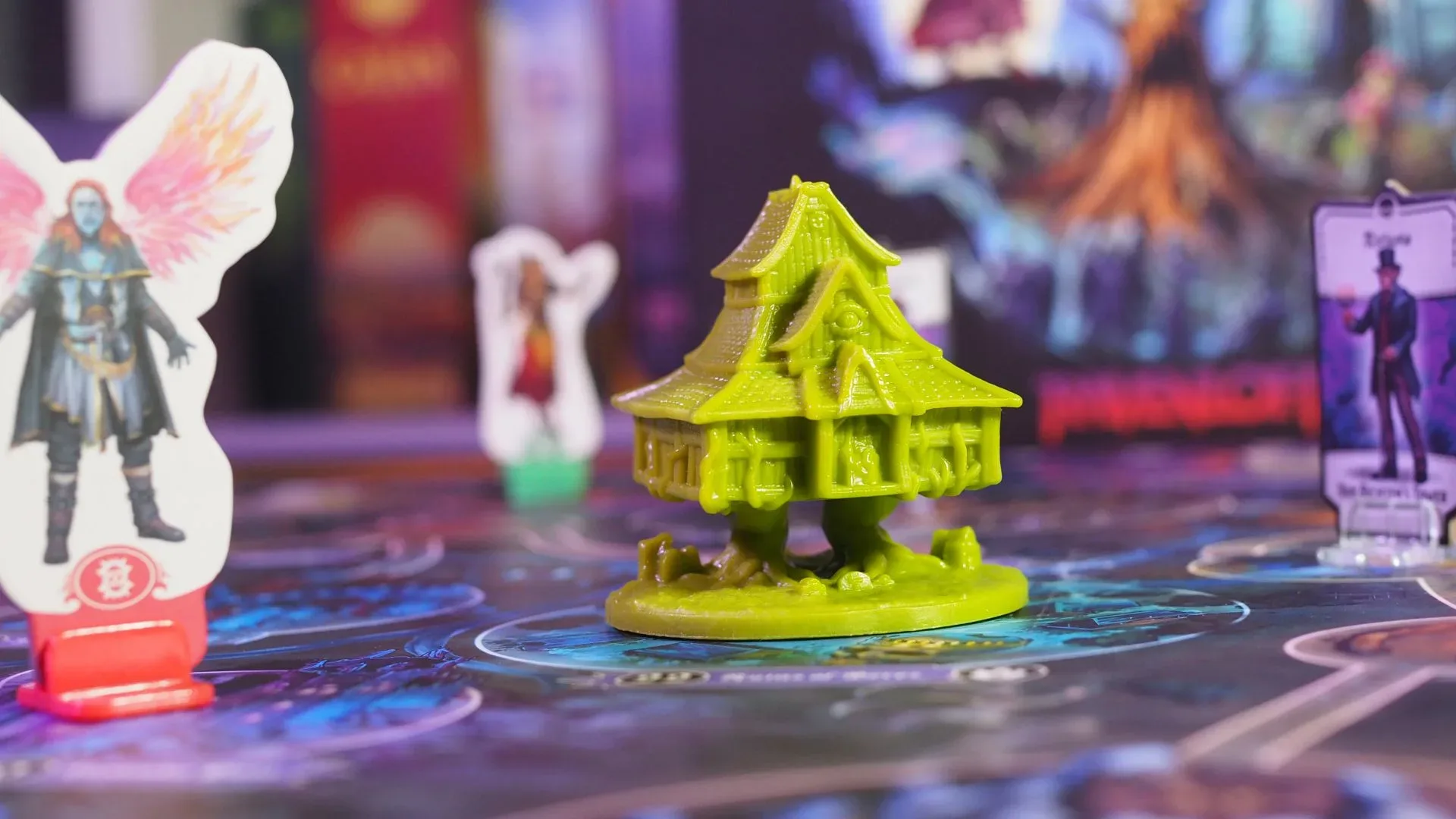
Halloween tabletop plans are getting a timely nudge from a new batch of discounts on horror-themed games, with options stretching from light monster mayhem to sprawling supernatural investigations. The selection includes Twisted Cryptids, an unnamed quick-play take on social-deduction staple Werewolf, multiple entries in the Horrified series, a Dungeons & Dragons-style cosmic-horror tabletop RPG, Arkham Horror: The Card Game, Betrayal at House on the Hill, and Mansions of Madness.
The important distinction is that these are not interchangeable “spooky games.” Some are designed to get a room laughing quickly; others ask players to cooperate through difficult decisions; others use cards, scenarios, or role-playing to sustain an ominous story. That variety makes the group at the table more important than the theme printed on the box.
One concrete deal highlighted in the roundup puts Twisted Cryptids below $15. Horrified: Dungeons & Dragons – Ravenloft is also described as having reached a new lowest price. As with any retail promotion, prices and stock can move quickly, so a Halloween host should treat the listed reductions as a prompt to check the current listing rather than a permanent price promise.
A horror game night needs the right kind of fear
“Horror board game” can mean a surprising number of things. It can mean players embodying oddball monsters and trying to scare humans, trying to identify a hidden villain through bluffing, protecting civilians while battling familiar creatures, or investigating a looming cosmic threat. The common thread is mood, not necessarily complexity.
That is especially useful for a party. A host can choose a game that matches the energy of the room rather than trying to make every guest sit through the same kind of experience. A playful opening game can ease in newcomers; a cooperative centerpiece lets a group work together; a longer haunted-house title can be reserved for people who want to stay after the snacks have vanished.
The Halloween framing naturally brings classic slasher imagery to mind—Michael Myers gets a passing nod in the deal discussion, while the next Michael film is also moving through production. But the games here lean much more broadly into cryptids, gothic monsters, paranormal mysteries, haunted mansions and cosmic horror than into one specific movie formula.
For lighter groups: Twisted Cryptids and fast social deduction
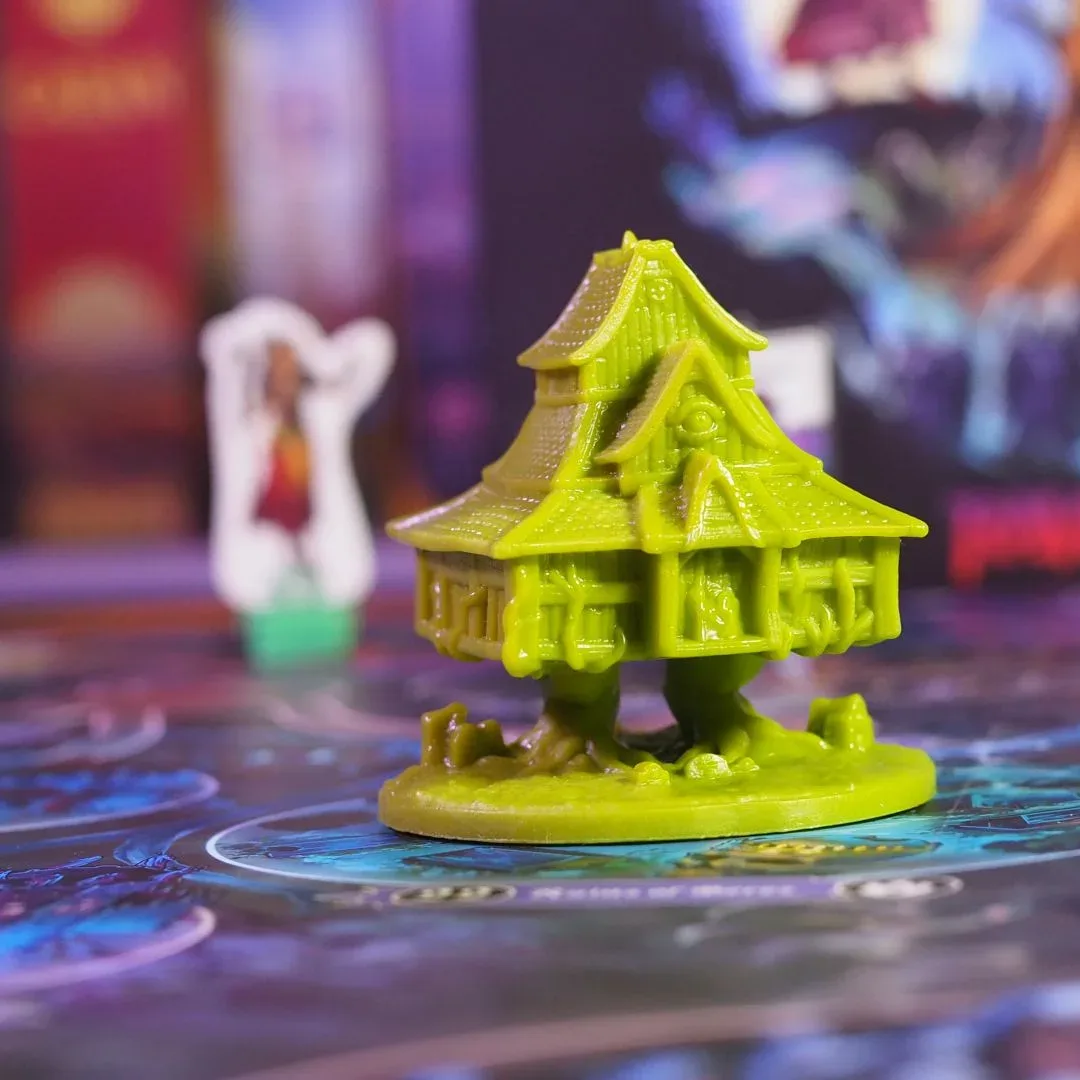
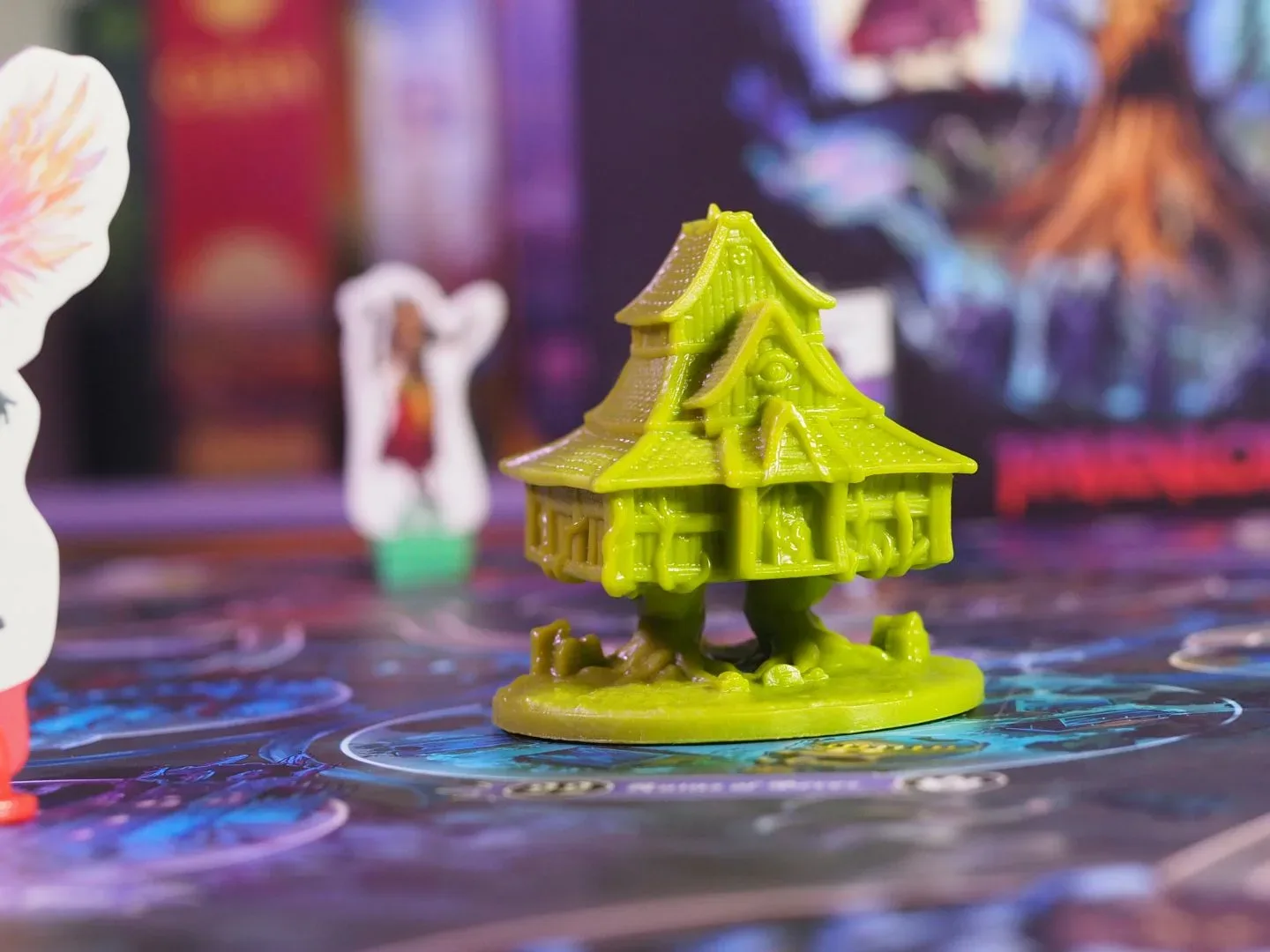
Twisted Cryptids appears to be the easiest fit for a casual gathering. Its premise is gleefully strange: players race to scare away as many humans as possible. The game is characterized as cute, spooky, silly and chaotic rather than relentlessly grim, which matters when the guest list includes people who enjoy Halloween aesthetics but are not seeking an intense rules session.
Its reported replayability is another practical advantage. A party game works best when a round does not exhaust the premise immediately. The appeal here is not just the cryptid theme; it is the expectation that repeated sessions can remain lively. That makes the sub-$15 price point notable for hosts looking for a low-commitment addition to a seasonal game shelf.
Related coverage includes Halloween Board Game Deals Spotlight Twisted Cryptids, Horrified and Arkham Horror.
The other quick option is described as a faster version of Werewolf, the classic social-deduction format in which players must infer hidden roles and intentions. Social deduction is a genre built around incomplete information: not everyone has the same knowledge, and discussion, deception and reading other players become core parts of play. The cited game reportedly gets players into the action quickly and uses a variety of roles to keep sessions from feeling identical.
That makes it best suited to a talkative table. The “horror” comes from suspicion and accusation more than a detailed narrative. It is likely a poor fit for guests who dislike bluffing or being singled out, but an excellent icebreaker for a group that likes lively debate before moving to a more involved game.
Horrified offers cooperative monster management
The Horrified line takes a fundamentally different route. These are cooperative games, meaning the players share the objective and face the game’s challenges together. Instead of trying to outfox friends, the tension comes from coordinating limited actions and deciding what danger needs attention first.
The series is praised for the choices it asks players to make between protecting civilians and confronting monsters. That is a clean example of a cooperative game’s pressure point: success does not come from merely defeating an enemy as fast as possible. Players must weigh competing emergencies, and choosing one priority can leave another threat active.
American monsters and paranormal mood
Horrified: American Monsters adds American cryptids including Sasquatch and Mothman. Cryptids are creatures whose existence is claimed or folklore-based rather than established by mainstream scientific evidence; in horror fiction, they provide a useful middle ground between a traditional movie monster and an unexplained local legend. The result is said to carry the atmosphere of a paranormal-investigation television episode.
For a Halloween event, that can be a better thematic lane than pure gore or despair. Sasquatch and Mothman are recognizable enough to be immediately fun, yet unusual enough to give the night a slightly off-kilter mystery flavor.
Ravenloft turns to gothic horror and character classes
Horrified: Dungeons & Dragons – Ravenloft heads in another direction: gothic horror, with vampires and creepy killer dolls among its threats. It is positioned as an accessible entry to the franchise for people drawn to either Dungeons & Dragons or traditional gothic monster stories.
What differentiates Ravenloft is the presence of classes and a corruption system. In this context, classes are player roles with different special abilities, creating variation in how each participant contributes to the team. A corruption system introduces trade-offs: it can grant useful benefits while imposing drawbacks. Mechanically, that is a way to make power feel dangerous. The best choice in the immediate moment may leave a player with a later consequence, which is exactly the kind of bargain gothic horror likes to put on the table.
That extra structure suggests Ravenloft may be a strong middle ground for a group willing to learn more than a party game but not necessarily looking for a full tabletop role-playing campaign.
Cosmic horror: role-play or cards?
The lineup includes two routes into cosmic horror, a style concerned with unknowable forces and threats that dwarf ordinary human understanding. The first is a Dungeons & Dragons-style tabletop RPG. Unlike a board game with fixed pieces and a tightly prescribed turn structure, a tabletop role-playing game asks participants to inhabit characters and make choices within a shared story. That can make it especially immersive: the players are not simply directing investigators from a distance; they are taking the roles of the people confronting the nightmare.
The trade-off is social and practical. An RPG calls for players to engage with the fiction and make character-driven decisions. For a group that enjoys collaborative storytelling, it may be the night’s main event. For a drop-in party crowd, it could be harder to launch than a self-contained board or card game.
Arkham Horror: The Card Game offers a more approachable entry point to an established cosmic-horror tabletop brand while retaining the tension of solving paranormal mysteries that could threaten the world. A living card game or story-focused card-game format can deliver a narrative through decks and scenarios rather than a board full of miniatures or modular rooms. The key appeal described here is concentrated suspense: investigators face an escalating mystery without the broader cost and onboarding challenge associated with Arkham Horror’s larger tabletop presence.
For prospective buyers, “more accessible” should not be mistaken for “identical to a party game.” It means a potentially lower barrier to entering this particular horror setting, not necessarily a promise of instant play for any crowd. Players who want a sustained mystery and can give a card-driven system attention are the natural audience.
Haunted houses with long legs
Betrayal at House on the Hill remains the most immediately compelling choice for groups that want their Halloween game to generate stories. Its mansion is built through randomized rooms drawn during exploration, so the layout changes from game to game. That modular structure helps make a single box feel less fixed: players do not simply memorize one floor plan and repeat it.
It also has 50 scenarios. Scenarios are distinct setups or story frameworks that alter the situation players must confront. Their presence gives the game a breadth that can outlast one October gathering, even if not every group will see all of them. The game is characterized as an overall standout in horror board gaming, and the discount is specifically noted as good rather than an all-time low.
The most useful expectation to set is that variability is the feature. A different mansion and a different scenario can produce a very different tale from one session to the next. That makes Betrayal a particularly good candidate when players value surprise and are happy to let the game’s unfolding house shape the evening.
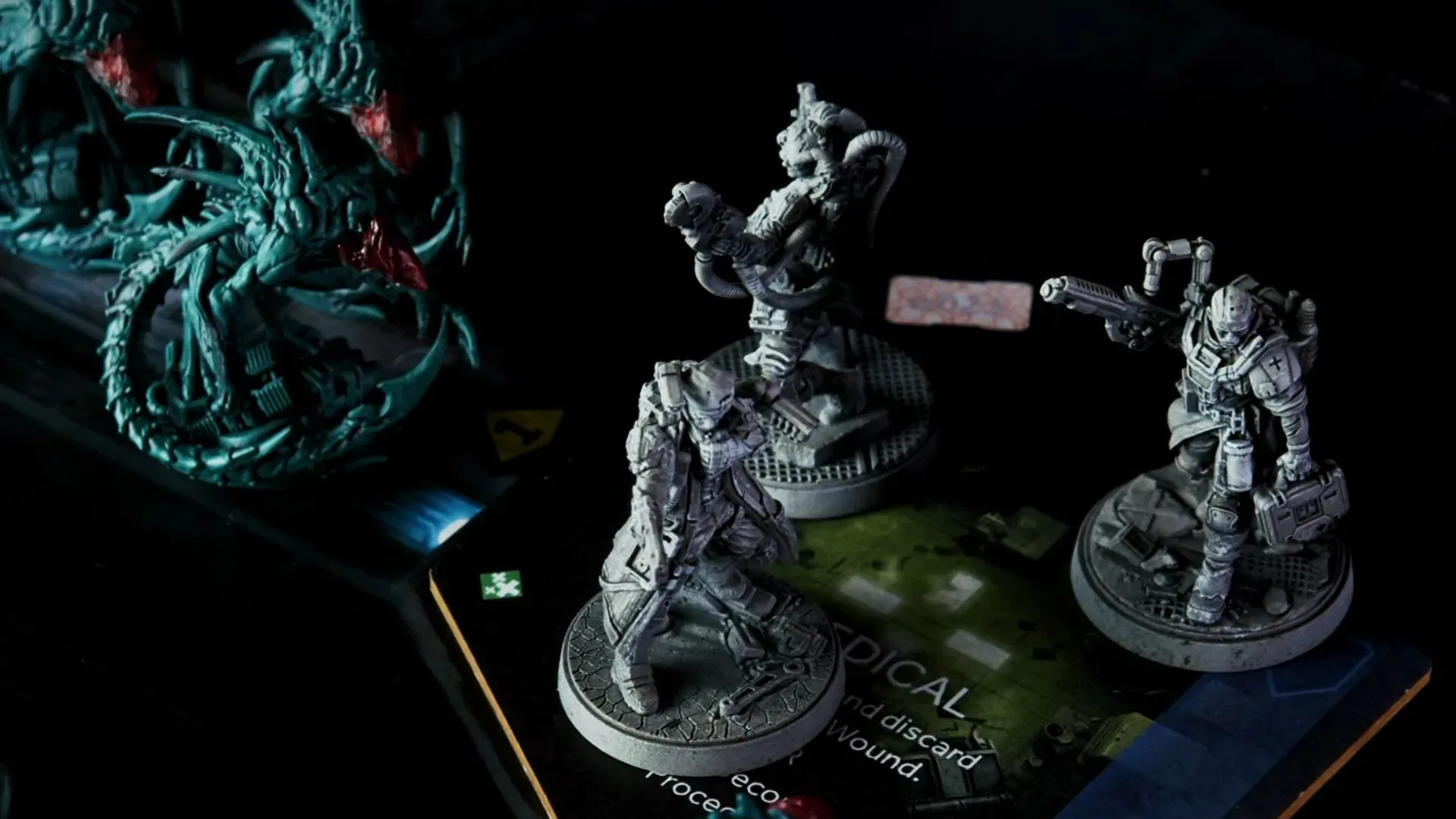
Mansions of Madness is presented as the step up for people who enjoy Betrayal’s haunted-house framework and want something deeper and more ambitious. Players explore a mansion while working to stop cults, monsters and godlike beings. The similarity is clear—both invite a group into a changing horror location—but Mansions of Madness aims for a bigger, more elaborate supernatural investigation.
How to turn the sale into a workable Halloween lineup
A sensible plan is to choose one game based on the amount of time and attention guests genuinely want to offer, not simply on which box looks most macabre.
- For an opener: choose Twisted Cryptids or the faster Werewolf-style social-deduction game. Both are framed around quick, high-energy interaction.
- For a cooperative centerpiece: choose a Horrified game. American Monsters suits a cryptid-and-paranormal theme, while Ravenloft fits players who want gothic creatures and distinct character abilities.
- For a story-heavy session: consider Arkham Horror: The Card Game, the cosmic-horror tabletop RPG, Betrayal at House on the Hill or Mansions of Madness. These choices promise more atmosphere and investment than a brief party round.
- For repeat Halloween use: Twisted Cryptids is identified as replayable, while Betrayal’s 50 scenarios and randomized mansion make its longevity especially explicit.
The practical lesson from these deals is simple: horror tabletop gaming is a broad enough category to support a whole evening without repeating the same emotional beat. Start silly, move into cooperative panic, and save the mansion or the eldritch mystery for the players still eager to see what is behind the next door.
Shop the products
Check current price, model and availability at the retailer.
- View Unstable Games Twisted Cryptids on Amazon US on Amazon
- View Bezier Games Bezier Games One Night Ultimate Werewolf Fast-Paced Bluffing Party Game on Amazon US on Amazon
- View Ravensburger Horrified: American Monsters on Amazon US on Amazon
- View Ravensburger Horrified: Dungeons & Dragons - Ravenloft on Amazon US on Amazon
- View Asmodee Arkham Horror RPG - Hungering Abyss Starter Set on Amazon US on Amazon
- View Fantasy Flight Games Arkham Horror: The Card Game Chapter Two Core Set on Amazon US on Amazon