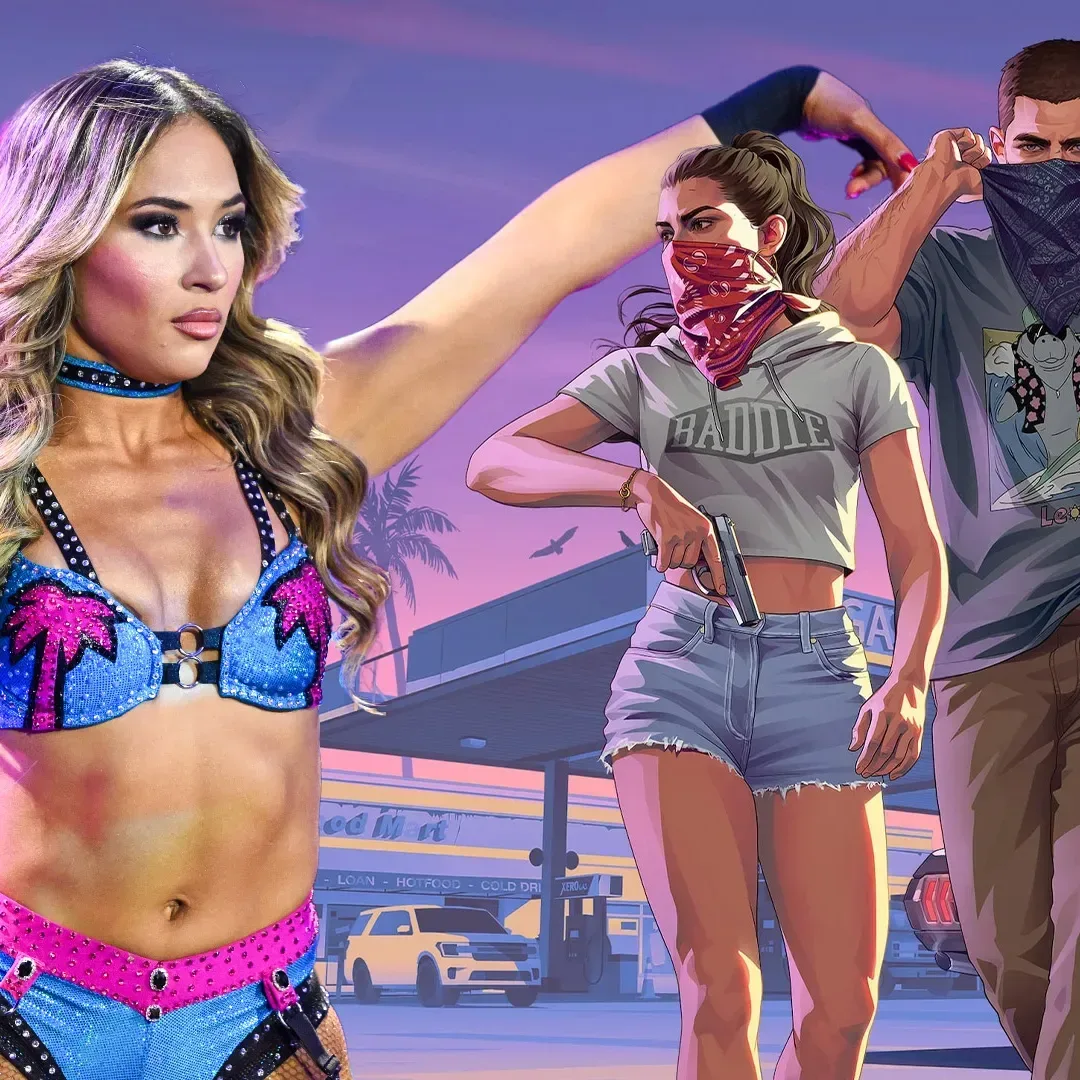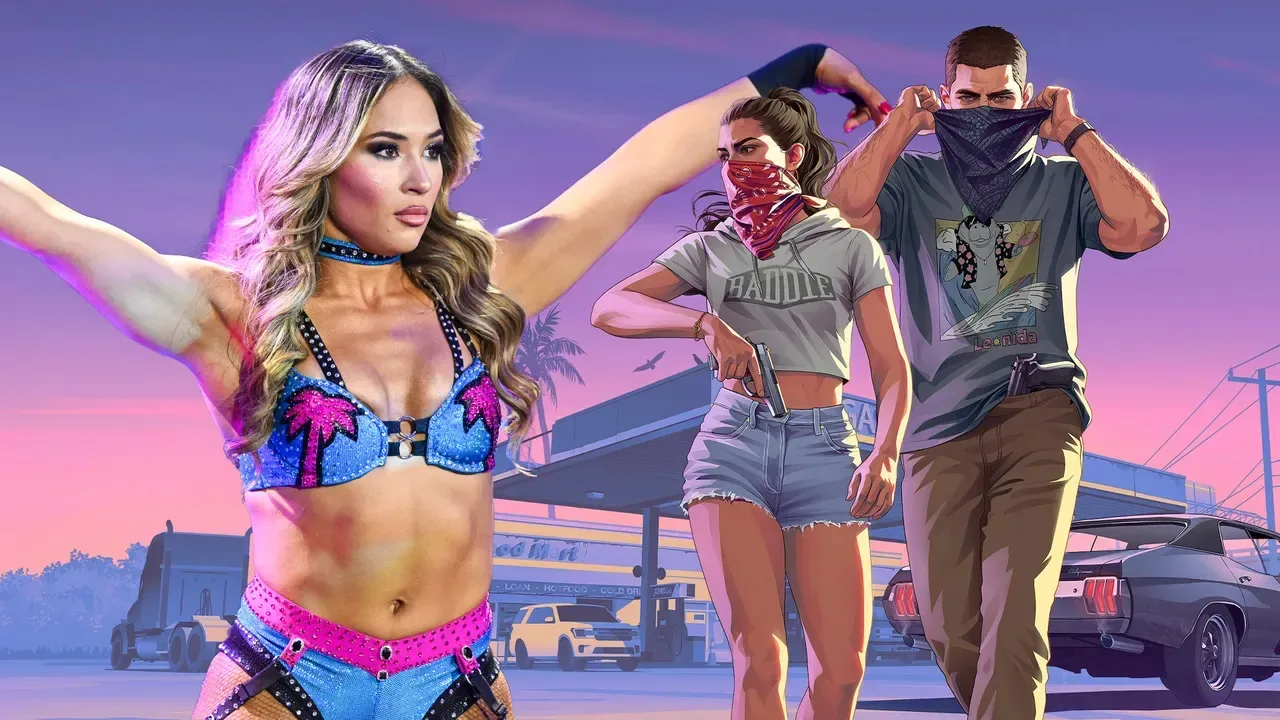
For a brief moment, the words Vice City appeared to be headed toward a very different kind of smackdown.
WWE filed a trademark application for “Vice City” on August 8, but the application was marked dead on September 21. That is the whole confirmed outcome: a filing existed, and it is no longer proceeding. The reason it was abandoned has not been established.
Still, it is difficult to miss the timing. Rockstar Games has used Vice City for more than two decades, first as the setting of the PlayStation 2-era Grand Theft Auto: Vice City and now as the setting for the forthcoming Grand Theft Auto VI. With GTA 6 scheduled to launch on November 19, “Vice City” is not merely a generic bit of atmospheric real estate in the gaming world. It is one of Rockstar’s most identifiable fictional locations.
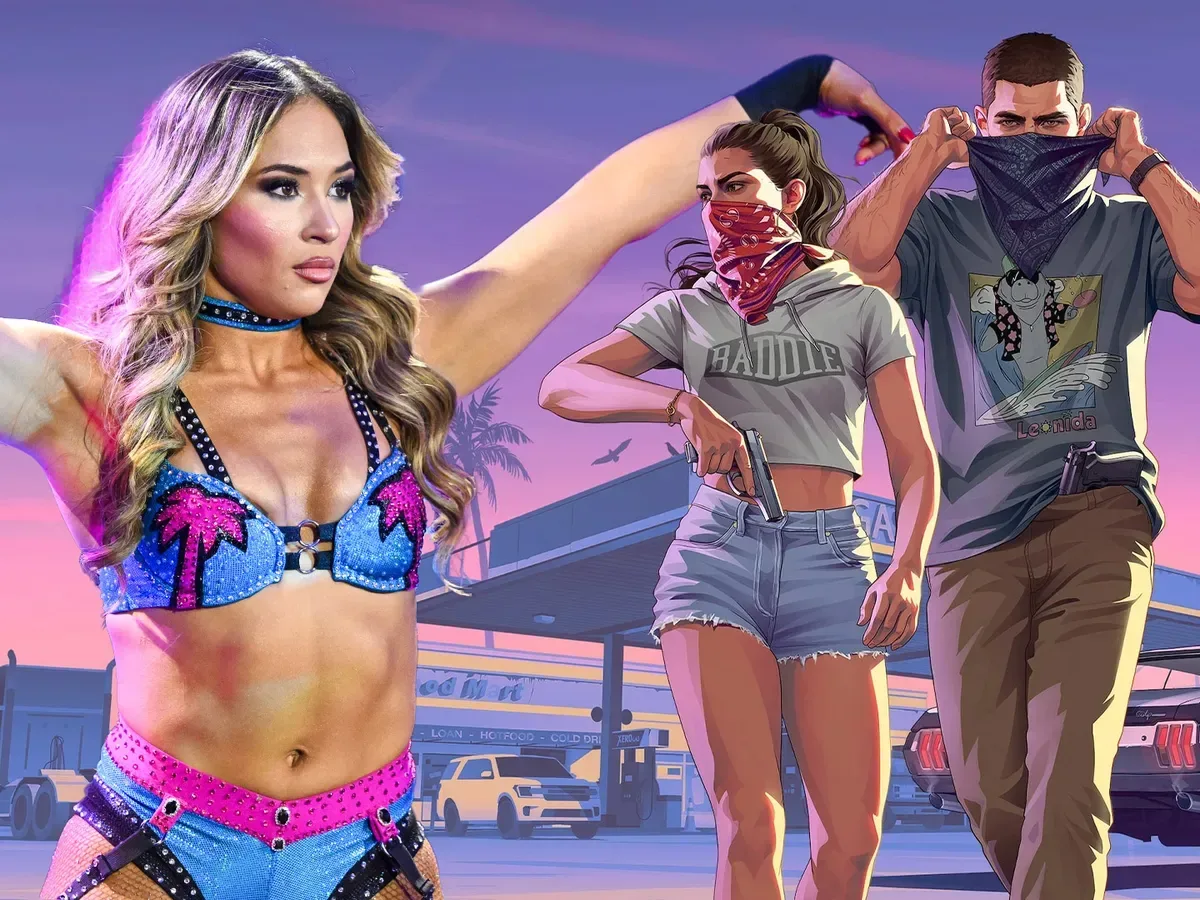
That does not mean WWE was planning a wrestling-flavored carjacking simulator, sadly depriving the world of a steel-chair-assisted wanted level. The more plausible explanation is an intended WWE theme tied to Lola Vice, the wrestler recently promoted to the main roster. Her ring name supplies the “Vice”; her Miami, Florida, roots supply the city connection. Miami is also the real-world basis for Rockstar’s Vice City.
The result is a small but revealing collision between wrestling branding and one of gaming’s largest imminent releases: a two-word phrase can carry vastly different associations depending on where, how, and for which goods or services it is used.
What “dead” means—and what it does not
In trademark-administration language, an application marked “dead” means that application is no longer active. It does not, by itself, tell the public why it stopped. An applicant may choose not to continue, fail to complete a required step, alter its branding plans, or encounter an objection or issue during the process. With no stated reason here, claims that any particular company forced the outcome would be speculation.
It also does not mean that WWE has lost the ability to use ordinary words in every conceivable context, nor that Rockstar owns every possible use of “Vice City” in every field. A trademark is generally about identifying the commercial source of particular goods or services. The key practical concern is consumer confusion: whether buyers could reasonably think one party’s product, promotion, or service is connected with another.
That distinction matters because “Vice City” has a powerful game-specific identity. Rockstar’s long-running use of the name as a GTA setting gives the phrase extraordinary recognition among game players. As GTA 6 marketing accelerates, an entertainment project using the same phrase could invite immediate questions even if its actual subject were wrestling rather than crime fiction.
Related coverage includes WWE's Vice City Trademark Application Has Been Abandoned Ahead of GTA 6.
There is no need to leap from that general principle to an unproven legal narrative. The filing’s dead status is the fact. The possible Lola Vice connection is a sensible reading of the surrounding details. A direct challenge, settlement, or demand from Rockstar has not been demonstrated.
Why Lola Vice is the logical connection
Lola Vice makes the application less bizarre than it initially sounds. WWE regularly builds branding around performers’ names, identities, and presentation, and “Vice City” neatly combines the wrestler’s ring surname with her Miami connection. It could have worked as a themed label for something in WWE’s entertainment ecosystem without suggesting a new game at all.
Yet a concept can be thematically tidy and still become awkward when it overlaps with a giant entertainment brand. Vice City has long been a defining GTA place name, so any effort to formalize it in the run-up to GTA 6 would be read through Rockstar-colored sunglasses almost immediately.
That is particularly true because the game is returning players to the location at the center of the older GTA entry. In other words, this is not an obscure historical Rockstar reference suddenly being revived by fans. It is a current pillar of the next game’s identity.
Rockstar is putting the name in the physical world, too
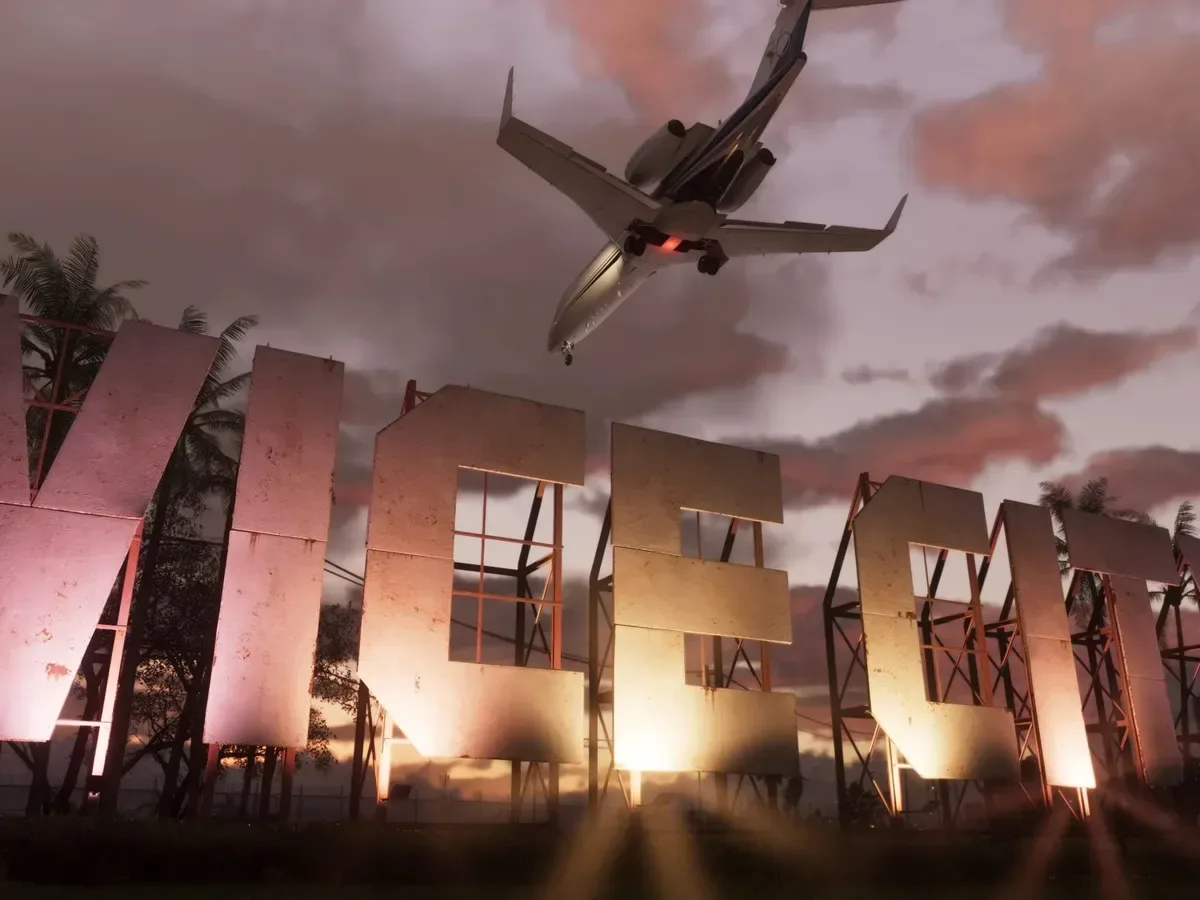
Rockstar’s Vice City push extends beyond trailers and screenshots. Nearly $1 million has reportedly been spent on “Welcome to Vice City” signage in real-world Miami. The campaign turns the fictional setting into a public-facing visual gag and a location-based advertisement at once: Miami is the inspiration, while Vice City is the deliberately heightened GTA version.
That distinction is useful. Miami is a real place that many businesses and performers can reference. Vice City is a fictional setting with a deep, specific association to GTA. The closer a proposed entertainment use moves toward the game’s familiar visual language or audience, the more likely people are to make that Rockstar connection—even before they know anything about a trademark filing.
For fans, the abandoned application changes nothing about GTA 6 itself. It does, however, underline just how much gravitational pull the game’s setting has. Two words once used to title a 2002 game are again doing serious brand work ahead of a new release.
A wrestling nod may already be inside GTA 6
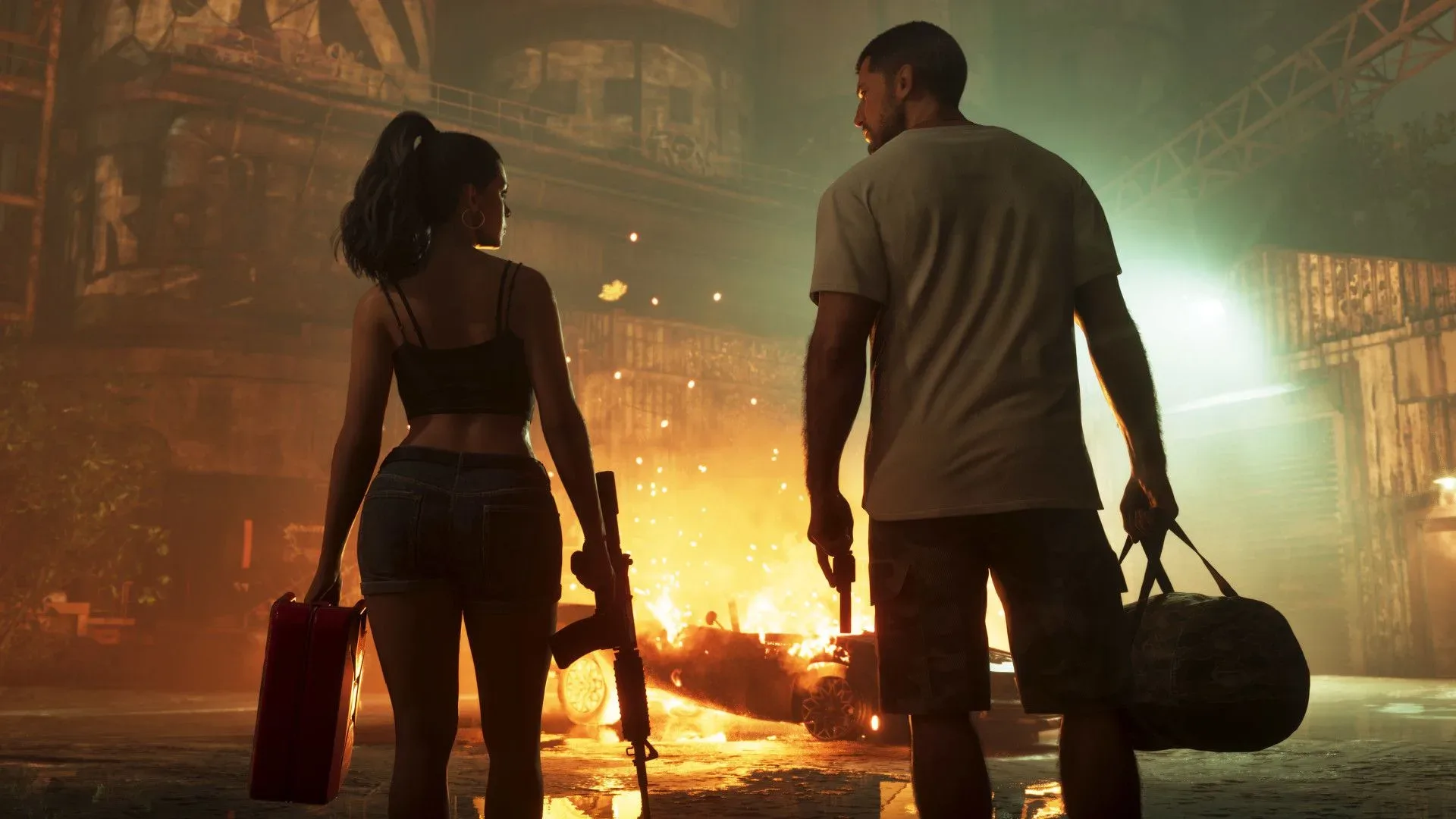
The overlap between the two entertainment worlds is not entirely confined to paperwork. GTA 6’s extended look included what appears to be backyard wrestling among the activities available to protagonists Jason and Lucia. Observers also identified a move resembling John Cena’s Attitude Adjustment finisher.
That should be treated as a nod, not confirmation of a formal WWE collaboration. A move that resembles a famous wrestling maneuver is not the same thing as a licensed appearance, and backyard wrestling is a broad enough idea to fit GTA’s satirical open-world tone on its own. Still, the apparent reference makes the abandoned “Vice City” filing feel even more wonderfully on-brand for an era in which wrestling and Rockstar are orbiting one another from different directions.
The open-world activity detail also illustrates a wider point about GTA anticipation. Seemingly small pieces of footage are being inspected for specific actions, cultural references, and environmental details. That level of attention makes naming and branding around the game unusually conspicuous. A phrase that might otherwise pass by as a local theme becomes a conversation because GTA fans are already primed to watch every Vice City-related signal.
The larger business backdrop
GTA 6’s expected cultural footprint is producing predictions well beyond games. NBA player Steven Adams has suggested the release could cause a “league-wide” performance dip among basketball players and coaches—a humorous but telling measure of the game’s perceived ability to absorb people’s free time.
Rockstar has also been active on several fronts before launch. The studio has removed footage connected to scrapped GTA 5 downloadable content and an early leaked GTA 6 map. It has outlined a new modding policy as well, with hopes for monetized GTA 6 role-playing servers apparently taking a hit. Those developments concern different parts of the GTA ecosystem, but they share a common theme: control over a hugely valuable game world, its pre-release information, and the ways others may build around it.
The WWE filing should not be treated as proof of a wider dispute. But it sits naturally beside that broader atmosphere. Vice City is becoming more visible, more marketable, and more closely guarded as an idea. A short-lived application from a major entertainment company was always going to draw attention.
For now, there is no trademark showdown to watch. WWE’s application is dead, Rockstar’s GTA 6 is still headed for November 19, and Lola Vice remains the most grounded explanation for why wrestling briefly wandered into a naming lane dominated by neon, palm trees, and fictional Florida mayhem. For more on the business questions emerging around game platforms and ownership, see our look at Sony’s proposed AI PlayStation support system and its privacy implications.