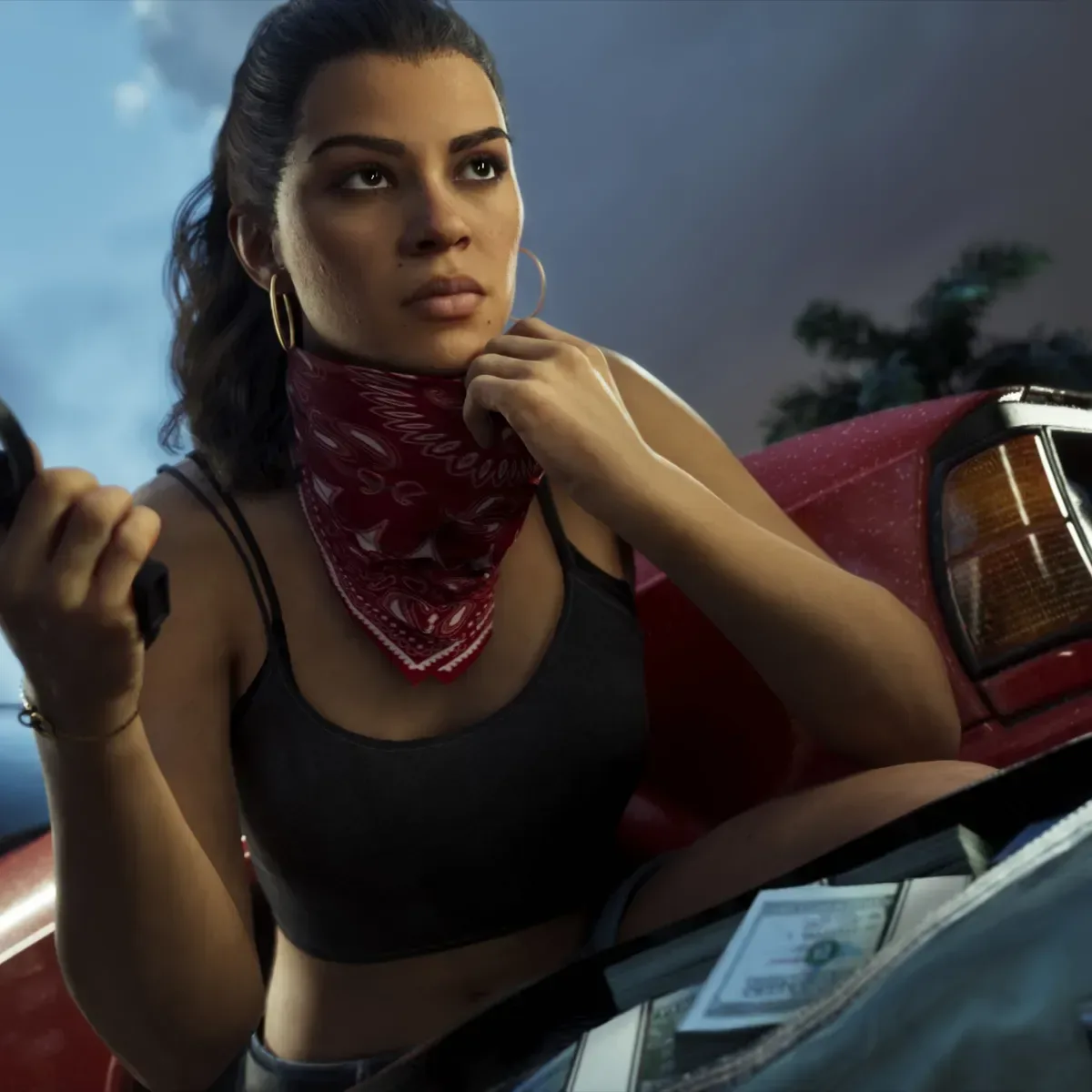
Tokyo Toni has addressed a circulating GTA VI clip in which fans believe an NPC standing outside a shoe store bears a strong resemblance to her. Her initial reaction was not a declaration of recognition, but disbelief at how convincing the character looked—and skepticism that the resemblance alone proved anything.
“That could be anybody,” Toni said while responding to the footage, questioning why viewers were certain the person in the game was meant to be her. That distinction matters: the clip has prompted a fan theory, not a confirmed identification from Rockstar Games or Tokyo Toni.
The story became more interesting when Toni shifted from reacting to the resemblance to considering what an official connection could look like. While speaking with an AI chatbot, she asked how she might reach Rockstar Games about collaborating. The chatbot apparently read the question as a possible legal dispute, a framing Toni rejected. Her interest, she made clear, was in appearing more directly in the game world—complete with her mannerisms and a character built around her personality.
A lookalike claim, not a confirmed GTA VI cameo
It is tempting to treat an immediately recognizable NPC as evidence of a celebrity cameo, particularly in a series whose environments are built to reward close observation. But the available information supports a narrower conclusion. Fans have connected Tokyo Toni to an NPC seen outside a shoe store, and Toni has seen the comparison. Neither point confirms that she provided a likeness, voice work, performance capture, or permission for the character.
That is more than a legalistic caveat. A character can evoke a public personality through broad styling, attitude, timing, clothing, setting, or the audience’s own pattern-recognition without being a literal depiction. It can also simply be a coincidental resemblance intensified by social-media circulation. A short clip is especially vulnerable to this effect: viewers see a face, hear a few lines of dialogue, and rapidly turn a possibility into an established claim.
For now, the cleanest description is that this is an alleged Tokyo Toni-inspired NPC. That wording preserves the appeal of the moment without assigning authorship or intent that has not been established.
Why Toni’s response changed the conversation
The entertaining part is not solely the possible lookalike. It is the way Toni turned an uncertain fan observation into a public pitch for something official. Rather than presenting her reaction as a demand for damages, she described wanting a chance to embody the role herself. Her comments focused on a character with her “same mannerisms” and on being able to bring that energy into GTA VI.
Her language was blunt and confrontational in the performative way fans may associate with her public persona, but the underlying request was straightforward: if players already think a character resembles her, why not explore an authorized partnership and compensate her for it? It is a pitch rooted in visibility rather than a claim that a deal already exists.
The chatbot exchange also supplied an accidental joke at the center of the story. Toni was asking how to contact a major game company about a collaboration; the AI interpreted the scenario as a possible attempt to sue. That mismatch illustrates a practical limitation of automated assistants: they can latch onto risk-related language or a familiar dispute pattern while missing the actual intent of a question. In this case, Toni had to correct the premise before returning to the idea she was actually pursuing.
What an official collaboration would require
Nothing in the circulating discussion shows that Rockstar Games has contacted Toni, offered a role, or agreed that the NPC was inspired by her. Still, the response raises a useful question about what “getting on the character” means in game-development terms.
An official appearance can take several forms. A performer might contribute a voice only, play a fictionalized version of themselves, approve a visual likeness, record facial or body performance, or provide writing input for dialogue. Those possibilities are not interchangeable. A voice cameo does not necessarily involve a scanned face; a celebrity-inspired character is not necessarily a celebrity playing themselves; and a social-media rumor is not an agreement.
Toni’s comments appear to point toward the most expansive version: a character whose delivery and persona are deliberately hers. That would require a direct arrangement with the developer or publisher and, depending on the form of the project, decisions about how her identity would be used. Until either party says more, it remains an aspiration voiced in response to a viral clip.
There is also a creative reason the distinction matters. GTA’s large urban worlds depend on incidental NPCs—background characters who help a street, storefront, or neighborhood feel active. Their dialogue can be memorable even when they are not central to a mission. The alleged lookalike’s placement outside a shoe store is part of why the clip caught attention: a quick, specific street-level encounter can feel like a deliberate cultural reference to viewers even without a name attached.
NPC, cameo, and parody: the terms behind the debate
NPC
NPC means non-player character: any character controlled by the game rather than by a player. The term covers mission-givers and major supporting players, but also pedestrians and people encountered in ambient scenes. The NPC at the center of this discussion appears to be the latter type based on the limited description available.
Official cameo
An official cameo is a credited or otherwise acknowledged appearance arranged with the person involved. It may involve a real name and likeness, or a version adapted for the game. No official status has been established here.
Inspired-by character
An inspired-by character is a label audiences often use for someone who seems to share recognizable traits with a real figure. It is inherently less certain than an official cameo because resemblance can be subjective. Fans may be right, wrong, or identifying an influence that was never intended by the creators.
Those categories should not be collapsed just because an NPC is visually striking. In the current situation, “fan-identified resemblance” is the evidence-supported category; “official Tokyo Toni character” is not.
What fans should watch for next
The next meaningful development would be a direct statement from Rockstar Games, Tokyo Toni, or a representative confirming whether there is any relationship between her and the character. A genuine collaboration could also surface through credited material, an announced partnership, or a clear acknowledgment tied to the game. Until then, reposted clips and commentary can show how strongly people read the resemblance, but cannot settle it.
For players, the episode is also a reminder to separate discovery from verification. A funny street encounter may be worth sharing on its own terms. The claim that it depicts a particular real person is a second, higher bar. Treating that line carefully lets the mystery stay fun without turning speculation into false certainty.
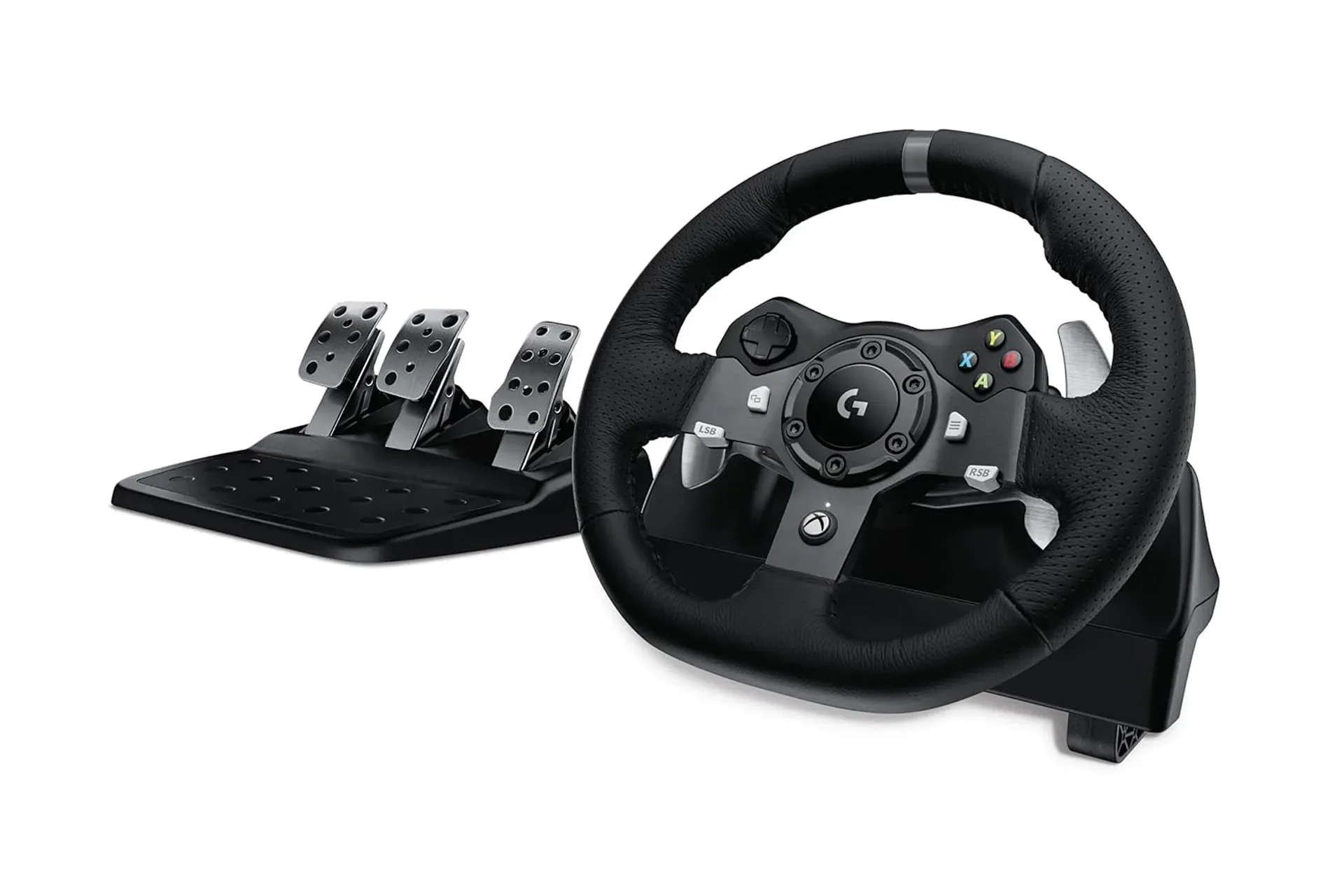
If GTA VI eventually supports the kind of road-heavy play its name suggests, players building out a compatible driving setup may also be interested in this Logitech G920 wheel and pedals listing for Xbox and PC. It is separate from Toni’s possible collaboration, of course, but it reflects the broader excitement around being immersed in a huge open-world driving game.
For her part, Toni has supplied a memorable answer to an unverified resemblance claim: she is unconvinced the NPC is meant to be her, but open to making the connection official if Rockstar Games wants to talk. That leaves the ball with the developer—and leaves fans with a particularly lively GTA VI theory to keep debating.