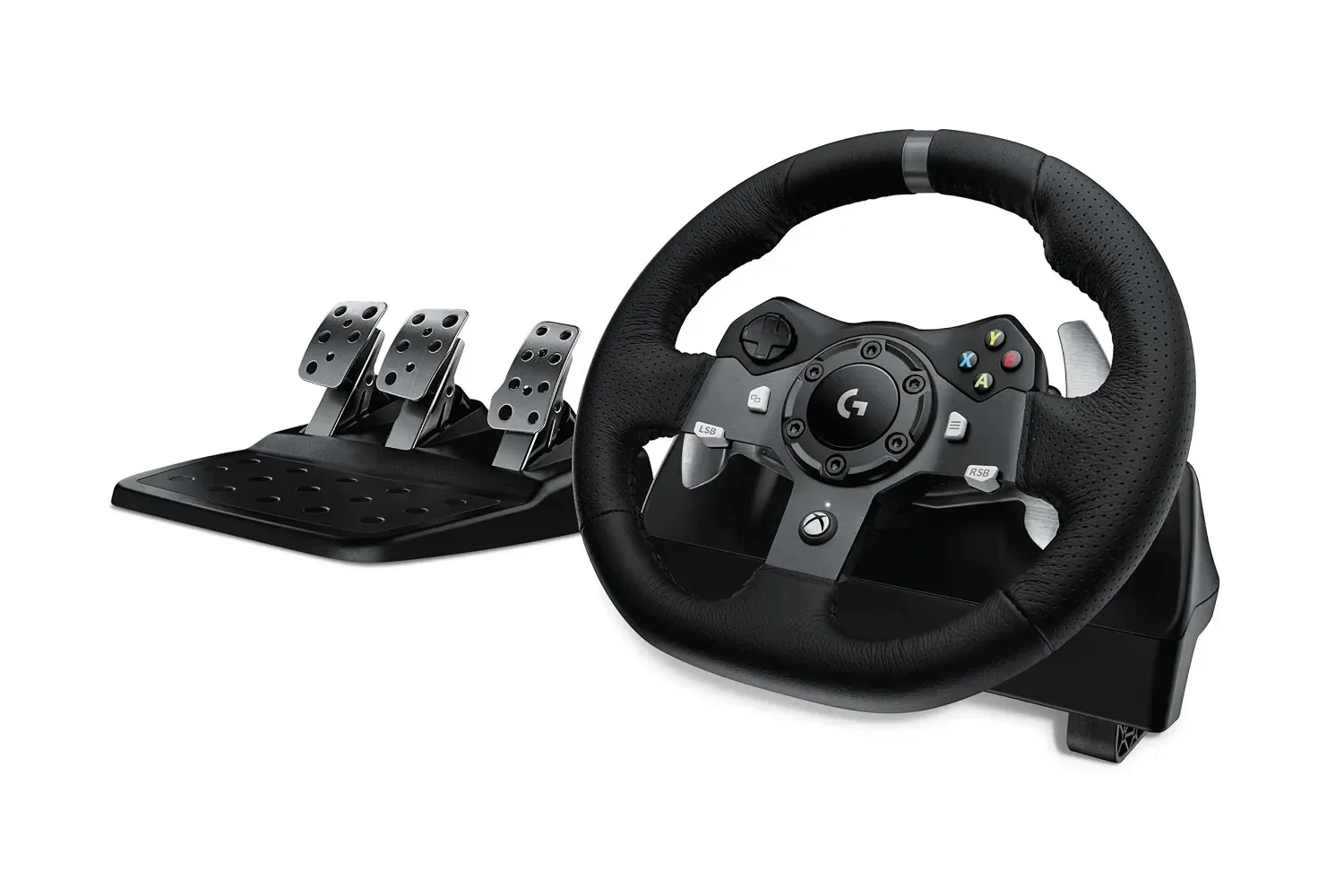
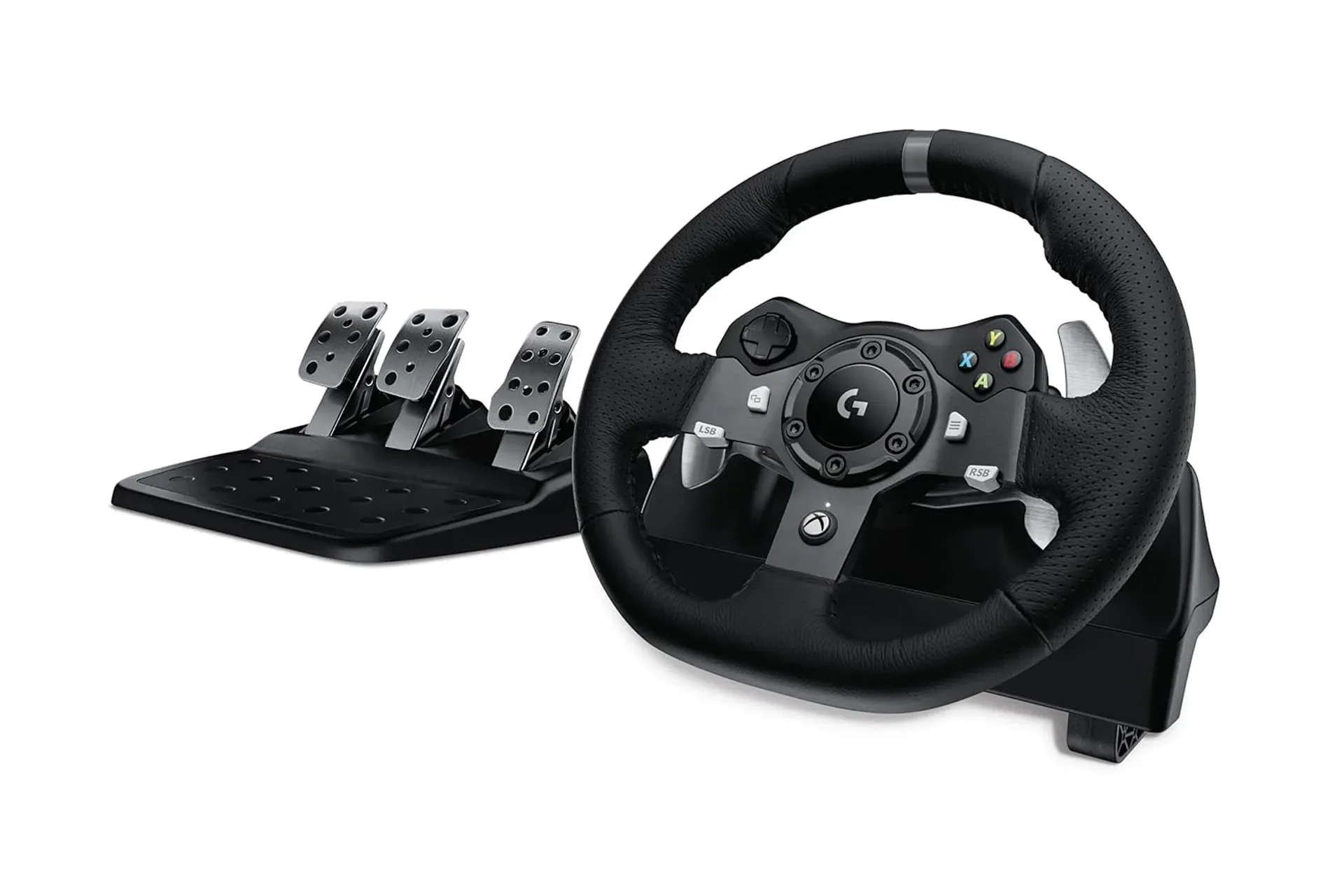
Logitech’s G920 racing wheel and pedal set is listed at $199, down from $299, a 34% reduction. The deal applies to the model designed for Xbox Series X|S, Xbox One and PC, giving racing-game players a comparatively accessible route from a controller to a dedicated wheel-and-pedal setup.
That distinction matters. A wheel is not simply a larger controller with a circular grip. Its purpose is to give driving games physical steering range, separate pedals, and—most importantly—resistance through the rim. The G920 uses force feedback through helical gearing, while its three-pedal unit includes a brake designed to respond nonlinearly to pressure. Together, those elements aim to make vehicle behavior easier to interpret through the player’s hands and feet rather than entirely through visual cues.
For someone deciding whether sim racing is worth the desk space and learning curve, the G920 sits between a standard controller and a more costly direct-drive arrangement. The current listed price is the practical headline, but compatibility, mounting plans and expectations around the pedals are equally important considerations.
What force feedback changes in a racing game
Force feedback is the system that sends resistance and movement back through the wheel. In this case, the G920 can push against the driver’s steering inputs when a car loses traction, crosses a curb or becomes light over a crest. Rather than merely turning an on-screen steering animation, the player receives a physical indication that the car is behaving differently.
This feedback does not replace the game’s visual and audio information. It adds another channel for reacting to it. A driver can use the weight and resistance at the rim to judge when a car is beginning to slide or when a surface change has unsettled it. That is the central appeal of a wheel setup: driving inputs become more deliberate, and corrections can be based on what the wheel communicates as well as what is visible on screen.
The G920’s helical gearing is intended to provide smoother, quieter steering behavior. Gearing describes the mechanical system that transfers the motor’s force to the wheel rim. The practical takeaway is not that every game will feel identical, but that the wheel is built around tactile feedback instead of the relatively limited vibration found in a conventional gamepad.
That can be especially relevant in games such as Forza Motorsport, Assetto Corsa and the F1 series, all identified as supported examples for the Xbox and PC-oriented G920. A controller remains a valid way to play any of them, particularly for casual races. A wheel, though, asks the player to manage steering angle and pedal application in a more physical way.
900 degrees of rotation is more than a specification
The G920 provides 900 degrees of lock-to-lock rotation, or two and a half full turns from one end of its steering range to the other. In simple terms, that leaves room for hand-over-hand steering rather than limiting inputs to the short travel of an analog stick.
Related coverage includes Logitech G920 Racing Wheel Drops to $199 for Black Friday.
More steering range can make slower, more precise maneuvers feel less abrupt. It also fits the kind of wide steering motion associated with road cars and can be useful in rally-style situations where drivers may need larger corrections. It does not automatically make anyone faster: greater rotation also means the player needs to learn how much wheel movement a game expects. The benefit is finer physical control and a steering action that more closely resembles a wheel than a thumbstick.
The rim has a hand-stitched leather cover, while stainless-steel paddle shifters sit behind it. Paddle shifters allow gear changes without moving a hand away from the wheel, which is useful for players who use manual shifting but do not want a separate shifter immediately. The G920 connects over USB, keeping the basic connection approach straightforward for its supported platforms.
The pedals may matter as much as the wheel
Steering is only one side of driving accurately. The included pedal set is a major part of why a wheel setup can change the experience. The G920 brake is described as pressure-sensitive and nonlinear. In everyday terms, braking response is intended to reflect how hard the pedal is pressed rather than behaving as a simple, uniform relationship between travel and braking effect.
That matters for trail braking, a driving technique in which braking pressure is progressively released while a car enters and begins to turn through a corner. The technique is not a shortcut that works in every situation, and its effectiveness depends on the game’s driving model. But a brake that supports more nuanced pressure changes gives players a more appropriate physical input for attempting it than a binary button or a short trigger movement.
The pedal faces are adjustable, and the pedal base is designed to remain stable through longer sessions. Those details are worth considering before purchase because a pedal set needs somewhere solid to sit. A wheel clamped to a desk and pedals that drift across the floor can undermine the very consistency the setup is meant to provide. Buyers should assess the available space around their chair, desk or other mounting surface before treating the price alone as the decision.
A sensible first step, not a full racing rig in a box
The G920 is positioned as an entry point for people who want force feedback and dedicated pedals without immediately committing to a premium direct-drive rig. Direct drive refers to a higher-end wheel approach in which the wheel is connected more directly to a motor. The available information frames the G920 as the less expensive middle ground: more involved than a controller, but not an all-in commitment to an elaborate simulator setup.
That middle-ground position is also reflected in expandability. Logitech’s separate Driving Force Shifter can be added for a six-speed H-pattern manual layout. An H-pattern shifter is the familiar manual-gear arrangement in which the lever moves through gates laid out like an H. It is optional rather than necessary; the wheel’s paddle shifters already provide a way to change gears. The additional shifter is for players who specifically want that manual shift action.
Mounting is the other upgrade path. The wheel can be used with desk clamps, and a full racing-rig mount is another option for players whose setup grows beyond a desk or coffee table. Starting with a stable clamp solution can make sense for a first wheel. A dedicated rig may be more relevant later for players who know they will spend extended time racing and want a fixed position for the wheel and pedals.
Compatibility is the purchase check that cannot be skipped
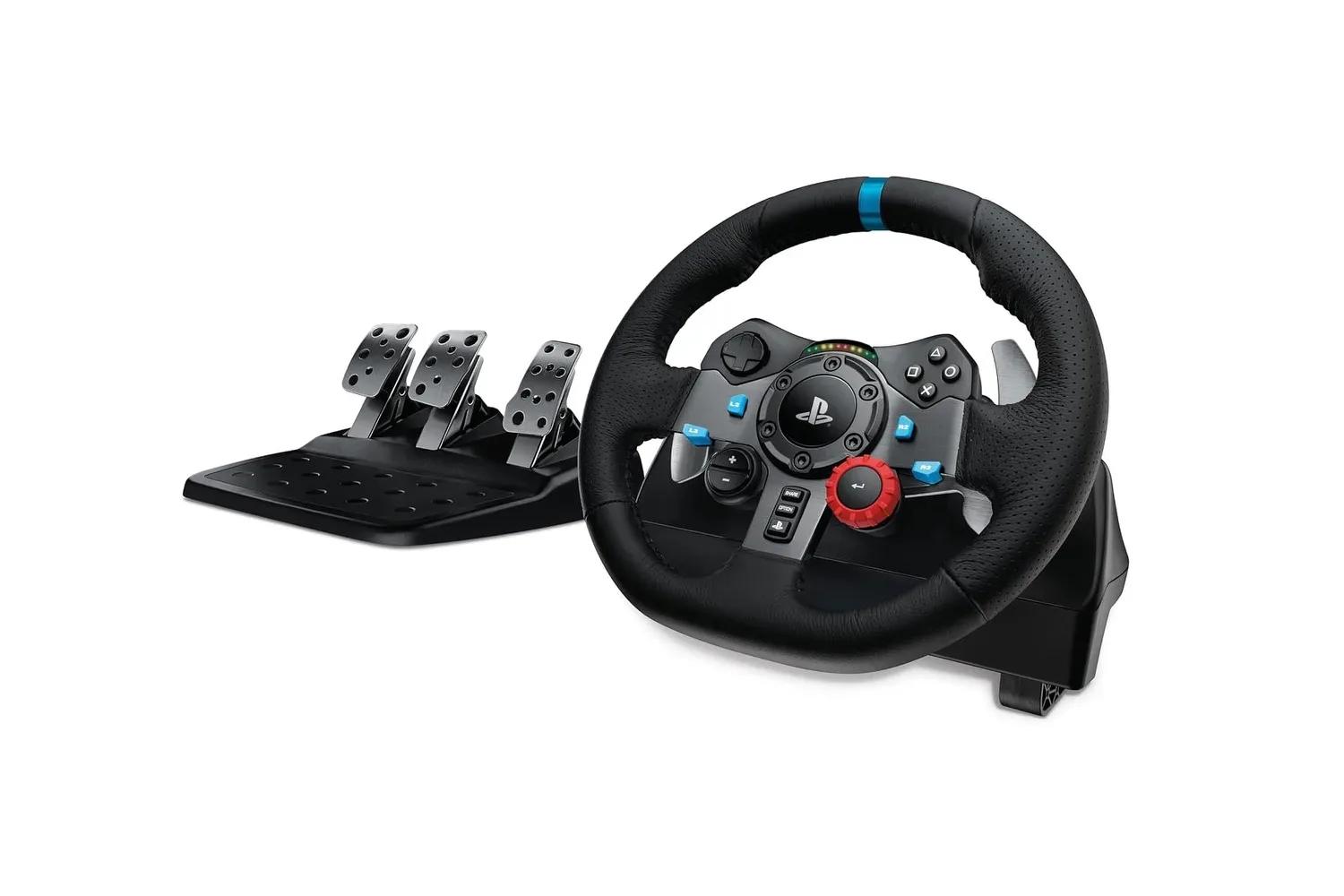
The listed G920 is optimized for Xbox Series X|S, Xbox One and PC. That is the version to consider for those ecosystems, not a universal wheel for every console. Players using PlayStation hardware should not assume this is the compatible choice: a separate PS5 and PS4 version is listed instead.
It is also useful to distinguish platform compatibility from game support. The wheel is made for the stated Xbox and PC platforms, while individual games need to support wheel inputs and force-feedback behavior. The cited examples—Forza Motorsport, Assetto Corsa and the F1 series—give prospective buyers a starting point, but checking a player’s intended game is still the careful move before committing to any hardware.
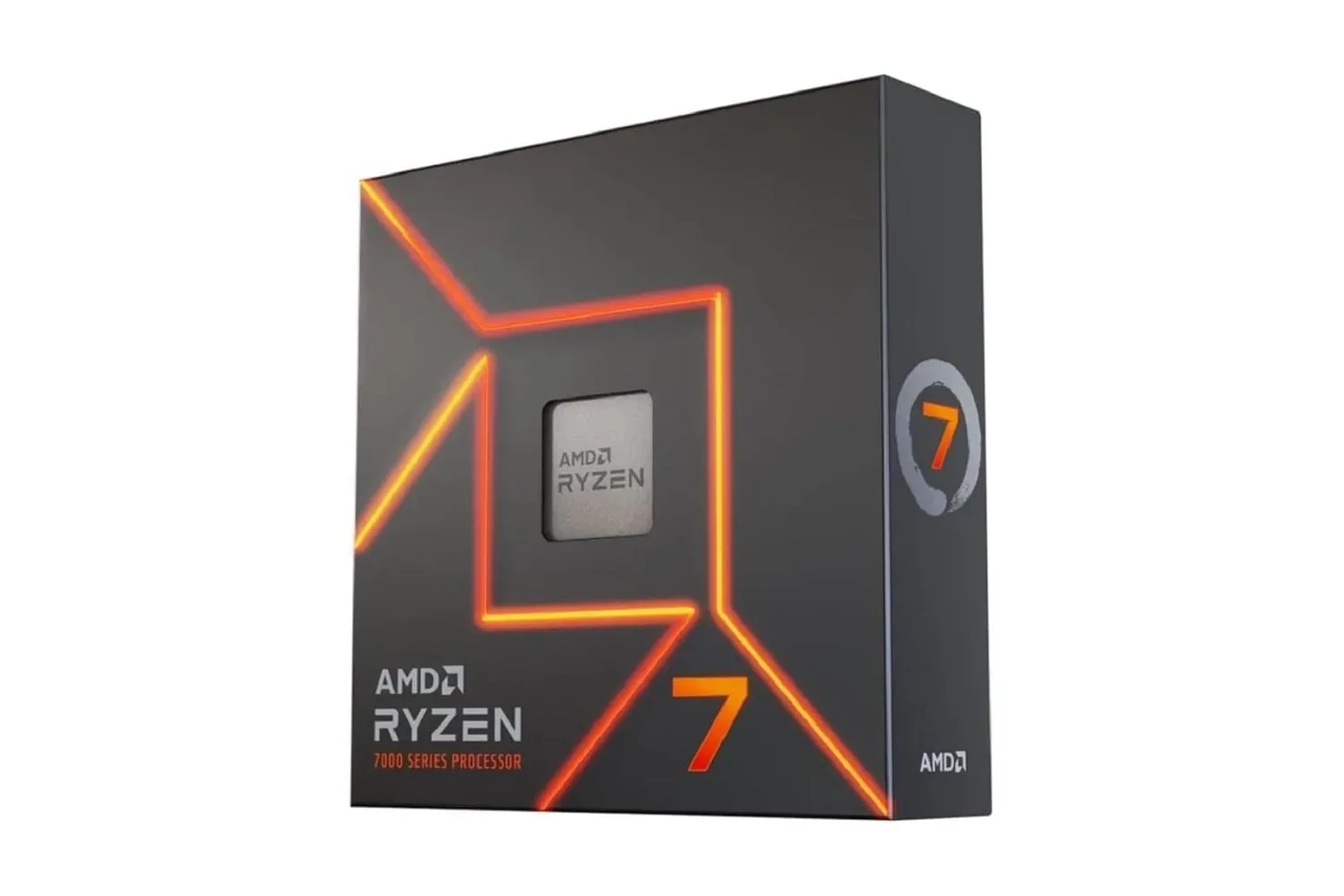
PC players assessing a broader racing setup may also be looking at the machine behind the wheel. For anyone timing a hardware upgrade around seasonal sales, this AMD Ryzen 7 9800X3D listing at $369 with an Amazon coupon is another current PC-focused deal to weigh separately. A processor and a wheel solve different problems, of course: one concerns system hardware, while the G920 concerns the controls used once a racing game is running.
Who the $199 G920 listing best suits
- Xbox and PC racing-game players who want to experience force feedback and pedals without beginning with a direct-drive setup.
- Players moving beyond a controller and willing to learn more deliberate steering and braking inputs.
- Fans of supported circuit, rally and Formula-style racing games who value wheel rotation, paddles and tactile road feedback.
- People with a workable mounting plan, whether that is a desk clamp now or a more substantial rig later.
It is a less clear fit for PlayStation-only players, given the platform-specific versions, or for anyone without a stable place for the wheel and pedals. It may also be unnecessary for players satisfied with a controller and not interested in the more physical, sometimes more demanding control style that a wheel requires.
At the listed $199 price, the G920’s appeal is not based on being the most elaborate sim-racing solution. It is the combination of geared force feedback, 900-degree steering, adjustable pedals and a defined Xbox/PC compatibility range. For the right player, those are the features that turn a racing game from something controlled with small stick movements into something driven with hands and feet. As with any limited-time retail listing, the displayed price and bundle options can change, so buyers should verify the current listing and select the correct platform version before checkout.
Shop the products
Check current price, model and availability at the retailer.