Grand Theft Auto 6’s biggest mysteries may not be hidden behind a locked door or buried at the end of a collectible trail. They may simply be places that exist on the map without a present-day purpose.
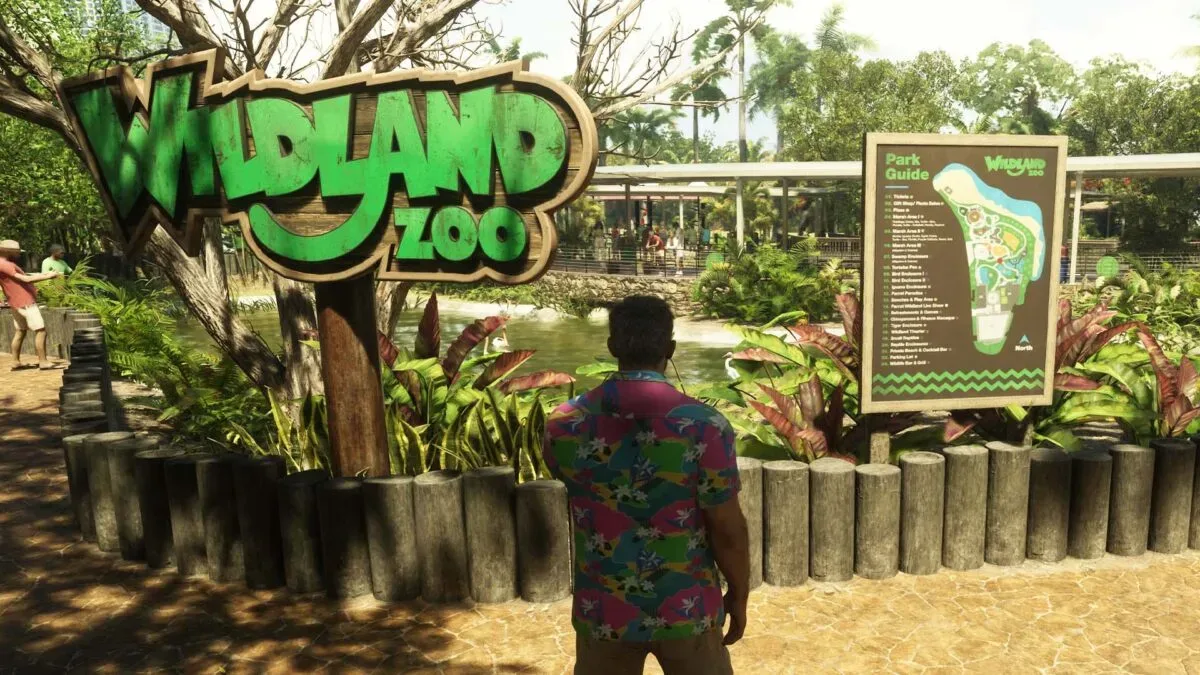
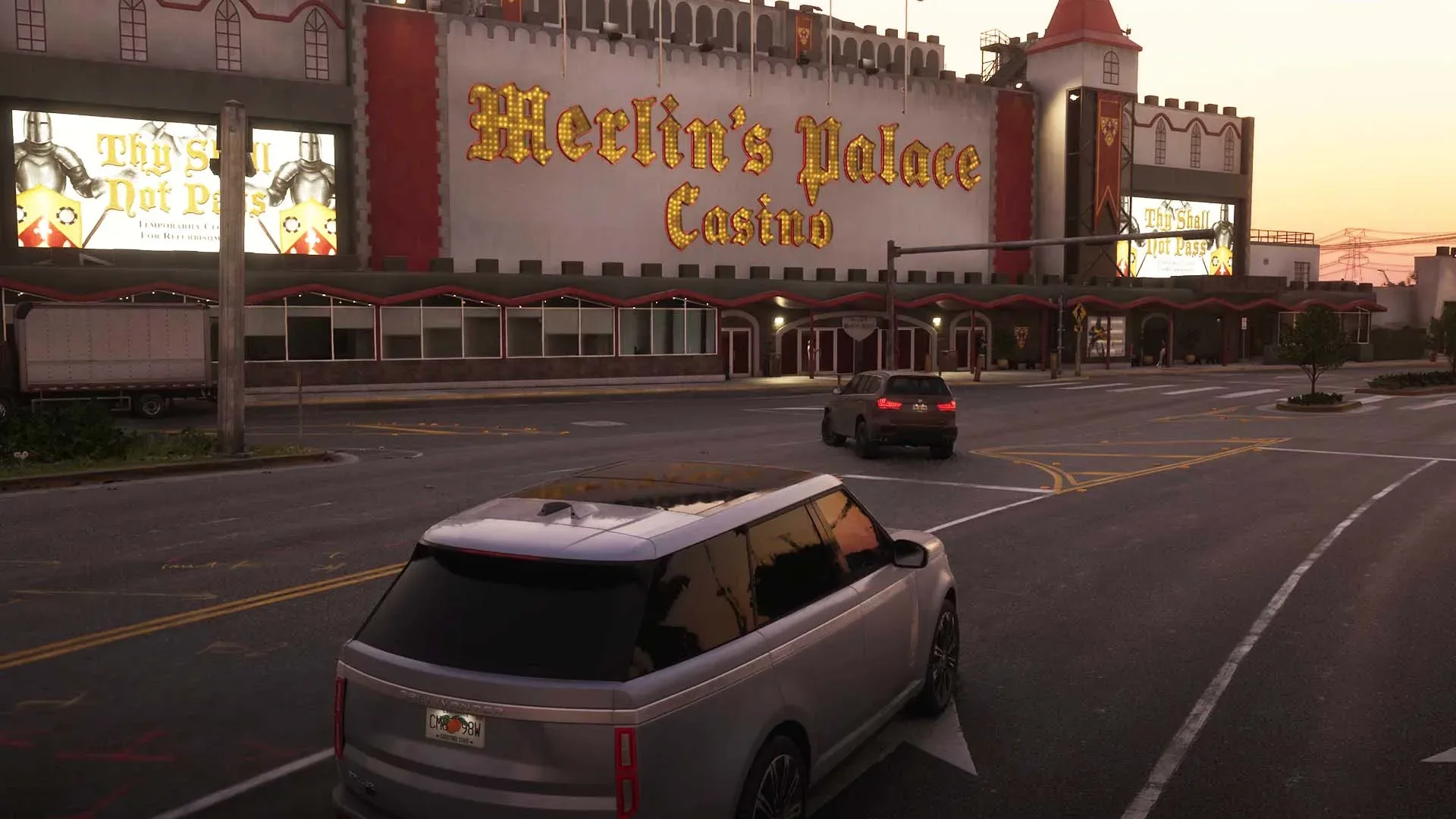
Rockstar vice president of design Stephen Donkin has said the GTA 6 map was built for the long term, with certain areas left available should a gameplay or narrative need emerge later. The comment gives useful context to several substantial locations that players can find but do not currently enter or visit as part of the story, including at least two large casinos, a detailed zoo, a large graveyard and a small town in the north.
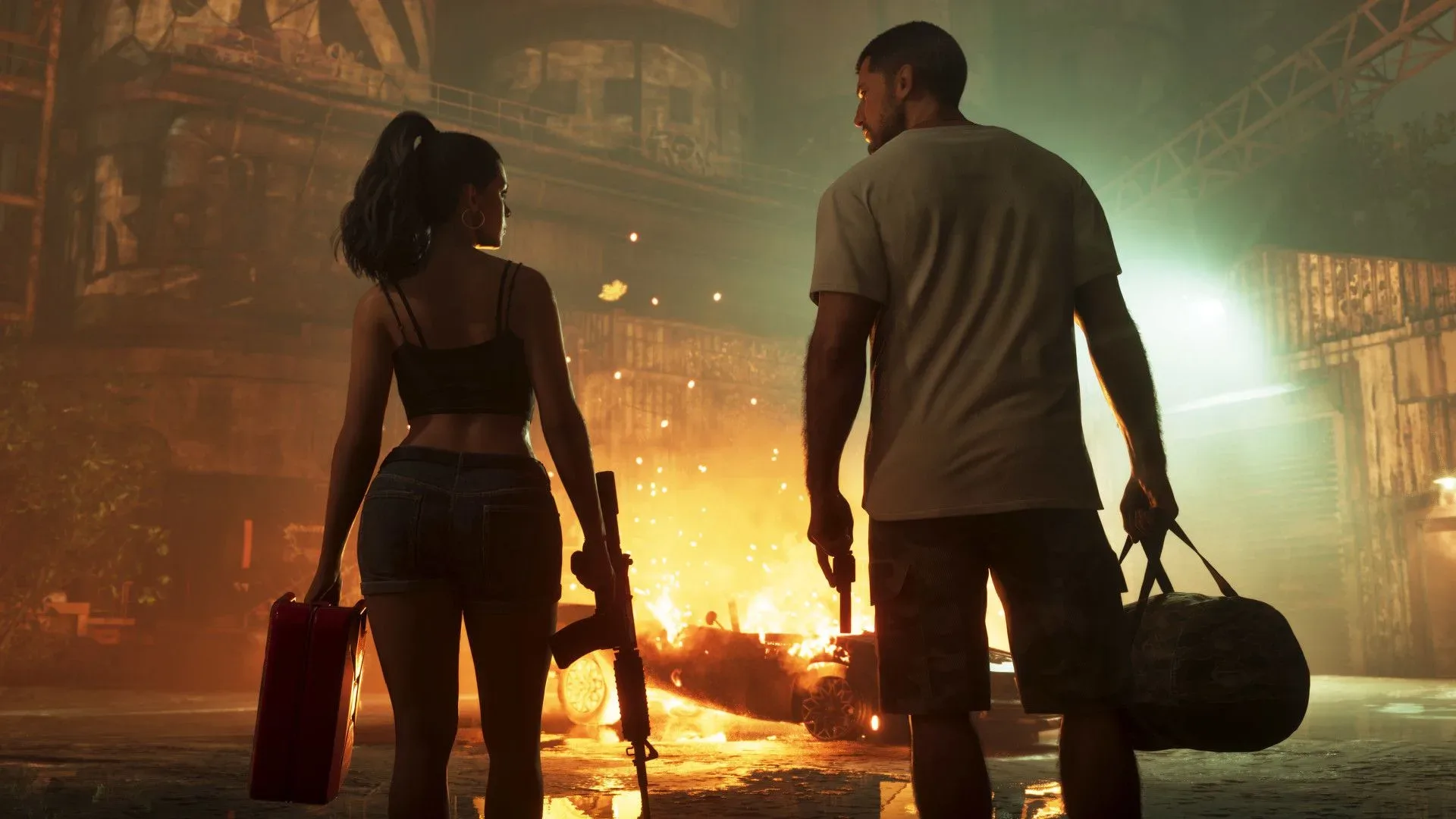
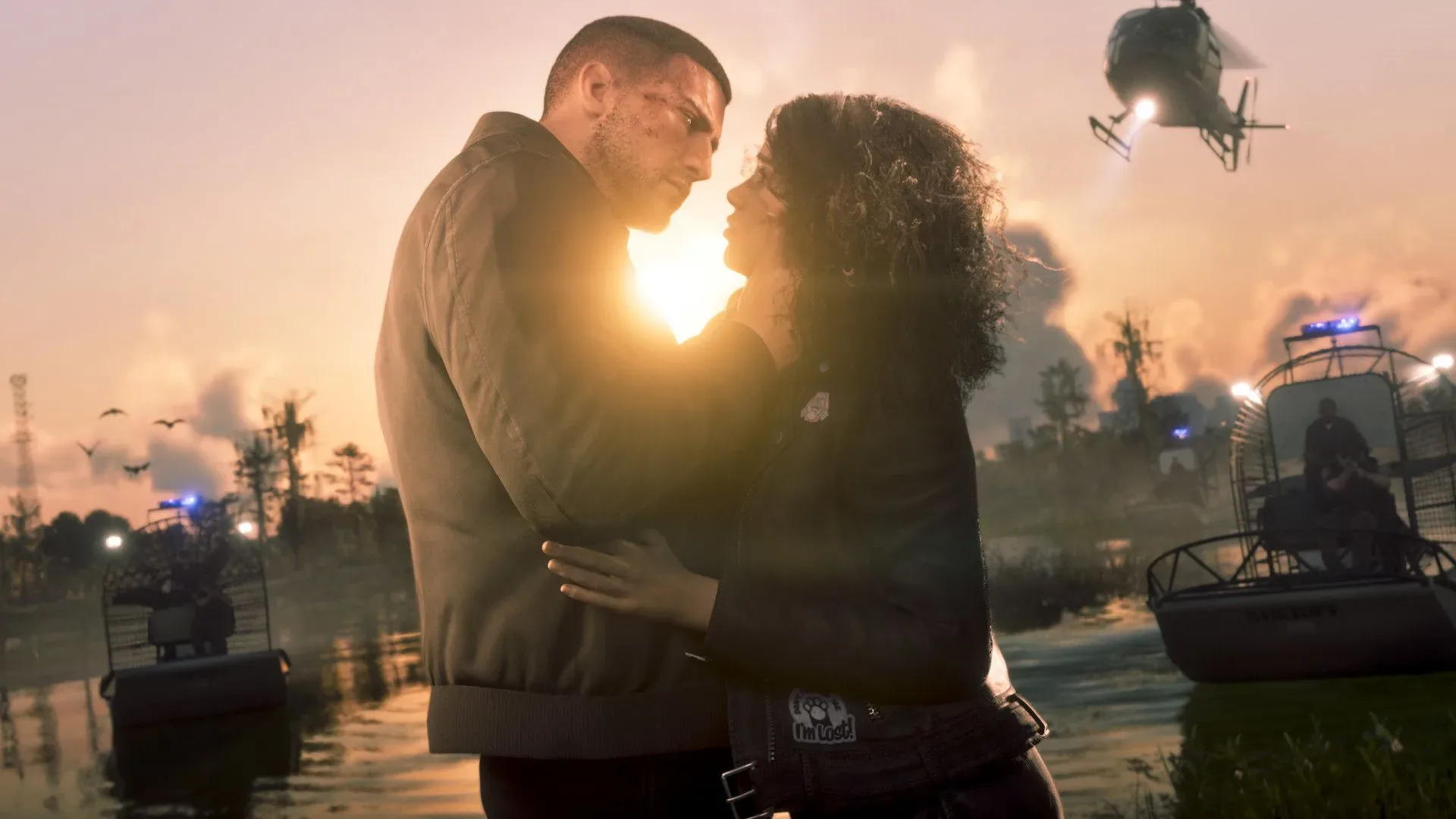
That does not confirm any particular expansion, update, online mode, mission chain, casino minigame or future release. Rockstar did not identify what will happen in those spaces, when it might happen, or whether every unused location is reserved for future use. But it does establish an important design principle: parts of the world were made to keep options open, rather than solely to serve the immediate arc of protagonists Jason and Lucia.
Why the casinos are present but unavailable
The casinos are the clearest example because of their scale and their apparent absence from the current narrative. They cannot be entered, and neither the main story nor the side missions referenced here send players inside. In an open-world game, that sort of boundary can initially look like a missing interaction. Rockstar’s explanation instead frames it as a deliberate decision tied to narrative tone and economy design.
Donkin said Jason and Lucia’s story was not the right setting in which to introduce gambling, particularly given the balance Rockstar wanted for the game’s economy. An in-game economy is the system governing how players earn, spend and retain money, whether that cash is used for weapons, vehicle work, other services or progression-related purchases. Its balance determines what feels costly, what feels attainable and how quickly a player can accumulate purchasing power.
GTA 6 reportedly makes money more consequential than earlier Grand Theft Auto entries. Cash can be difficult to build up when a player needs a gun or wants to repair or modify a vehicle. That makes a casino unusually complicated. If gambling had generous payouts, it could flatten the intended money curve by allowing players to obtain large sums outside the activities the story and economy were built around. If it had poor payouts or severe restrictions, it could feel like decoration rather than a meaningful feature.
There is also the issue commonly called save-scumming: reloading an earlier save after an unfavorable result, then repeating a chance-based activity until it produces a win. The term is informal, but the design problem is real. In a game that permits players to retry outcomes, a high-reward gambling system can become a shortcut to cash rather than an optional risk. Rockstar’s comments suggest that avoiding such a shortcut mattered more than making the casinos usable in this version of Jason and Lucia’s story.
“The map has been built for the long term and with many factors in mind,” Donkin said, adding that some spaces provide options if a gameplay or narrative need arises.
Related coverage includes Rockstar Says GTA 6's Unused Map Spaces Were Built With the Future in Mind.
Unused does not necessarily mean unfinished
It is tempting to treat every inaccessible building in a large map as evidence of cut content. That conclusion is not supported here. A world can include a location because it enriches the setting, establishes the scale of a city or region, supports exploration, or provides an opportunity that the development team may choose to use later. Rockstar’s statement places some GTA 6 spaces in that last category: intentional capacity for potential future needs.
That distinction matters. “Unused” describes the player’s current relationship with an area; it does not tell us why the area was built. The zoo, graveyard and northern town may be environments players can encounter and explore without becoming formal mission venues. Their detail gives the map texture even when the story does not direct anyone there. At the same time, the studio says at least some such spaces give it flexibility.
Flexibility can take several forms without amounting to a promise. A future narrative could need a distinct setting with a specific atmosphere. A gameplay activity might work better in an already established district than in a newly introduced place. A later update might benefit from a location that feels like it has always belonged to the game world. These are explanations of the options Rockstar described, not claims that any one idea is planned.
A large map is not the same as a checklist
The report that more than 130 hours of play still left multiple locations unvisited underlines an increasingly important open-world design question: must every place be part of the critical path? GTA 6 appears to answer no. The main narrative can retain a focused route through the world while the wider map contains places players discover only through wandering.
That approach changes how players should read the map. An overlooked location is not automatically a secret with an immediate reward, and an obvious landmark is not automatically an activity hub. Some places may be there to make the state feel inhabited and geographically varied. Others may presently be exploratory destinations with no mission marker attached. And a select group may have been positioned with an eye toward future utility.
For players, the practical implication is simple: exploration still has value even where a location does not currently offer an interior, quest or purchasable activity. There is room to roam outside the core plot, and the existence of unexplored corners means the game is not structured so that finishing every story mission equals seeing every meaningful part of its environment. Players seeking completion-oriented goals should also distinguish those goals from general map discovery; GTA 6’s reported achievement and trophy list includes both full-completion requirements and stunt-related targets, as detailed in the GTA 6 trophy and achievement breakdown.
What Rockstar actually confirmed—and what remains speculation
The confirmed point is narrow but significant: Rockstar says the map was designed for the long term, and some areas preserve options in case future gameplay or narrative needs arise. The casino decision was also intentional, connected to the current story’s fit and the desired balance of its economy.
Everything beyond that needs careful language. It is reasonable to infer that GTA 6 has been made with adaptability in mind. It is not reasonable, on this information alone, to declare that casinos will open, that the zoo will host missions, that the graveyard hides a future storyline, or that a specific online component is on the way. “Could be used” is very different from “will be used.”
That uncertainty is especially relevant because an inaccessible landmark creates its own speculation loop. Players notice it, ask what it is for and begin assembling theories from its scale or detail. Rockstar’s comment explains why the question exists without resolving it. The studio has provided a philosophy of map construction, not a roadmap.
Economy design may be the real story
The casino explanation is more revealing than it first appears. In many open-world games, money becomes abundant enough that ordinary purchases stop carrying much weight. Rockstar’s comments indicate that GTA 6 aims for a different relationship with cash, at least during Jason and Lucia’s story. When money has pressure attached to it, decisions about weapons and cars become part of the player’s wider planning rather than background transactions.
Introducing an activity capable of sharply changing a player’s bank balance would therefore affect more than one building on the map. It could alter the perceived value of missions, undermine the pacing of upgrades, and remove some of the friction that makes earning money matter. The choice not to include gambling is, in that sense, a choice about the rhythm of the campaign.
It also clarifies why an apparently complete casino can be more useful as a future option than as a currently playable system. A casino is not just a façade once it becomes interactive; it requires rules, payouts, loss conditions, interfaces and a place in the economy. Keeping it outside the active design of the current story avoids forcing those systems into a campaign where they may not belong.
The map’s blank spaces are part of its design
GTA 6’s world is described as Rockstar’s largest open world to date, but the more meaningful detail may be that not all of that world is being consumed immediately. The zoo, northern town, graveyard and casinos help create a map that can contain detours, unanswered questions and locations beyond the needs of the central plot.
For now, the safest reading is also the most interesting one: some GTA 6 locations are intentionally quiet. They may remain atmospheric corners of the world. They may later become useful if Rockstar finds a reason to return to them. The studio has confirmed the option, not the outcome—and that leaves players with a large world to explore without a premature answer for every door that stays shut.