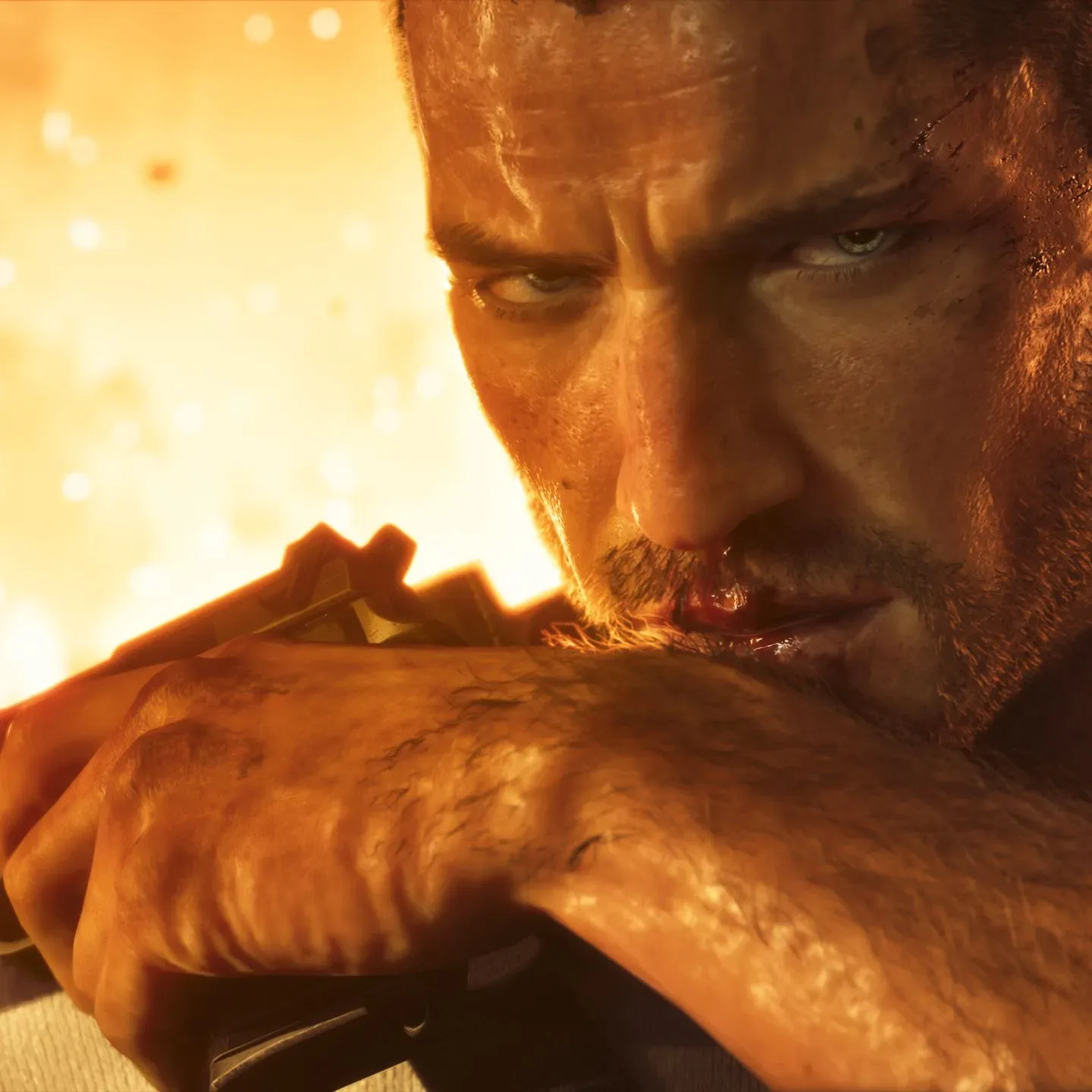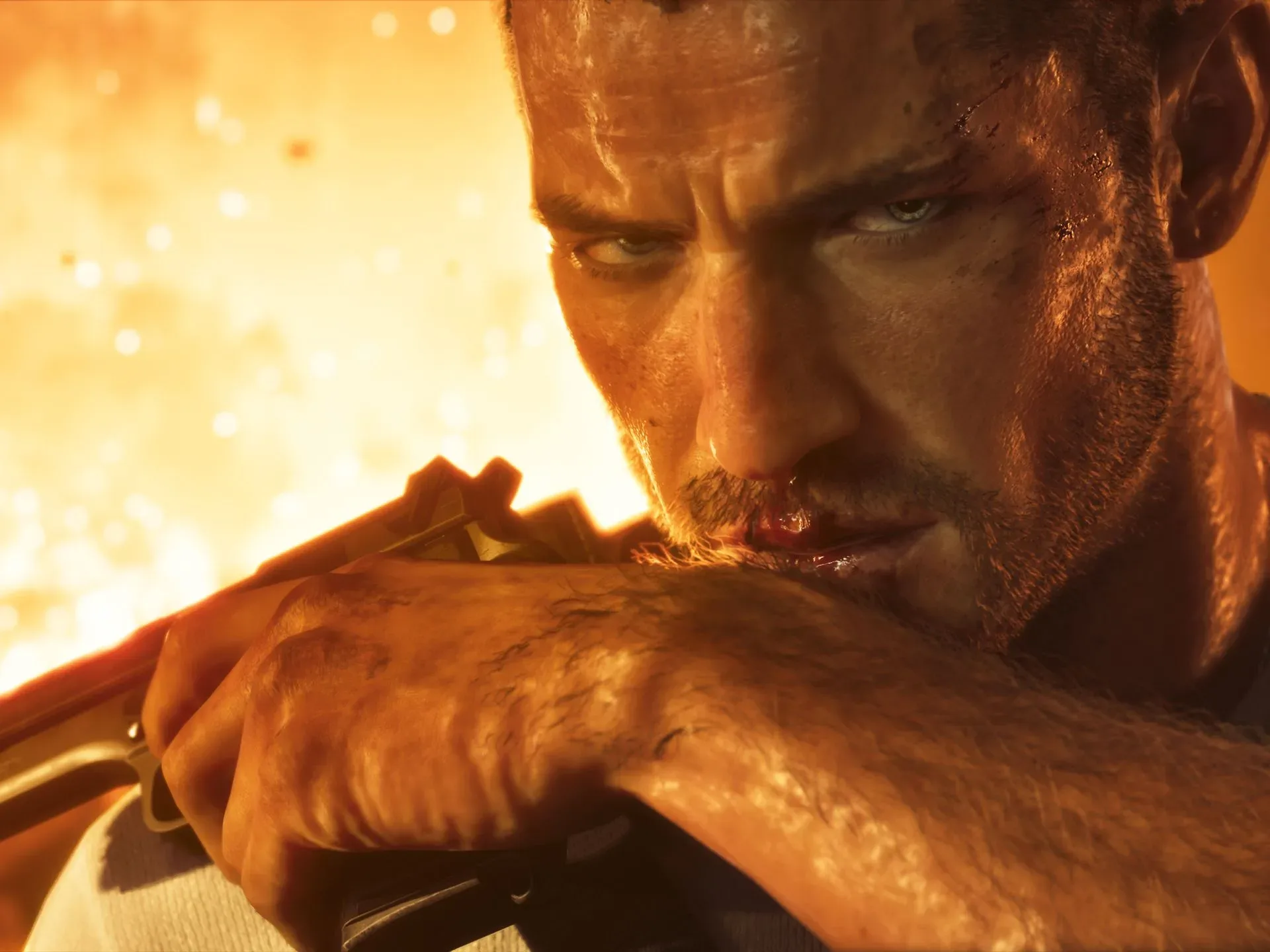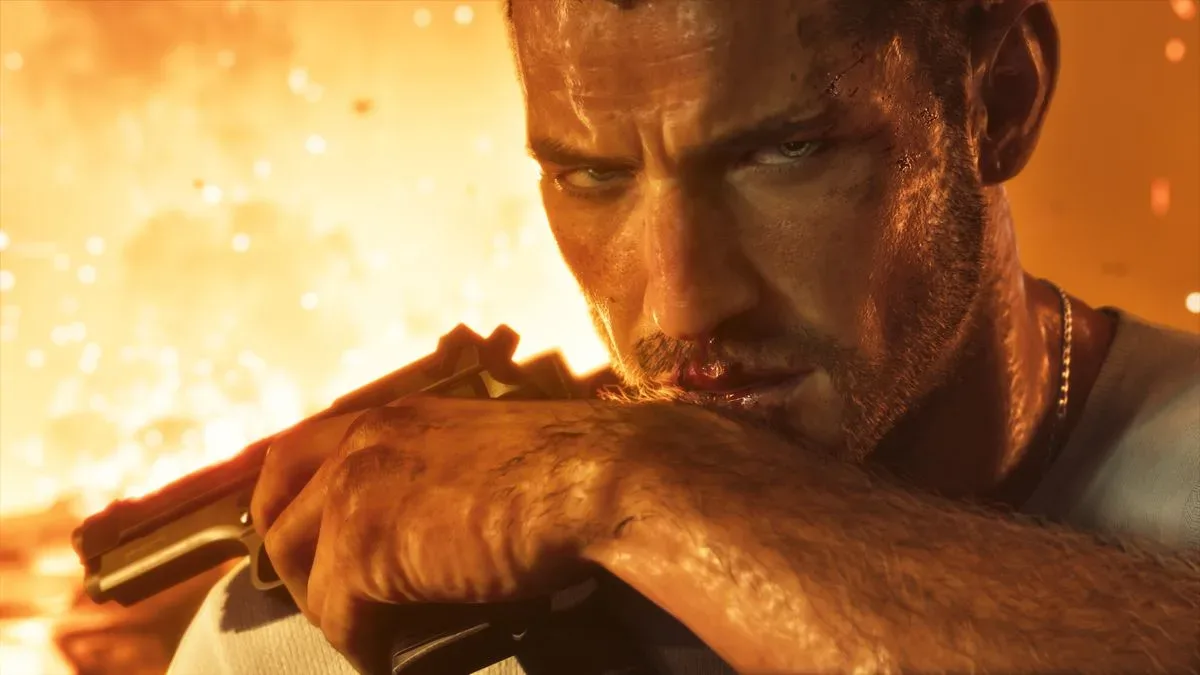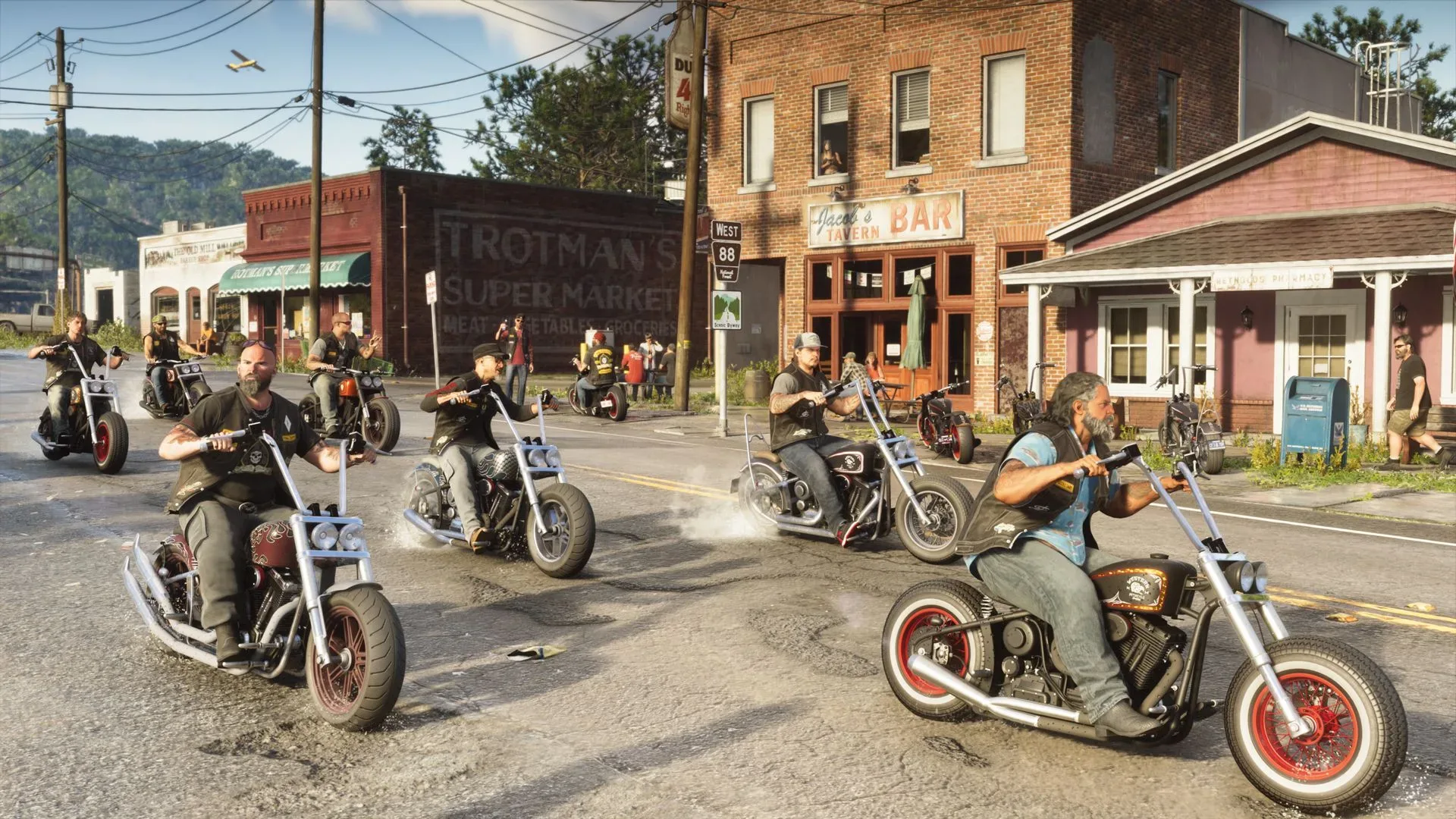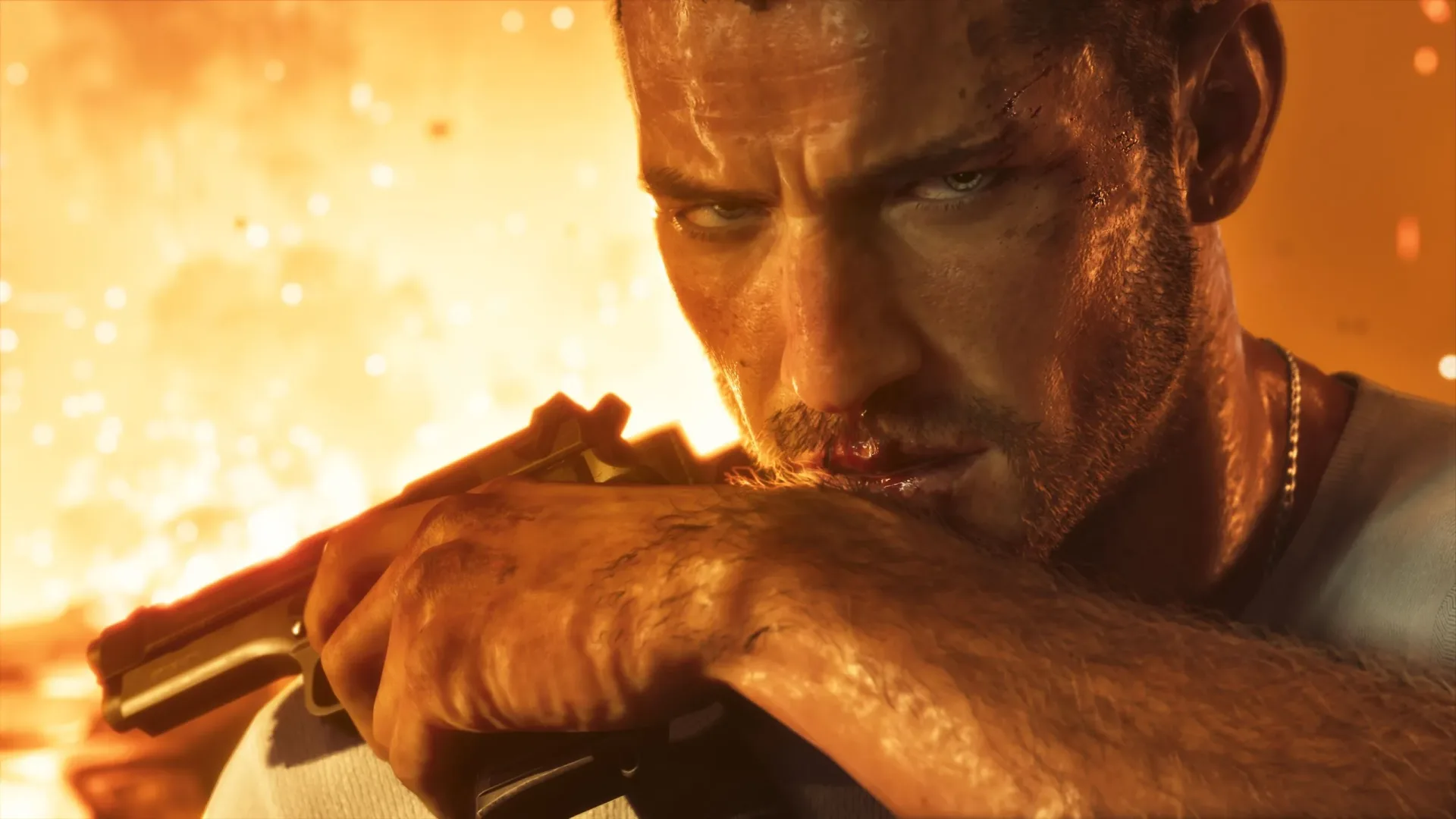
Grand Theft Auto has always sold the fantasy of a city that is simultaneously enormous, chaotic and just coherent enough to let players cause trouble in it. For Grand Theft Auto VI, Rockstar North boss Rob Nelson says that coherence has become a much bigger technical and creative demand. As visual fidelity rises, he argues, the old tricks that helped a busy open world function become harder for players to overlook.
The clearest example is delightfully on-brand: pulling an automatic shotgun out in front of a pedestrian. In Grand Theft Auto V, Nelson said a nearby person might not react until the weapon was aimed at them. That behavior was already “showing its age” in GTA 5, in his view. In GTA 6, the expectation is not merely that streets look more detailed; the people occupying them must respond more convincingly to the alarming things happening directly in front of them.
That is a useful framing for what a generational leap in an open-world game can mean. More detailed models, lighting or scenery may be the immediately visible change, but increased detail also raises the standard for the systems underneath. The closer a game world appears to reality, the more conspicuous a mismatch becomes when its characters behave as though they cannot see it.
Why visual fidelity puts pressure on behavior
Visual fidelity is the overall richness and believability of what appears on screen: the detail of the world, its characters and its presentation. Nelson’s point is not simply that GTA 6 is prettier. It is that greater resolution and world detail change the player’s tolerance for implausible reactions.
At a lower level of detail, a pedestrian’s delayed response can be read as a limitation of a game simulation. The player may notice it, but the abstraction is easier to accept. In a world intended to feel much more immediate, that same delay can turn into a glaring break in the illusion. The player is no longer only seeing a non-player character on a street; they are standing in front of someone who should appear capable of recognizing an obvious threat.
Nelson described this as a limit on what developers can “get away with.” That is a candid way to put a familiar design challenge. Open worlds rely on compromises because they must simulate a large number of characters and situations at once. Not every person can respond to every event with unlimited nuance. But if the world is rendered with greater clarity, choices about when NPCs notice something and how they react have to feel appropriate to what the player sees.
NPC means non-player character: a person in the game world controlled by the game rather than by a human player. In a Grand Theft Auto city, pedestrians are particularly important NPCs. They establish the sense that streets are lived in, not merely decorated. Their reactions also tell players what the world considers dangerous, strange or disruptive.
In practical terms, the automatic-shotgun example suggests GTA 6 is placing more weight on the first stages of an encounter. A believable response is not only about fleeing once a weapon is aimed. It begins with awareness: the character recognizing that a weapon has appeared, then reacting in a manner that fits the threat. Rockstar has not laid out every rule governing those responses, so it would be premature to treat that example as a complete description of the system. Still, Nelson’s comparison makes the direction clear: more responsive behavior is part of the game’s intended realism.
Related coverage includes GTA 6's Greater Detail Demanded More Believable NPC Reactions, Rockstar Says.
“Too fast” is a clue about GTA 6’s broader pacing
Nelson also said that using GTA 5’s timings in GTA 6 made everything feel “too fast” for the new world’s level of fidelity. The comments do not specify every timing value or interaction affected, so that statement should not be stretched into a detailed promise about animations, vehicles or combat. What it does reveal is that the relationship between a game’s speed and its visual presentation needed reassessment.
Timing, in this context, refers broadly to the speed and rhythm of actions and responses in the game. When a world becomes more richly rendered, players can take in more visual information during an interaction. Movement, reaction and transitions that felt acceptable in an earlier presentation may suddenly seem hurried, mechanical or disconnected from the characters and environment around them.
That is especially meaningful for a series built around unpredictability. Grand Theft Auto gameplay can change from routine movement through a city to a confrontation in moments. If pedestrians, traffic and player actions are all moving at a cadence that feels out of step with the level of environmental detail, the simulation may feel less convincing even if the underlying activities are familiar.
Nelson’s remarks indicate Rockstar did not view GTA 6 as a matter of applying a cleaner visual coat to GTA 5-era assumptions. The studio had to reconsider how the game feels in motion. That is a more demanding task than improving individual assets because it touches the relationship between player input, on-screen feedback and the behavior of a populated city.
Red Dead Redemption 2 provides a foundation, not a copy-paste solution
Rockstar is also building GTA 6 on ideas associated with Red Dead Redemption 2. One named example is that game’s NPC interaction system, which let players greet or antagonize people they encountered. GTA 6 expands on that foundation.
The significance is easy to understand even without a full feature list. A greet-or-antagonize structure gives players an intentional way to address people in the world instead of treating every pedestrian as background scenery or an obstacle. In a Grand Theft Auto setting, where player freedom routinely produces unexpected outcomes, extending interaction options can make ordinary social moments feel more consequential.
It also fits the concern Nelson raised about reactions. Player-initiated interactions and NPC awareness are related, though they are not the same system. One is an explicit choice presented to the player; the other concerns how characters respond to events around them. Together, they point toward a world where citizens are meant to register the player’s presence more consistently—whether the player approaches politely, provokes them, or does something that makes a shotgun appearing from nowhere the least subtle part of the exchange.
There is an important distinction between that stated ambition and assumptions about unlimited simulation. Rockstar has said GTA 6 builds upon Red Dead Redemption 2’s interaction approach and has identified more believable reactions as a priority. It has not, in these comments, defined every possible NPC behavior or guaranteed that every resident will respond uniquely to every action. The meaningful news is the design priority: GTA 6’s increased presentation quality required Rockstar to revisit behavior that had been acceptable in GTA 5.
What players should reasonably take from the comments
- Pedestrian behavior matters more: Rockstar considers awareness of an openly produced weapon an important test of whether a populated street feels believable.
- Detail creates higher expectations: Greater visual resolution does not stand alone; it makes artificial-looking behavior easier to notice.
- GTA 5 is being used as a lesson: Nelson characterized a specific GTA 5 reaction threshold as dated even at that game’s level of presentation.
- Red Dead Redemption 2 remains relevant: Its greet-or-antagonize NPC interaction system is one of the ideas GTA 6 is building on.
- Specific limits remain unknown: The available comments explain Rockstar’s reasoning, not a complete technical breakdown of the final NPC simulation.
For players, this may be one of the most interesting ways to judge GTA 6 once it arrives. Spectacular views and dense streets are easy to spot in a trailer. More natural reactions are felt in small moments: whether a passerby acknowledges an escalating situation, whether an ordinary interaction has a plausible response, and whether the city’s rhythm supports the visual realism it presents.
Those details will not necessarily be flashy individually. In fact, their purpose is often to avoid calling attention to themselves. A city feels more persuasive when the people within it recognize basic danger without needing the player to perform an extra action that explains the danger to them. Nelson’s example is blunt, but it captures the principle neatly: if the world looks close enough to invite scrutiny, its inhabitants need to appear aware of what is happening in it.
GTA 6 is scheduled to launch on November 19. Its evolution appears to be measured not only in how much players can see, but in how credibly the world sees them back. Anyone weighing broader console-buying questions in the meantime may find our PS5 purchase considerations useful context.