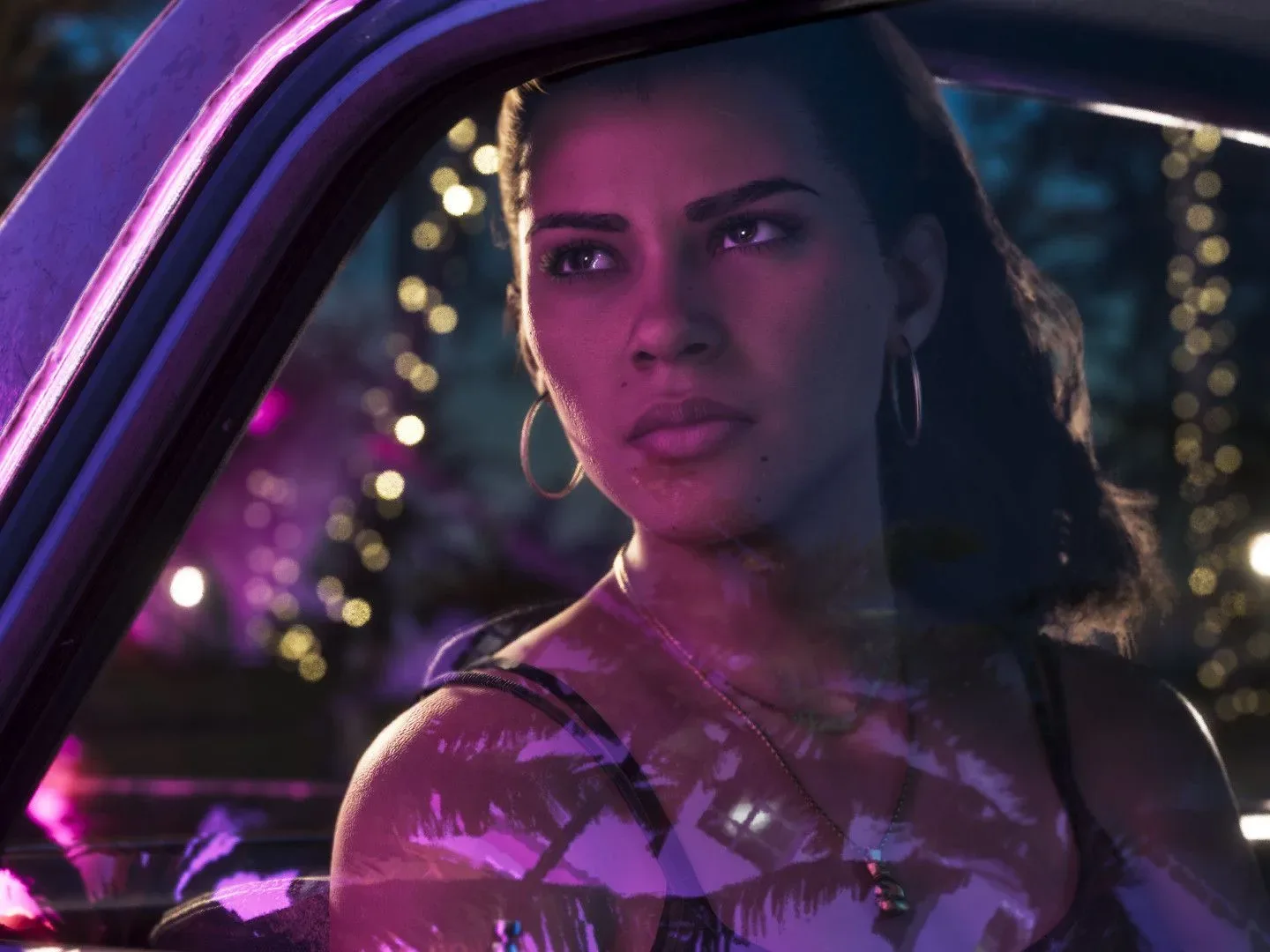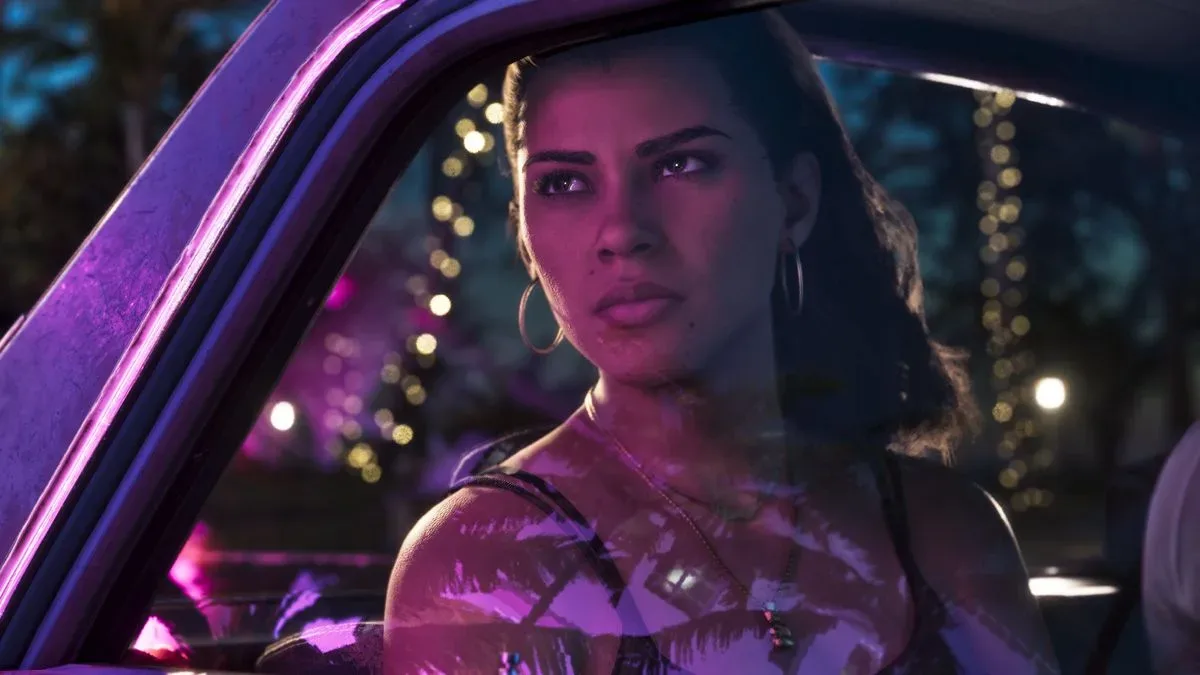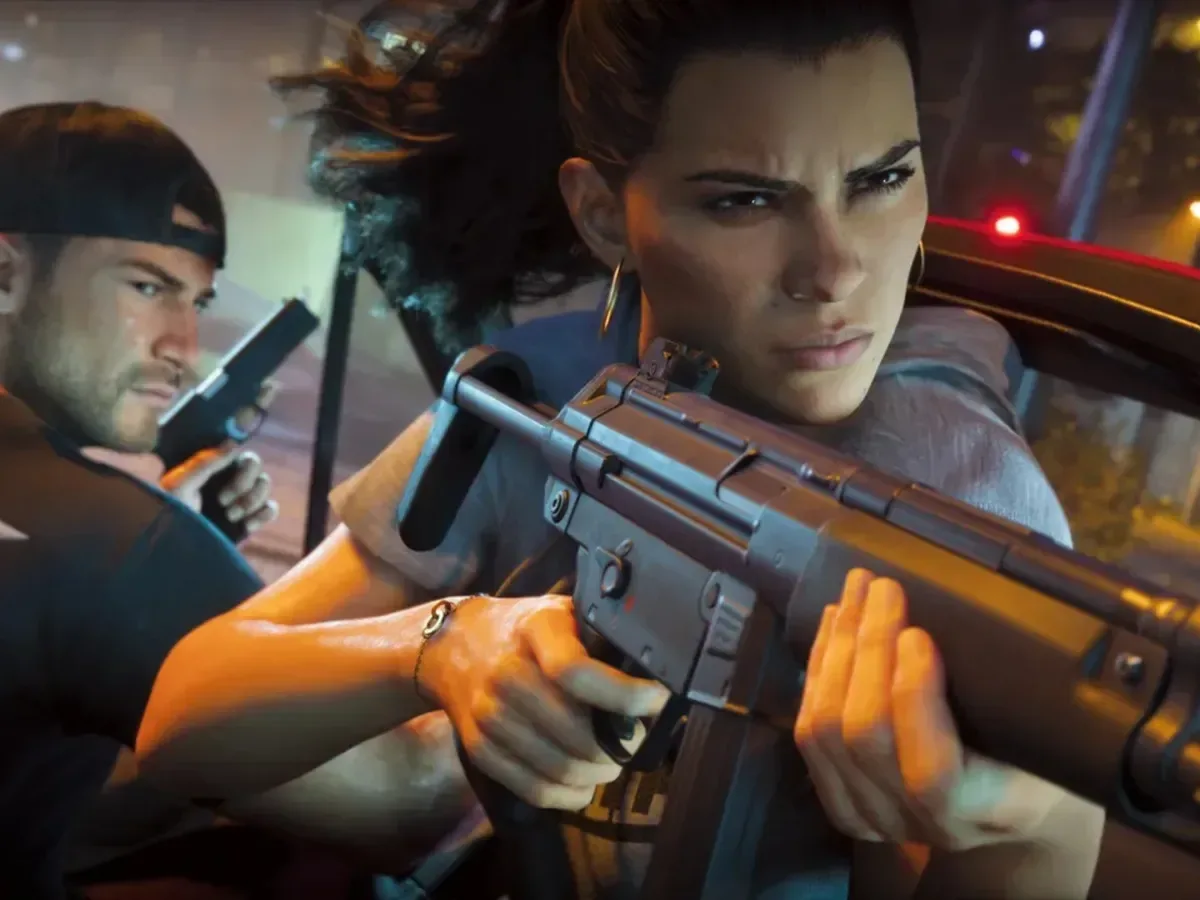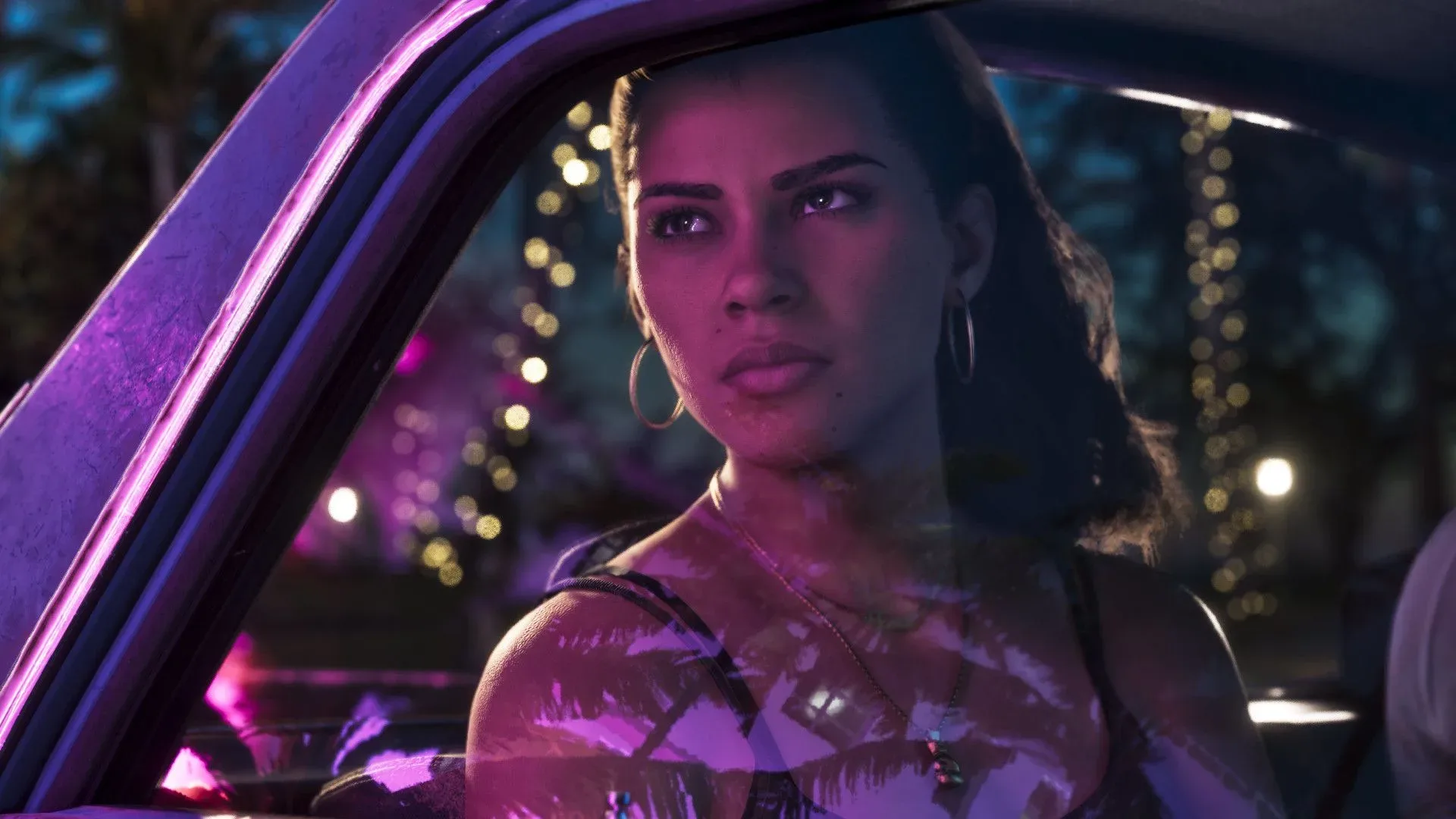
Rockstar Games faces a fairly unusual problem with Grand Theft Auto VI: expectations are already enormous before players have had the chance to explore its world for themselves. Aaron Garbut, the studio’s long-serving art director and one of GTA 6’s lead developers, has described a production built around exceeding that pressure rather than merely satisfying it.
“We can't just trot out something that's what people might expect, or that was the easy thing to do. We've not compromised on the scale, the detail, the interactivity, the story, the open-world.”
Garbut’s summary of the undertaking is appropriately outsized: “I feel like we’ve built a pyramid on Everest.” It is a memorable image, but it also identifies the actual challenge facing GTA 6. The aim is not only a large map or a lengthy campaign. Rockstar is presenting a game whose ambition is spread across the whole open-world experience: its physical scale, its authored story, its animation work, the behaviour of non-player characters, and the small reactive details that make a place seem active.
GTA 6 is scheduled to launch on November 19 for PlayStation 5 and Xbox Series X|S.
What “not compromised” means in an open-world game
Garbut’s list is worth unpacking because each part makes a different promise. Scale concerns the breadth of the world and the amount of space the player can move through. Detail is the density of visual and environmental information within that space. Interactivity concerns whether the player’s presence and actions produce convincing responses. The story is the authored dramatic thread, while the open world is the framework that lets players approach that world with freedom rather than following only a fixed route.
Those qualities are often discussed together, yet they do not automatically arrive as a package. A game can be huge without feeling dense. It can have attractive scenery but few responsive systems. It can contain many incidental characters without making them feel meaningfully situated in the setting. Garbut’s comments frame GTA 6 as an attempt to develop all of those layers at once.
That is where the Everest metaphor lands. Building something tall is one task; building it on a summit already defined by impossible scale is another. In this case, Rockstar is not only trying to make a big new Grand Theft Auto. It is trying to create one under a level of attention where familiar solutions may be judged as insufficient simply because they are familiar.
Big numbers are only useful if players can feel them
Several details associated with GTA 6 suggest Rockstar is pursuing that ambition through simulation and presentation as much as geographical size. The game is said to include around 600,000 unique animations. Animation, in game-development terms, is the movement data used to make characters act: walking, turning, reacting, dancing, interacting with objects, and transitioning between actions.
Related coverage includes GTA 6's Scale Is Meant to Go Beyond Expectations, Says Rockstar Art Director.
A high animation count does not, by itself, tell players exactly how a game will feel. It is not a quality score, and it does not guarantee that every interaction will be seamless. What it can indicate, however, is an effort to avoid repetition across a broad range of contexts. In an open-world crime game, repetition is particularly conspicuous. Players spend substantial time looking at people moving through streets, entering scenes, reacting to disruption, or simply existing at the edge of the main action. More bespoke movement can support the impression that a city is populated rather than merely filled.
The same applies to a reported sweat system in which protagonists Jason and Lucia perspire based on how intensely they dance. That is an extremely specific example, and its importance is less about sweat itself than the design philosophy behind it. A system such as this links a character’s visible condition to an activity. It is environmental storytelling at a very small scale: a visual response that can make an action appear embodied rather than abstract.
Players should still distinguish between a technical detail and a defining mechanic. Sweat does not necessarily change objectives, progression, or the wider structure of play. But moments like it can matter in aggregate. Open worlds are experienced over many hours, and a large portion of that time is made up of transitions, ambience, incidental activity and observations that do not fit cleanly into a mission checklist. Fine-grained reactions can make those stretches feel more authored and less like empty travel between major events.
NPC writing points to a world beyond the protagonists
One of the most revealing reported details is that Rockstar assembled an entire writing team devoted to background NPCs. NPC is shorthand for non-player character: a character controlled by the game rather than a human player. Background NPCs are the people who give an open world its everyday population without necessarily driving the central plot.
That focus matters because a GTA setting has to do more than host the leads. Jason and Lucia may anchor the story, but the surrounding world needs its own texture: conversations, relationships, routines, conflicts and bits of local personality. Dedicated writing for peripheral characters suggests that Rockstar regards those elements as part of the setting’s identity rather than disposable noise.
It also highlights a practical reality of making a project at this scale. The available information indicates that GTA 6 has grown so large that no single person at Rockstar knows everything in it. That should not be read as disorder by default. Major games are made by specialized teams, and specialization is one way a developer can give attention to areas that would otherwise be flattened into generic background material. But it does underline why the “pyramid” comparison is more than a line: the game’s scope appears to be distributed across many disciplines and contributors.
Writing, art, animation and systems work all have to meet in the final experience. A background exchange needs characters that look and move appropriately. A reactive system needs presentation that communicates what changed. A huge environment needs enough activity to justify its footprint. Each component is easier to describe independently than it is to combine convincingly.
Scale is more than map size
GTA 6’s world has been characterized as almost the size of many earlier Rockstar games combined. That comparison conveys physical ambition, but map measurements are only one interpretation of scale. A broad world creates a larger canvas; it does not answer how varied, reactive or memorable that canvas will be.
Garbut’s emphasis on detail and interactivity is therefore important. The real test for an open-world game is often not whether players can travel a long distance, but whether there is a reason to pay attention along the way. Are locations distinct? Do activities have believable feedback? Do ordinary people and spaces support the tone of the story? Does the world retain its character outside carefully staged missions?
The available GTA 6 details point toward Rockstar trying to answer those questions at the granular level. Dedicated background writing can give incidental encounters a voice. Extensive animation can reduce the mechanical sameness of crowds and actions. Physical responses such as perspiration can reinforce a character’s activity. None of these facts reveals the final balance of the game, but together they describe an approach where the smallest visible pieces are being treated as part of the overall spectacle.
That approach carries its own risks. Expectations built around unprecedented size and density are difficult to meet because players will evaluate not only what is present, but how consistently it works. More systems can create more opportunities for delight, but also more places where repetition or friction might be noticed. The expectation is not simply that GTA 6 will contain a lot; it is that its parts will feel coherent.
The platform question and the immediate practical takeaway
For now, the practical information is straightforward: GTA 6 is headed to PS5 and Xbox Series X|S on November 19. No PC version is identified in the provided release information, so prospective players should not treat one as confirmed on the basis of these details.
The platform focus also places emphasis on the current console generation for Rockstar’s promised combination of scale, detail and interactivity. That does not establish precise technical features, performance targets or how the game will use console hardware; those specifics have not been provided. It does mean the announced launch audience is limited to those two console families.
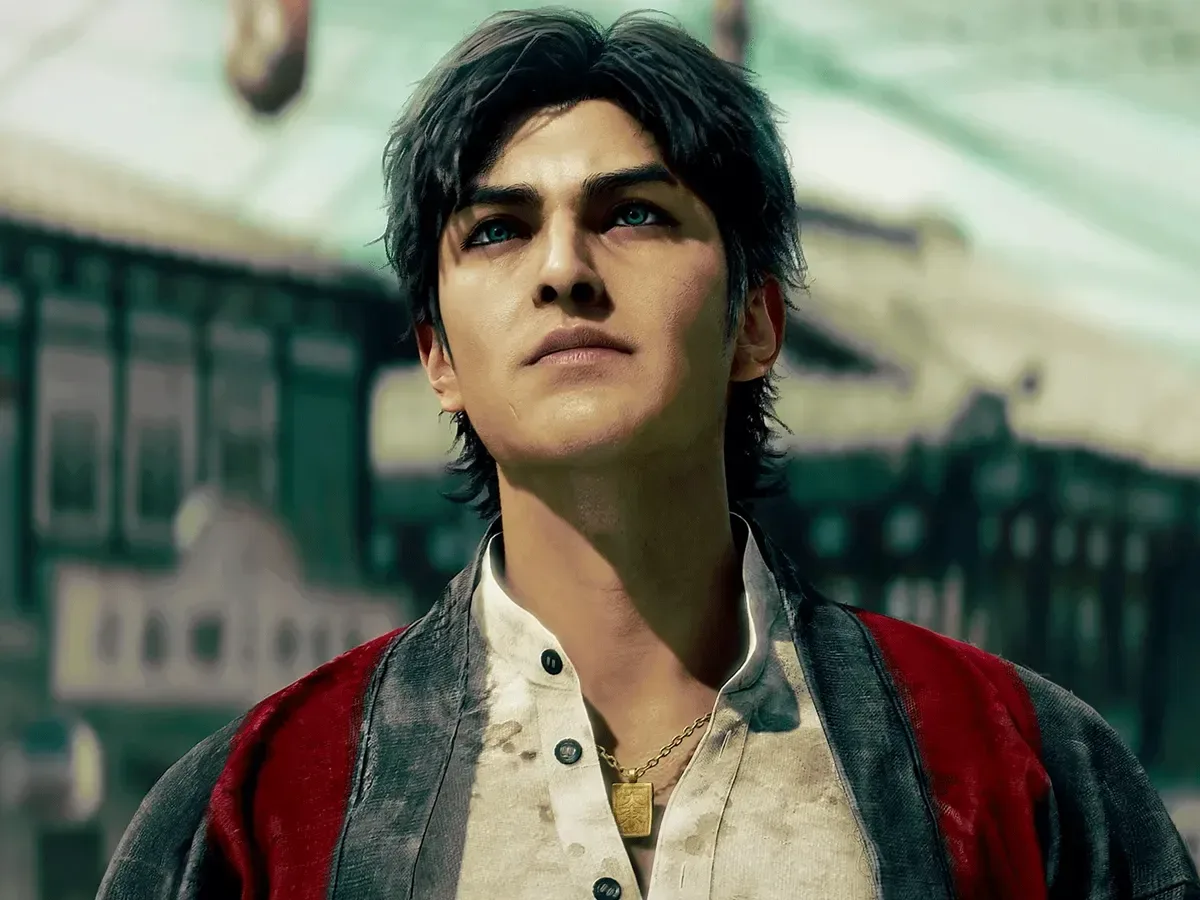
Other studios are similarly framing their next projects around more ambitious visual goals and newer hardware targets, as seen in a recent look at RGG Studio’s move beyond PS4 for its next visual leap. GTA 6’s claims are distinctive because Rockstar is attaching the ambition not just to graphics, but to the interconnected workload of a living open world.
A lofty metaphor, and a concrete standard
“A pyramid on Everest” is deliberately extravagant, which makes it fitting for a series entering its next chapter under intense scrutiny. Garbut’s point is ultimately a concrete one: Rockstar believes GTA 6 needed to push beyond the version of the game audiences could easily predict.
Whether that promise is fulfilled will depend on the complete game, not isolated statistics or evocative technical anecdotes. Still, the details currently available establish the direction. Rockstar is presenting GTA 6 as a project where a large world is only the starting point, and where the team has invested in animation, background characterization and fine visual responses to make that world feel inhabited. For a game expected to be one of the industry’s largest launches, the studio is setting a correspondingly enormous bar for itself.