Grand Theft Auto 6’s Ultimate Edition costs $100, or $20 more than the $80 standard edition, and its most notable extras are not new story chapters or a radically different version of the open world. Instead, the upgrade centers on access: five exclusive businesses, several cosmetics, select vehicles, and a classic-car scavenger hunt. That makes the value proposition unusually personal. Players who care deeply about character styling and automotive customization may find individual bonuses appealing. Players primarily here for the story and the wider sandbox probably do not need to spend more.
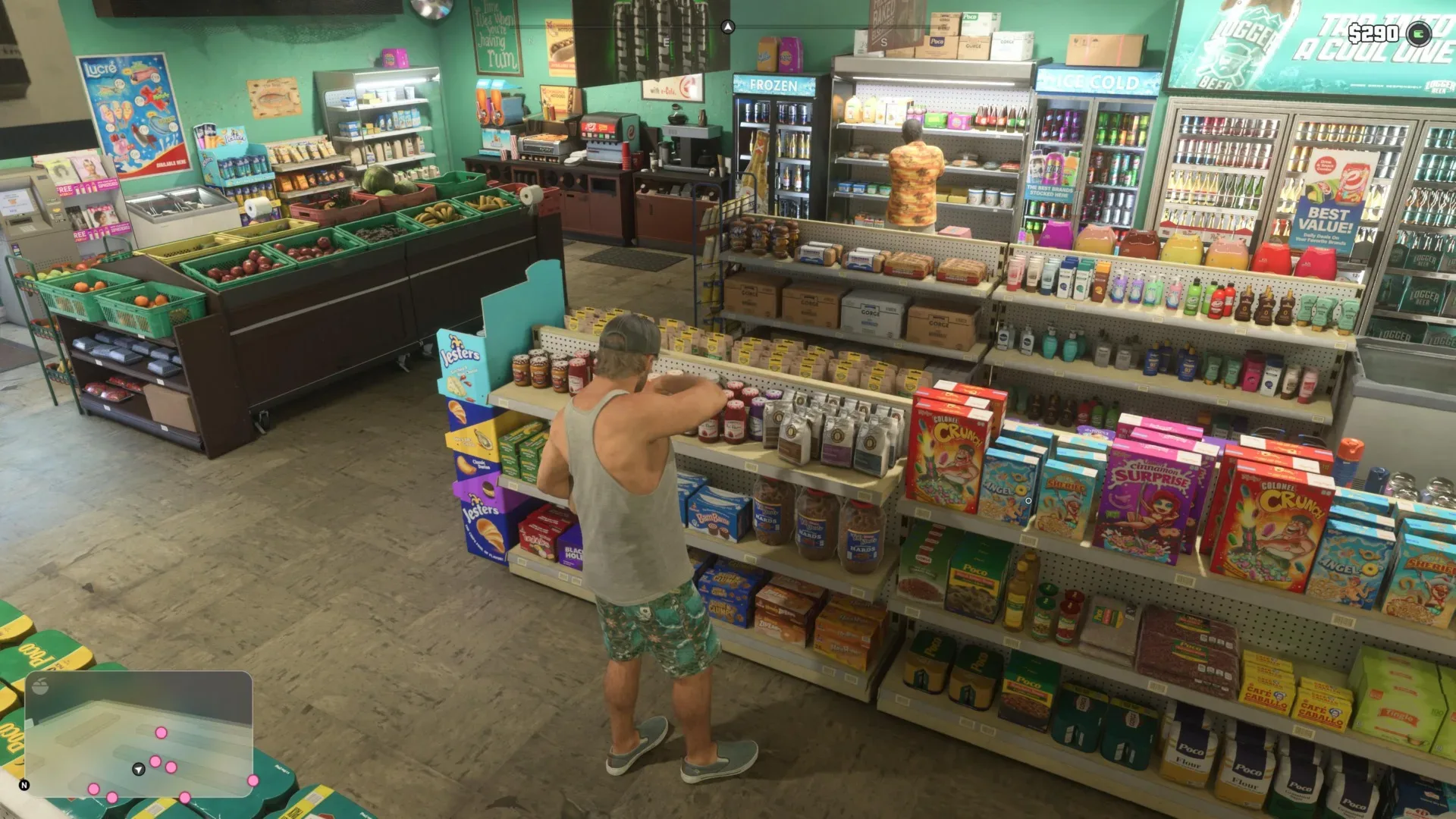
The important bit of context is scale. GTA 6 already has more than 600 stores, along with a large range of clothing, vehicles, hair, makeup, nails, and customization choices in its base game. Against that backdrop, five gated shops are less likely to transform a player’s experience than their paid-only status might initially suggest.
That does not make the locked storefronts invisible or meaningless. One garage, in particular, appears to fill a thinner area of the ordinary customization catalog: off-road modifications. But the overall package reads as an elective layer of personalization rather than essential GTA 6 content.
What the Ultimate Edition actually adds
The edition’s five exclusive locations break down into three appearance-focused businesses and two vehicle-modification garages:
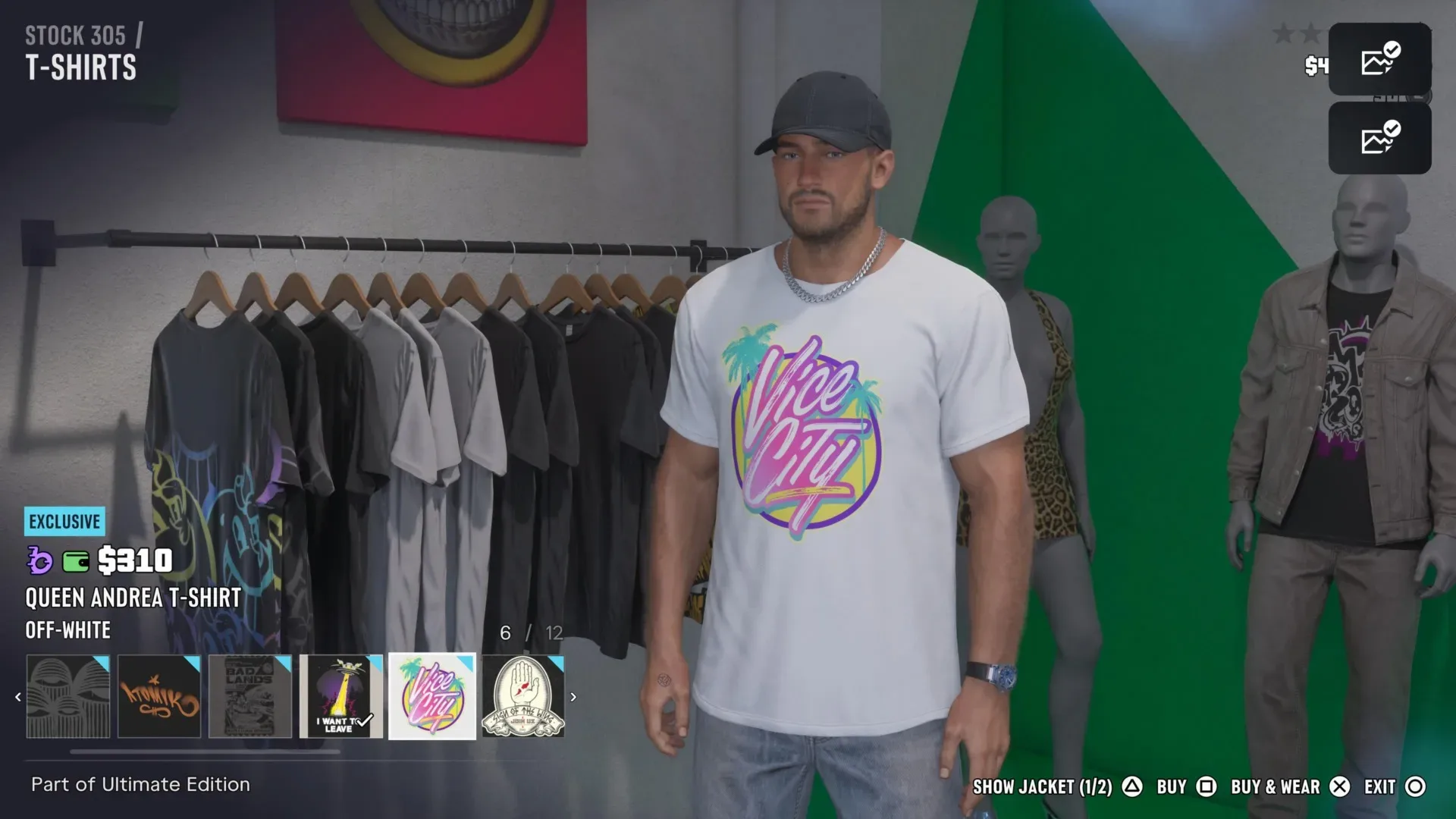
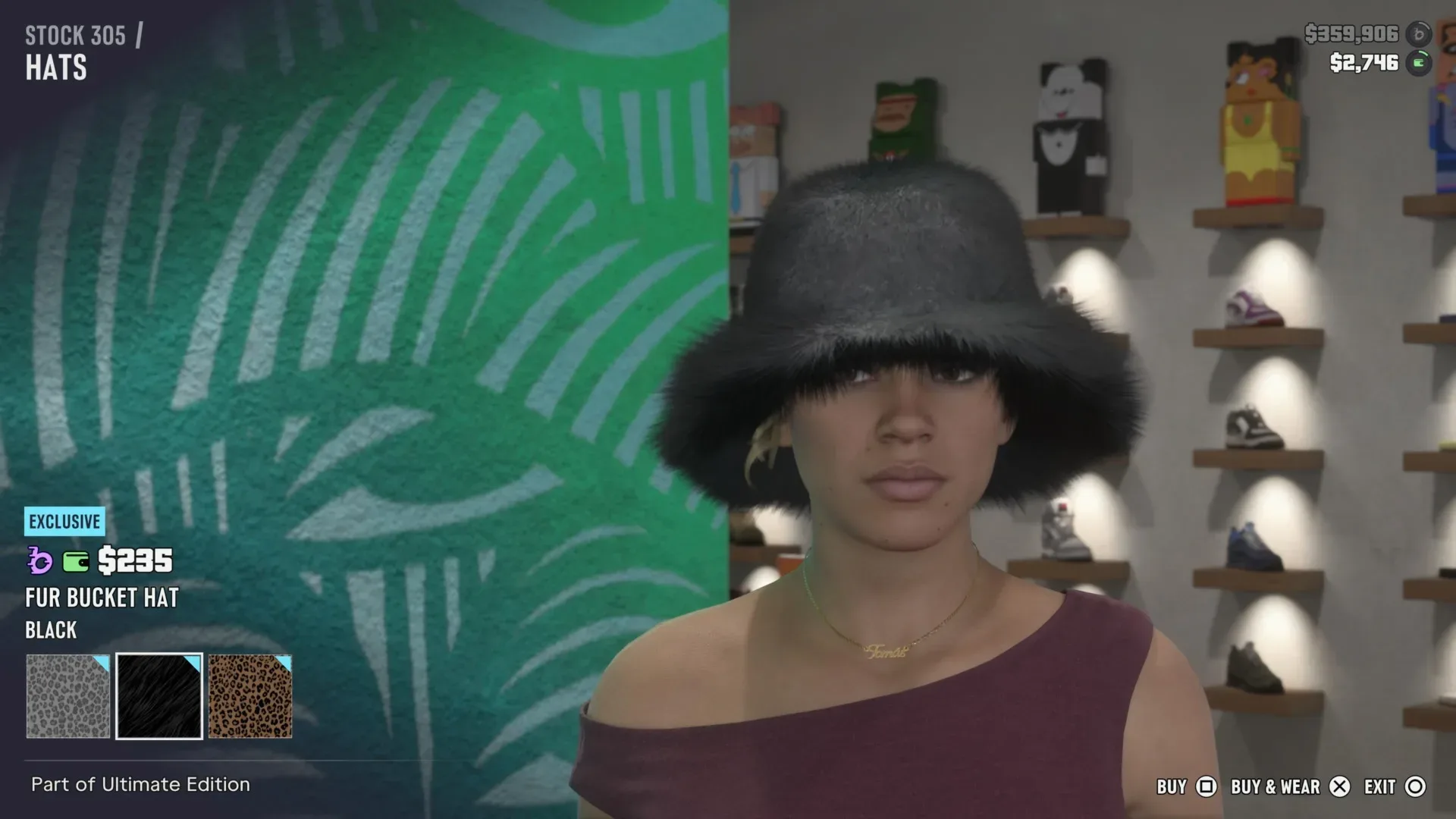
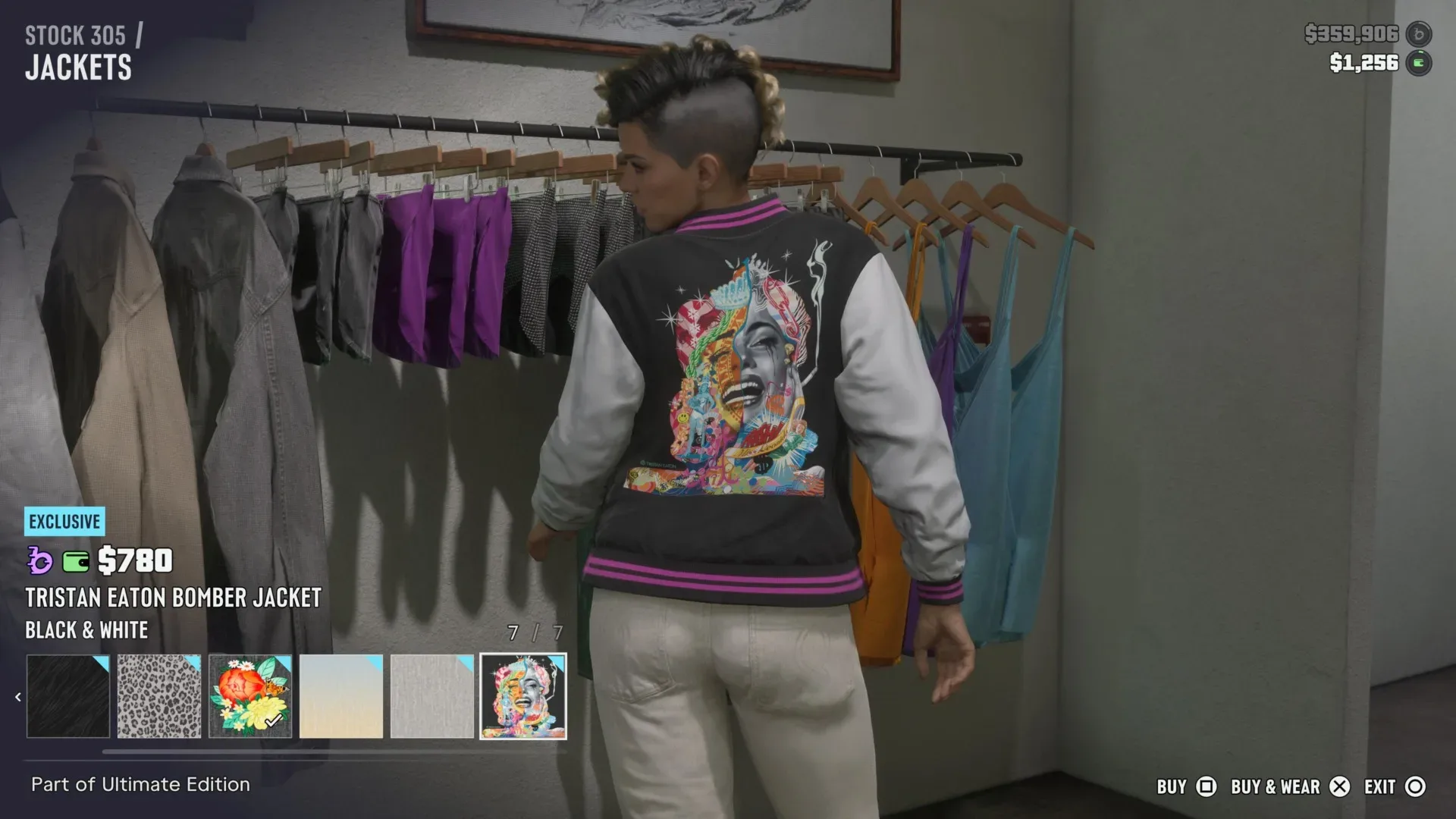
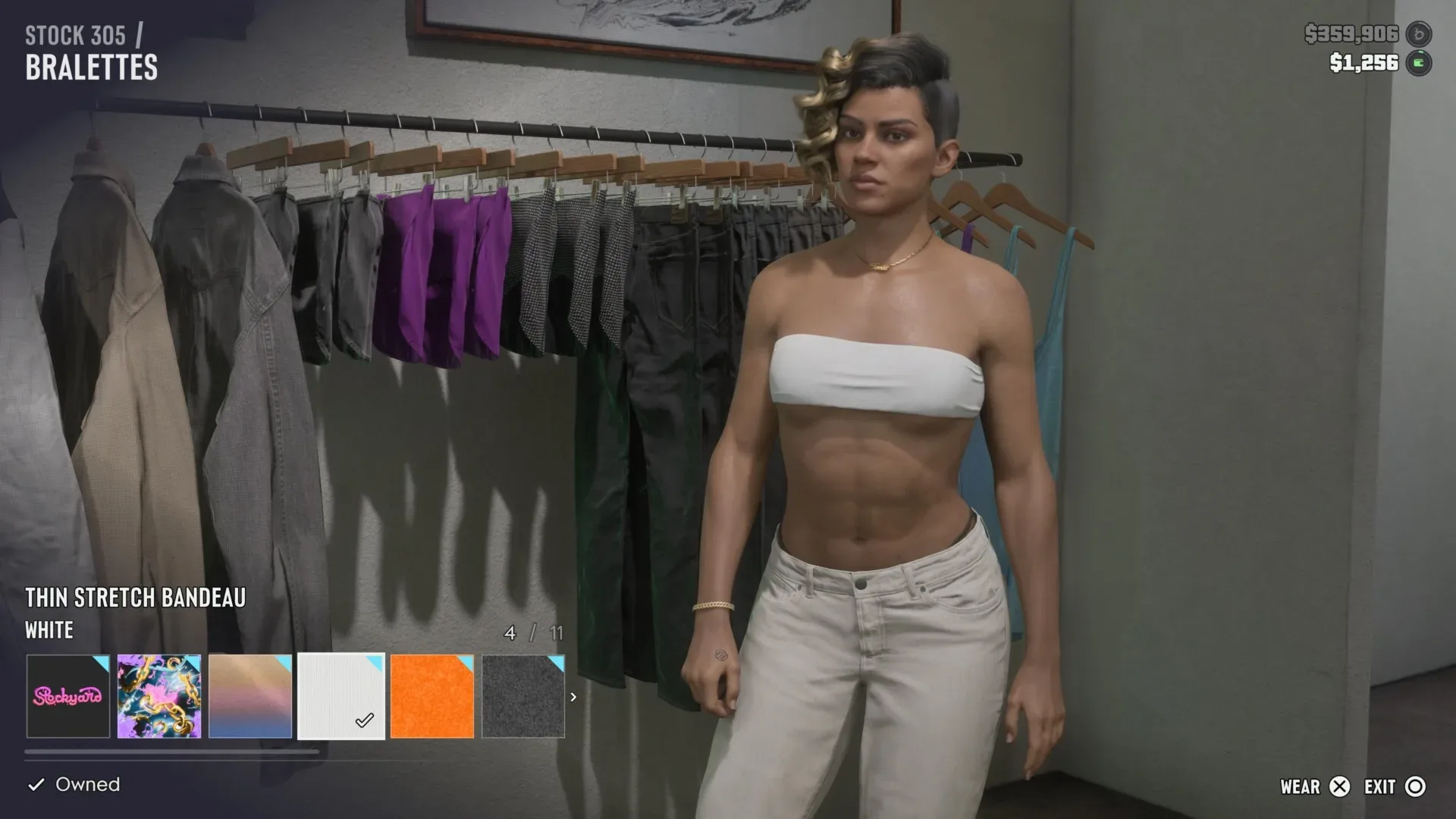
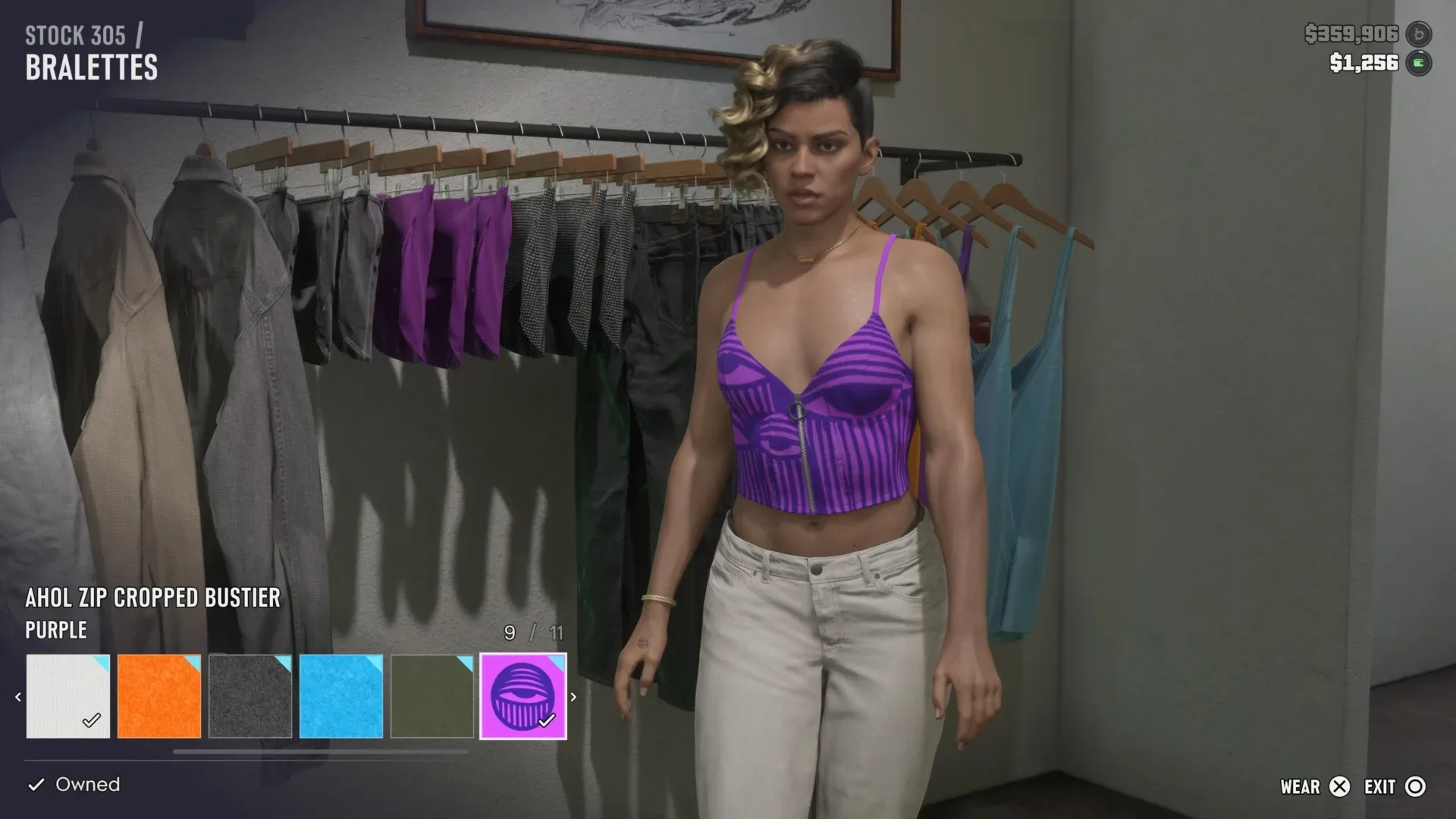
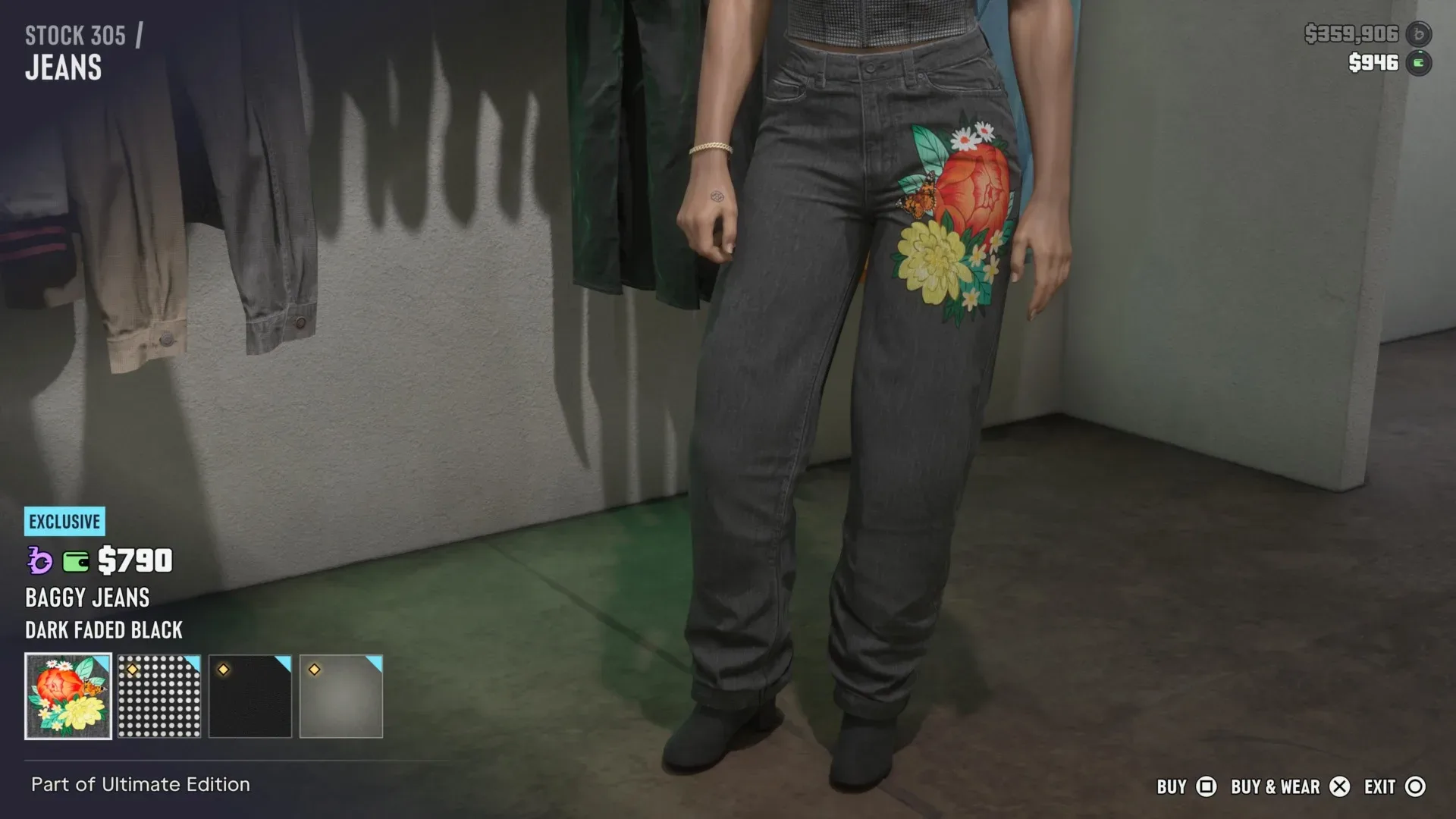
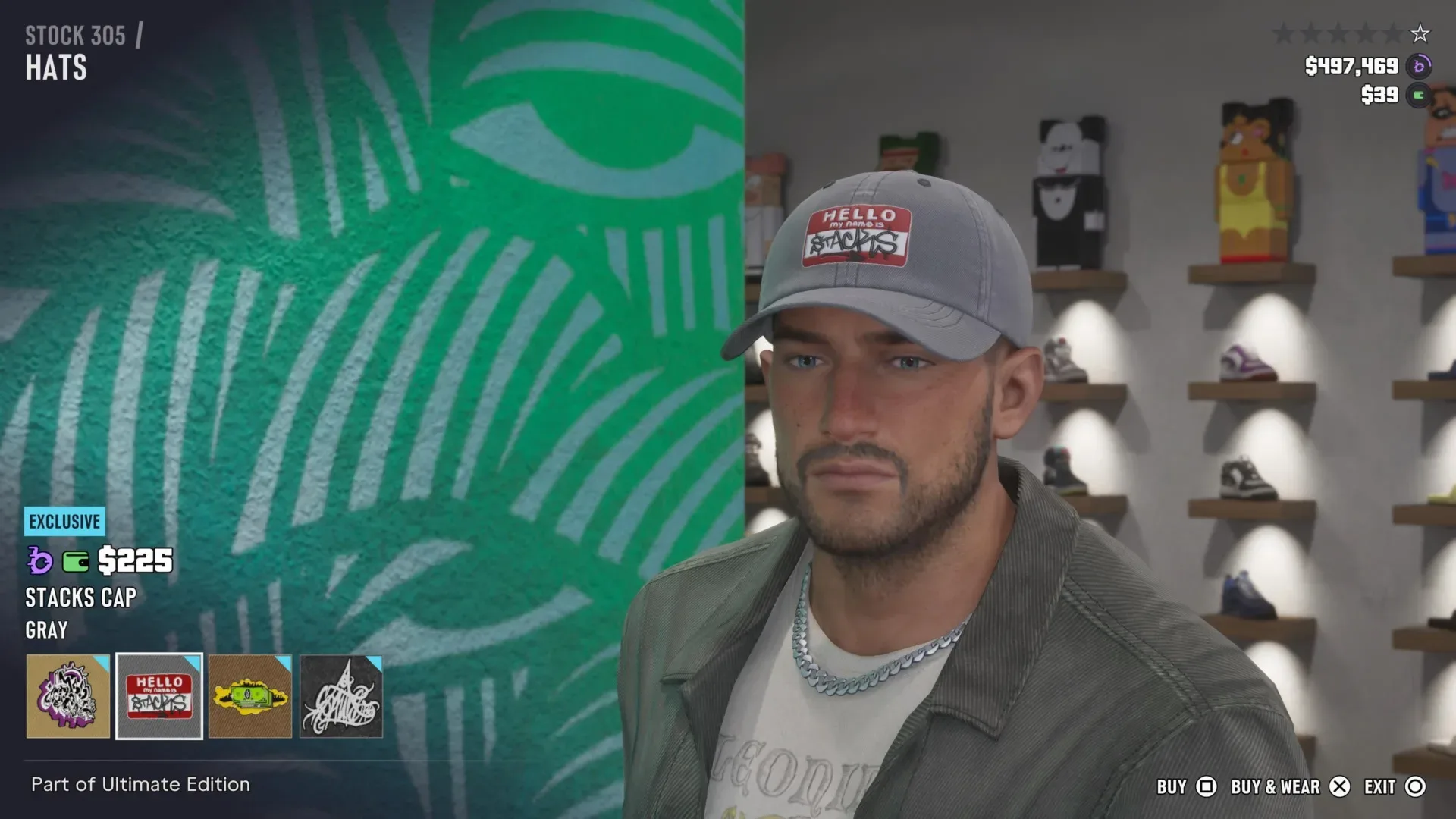
- 305: a retailer built around urban and skater-influenced clothing.
- Electric Fang: an exclusive tattoo parlor.
- Sara’s Unisex Salon: hairstyles for Jason and Lucia, plus Lucia makeup and nail-art choices.
- Rideout Customs: a garage aimed at bolder, more extravagant paint and accessory combinations.
- One-Eyed Willie’s: a garage with additional off-road options and a random-paint feature.
The package also includes free outfits inspired by characters from an in-game cartoon, exclusive vehicles, and a classic-car scavenger-hunt side activity. There is a significant caveat on the vehicle list: some of those exclusive vehicles are only available during chapter one for story-related reasons. Prospective buyers should therefore avoid treating every listed vehicle as a permanent, all-game perk without checking the practical limitations.
For players trying to work out how bonuses and chapter-based access fit together, Joking Joystick also has a breakdown of GTA VI Ultimate Edition bonus unlocks and missing-content fixes.
The fashion extras: nice options, not missing foundations
305 offers clothing for players who want a particular streetwear and skate-adjacent look. Among the examples noted are jeans for Jason, graphic shirts, and an especially conspicuous fuzzy hat for Lucia. Those pieces give the store a distinct identity, but distinct is not the same as indispensable. With a broad existing selection of outfits elsewhere in the game, the evidence suggests that standard-edition players can still build convincing, varied looks for both protagonists.
That distinction is useful when evaluating premium-game extras. Cosmetics are visual customizations: they alter presentation, rather than opening a core story route or providing a necessary mechanical ability. A cosmetic can matter enormously to somebody making a specific character look, taking screenshots, or role-playing a particular persona. For someone who changes clothes rarely, its value can be close to zero even if the item itself is well designed.
Electric Fang follows the same pattern. It is a dedicated tattoo shop with some strong designs, and it may be the most visually memorable of the paid locations as a place to visit. But GTA 6’s base game already provides many tattoo choices. The shop is therefore an extra style lane, not a correction for a lack of tattoo customization.
Sara’s Unisex Salon is arguably the strongest of the three personal-style additions. It provides hairstyles for Jason and Lucia, while adding makeup and nail art for Lucia. This is also the one shop whose selection seems broad enough to have regular appeal for players who enjoy changing a character’s look over a long save. Still, the conclusion remains measured: existing base-game hair, makeup, and nail choices are already substantial. Sara’s supplements them rather than completing an otherwise bare system.
The garages are where the upgrade becomes more practical
Rideout Customs delivers the most overtly flamboyant automotive side of the Ultimate Edition. Its paint and accessory selection leans into highly stylized results, including neon color choices and animal-print-inspired designs. This will be a perfect fit for players who want their car to look loud, strange, or deliberately ridiculous. It is not, however, a compelling reason to upgrade for someone who prefers understated vehicles or treats driving as transportation between missions.
One-Eyed Willie’s has a better case for practical value. The garage expands off-road customization, an area that has fewer options than street-car tuning. That matters because it is an example of a premium bonus that does more than add another visual theme to an already crowded category: it adds variety in a comparatively less-served one.
The shop also offers a random paint job for every car, not only off-road vehicles. The paint cannot be previewed; players see the design after it has been applied. That turns the feature into a small surprise mechanic. It will not suit every player—particularly anyone carefully planning a vehicle build—but it creates an amusing reason to bring a favorite car back for another visit. A Banshee, for instance, can receive an unexpected pink design through the system.
Even here, moderation is warranted. More off-road parts are valuable chiefly to players who routinely drive dirt routes, prioritize rugged vehicles, or enjoy customizing their garage. It is a meaningful perk, but not clear evidence that the standard edition is incomplete.
Vehicles and the scavenger hunt do not change the overall calculation
The Ultimate Edition’s most practically useful recurring vehicle appears to be the Vapid off-road truck. It is fast, performs well on dirt, can be upgraded, and can carry a considerable amount of stolen loot. Those qualities give it a role beyond simple looks. A capable off-road truck can be a credible everyday choice for players whose activities take them away from paved roads or who want a sturdier cargo-capable option.
Yet the rest of the vehicle proposition is complicated by the chapter-one restriction affecting some exclusives. Temporary access can still be fun, but it should be evaluated differently from a permanent addition to a player’s garage. The truck is the clearest case for ongoing usefulness; the edition’s broader vehicle lineup is not presented as a decisive gameplay advantage.
The classic-car scavenger hunt is another example of why a bullet-point list can sound more valuable than it feels in practice. A scavenger hunt is a side activity structured around finding targets or clues across the game world. In theory, it gives exploration-minded players another objective. In practice, it may not become a priority when the surrounding game is already huge and densely supplied with things to do. The existence of the hunt adds content, but its paid-only status does not automatically make it a substantial expansion.
Who should pay the extra $20?
The strongest case for the Ultimate Edition is a narrow but legitimate one: a player already knows they will spend a great deal of time in GTA 6’s customization systems and has the extra $20 comfortably available. For that player, the combined appeal of Sara’s Unisex Salon, One-Eyed Willie’s off-road upgrades, the random-paint system, and the Vapid truck can add up. The cartoon-inspired clothes, 305’s fashion pieces, Electric Fang tattoos, and Rideout’s maximalist garage designs become additional flavor rather than the whole argument.
There is also a simple taste test. If a player sees a fuzzy hat, an unusual tattoo, elaborate nail art, surprise paint, or an aggressively decorated car and immediately wants it, then the edition is doing exactly what it was made to do. Premium cosmetics are often about specificity, not universality.
For most other buyers, the standard edition appears to be the sensible starting point. It includes the main story and open world, while offering an enormous retail landscape and deep customization without the locked shops. The available evidence does not indicate that Ultimate Edition buyers receive necessary narrative material, a major progression shortcut, or a dramatic gameplay advantage over everyone else.
Why the paywall still feels awkward
It is possible to recognize that the Ultimate Edition is nonessential while still finding the structure unappealing. Exclusive shops feel more consequential than a menu of bonus skins because they are physical places in the world. When a player sees a business they cannot enter because of edition ownership, the restriction is more tangible than an outfit they never knew existed.
At the same time, GTA 6’s 600-plus-store count changes the practical impact. The locked businesses are a very small share of the game’s wider commercial world, and every major customization category represented by the five shops already has alternatives in the standard edition. The upgrade is therefore best understood as a collection of premium variants: extra versions of activities and aesthetics players can otherwise enjoy.
The verdict: GTA 6 Ultimate Edition has a few worthwhile inclusions, especially One-Eyed Willie’s off-road options and the Vapid truck. But the $20 premium largely buys more ways to decorate characters and cars in a game that already supplies plenty of ways to do both. Buy it if those exact extras appeal to you. If not, the $80 edition should deliver the GTA 6 experience without a nagging sense that the essential game is locked behind another tier.