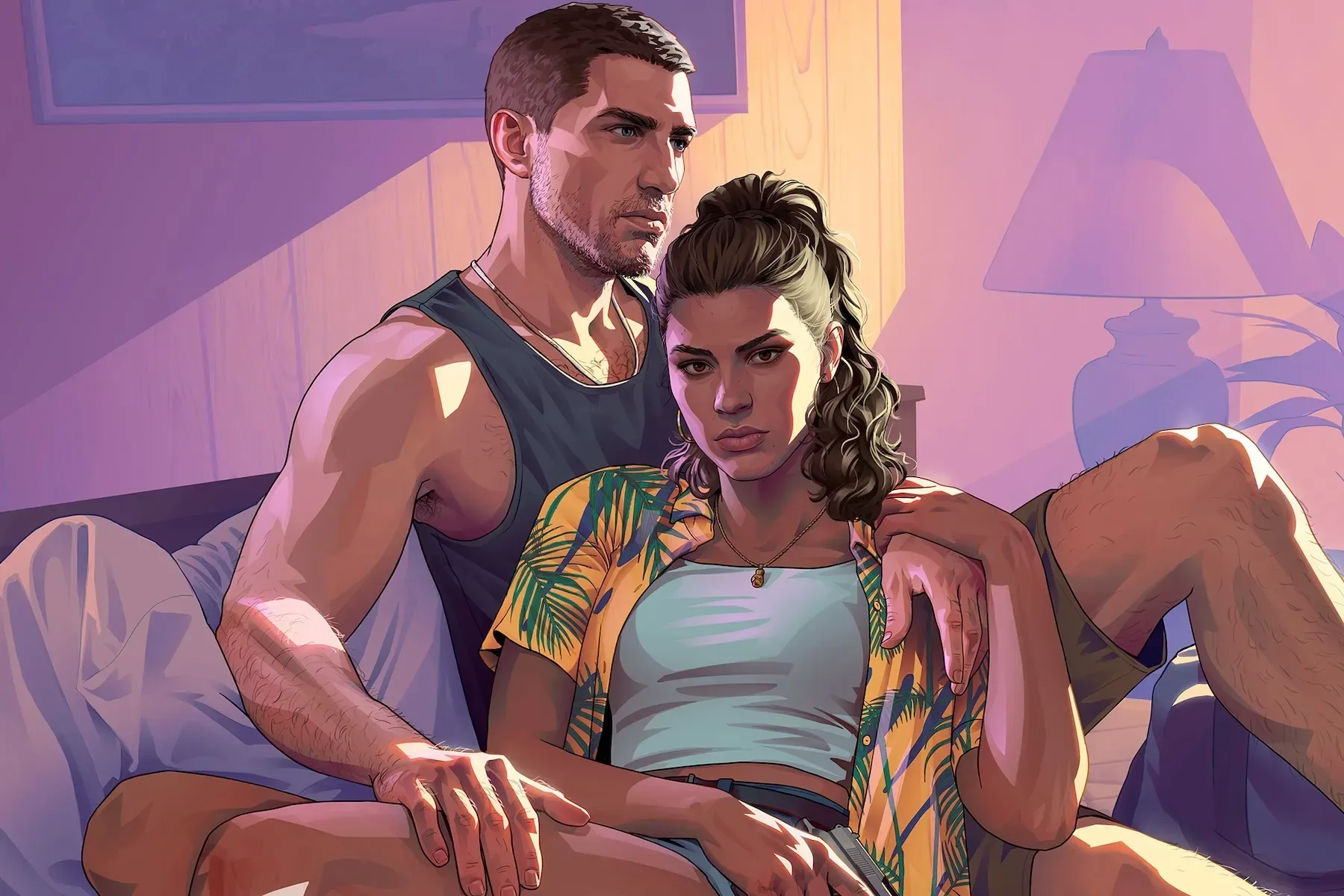
Grand Theft Auto VI appears determined to make the car radio as distracting as the traffic. Players have spotted nearly 750 individual songs in the game, spread across 20 in-game radio stations and a wide selection of genres. That reported count is enormous, but it deserves an important asterisk: it is a player-observed tally, rather than a stated final total. The credits are extensive, and the full music catalog may be difficult to verify song by song without an official track list.
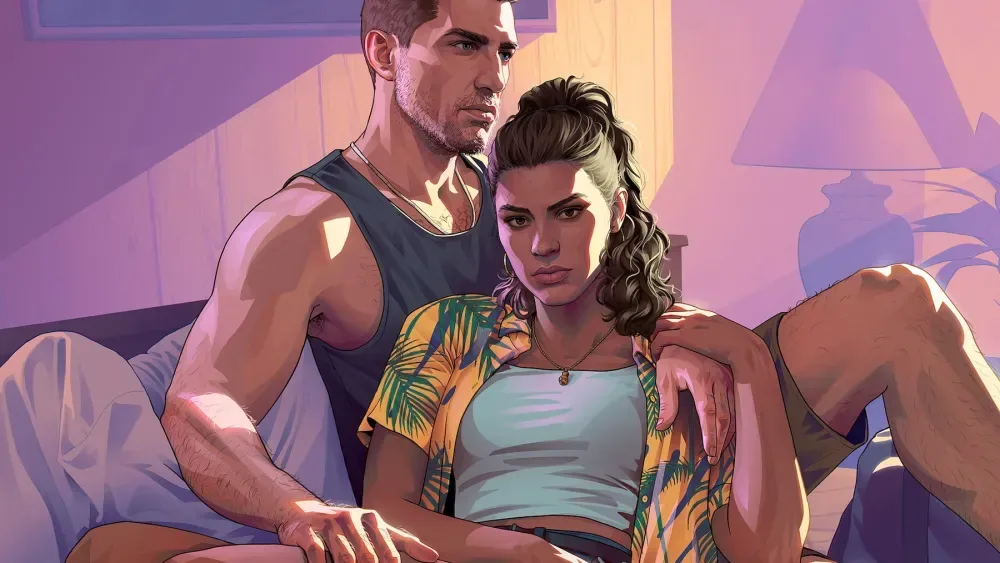
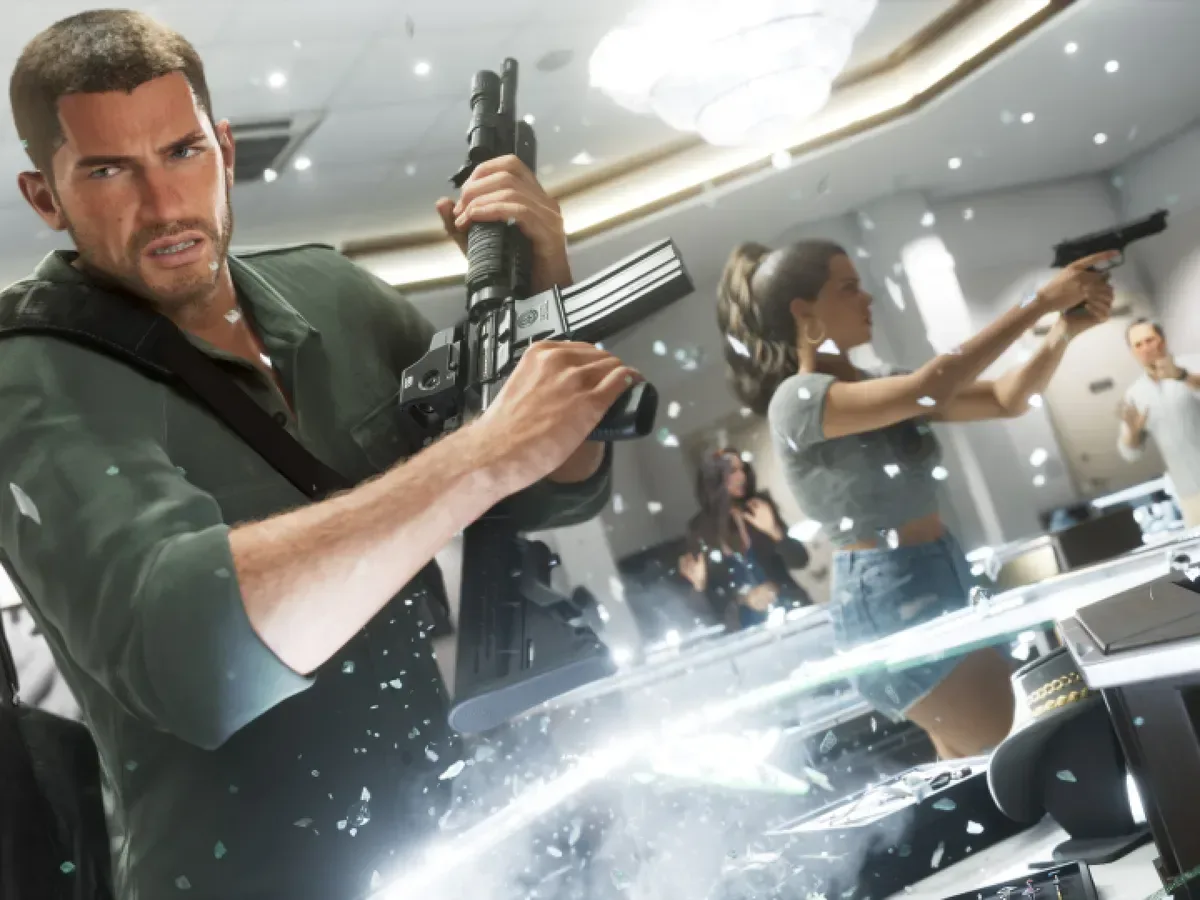
What is clear is the scale of the soundscape. GTA 6’s music is said to cover nine decades, with stations for pop, soft rock, 1980s hits, Southern rap, contemporary rap, 1990s R&B, reggaeton, older Spanish music, reggae, classic rock, metal, country, blues, jazz, classical, club music, African music and more. It is not simply a playlist for vehicle chases, either. Jason and Lucia can reportedly listen while on foot by using headphones or earbuds connected to their phones.
For a series in which a journey across the map can be as much a part of the experience as a mission, that is a consequential detail. A radio system works differently from a conventional game soundtrack: players do not choose an exact song, hear a cleanly ordered sequence or necessarily encounter the same music at the same moment. They flip stations, arrive partway through broadcasts and hear presenters in between tracks. The result is meant to feel like a living local dial rather than an album playing in the background.
What “nearly 750 tracks” does—and does not—tell us
The reported figure suggests exceptional breadth, particularly when paired with the game’s 20-station list. It should not automatically be read as a promise that every station has an identical number of songs, or that all audio heard on the dial is music. GTA 6 also includes podcasts, talk programming, a conservative news-channel parody and a secret nightclub radio station. Those elements make the overall audio offering wider than a simple track count can express.
There is also a difference between a soundtrack and diegetic audio. Diegetic audio is sound that exists within the game world itself: music coming from a car stereo, a phone or a radio station is something the characters could plausibly hear. A cinematic score, by contrast, plays for the audience but is not necessarily heard by the characters. GTA’s radio format is especially effective because it makes music selection part of role-playing the moment. Switching from metal to soft rock is not just changing ambience; it is changing the fictional station Jason or Lucia has tuned into.
That design potentially makes the reported volume more valuable than a long list of songs in a menu. Repeat listening is shaped by chance, route length, vehicle use and a player’s station habits. Someone who stays on a favorite station may hear a narrow slice of the catalog repeatedly, while another player who scans the dial will encounter more presenters, genres and tracks. The number is impressive, but the practical experience will depend on how people play.
The 20 GTA 6 radio stations and their formats
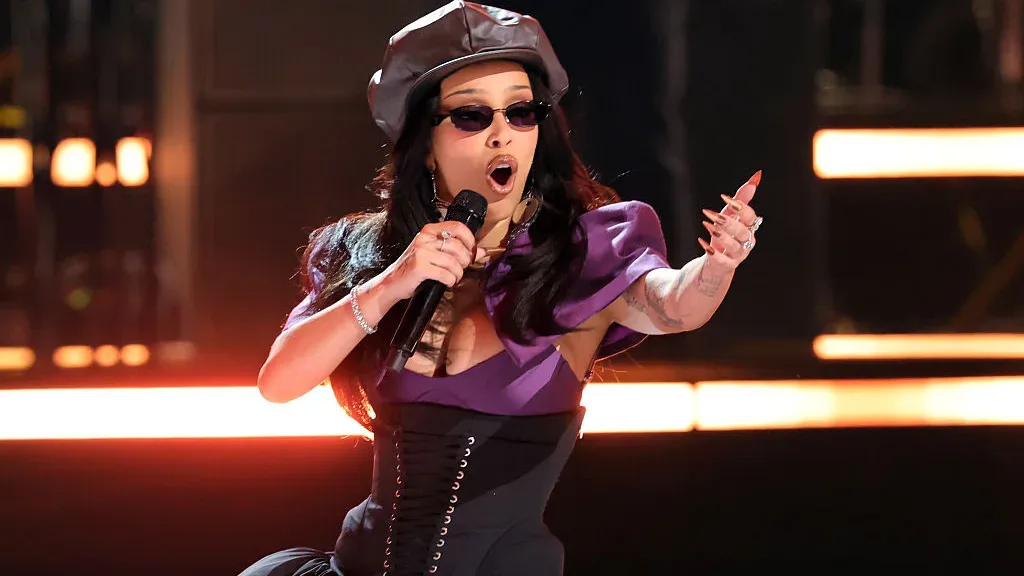
The station roster is unusually broad. Several channels also feature celebrity hosts, giving the dial distinct voices as well as distinct musical identities.
- Flash FM: Pop, hosted by Robyn and Alex Consani.
- Emotion 98.3: Soft rock.
- Vice City FM: 1980s pop, hosted by Weird Al Yankovic and Brigitte Nielsen.
- Stockyard FM: Dance music, hosted by PinkPantheress and The Dare.
- Dirty South Classics: Southern rap, hosted by Trick Daddy, Trina and Gucci Mane.
- VCRR: Modern rap, hosted by JT and DJ Stevie J.
- Honey FM: 1990s R&B, hosted by Chilli and T-Boz.
- Cocoteo FM: Reggaeton and Latin music, hosted by Bad Bunny and RaiNao.
- Radio La Ola: Older Spanish music, hosted by Gloria and Emilio Estefan.
- Radio On-U: Reggae.
- V-Rock: Classic rock, hosted by Lindsey Buckingham and Michael McDonald.
- The Chamber 106.6: Heavy metal, hosted by Kerry King and Tom Araya.
- Back Country Radio: Country, hosted by Morgan Wallen, Lana Del Rey and Jeremy Dufrene.
- Gloriana Blues Radio: Blues, hosted by Keith Richards and Buddy Guy.
- Leonida Jazz Radio: Jazz.
- Symphony FM: Classical, hosted by Yuja Wang.
- Worldwide FM: World music, hosted by Gilles Peterson.
- CircoLoco Records Radio: Club music, hosted by Seth Troxler and Antonio Carbonaro.
- AfroBank FM: African music, hosted by Burna Boy and Palms Trax.
- Kaleidoscope FM: Global music, hosted by Jeremy Irons.
The important point is not merely that GTA 6 includes plenty of genres. The selection separates adjacent styles into their own destinations. Rap is represented by both Dirty South Classics and the contemporary-focused VCRR; Spanish-language programming is divided between Cocoteo FM’s reggaeton and Latin focus and Radio La Ola’s older Spanish format. Rock listeners have a classic-rock option and a dedicated heavy-metal channel. These distinctions give players a more precise way to set the mood without having to settle for one giant, catch-all “hits” station.
Hosts turn formats into stations
Radio hosts are a major part of why a fictional dial feels authored rather than algorithmic. In broadcast terms, the host establishes format identity: the combination of genre, tone, personality and recurring on-air framing that tells a listener what kind of station they have landed on. The names attached to GTA 6’s channels point to deliberately different identities, from the pop pairing of Robyn and Alex Consani to the hard-rock credentials represented by Kerry King and Tom Araya on The Chamber 106.6.
The roster also has a regional implication within the game’s setting. Southern rap, country, reggae, Latin music, older Spanish music, blues and global formats all sit alongside mainstream pop and rock. That range can give a fictional place more texture than a single dominant musical trend would. It does not guarantee that each style will receive equal depth or equal airtime, but it signals an attempt to make the radio dial feel culturally varied.
For players, the easiest way to approach such a large selection is to use stations as mood controls rather than trying to “complete” the soundtrack. Flash FM, Stockyard FM and CircoLoco Records Radio are obvious places to start for more upbeat pop, dance and club material. Emotion 98.3, Honey FM, Leonida Jazz Radio, Gloriana Blues Radio and Symphony FM offer alternatives for lower-key cruising. V-Rock, The Chamber 106.6, Dirty South Classics, VCRR and Back Country Radio provide more sharply defined genre lanes. The breadth means no one has to pretend every song is meant for every activity.
The official album is a smaller, separate release
There is also an official release titled Grand Theft Auto VI: The Album, containing 34 tracks. Artists named on that release include Travis Scott, Cardi B, Future, Dua Lipa, Morgan Wallen, Don Toliver, Jennie and Zara Larsson.
It is useful to distinguish that 34-track album from the reported in-game total. A companion album is a curated selection: it presents chosen music in a direct, listen-anywhere format. The in-game radio dial is the much larger contextual experience, where music is organized by stations, interrupted by programming and experienced while traveling through the game world. The album can be a convenient entry point, but it should not be mistaken for a complete archive of GTA 6’s radio music.
That separation also helps explain why a music-heavy game can have both a headline-friendly album and a substantially bigger station catalog. The album foregrounds a limited group of tracks and artists. The radio system is built for variety, repeat exposure and surprise over a long playtime. In other words, one is a selection; the other is an environment.
Why the radio may matter beyond the playlist
Audio can quietly alter how players read a game world. A long drive with a presenter, a song and a stray talk-radio segment has a different rhythm from silence or an interchangeable action score. The reported ability to keep listening on foot through Jason and Lucia’s phones extends that rhythm beyond the driver’s seat. It turns radio from a feature tied solely to vehicles into a more portable piece of the setting.
Of course, the headline figure still has limits. “Nearly 750” should be treated as a strong indication of a huge catalog, not an exact, final promise until a complete official song list establishes it. It also cannot tell players which tracks will become personal favorites, how often songs recur, or how much broadcast material sits between them. Those are experiential questions rather than counting questions.
Even with that caution, the station lineup alone is a substantial statement of intent. Twenty formats, hosts ranging across music and entertainment, phone listening, talk programming and music spanning nine decades give GTA 6 a radio dial designed for far more than filling the gaps between missions. Players already appear to be treating the game’s simulated rules with surprising seriousness—including the reported turn-signal caution around Leonida’s police. With this much music on hand, at least the commute has options.