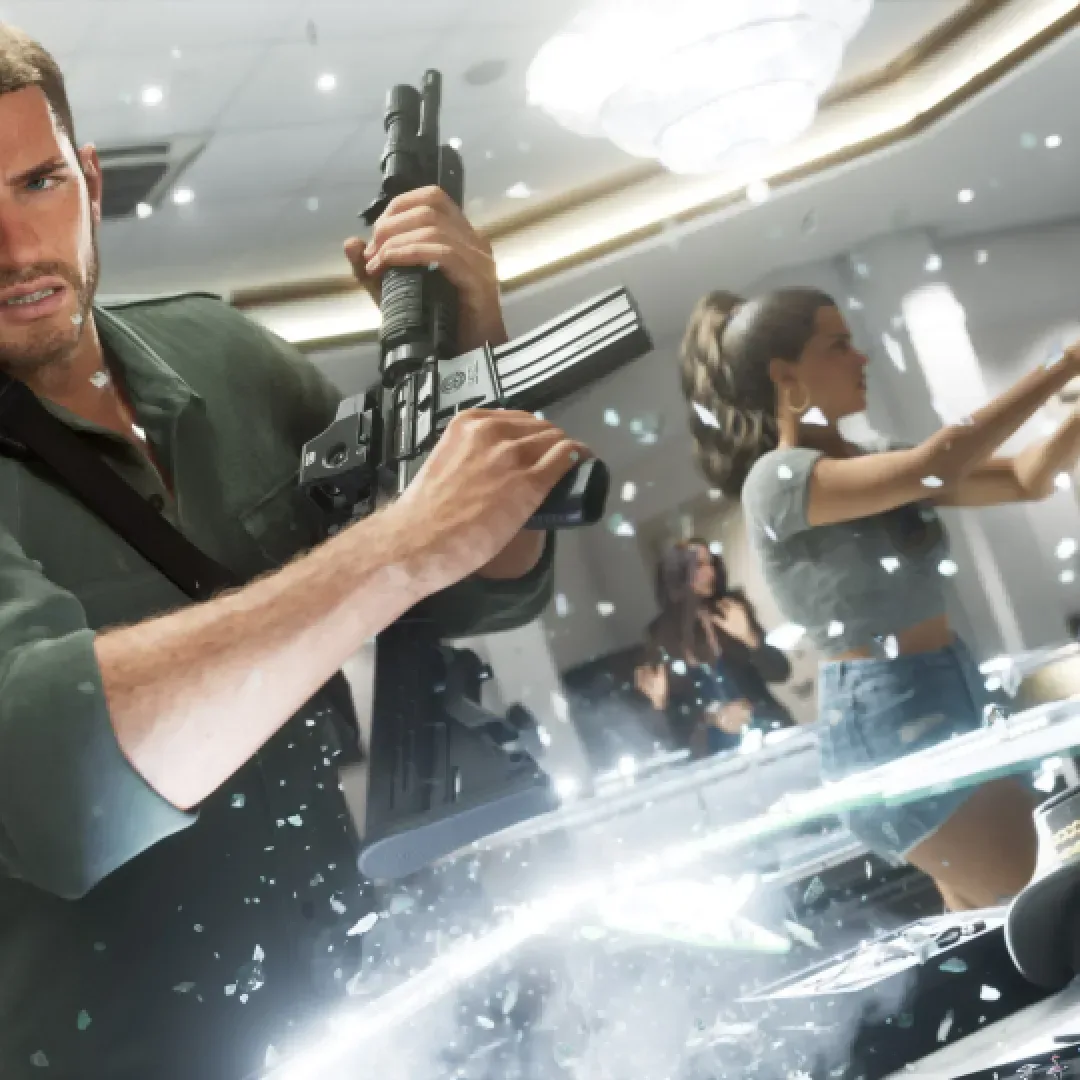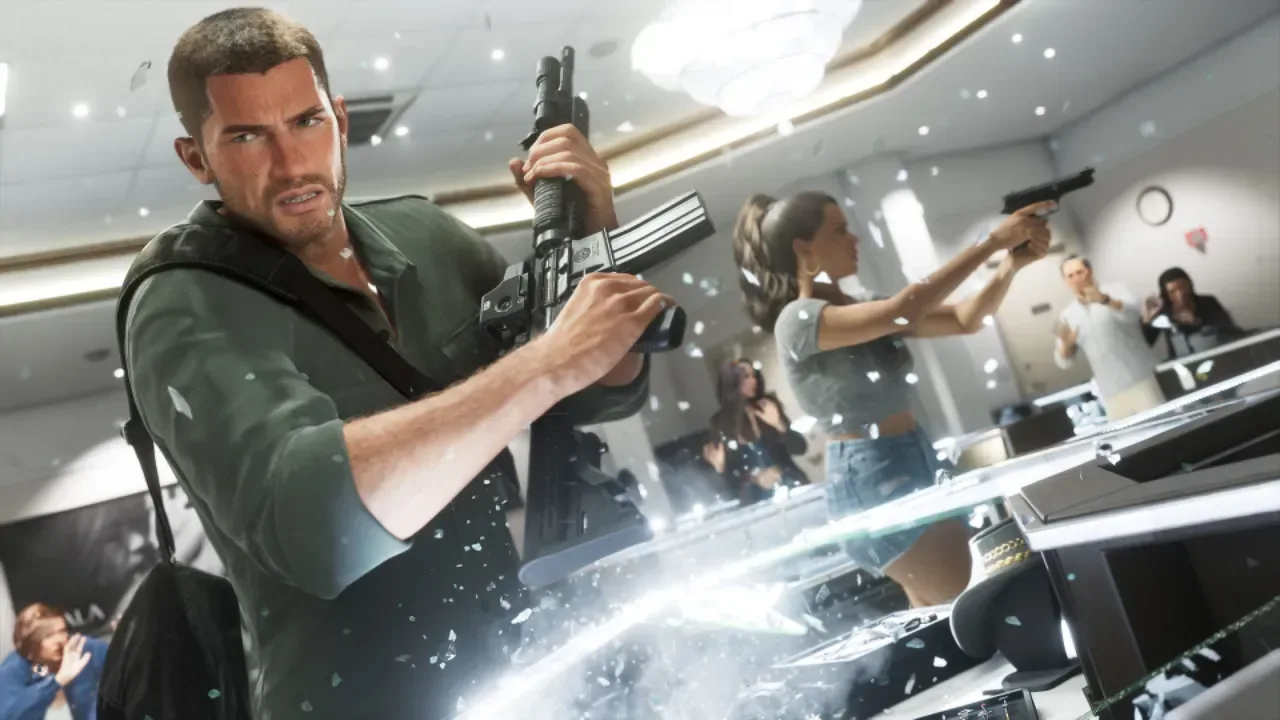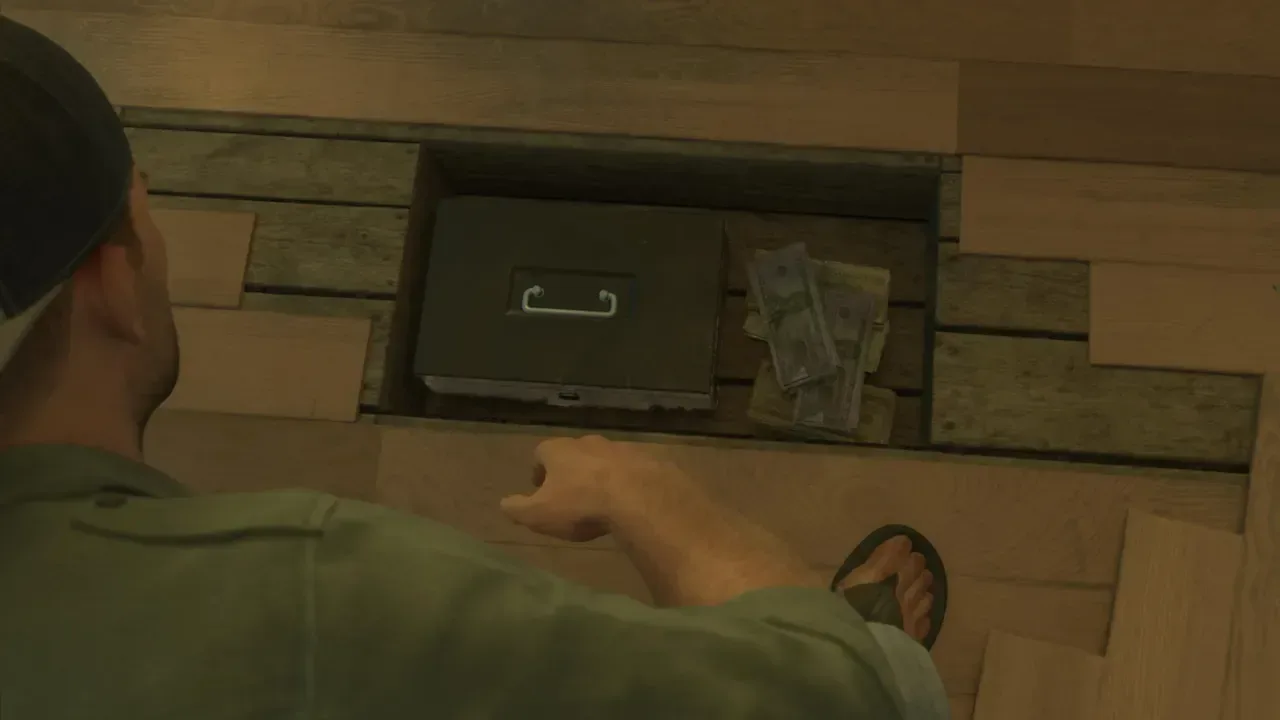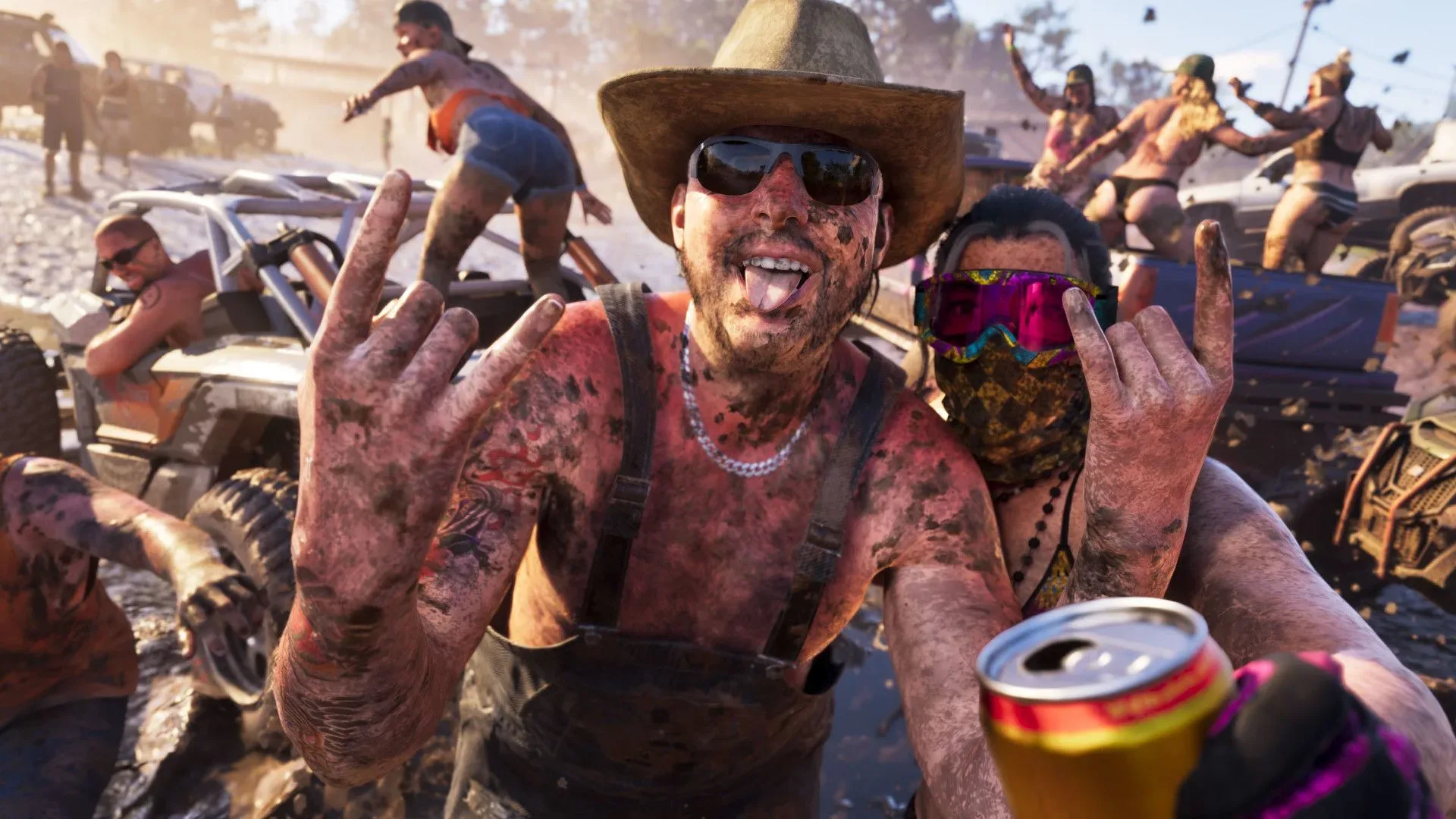
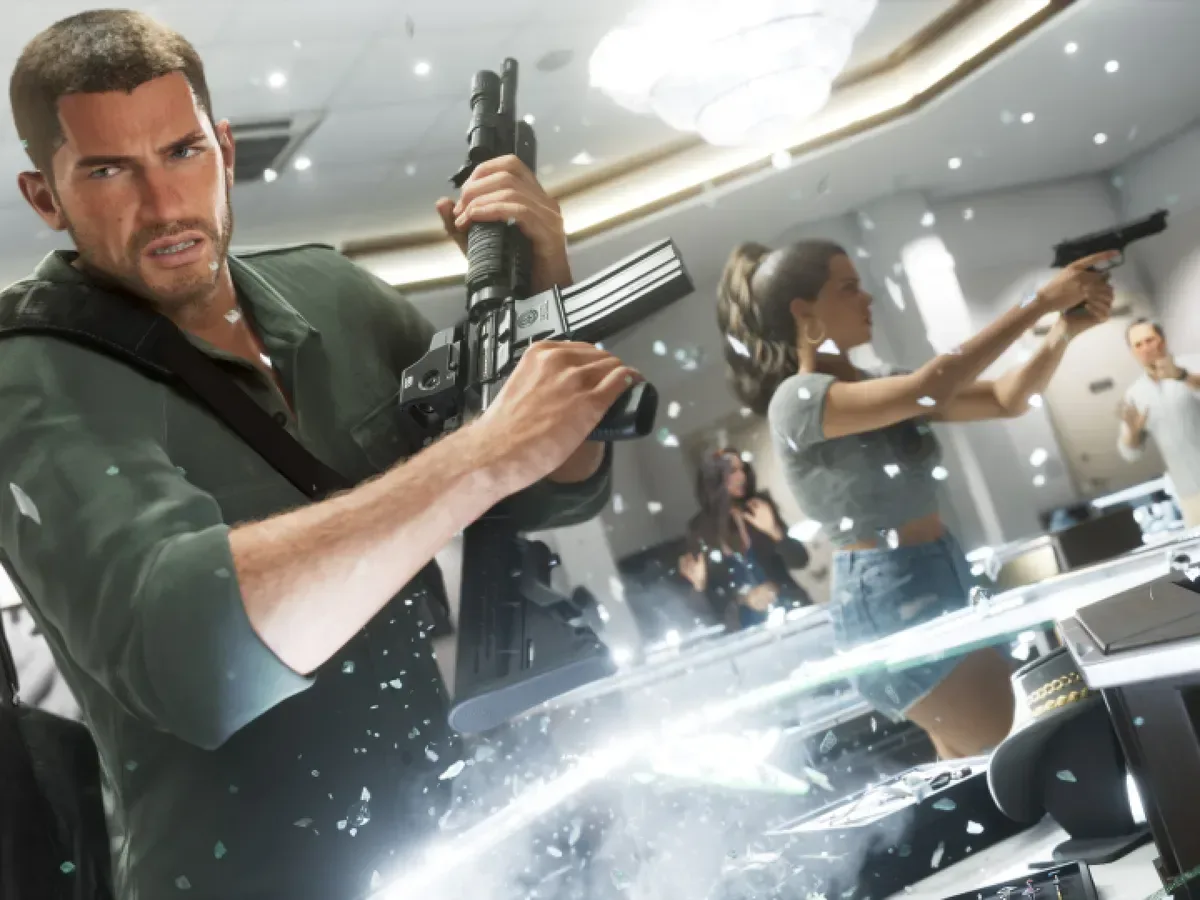
Grand Theft Auto has long invited players to test the limits of a city built for bad decisions. Yet one of the earliest player reactions to Grand Theft Auto VI is a wonderfully upside-down one: plenty of people appear to be trying very hard not to commit crimes at all.
Reports from players describe an early-game Leonida in which borrowing a stranger’s car, carrying a weapon openly, or even lingering in the wrong place can feel less like a carefree sandbox detour and more like an alarmingly effective way to ruin an afternoon. Some players say they have started stopping at red lights. Others are using their own vehicles rather than stealing one. One player’s reaction to a costly taxi ride was not “time to acquire transportation,” but irritation at the fare; stealing a car reportedly did not even occur to them.
That is a striking behavioural shift for a series whose name supplies the punchline. It also suggests that GTA 6’s police systems may be doing more than making chases harder. They seem to be changing the calculation players make before a chase begins.
The fear starts before the wanted level
Players discussing GTA 6’s law enforcement have repeatedly framed their reactions in terms of caution rather than spectacle. Several said they had spent their first hours completing only mission-required crimes, while another said the prospect of taking a random car was genuinely intimidating. A player who entered a backyard and was threatened with a police call described immediately escaping through the water.
The details are anecdotal, and not every player will approach the game the same way. Still, the consistency of the stories is revealing. The concern is not simply that officers are strong in a firefight. It is that a small transgression can lead to an inconvenient, persistent and difficult-to-manage aftermath.
That distinction matters. A conventional wanted level is a game state that signals police attention after a crime. If it is easy to erase, it can function as a temporary price for mayhem: cause trouble, drive fast for a short time, then resume ordinary play. GTA 6’s reported system asks more of the player once they have attracted notice, making the cost feel longer-lasting than a brief pursuit.
Players have also reported that police can be triggered with unusual ease, including confrontations after filming an arrest. Whether someone sees that as an impressive simulation detail, a source of tension, or a reason to keep their phone down will likely depend on how much they enjoy risk. But it helps explain why the supposedly lawless vacation has produced a cohort of very careful motorists.
Escaping is only the first job
The reported approach to evading police has several stages. Fleeing the immediate scene can get officers off a player’s back in the short term, but it does not mean the area becomes safe again. Police are said to remain highly alert around the location where the crime occurred.
Related coverage includes GTA 6 Players Are Driving Carefully as Its Tougher Police System Changes Everything.
To properly reduce suspicion, players may need to change vehicles, alter their look with a disguise, avoid staying with the person involved in the crime, and refrain from walking around with a weapon visibly carried. In other words, the game’s response appears to treat the escape as a process rather than a single fast drive through a tunnel.
That is the practical reason a stolen car has become less appealing in these reports. Taking one may save time or money now, but it can leave the player managing attention in the same neighbourhood afterward. A taxi’s $162 fare may suddenly look less absurd if the alternative involves leaving the area, replacing the car, changing clothes, and avoiding a conspicuous firearm.
Players should separate what is known from what is inferred here. The reported mechanics establish that changing vehicles and appearance, staying away from an associate, and not openly carrying a weapon can matter after a crime. The broader idea that this makes players behave more cautiously is an interpretation of the player accounts—not a guarantee that every crime will demand the same response or that every player will decide the risk is too high.
Why the system changes ordinary travel
Open-world games teach habits through consequences. If road rules have no meaningful downside when ignored, players learn to cut through traffic and regard every parked vehicle as a convenient spare key. If enforcement is swift, forceful and persistent, ordinary travel acquires a different role: it becomes a way to preserve control.
GTA 6’s reported police behaviour appears to make mundane choices strategically useful. Driving a personal car, taking a taxi, avoiding a neighbour’s backyard, or simply keeping a weapon out of sight are no longer merely role-playing flourishes for players who want to be polite. They can be ways to avoid triggering a difficult escape-and-evasion sequence.
There is comedy in the outcome. Players who once might have responded to an expensive taxi with a grand theft auto now report accepting the fare, grumbling, and carrying on. Others say they are obeying lights. The series’ familiar fantasy of immediate escalation has, at least for some early players, been overtaken by the fantasy of getting home without becoming the subject of an active police search.
This may also make the game’s quieter moments feel more deliberate. A player who refuses a casual theft is not necessarily declining the sandbox; they are choosing when to engage it. The eventual decision to cause chaos can carry greater weight when it is no longer treated as a harmless reset button.
Six stars sound like a commitment
GTA 6 also reportedly includes a six-star wanted level. Reaching that level is described as extremely difficult, but the key detail is more intimidating: once six stars are active, the wanted level cannot decrease.
That turns the top tier into something closer to a survival challenge than a normal pursuit. A player who deliberately seeks it out should not expect to simply outlast police interest. The goal instead becomes surviving an encounter that has no ordinary de-escalation path.
For players who want to avoid it, the implications are straightforward. Do not treat a high wanted level as a casual detour, and do not assume the familiar strategy of driving until the problem vanishes will apply at the maximum tier. For players actively chasing the spectacle, six stars appear to offer exactly that: an all-in confrontation where the game refuses to quietly forgive and forget.
The reports also underscore why low-level restraint is suddenly fashionable. If the systems leading up to the top are already encouraging vehicle changes, disguises and careful behaviour around the original crime scene, a six-star state represents the far end of a design philosophy that makes police attention feel consequential.
A new kind of GTA joke: responsible driving
It would be premature to declare that GTA 6 has transformed every player into a model citizen. The game still supports criminal missions, and a six-star wanted level exists precisely because some people will try to reach it. Plenty of players will undoubtedly see tougher enforcement as a challenge to master rather than a warning to heed.
But the early stories point to a meaningful shift in tone. Players are not merely saying that the police are harder; they are describing how that difficulty has changed their impulses. They are taking taxis, keeping their own cars, avoiding minor offences, and approaching police encounters with a degree of caution that would once have seemed hilariously out of place in Grand Theft Auto.
For anyone still getting oriented in Leonida, it may help to settle a few accessibility and presentation choices before testing the local authorities. Our GTA 6 display settings guide covers options including motion blur, brightness reduction and high contrast.
As for the emerging unofficial rule of the road: if the taxi costs $162, it may be wise to pay it. The alternative could involve a police search, a wardrobe change, a replacement vehicle and a very awkward trip back to your own neighbourhood.