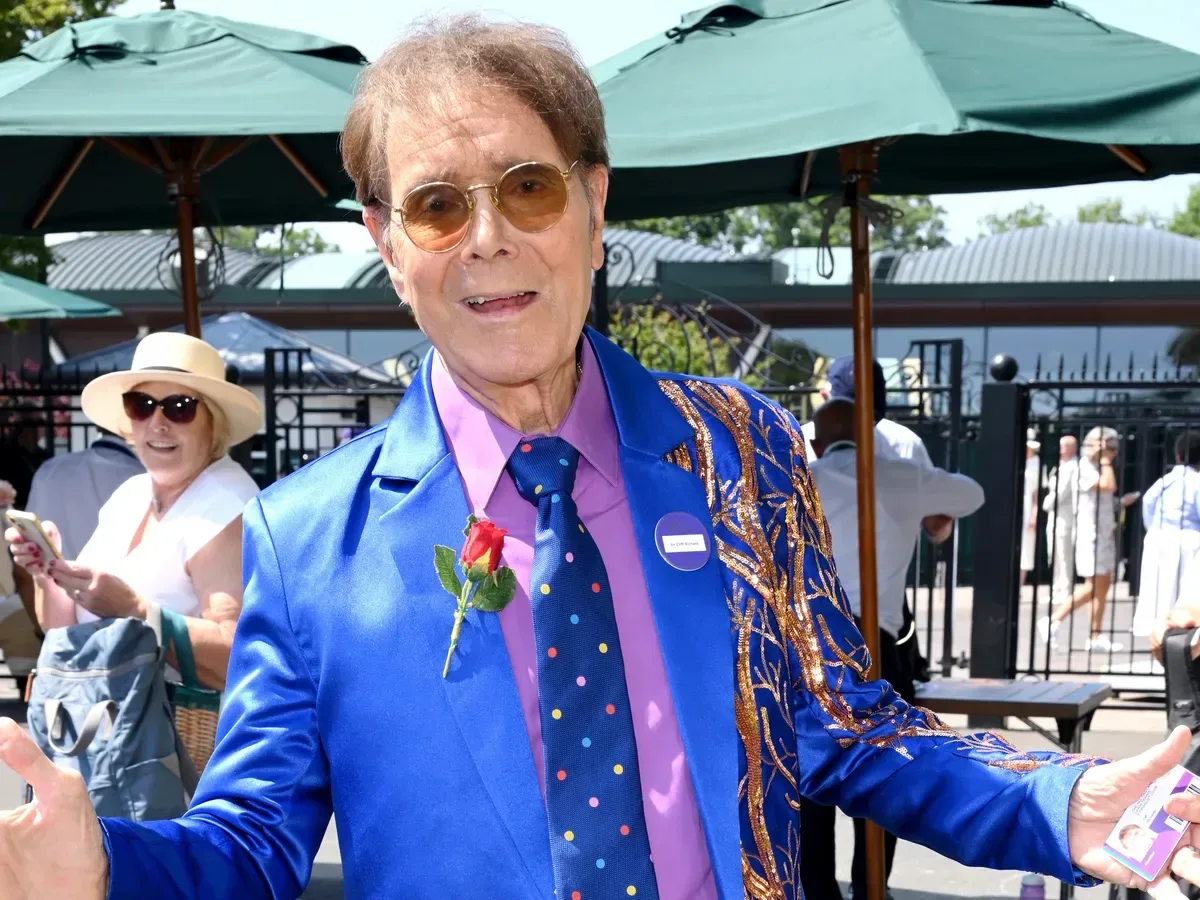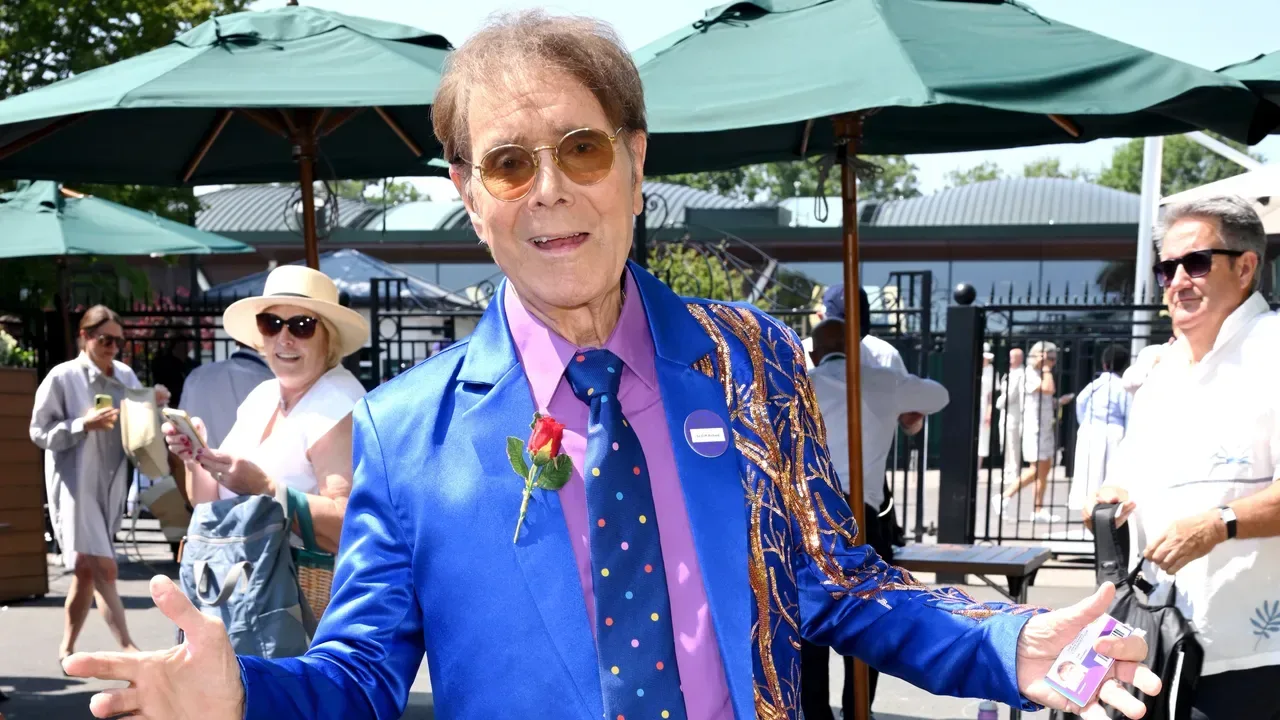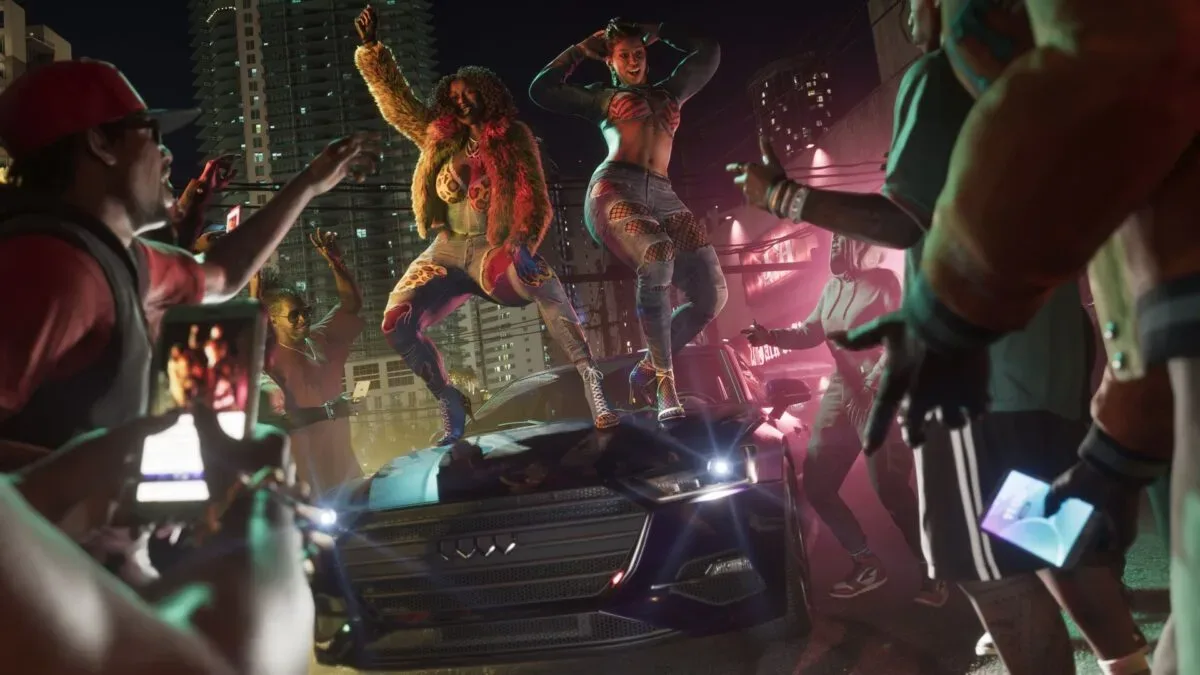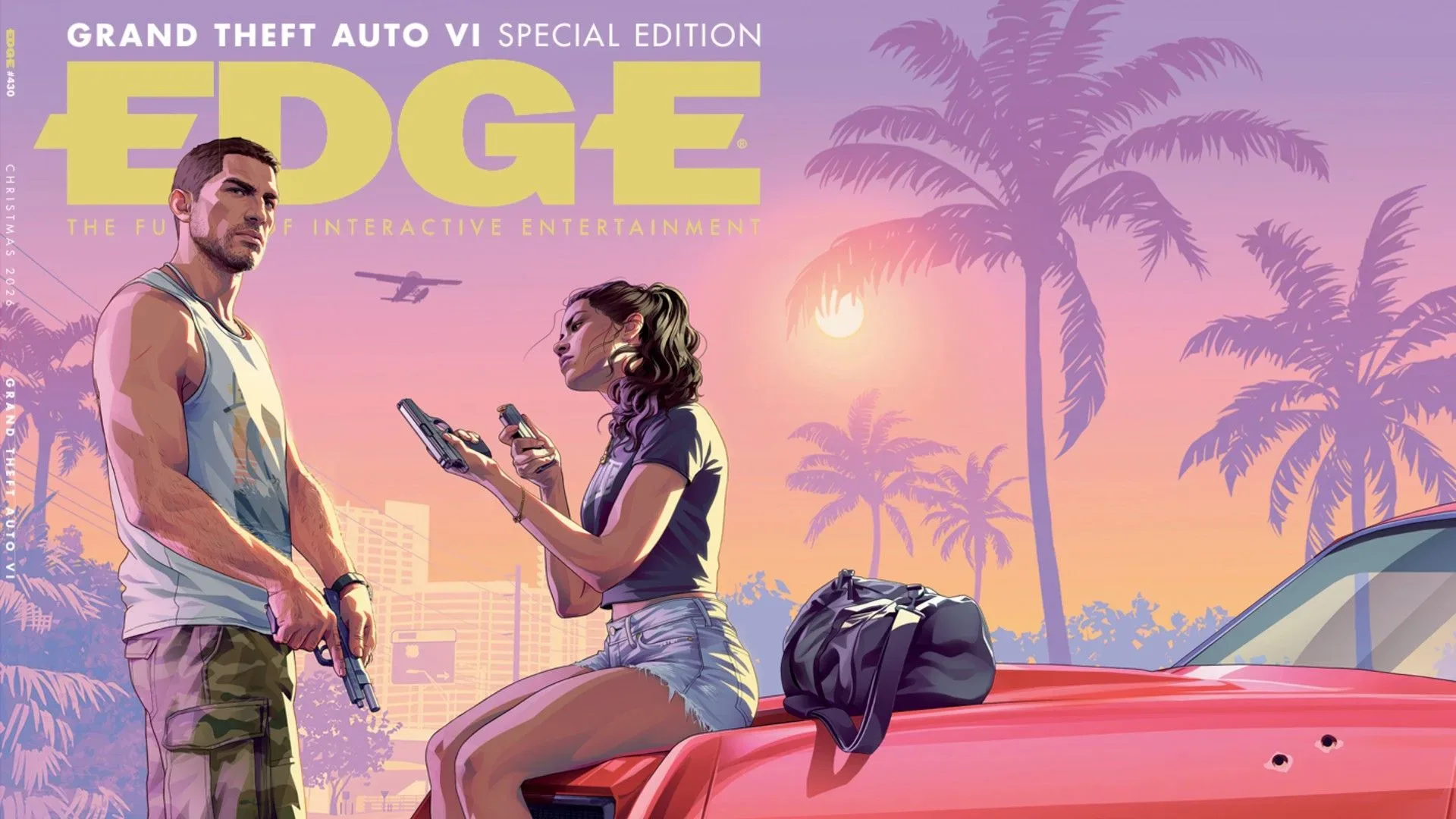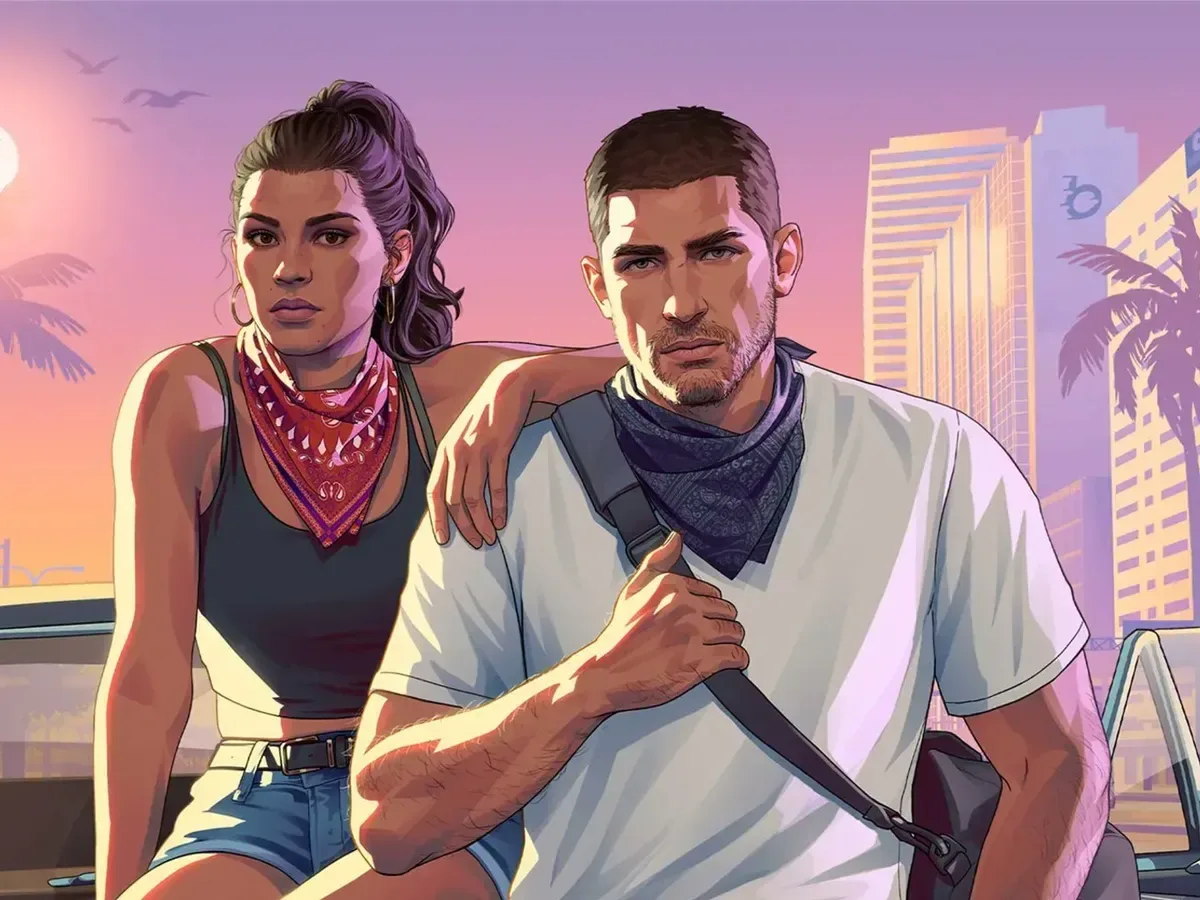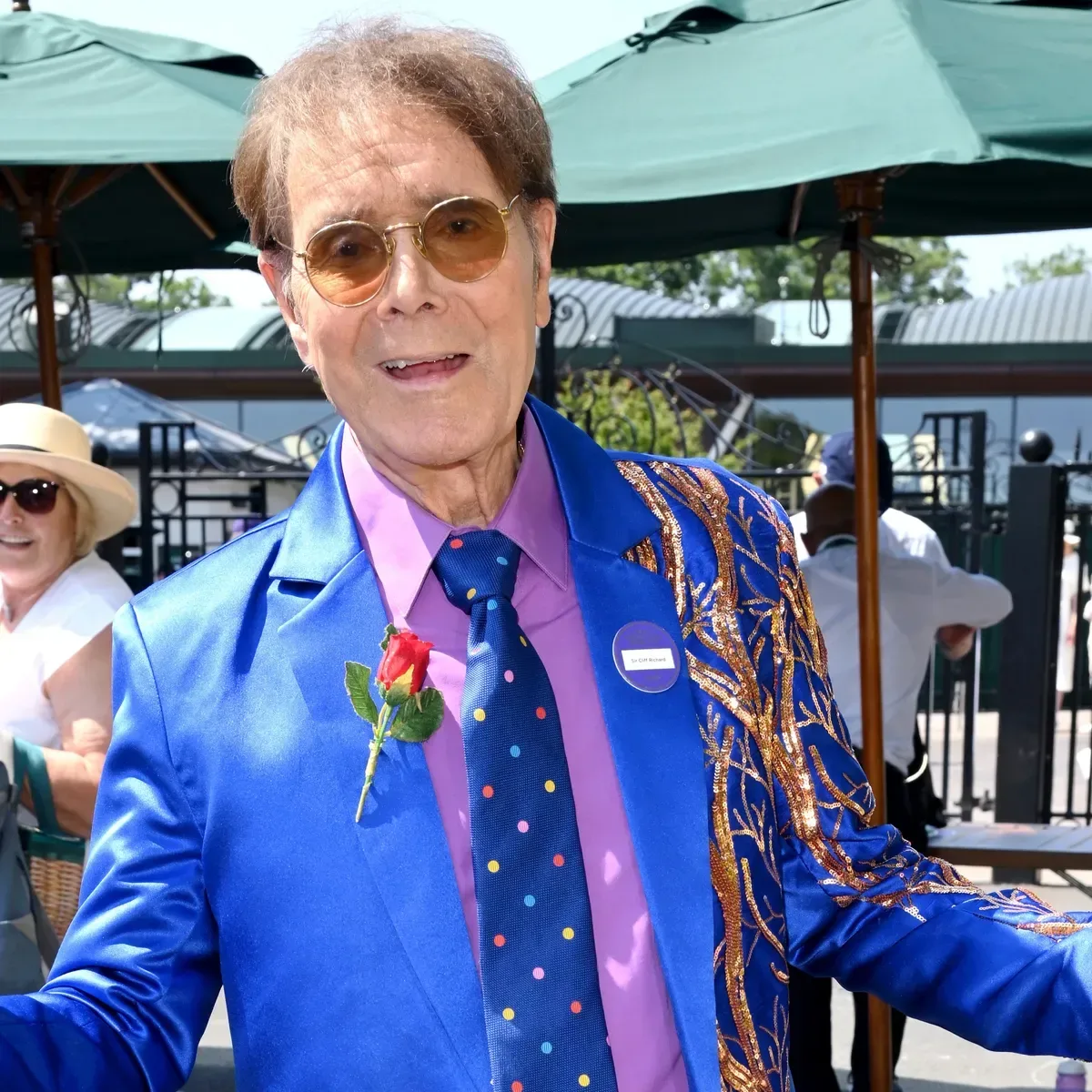
Grand Theft Auto has always treated the car radio as more than background noise. In the run-up to Grand Theft Auto VI, that musical reach is already producing a striking result: Cliff Richard’s 1976 single “Devil Woman” has recorded a 325% increase in daily streams after its appearance in the game’s Extended Look.
It is an especially unusual crossover because Richard, now 86, has said he did not know what Grand Theft Auto was when he heard about the renewed attention. A nephew relayed the news after his children recognized their “Uncle Cliff” in the footage—an intergenerational chain reaction that neatly explains why a decades-old song can suddenly find a fresh audience through a game trailer.
The increase is not a measure of the game’s eventual sales, nor does it establish how long the streaming bump will last. It does, however, offer an early and unusually clear illustration of the promotional force surrounding GTA 6. Before players can even explore Vice City themselves, one selection from the soundtrack has sent listeners back to a record first released half a century ago.
A 1976 track meets GTA 6’s Vice City
“Devil Woman” originally appeared on Richard’s album I’m Nearly Famous. The song had previously received a visibility boost through its use in the 2017 film I, Tonya, but the reported post-Extended Look rise is substantially larger. That comparison matters because it separates a familiar pattern—an older song being rediscovered after appearing in screen media—from the sheer scale of attention currently attached to GTA 6.
Rockstar’s series has a long-established association with licensed music, meaning pre-existing recordings cleared for use in a game. In this case, the track’s placement is part of an extensive GTA 6 music selection rather than a new recording made for the game. Licensing can turn a song into a narrative and atmospheric shortcut: a few seconds of a recognizable vocal, riff, or mood can change how viewers read a location or montage.
For “Devil Woman,” the effect is now quantifiable in daily listening. A percentage increase can sound abstract, so it is worth stating what it does and does not tell us. A 325% increase means the daily total rose by more than three times above its earlier level; it does not reveal the underlying starting figure or the exact number of additional plays. Even so, it demonstrates meaningful renewed interest in a catalog recording that predates GTA 6 by decades.
The choice also fits the broad appeal of a radio-driven open-world series. GTA’s in-universe stations provide a format where older and newer music can sit together without being presented as a nostalgia museum. A listener may arrive because they are following a major new game and leave having found a song with no obvious connection to their usual playlists.
Richard’s response is part of the story
Richard’s reaction has been refreshingly literal. He understood that there was a “game” involved, but initially described it as though it might be a television game show. That misunderstanding is not a knock on the significance of the placement; if anything, it underlines how far the effect of a blockbuster game can travel beyond its most dedicated audience.
Related coverage includes GTA 6 Gives Cliff Richard's 'Devil Woman' a Major Streaming Revival.
He has welcomed the idea that the record remains relevant, while also acknowledging that his career belongs to an earlier era. That is a useful distinction. The renewed circulation of “Devil Woman” does not erase its history or turn it into a 2026 release. Rather, GTA 6 gives a contemporary audience a new doorway into a song that already had its own place in Richard’s catalog.
It is also a reminder that music discovery is not confined to music-first spaces. People encounter songs in trailers, films, social clips, broadcasts, and games, then seek out the full track afterward. A game’s promotional material can therefore be influential before any player reaches a menu screen, especially when the footage is widely shared and repeatedly watched.
What the soundtrack says about GTA 6’s scope
Rockstar has identified music that players will hear through GTA 6’s radio stations while travelling around Vice City. The announced selection spans eras: Richard represents the older end of the lineup, while contemporary artists including Yung Lean and Travis Scott are also named among the musical acts associated with the game.
That mix is more consequential than a simple playlist flex. Radio stations are a delivery system for tone and variety in an open-world game. They allow players to shape a drive or moment-to-moment atmosphere, while the game can use music to suggest the cultural texture of its setting. A lineup that moves between catalog tracks and current artists makes the stations feel less tied to one generation of players.
There is a practical business dimension as well. A placement can be good for the song’s visibility, but it is also the result of rights holders and the game publisher reaching an agreement to use a recording. Richard noted that Rockstar paid to include the track. The streaming response shows why these arrangements can matter beyond the game itself: the inclusion puts a back-catalog song in front of viewers who may never have searched for it otherwise.
None of that guarantees that every announced track will receive the same kind of lift. “Devil Woman” has a particularly strong hook for coverage because of Richard’s age, the song’s vintage, and his candid lack of familiarity with the franchise. Still, the result establishes the music as a point of attention in its own right, not merely a piece of GTA 6 marketing furniture.
Why trailer placements can matter before launch
An Extended Look is promotional footage designed to give viewers a more substantial impression of a game than a brief teaser. The important part for musicians is repetition and context. When a song is paired with visually memorable footage, audiences can identify it, share it, and look it up while the game remains in public conversation.
That differs from a song quietly playing during routine gameplay. A trailer or featured video compresses attention: viewers are primed to notice each production choice, from the imagery to the music. The result can be an immediate discovery spike, as appears to have happened with “Devil Woman.”
For players, the lesson is more mundane but useful: the published song list can be worth following even if the game is still months away. It offers clues about the musical range Rockstar is pursuing, and it can surface artists outside a player’s usual listening habits. The confirmed names should be treated as a starting point rather than a complete description of every listening moment players will encounter in Vice City.
GTA 6 is scheduled to launch on November 19 for PlayStation 5 and Xbox Series consoles. The game’s path to release is also intersecting with broader Rockstar news, including a UK staff union-recognition vote set to run through the launch period.
Analysis: an old song, a new distribution engine
The most notable element of this story is not simply that an older song gained streams. That happens regularly when songs are tied to prominent media. The notable part is the scale of the reported increase before GTA 6 has arrived, coupled with the complete distance between the singer and the game’s usual cultural orbit.
Richard does not need to be a GTA expert for the placement to work. The music is doing what licensed music often does best: carrying its own character into a new setting and giving audiences an easy route into a work they may not otherwise encounter. For a younger viewer, “Devil Woman” may be a discovery. For a listener who already knows it, the track may gain a new association with Vice City and GTA 6.
That makes the 325% streaming rise a small but revealing early marker of the game’s cultural footprint. GTA 6’s eventual impact will be judged on the game itself after release. For now, one concrete effect is already visible: an 86-year-old performer’s 1976 recording has found a new burst of listeners, and its singer is pleased even if the phenomenon remains a little mysterious to him.