Grand Theft Auto 6 has received an M for Mature rating from the ESRB, confirming that Rockstar’s next open-world crime game will contain the kind of adult material long associated with the series. Store listings describe the content as including blood and gore, intense violence, mature humor, nudity, strong language, strong sexual content, and the use of drugs and alcohol.
In the UK and other PEGI territories, the game has similarly been assigned a PEGI 18 classification. Neither result is surprising for a Grand Theft Auto release, but official age ratings are still meaningful: they move the discussion away from assumptions based on the franchise’s reputation and toward the specific content descriptors supplied for this game.
The rating is broad confirmation rather than a detailed plot reveal. An expanded ESRB rating summary has not yet been published, so there is no official description of particular scenes, missions, mechanics, or character interactions beyond the language attached to the rating itself.
What the rating confirms
ESRB’s M category is intended for players aged 17 and older. It is a classification, not a content score or a measure of quality. The accompanying descriptors are the more useful part for players, families, and retailers, because they explain why a game falls into that category.
For GTA 6, those descriptors establish several boundaries clearly:
- Violence: “Intense violence” and “blood and gore” indicate that violent criminal action will be depicted at a level the ratings board considers unsuitable for younger audiences.
- Language: “Strong language” signals more than occasional mild profanity.
- Sexual material: Both “nudity” and “strong sexual content” appear in the listing, so this is not merely a rating based on suggestive dialogue or peripheral references.
- Substances: The game includes the use of drugs and alcohol.
- Tone: “Mature humor” points to comedic material aimed at adults, consistent with a series known for satire and crude edges.
Those labels should not be stretched beyond what they say. They do not reveal how frequently any content occurs, whether it is optional or story-mandated, or how interactive particular scenes may be. They also do not tell players the narrative context surrounding violence, nudity, or substance use.
The missing ESRB summary matters
ESRB listings can sometimes include a longer written rating summary in addition to the compact set of descriptors. These summaries often identify examples of language, types of violent acts, and broad situations that led to the final classification. They can be useful for anyone deciding whether a game suits a particular player, even when that player is already within the stated age range.
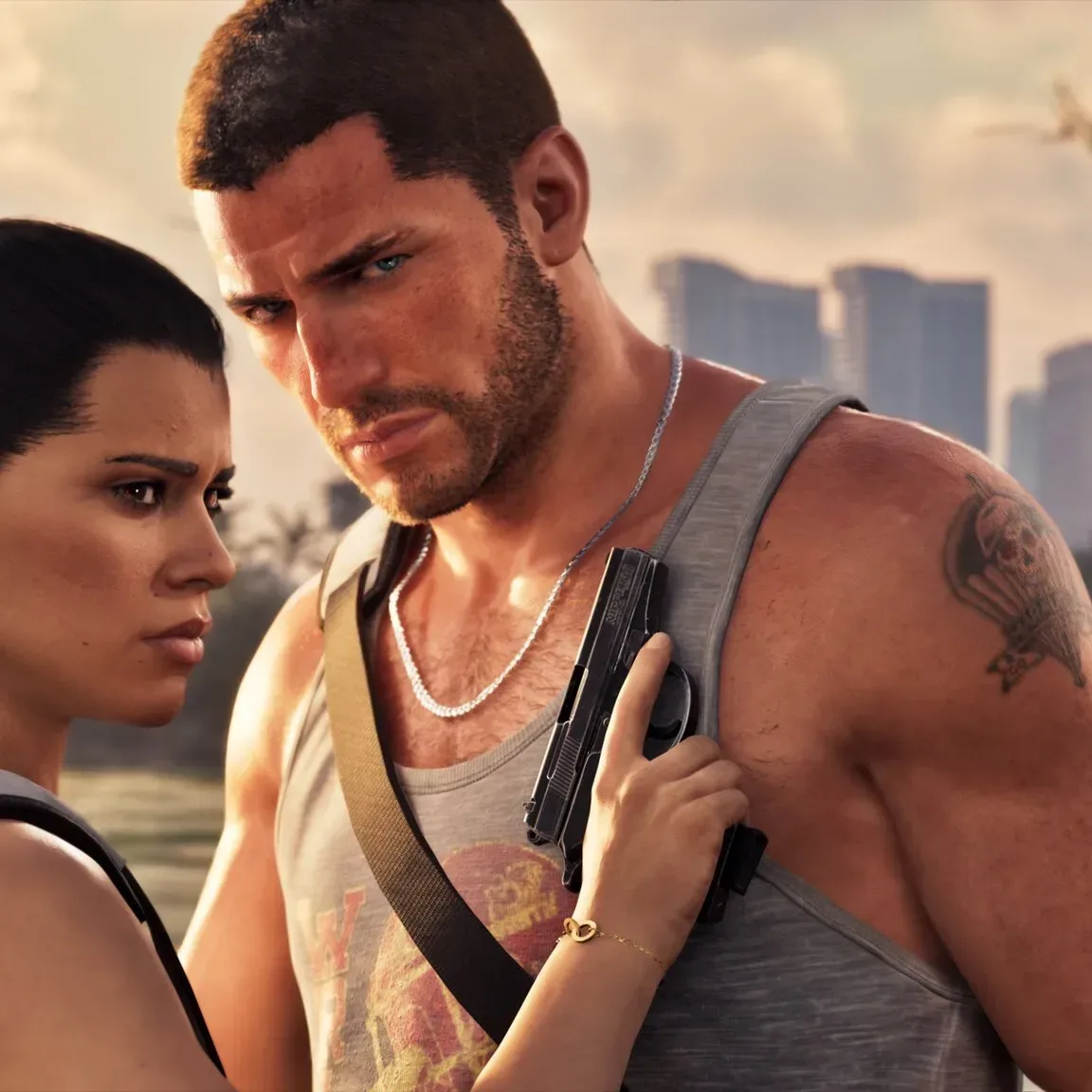
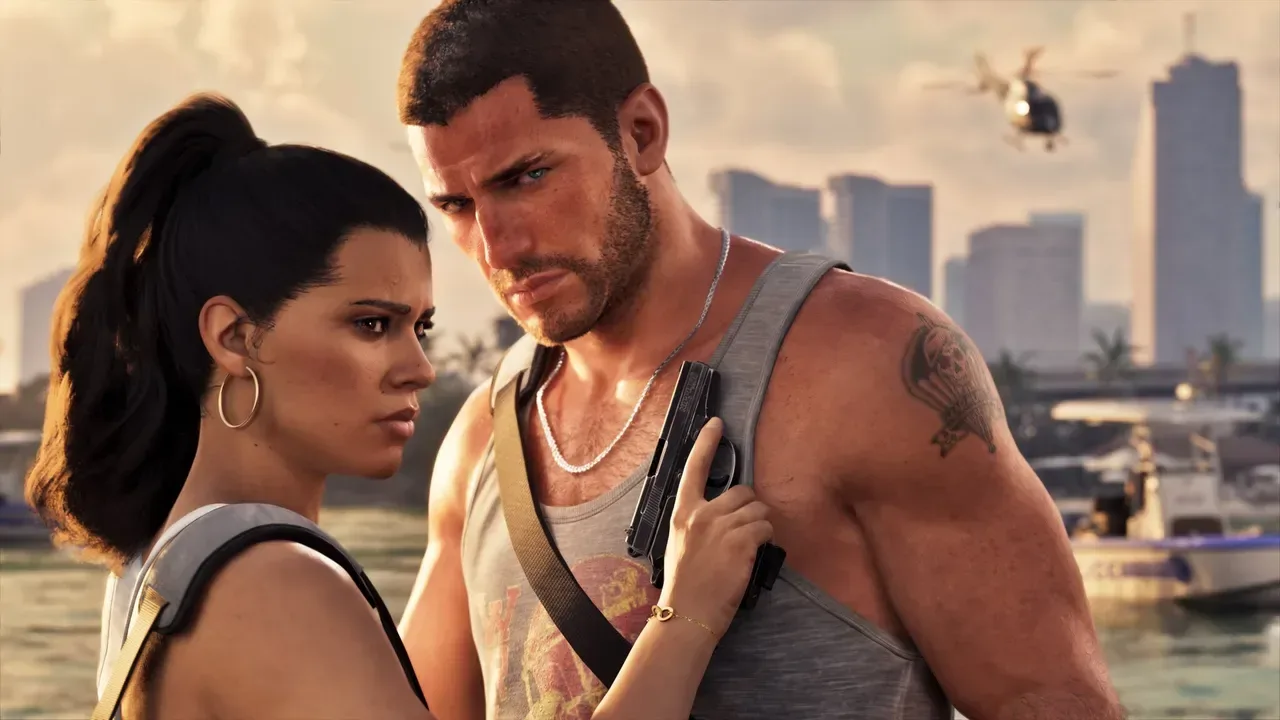
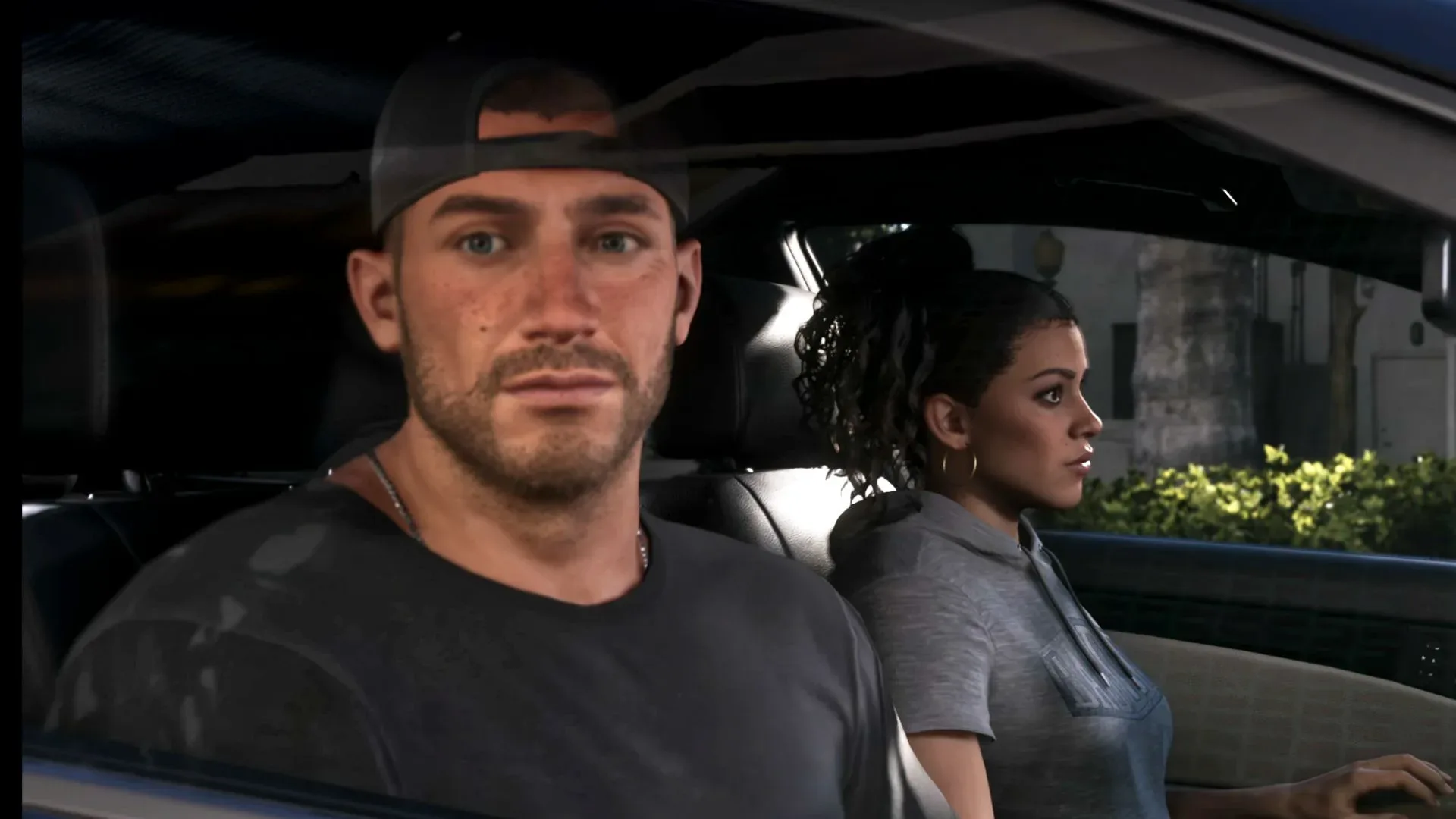
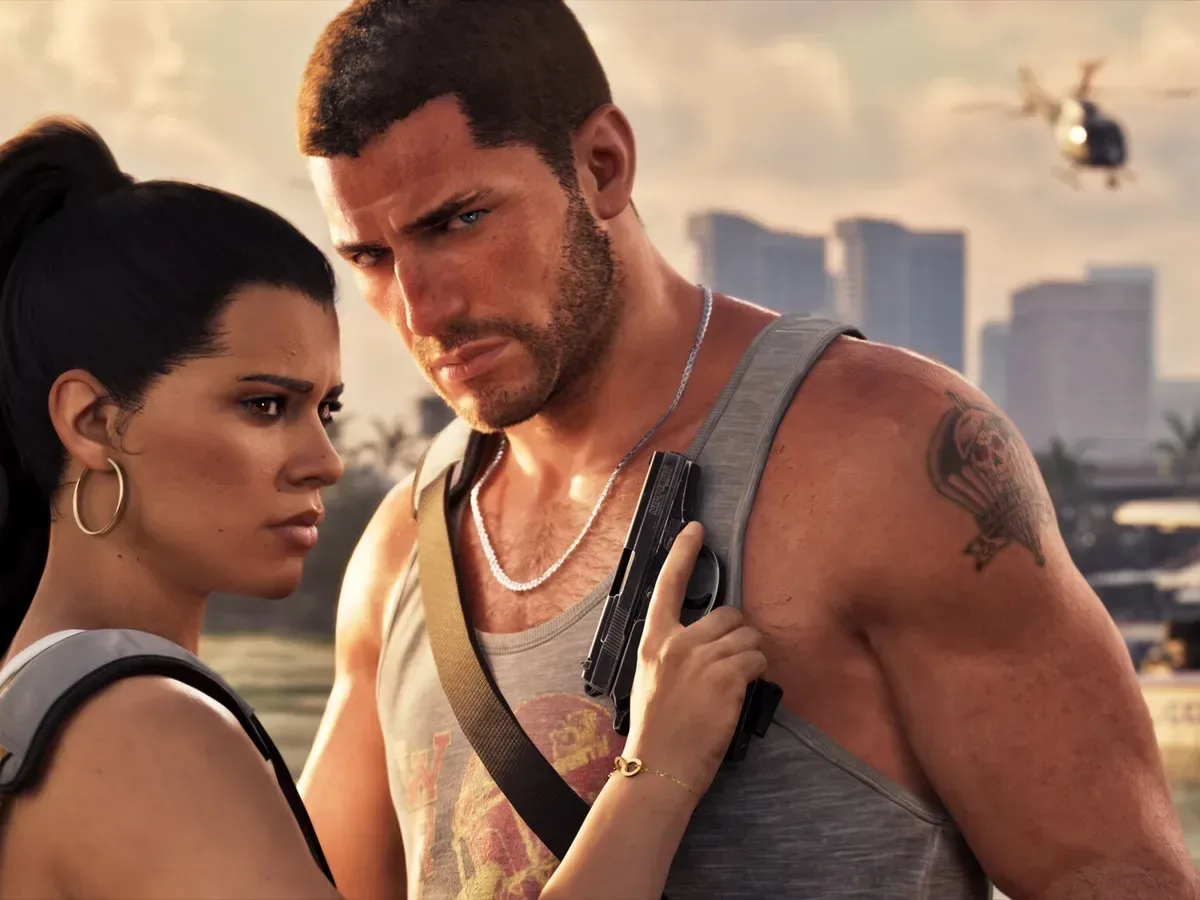
That fuller explanation is especially worth watching in GTA 6’s case. The initial rating confirms strong sexual content, but does not establish the exact form it takes. Online discussion has focused on whether protagonists Jason and Lucia might have sex shown on screen. At present, that is speculation; the published rating language alone cannot confirm or rule out a particular scene.
Related coverage includes GTA 6 Receives Mature ESRB Rating as Launch Draws Near.
Likewise, references to strip clubs have circulated as an expected part of the game’s adult setting, but the available classification does not provide a menu of venues, activities, or missions. An age-rating descriptor is evidence of the presence of a kind of material, not a complete guide to every way that material appears.
Why Grand Theft Auto ratings have a notable history
The series has faced ratings controversy before. Grand Theft Auto: San Andreas contained an interactive sex minigame in its files that had been cut from the released game. Modders restored access to it, and the resulting scrutiny led ESRB to re-rate the game Adults Only, or AO, based on pornographic content. The change brought a short recall and wider political attention.
The distinction between M and AO is commercially significant. M-rated games are designed for adult audiences but remain widely sold through mainstream retailers. An AO classification creates far tougher retail and platform barriers. GTA 6’s M rating therefore places it in the standard mature-release lane despite its extensive list of adult-content descriptors.
Later entries also included sexual content. Grand Theft Auto IV and Grand Theft Auto V let players pick up sex workers and initiate encounters in a vehicle, with limited player input. Those elements were controversial in their own right, but they did not result in an AO classification. The available GTA 6 information does not say whether it will revisit that type of activity or introduce something different.
“In-game purchases” needs a careful reading
The store rating information also includes an “in-game purchases” notice. That phrase can create understandable concern, particularly for a series whose previous online component generated significant revenue through purchasable in-game currency. But it does not, on its own, identify the specific transaction system GTA 6 will use.
Rockstar stated earlier this summer that there are “no monetizations in this game.” The listing’s purchases label may instead be connected to an edition upgrade: the Ultimate Edition is described as granting additional cosmetics, stores, and missions. Without more precise information, it would be premature to treat the rating notice as confirmation of conventional microtransactions in the main release.
There is also a crucial split between GTA 6 itself and a possible future online mode. Rockstar has not provided details about an online mode, and it is not expected to arrive alongside the game this year. Reports and fan discussion have pointed to 2027 for an online debut, but that remains unconfirmed. Any assumption that a future online component will replicate GTA Online’s economy is just that—an assumption, even if its predecessor allowed players to buy in-game currency for clothing, vehicles, and properties.
For consumers, the practical takeaway is simple: an “in-game purchases” marker is a prompt to read edition descriptions carefully, not a full explanation of a game’s business model. Players considering the standard edition and Ultimate Edition should look for clear details on what is included, whether additional content is separately sold, and whether an offer concerns the single-player game or a later online service.
Launch marketing is accelerating, while information remains selective
GTA 6 is in the late stage of its march to launch, with fewer than 50 days remaining at the time the rating appeared. Rockstar’s promotional campaign has included Miami signage and influencer swag boxes. It has also announced a $400 collector’s set, which drew criticism because it does not include a copy of the game.
The combination of a formal rating, high-profile physical promotion, and premium merchandise is a familiar sign that the campaign is becoming more visible. Yet Rockstar has still left major practical details unanswered, particularly around the future online offering and the precise meaning of every transaction-related label on the storefront.
That controlled drip of information is unlikely to dampen interest. GTA 6’s extraordinary anticipation has already become a topic in its own right, including debate over whether another game could reach that level of attention before a hypothetical GTA 7. The scale of the GTA 6 hype cycle has prompted its own industry discussion.
What players can responsibly infer now
The official classifications provide a dependable baseline. GTA 6 is explicitly intended for mature audiences and will feature graphic violence, strong language, adult humor, nudity, strong sexual content, and substance use. PEGI 18 reaches the same broad conclusion for its own audience framework.
Beyond that baseline, restraint is appropriate. There is not yet a detailed ESRB narrative that identifies specific scenes. There is no official explanation of the full “in-game purchases” label. And Rockstar has not outlined a GTA 6 online mode or confirmed when one could arrive.
In other words, the rating settles the question of whether GTA 6 will retain the franchise’s adult identity. It does. The remaining question is not whether the game is mature, but how Rockstar will contextualize those themes—and how much of that context the company chooses to disclose before release.