
Grand Theft Auto 6 has received an Adults Only classification in South Korea, but the decision reportedly came only after the country’s ratings committee first split evenly between approving the game for adults and refusing classification altogether. The disputed issue was not GTA’s familiar combination of crime, drugs, violence and bad language. It was reported to be genital nudity presented without sexual context.
That distinction matters because a classification refusal would not simply have made GTA 6 an adults-only game in South Korea. It would have prevented the game from being released there. The eventual decision therefore clears an important regulatory hurdle for Rockstar’s November 19 launch on PlayStation 5 and Xbox Series X|S.
A tie sent GTA 6 back for a closer examination
Rockstar submitted its South Korean classification application on September 1. In the first vote, held September 10, three committee members reportedly favored refusal while three favored an Adults Only rating. With no majority, the committee postponed a final decision and requested a playable build for further examination.
That build was delivered on September 28. A follow-up meeting was then delayed twice so the committee could conduct what was described as a more sufficient examination of the game. The rescheduled review ultimately took place on October 18, producing a far clearer outcome: eight votes for an Adults Only rating and one vote for refusal.
The resulting content descriptors are Sensuality, Violence, Crime, Drugs, and Language. All five are unsurprising categories for a Grand Theft Auto release, but “Sensuality” was apparently the pressure point in this case.
In ratings terminology, a content descriptor is the label that tells consumers why a work received its age classification. It is separate from the classification itself. Here, Adults Only is the age restriction, while the five descriptors summarize the types of content the committee judged relevant to that restriction.
Why non-sexual nudity became the decisive issue
The reported committee discussion focused particularly on male nudity that was not framed as sexual. That may sound like a narrow point next to the series’ established reputation for violence, criminal activity and provocative satire. Yet classification systems do not necessarily weigh every type of adult material the same way. They apply written standards that may distinguish between sexual context, suggestive exposure, graphic injury, drug use, language, or depictions of crime.
South Korea revised its relevant ratings rules in September 2025. Before that change, even an implication of nudity could reportedly lead to an Adults Only outcome. The revised wording concerns cases where suggestive bodily exposure is depicted directly and specifically. GTA 6 appears to have been the first game to meaningfully test that newer language.
Related coverage includes GTA 6 Reportedly Narrowly Avoided a South Korean Classification Refusal.
That does not mean the revised standard automatically made the game acceptable. The first vote demonstrates the opposite: some members still considered refusal appropriate. But the later 8–1 outcome suggests that access to a playable build, and the ability to assess the presentation in context, changed the balance of the committee’s judgment.
It is important not to overread that result. The rating does not reveal every scene, mission, location or player action in GTA 6. It only establishes that the committee saw enough adult material to assign its Adults Only classification while deciding that the title should still be allowed onto the market.
Violence and drugs were flagged, but did not create the reported deadlock
The report says no equivalent revised rules apply specifically to crime or drug depictions. Those subjects still appear in GTA 6’s South Korean descriptors, alongside violence and language, but they were not identified as the central reason the first vote became deadlocked.
That is especially notable because an earlier PEGI 18 listing, which was later removed, described unusually explicit material. The listing referenced bloody violence with a high degree of realism, including decapitation and dismemberment. It also characterized drug use as frequent and prominent, stating that protagonists Jason and Lucia could use cocaine from their inventory by snorting it directly from their hand.
The deleted PEGI description further referred to strong sexual themes: nudity, intercourse and occasional sexual fetishes. These details should be treated carefully. A removed ratings entry is not a substitute for a final consumer guide or a complete statement of the finished game’s content. Still, it offers a useful indication of why GTA 6 is being assessed squarely as an adult title across multiple territories.
For players, the practical takeaway is straightforward: South Korea’s classification decision is not evidence that GTA 6 has been softened for that market. The known outcome is an Adults Only rating with descriptors that specifically include sensuality, violence, crime, drugs and language. The committee’s eventual approval means the game can be sold there, subject to that adult classification.
Context mattered more than a single descriptor
The sequence of events also illustrates why ratings bodies can request builds instead of deciding solely from application materials. A form can identify nudity, violence, drug use, or sexual content, but a playable version helps reviewers see how those elements appear in gameplay and narrative context. Are they prolonged? Are they optional? Are they played for sexual effect? Are they directly controlled by the player? A ratings board can consider such questions without publicly publishing a scene-by-scene account.
In this instance, the committee’s first tie and subsequent delays were followed by a decisive approval vote. The available information does not identify the exact material that changed minds, nor does it say that any content was altered. The safest reading is simply that the additional review gave members sufficient grounds to classify GTA 6 for adults rather than deny it a classification.
That distinction can get lost in headlines. “Adults Only” and “refused classification” are both severe outcomes from a commercial perspective, but they have very different consequences. An adults-only classification tells retailers and players that a product is legally or formally restricted to mature audiences. A refusal stops the product’s official release in that territory unless the situation changes through revision, appeal, or another regulatory process. GTA 6 appears to have avoided the latter path.
What it means ahead of the November 19 release
GTA 6 is scheduled to launch November 19 for PS5 and Xbox Series X|S. The South Korean ruling removes uncertainty over whether the game could be distributed there at all, even as it reinforces the expectation of adult-only material. Rockstar’s launch trailer has already shown intimate imagery involving Jason and Lucia, while the removed PEGI entry indicated a much broader range of mature content.
Ratings decisions are often treated as spoiler-adjacent previews, but they have limits. Descriptors tell audiences the broad categories reviewers encountered; they do not reliably communicate scale, frequency, narrative meaning, or whether every listed element will be encountered in a particular player’s path. In an open-world game especially, that difference can be substantial.
For now, the clearest confirmed regulatory picture is that South Korean players will have access to GTA 6 under an Adults Only classification rather than facing a complete release block. The path to that result was unusually contentious, with a tie, a requested playable build, two delayed reviews, and a final 8–1 vote.
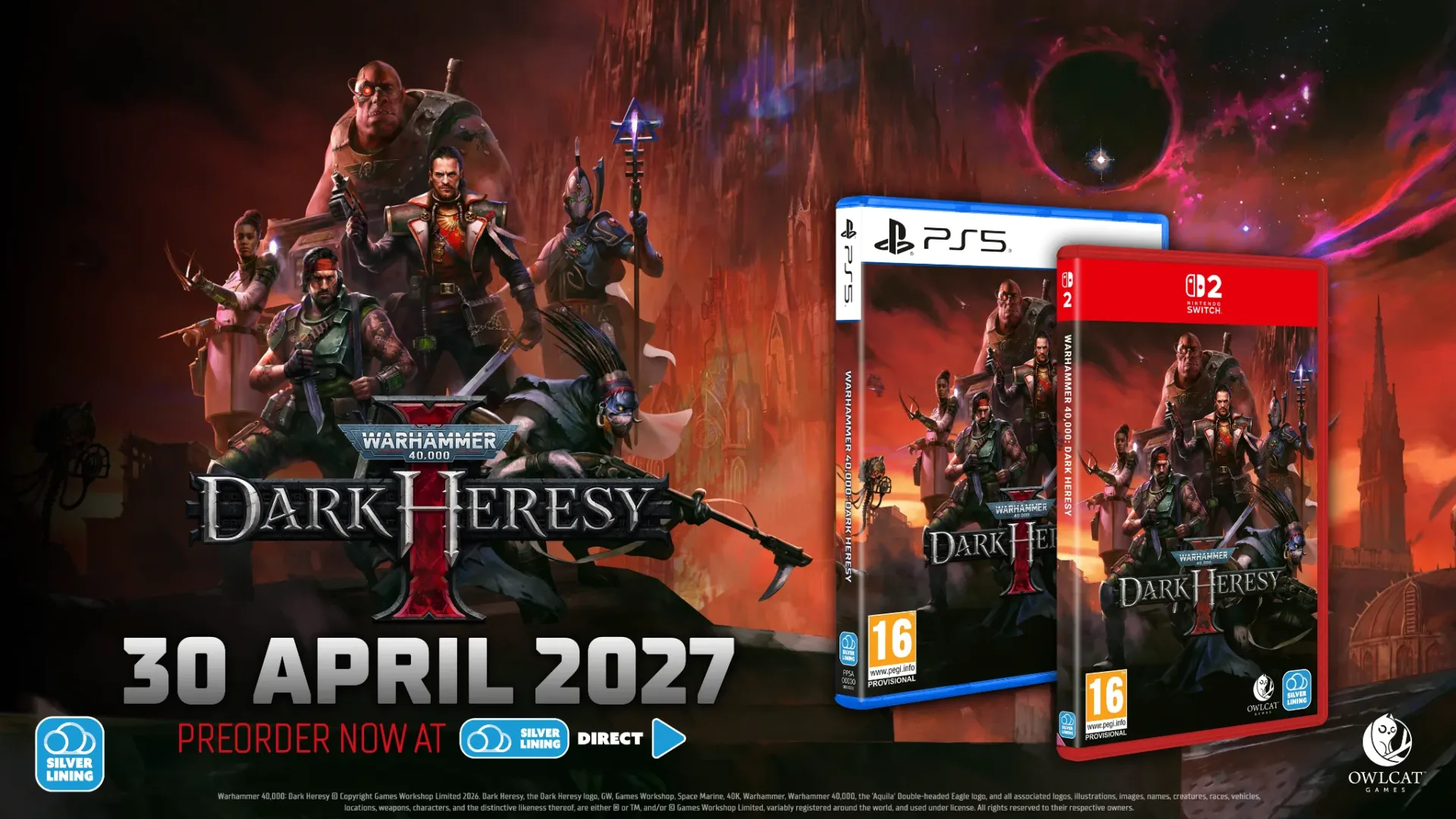
The episode also underlines a broader reality of a worldwide launch: a game’s mature reputation is only part of the story. Local classification language, the exact framing of a scene, and the reviewers’ ability to examine a playable build can all determine whether a game receives a restrictive rating or cannot be released in a region at all. For another look at how release information is handled around major platform launches, see the confirmed PS5 and Switch 2 physical-edition plans for Warhammer 40,000: Dark Heresy.