Grand Theft Auto VI is nearing its November 19 release date, and the progression visible in its promotional material has put Jason and Lucia at the center of the discussion. Comparing the first official trailer from 2023 with later trailer footage and the more recent extended look reveals a consistent art direction, but substantially more intricate character presentation.
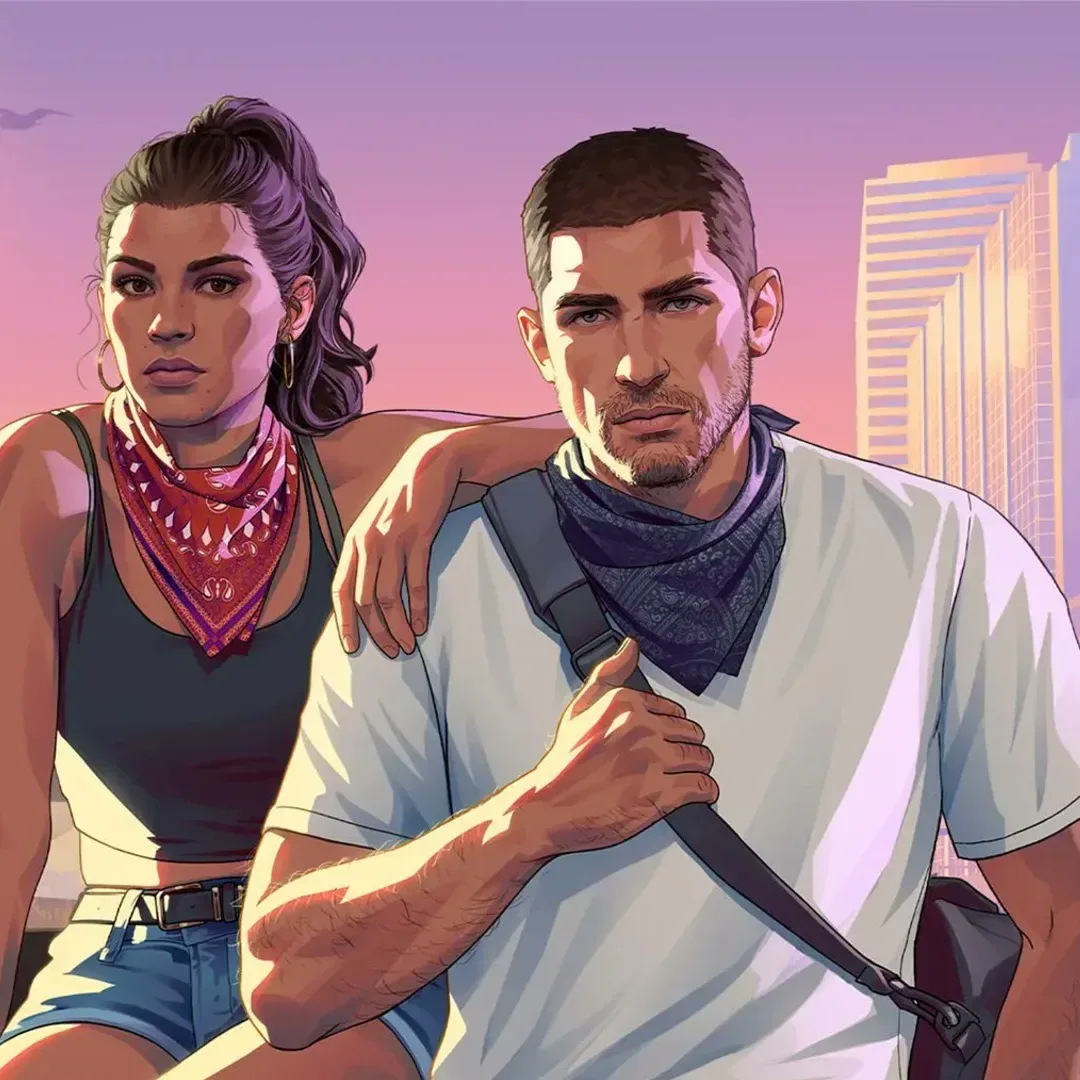
The important distinction is not that the protagonists have become unrecognizable. Lucia and Jason still fit the sunlit, colorful Vice City setting established at the game’s formal reveal. Rather, the later material gives them more surface detail, more varied styling, and more convincing responses to heat and light. For a game built around characters players will see at close range across cutscenes and gameplay, those incremental improvements can make an outsized difference.
A stable visual identity, with denser character detail
The 2023 trailer already made a forceful visual statement. It established vivid color, striking lighting, a densely populated setting, and protagonists intended to look more naturalistic than cartoonish. It was also the first official showing of the game itself, following earlier leaks.
What changed afterward was chiefly the density of the character work. In the first trailer, Lucia’s complexion appears comparatively smooth and uniform. Her ponytail has some motion, but its movement is restrained, and she mostly appears with one core hairstyle. Loose hair around her face adds some variation in early shots, but the overall presentation is simpler than what later footage displays.
For more context, explore Judge Dismisses PMC and Chegg Lawsuits Over Google AI Overviews and Web Traffic.
That does not necessarily make the first version a poor-looking one. Early trailers often communicate a project’s mood and visual target before every asset has reached its final level of refinement. Rockstar North co-studio head Rob Nelson described that first trailer as a “mission statement” for a game that was not yet “fully formed.” In that framing, it served as a guiding target for the team rather than a claim that every visual component had reached its final state.
The subsequent footage looks aligned with that approach. The color palette, setting, and broad design language remain familiar, while the protagonists have been built out with finer material and animation detail.
Lucia’s evolving look is about texture and movement
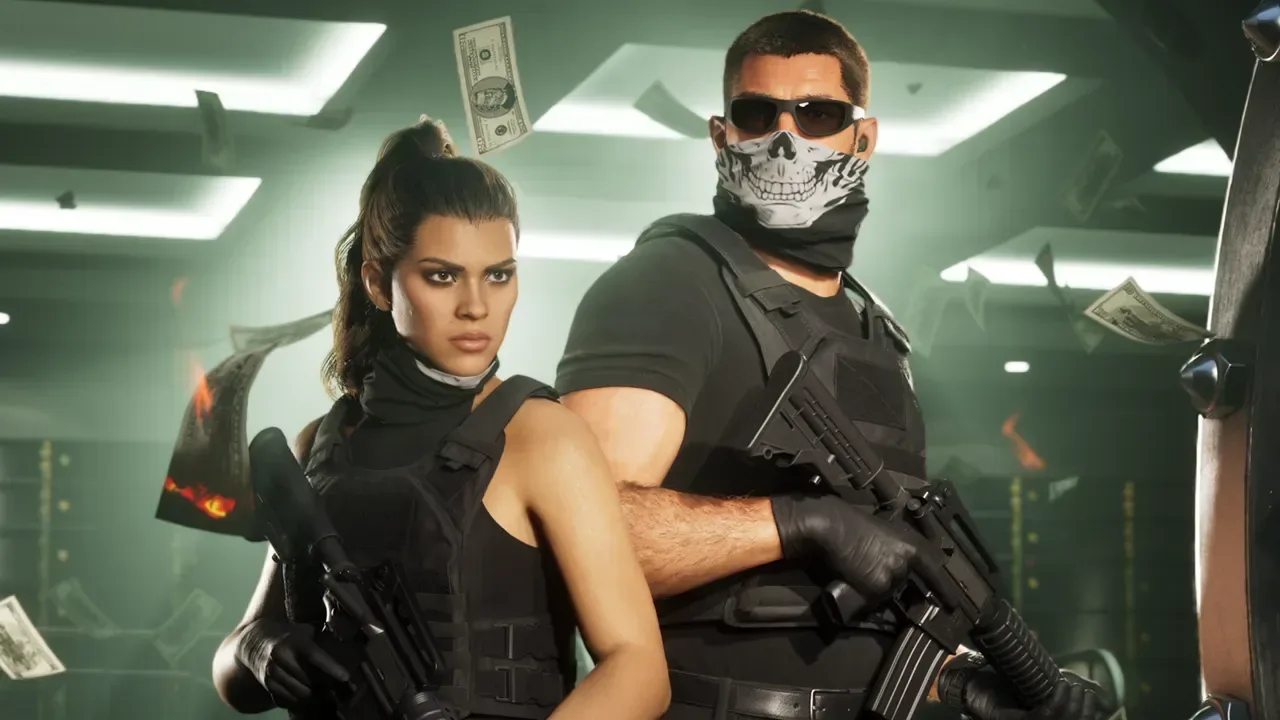
Lucia provides one of the clearest comparisons because she was prominent in the 2023 reveal and appears in a broader range of looks later on. The newer material shows more nuance in how her skin is rendered and illuminated. Her appearance no longer reads as merely a flat facial surface with a texture applied over it; lighting seems to interact with it in a more natural-looking way.
Related coverage includes GTA 6's Jason and Lucia Show a Striking Visual Evolution Ahead of Launch.
Her hair is another visible marker of change. Later scenes include wavy hair as well as her earlier styling, and the increased variety matters for more than fashion. Hair is difficult to make convincing in motion because it needs to retain a believable overall shape while individual sections react to a character’s movement. The supplied footage comparisons point to a greater sense of motion and style variation than the relatively limited ponytail movement shown in the first trailer.
One later appearance places Lucia in a gold dress, a useful showcase for the game’s approach to character styling and lighting. A costume, hair, skin, and a brightly lit environment must all visually coexist without one element overwhelming the others. The later material appears designed to make those elements feel part of the same scene rather than separate layers competing for attention.
What “character-model detail” means here
A character model is the digital form used to create a person on screen. Its perceived quality does not depend on geometry alone. It comes from several interacting pieces: the shape of the face and body, textures that supply color and small surface variation, animation, hair behavior, and lighting.
- Texture detail helps skin look less uniform by representing subtle variation across its surface.
- Lighting response describes how highlights and shadows appear across skin, clothing, and hair.
- Animation gives features such as a ponytail or loose hair the sense that they respond to movement rather than remain fixed in place.
- Material rendering is the broad effect of making different substances look different: skin should not reflect light like fabric, and fabric should not behave like hair.
The visible evolution of Lucia’s presentation is most apparent where these systems overlap: hairstyle variety, improved movement, a more nuanced complexion, and light that appears less artificial across her face and body.
Jason gets more than a hat and stubble
Jason had less screen time in the first trailer, which made his earlier depiction easier to summarize: a shaved head, facial stubble, and a more generic first impression. The later trailer gives him considerably more definition without abandoning that grounded presentation.
His brown hair can be seen extending from beneath a hat, while his facial hair appears uneven in a deliberately human way, with some strands projecting farther than others. These are very small choices, but they are meaningful in a close-up. Perfectly even hair and beard lines can make a digital character look manufactured. Slight irregularity helps sell the idea of a person who has been outside in a hot city rather than a model assembled from clean, symmetrical components.
The later footage also emphasizes perspiration and body definition. Jason’s skin glistens in the Vice City heat, and veins are visible along his arms. In technical terms, the intended effect is not merely “more detail.” It is context-sensitive detail. Sweat changes how a surface catches light, while visible veins and imperfect facial hair introduce texture that is specific to a particular body and situation.
That is why the comparison between trailer eras is more interesting than a simple resolution contest. The later version’s apparent strength lies in the combination of light, small imperfections, hair, and skin effects. Jason looks less like an archetype and more like an individual physical presence within the scene.
Polish is not the same thing as a promise
The extended look has added further refinement, though the difference from Trailer 2 is not described as being as dramatic as the jump from the 2023 debut. Taken as a whole, however, the newer material looks substantially removed from the first official glimpse.
It is tempting to treat every new outfit and hairstyle as a confirmed feature list. That would go beyond what has been shown. The footage does demonstrate multiple looks for Jason and Lucia, and it may indicate a deeper level of player customization. But the material does not establish the full extent, rules, or availability of customization. Viewers should separate a reasonable inference—that the protagonists’ changing appearances suggest flexibility—from a confirmed mechanical promise.
The same caution applies to visual fidelity. Trailer footage is evidence of the creative and technical direction being presented, not a replacement for detailed platform-by-platform performance information. Still, the progression is notable because it moves in a clear direction: the initial trailer’s goals appear to have been preserved and elaborated upon rather than simplified.
Why these details matter for an open-world crime story
Jason and Lucia are not background residents used to establish Vice City’s atmosphere. They are the protagonists, meaning their faces, clothing, and body language will carry a large share of the game’s dramatic weight. More convincing character detail can help dialogue scenes, tense encounters, quiet transitions, and even routine travel feel more immediate.
There is also a practical readability angle. Varied hairstyles and wardrobe choices can reinforce changes in location, mood, time, or social setting. Sweat and changing light can make the climate feel present rather than decorative. Imperfect beard growth and skin texture may sound microscopic, but they contribute to a believable sense that the characters inhabit a physical world with heat, movement, and consequence.
None of that guarantees how players will respond to the story or controls. Visual polish and narrative success are separate questions. Yet the comparison does show a production that has devoted attention to the people at the center of its world, not only to broad city views and spectacle.
Release is close, and the marketing is changing gear
With GTA 6 scheduled for November 19, marketing has begun to intensify. The game has received an M for Mature rating from the ESRB, and physical advertising has appeared in Miami and New York. Those developments fit a project moving from a long period of anticipation into its final release stretch.
For now, the most defensible takeaway from the footage is straightforward: Rockstar’s later GTA 6 material presents Jason and Lucia with markedly richer character detail than the 2023 reveal, while retaining the same broad vision. Lucia’s more dynamic hair and refined skin rendering, alongside Jason’s sweat, visible veins, uneven facial hair, and fuller styling, all point to a more lived-in portrayal.
That portrayal will matter because players are being asked to spend time with these two people, not simply observe them in a trailer. The remaining question is how consistently this level of polish carries through the final game. The closer look so far suggests that the original vision has been sharpened rather than abandoned.