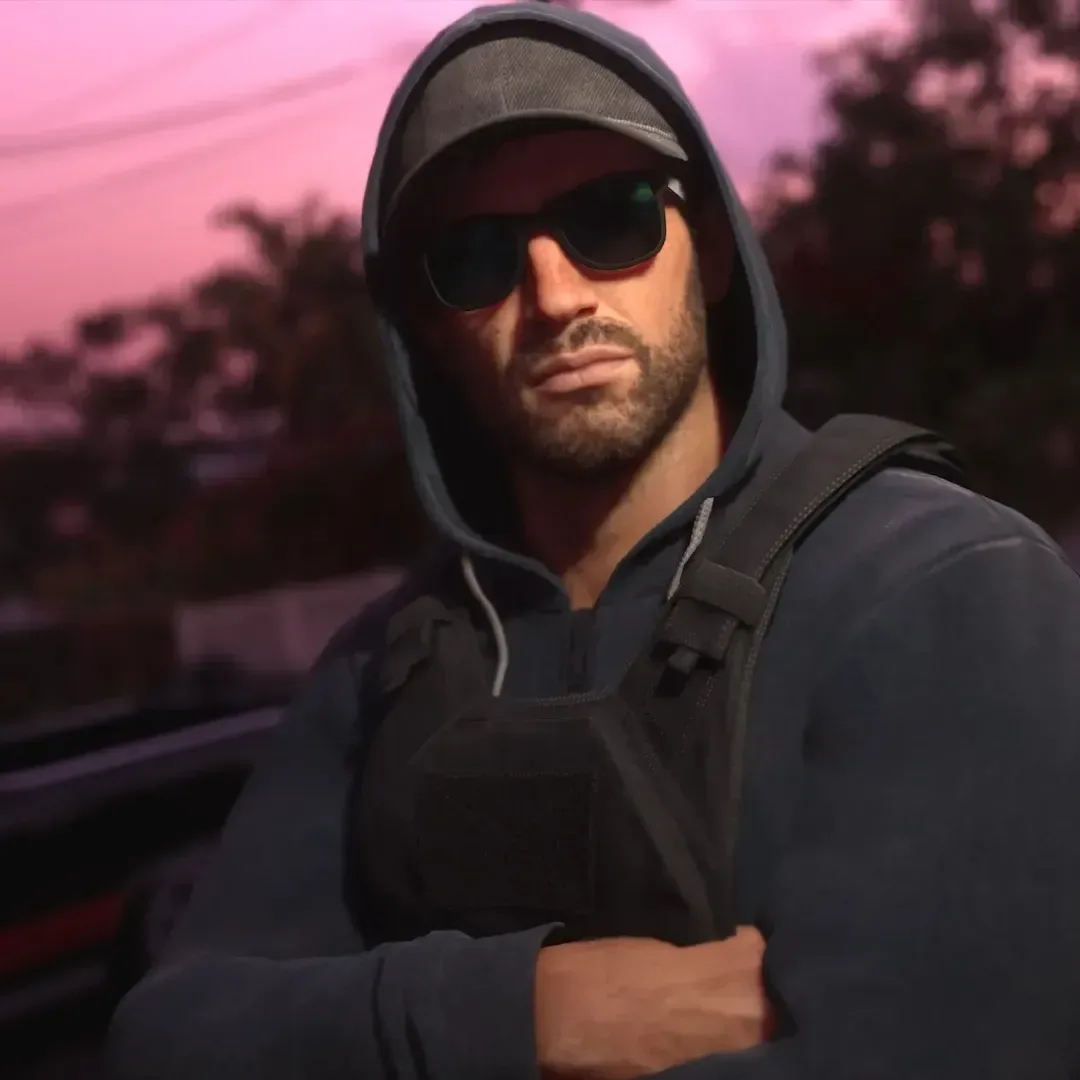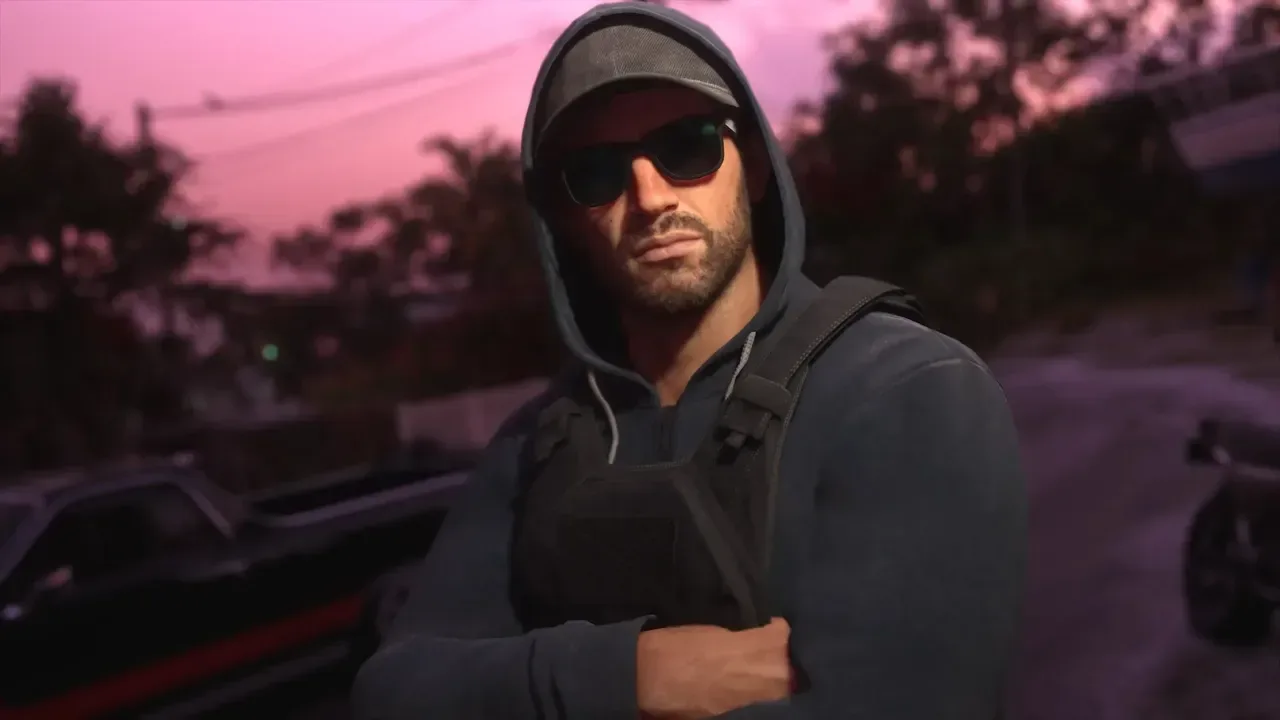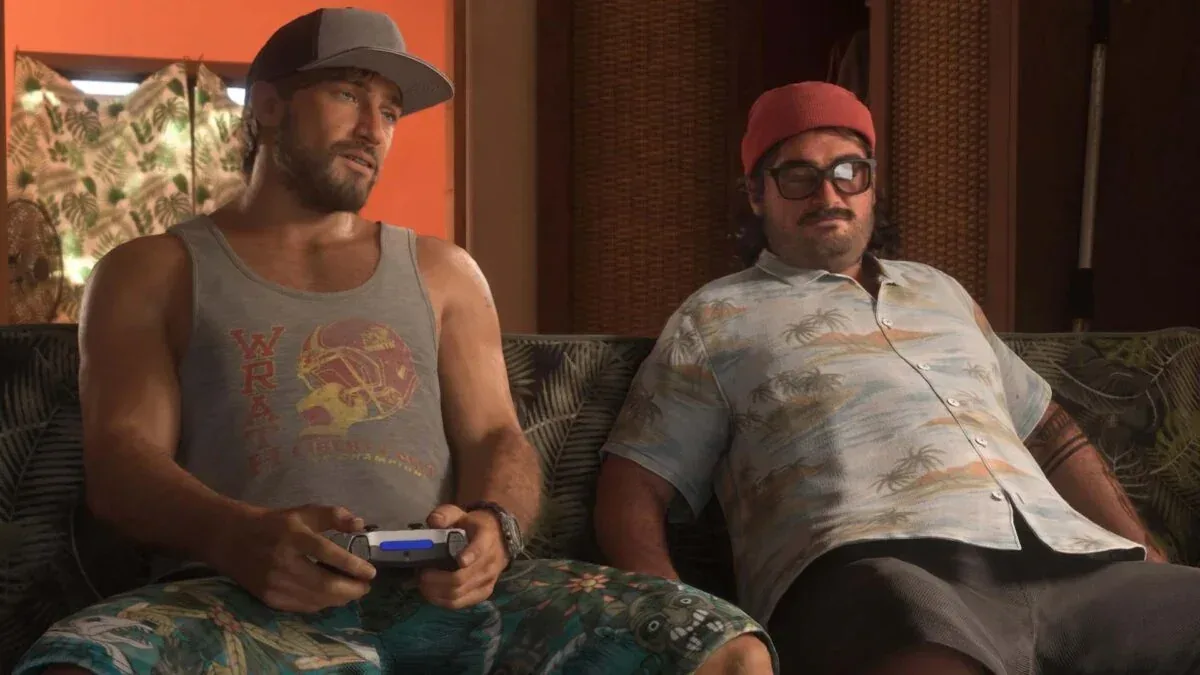
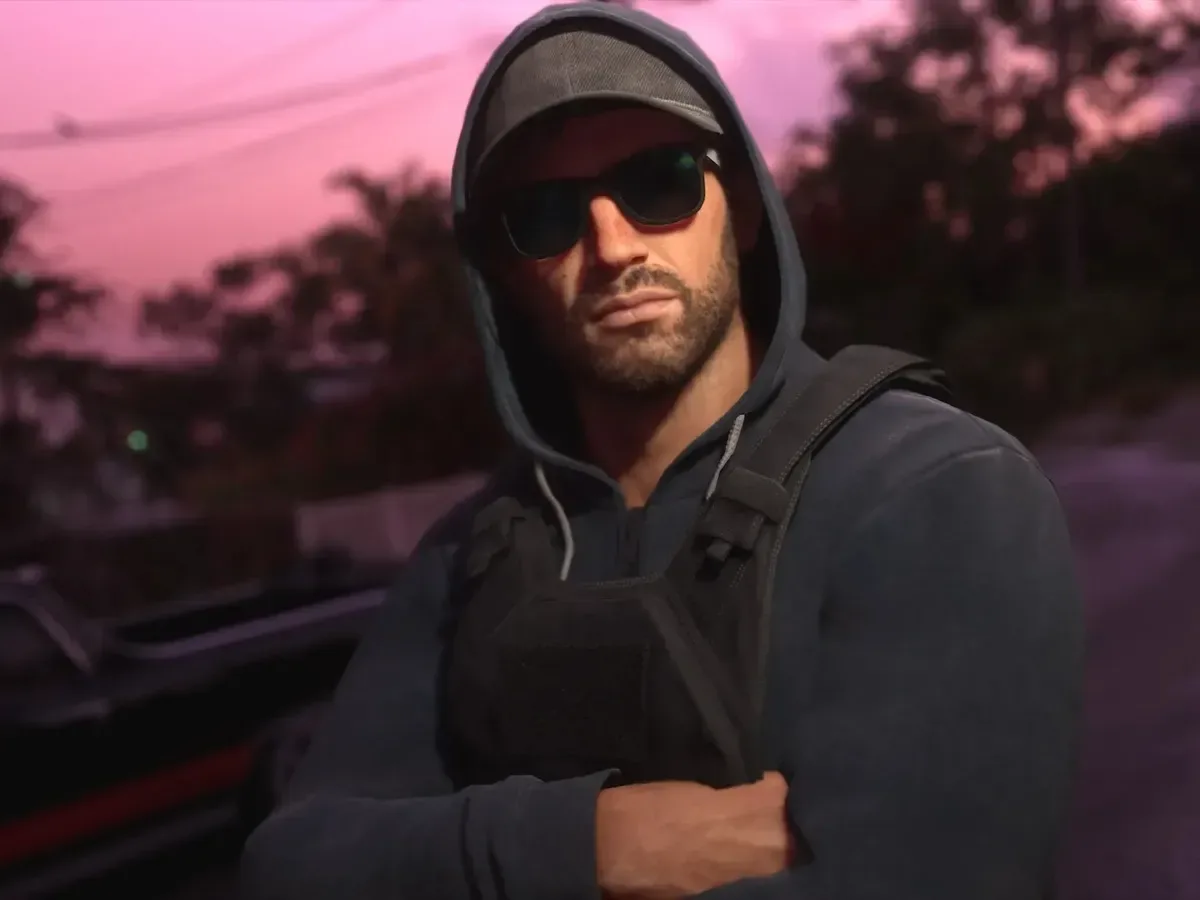
Grand Theft Auto 6 has reached the kind of cultural scale where even police departments are joining the conversation—albeit with a very simple public-safety reminder. Posts from the Atlanta Police Department and police in San Juan, Texas, tell players to leave GTA-style criminal behavior inside the game.
It is a familiar joke built around an unfamiliar level of attention. GTA 6 offers a fictional world designed around player freedom, including criminal activities and an escalating response from law enforcement. Real police agencies are using that premise to make a point that needs no elaborate explanation: games are games, while real-world crimes bring real-world consequences.
Atlanta and San Juan join the GTA 6 moment
The Atlanta Police Department shared a social-media message encouraging people to direct their more extreme impulses toward GTA 6 rather than real life. San Juan police in Texas made a similarly playful appeal, specifically invoking the series’ wanted-level language. Their message emphasized that a six-star wanted level outside a video game is not a challenge to complete; it can mean a criminal jail sentence.
That line works because the wanted system is among Grand Theft Auto’s most recognizable mechanics. In the game, a wanted level is a measure of how intensely authorities pursue the player after certain actions. The stars are part of the fantasy’s feedback loop: cause trouble, face a more dramatic response, escape, and continue playing. In real life, the joke stops at the terminology. Police involvement, arrests, court proceedings, and incarceration are not systems that reset after a failed mission.
For players curious about the game mechanic itself, Joking Joystick has a separate guide on reaching a six-star wanted level in GTA 6. That is firmly a virtual pursuit. The public messages from police departments are a reminder to keep the distinction firm.
A joke with a practical purpose
These posts appear designed to meet a huge entertainment event where people are already talking about it. Public agencies often need messages to compete for attention, and the arrival of a major game gives them a widely understood reference point. A GTA 6 gag can travel further than a dry warning while still delivering the useful core instruction: do not commit crimes.
There is no indication in the available material that the departments are responding to a specific GTA-related incident, or that the game has produced a measurable rise in crime. The posts should not be read as evidence of either. They are better understood as timely social-media public service announcements using the language of the moment.
That distinction matters because debates around Grand Theft Auto frequently slide from fictional content to broad assumptions about player behavior. GTA’s premise has always involved satire, excess, dangerous driving, weapons, policing, and criminality in a deliberately fictional setting. Its appeal is tied in part to the gap between consequence-free play and actual conduct. A player can make reckless choices inside a digital city, then turn off the console. Reality offers neither that clean boundary nor that reset button.
Related coverage includes GTA 6 Prompts US Police Departments to Tell Players to Keep Crime in the Game.
Why the wanted-level reference lands
“Wanted level” is video-game shorthand, but it is also a useful example of why the police posts are so easily understood. In game design terms, a wanted system communicates consequences to a player. It escalates pressure as the player breaks rules, changing the immediate gameplay problem from exploration or mission completion to evasion and survival.
GTA 6’s six-star wording gives the San Juan message an especially direct setup. The department turns a familiar player goal—or at least a familiar self-imposed test—into a warning about the difference between fictional stakes and legal jeopardy. It is a punchline, but not an ambiguous one.
- In GTA 6: a wanted level is a gameplay state within a fictional system.
- Outside the game: criminal allegations can carry legal, financial, personal, and safety consequences.
- The practical takeaway: enjoy the fiction, but do not treat its behavior as something to imitate.
The phrasing also reflects GTA’s unusual reach beyond its regular audience. Plenty of games have crime as a theme, but Grand Theft Auto has long been recognizable enough that a municipal social-media post can assume readers understand the basic reference. That makes the franchise a convenient vehicle for humor—and a lightning rod for criticism.
Concern and satire are arriving together
The police messages are not the only response GTA 6 has generated. The game’s content has again sparked concerns about whether a crime-focused fictional world could have harmful real-world effects. The supplied material does not establish that GTA 6 causes crime or violence, and it offers no sales figure to quantify the game’s reach. It does, however, show the familiar pattern around a major GTA release: public discussion expands beyond gameplay into arguments about satire, representation, taste, and social impact.
One criticism raised in the material concerns the game’s treatment of furries. Furries are portrayed as illegal within GTA 6, with in-game police pursuing and threatening them. Some members of the real furry community have objected to that depiction. This is separate from the police departments’ real-world safety jokes, but it illustrates how a satirical open-world game can contain material that some audiences experience as pointed rather than merely absurd.
That is an important distinction in discussions of satire. Satire can exaggerate recognizable attitudes, institutions, and prejudices for comic effect, but audiences need not agree on whether a particular target or execution is funny. GTA’s tone has long leaned into provocation. The presence of a joke does not settle the question of how it lands, particularly when it centers on a real community.
What the posts do—and do not—say about GTA 6
The Atlanta and San Juan messages are best treated as playful participation in a large entertainment conversation, not as an official assessment of the game or its players. They do not accuse gamers of being criminals. They do not demonstrate that fictional crime produces real crime. And they do not alter the basic reality that most people can understand the boundary between a game’s fantasy and the law.
Instead, they capitalize on a universally legible contrast. GTA 6 lets players engage with fictional crime systems, including robbery and wanted-level escalation, as part of an entertainment experience. Police departments deal with actual harm and actual legal consequences. The gulf between those two things is precisely what makes the joke work.
For GTA 6 players, the advice is refreshingly uncomplicated: take risks in Leonida, not on the street; let the virtual sirens do their job; and remember that the only wanted level worth chasing is the one on-screen.