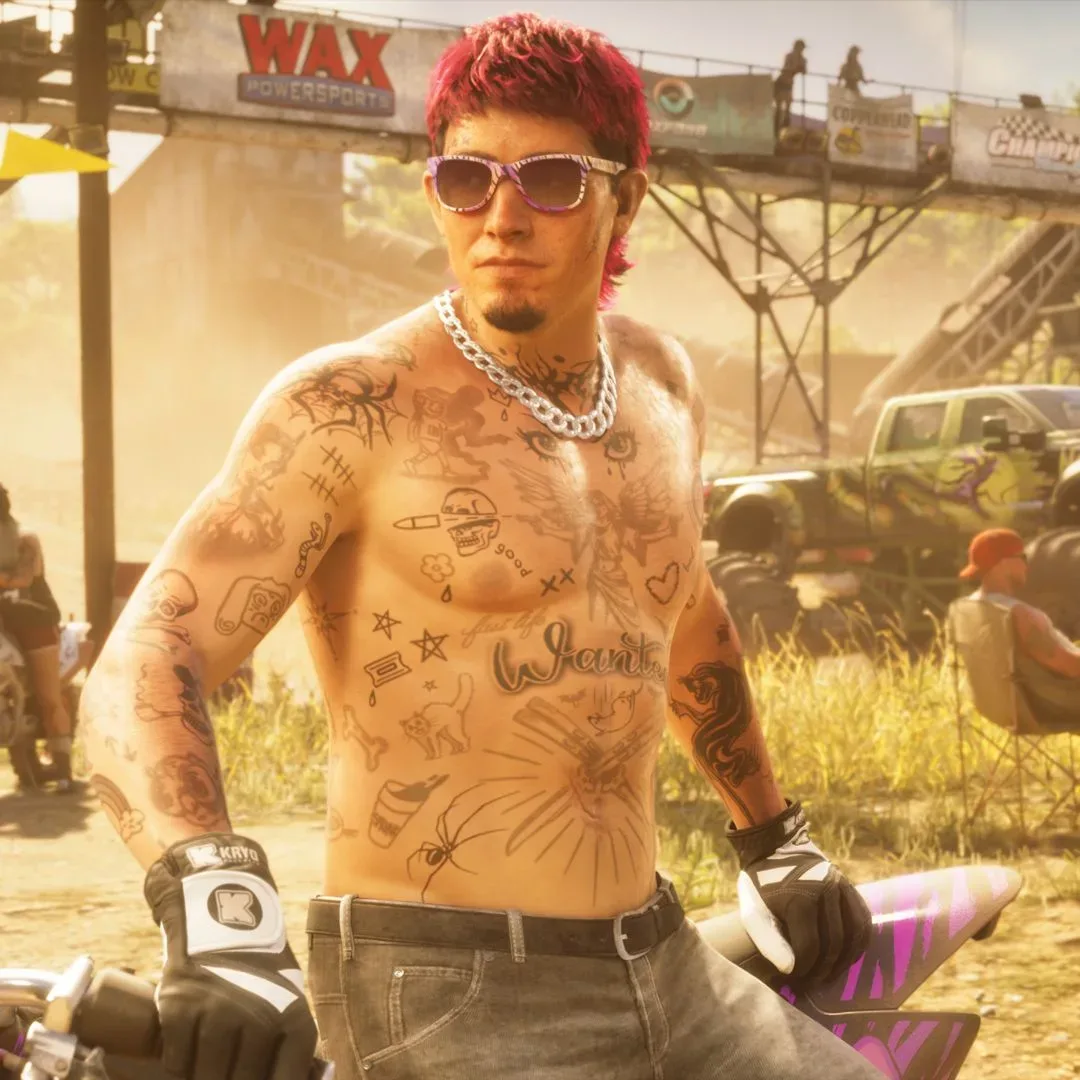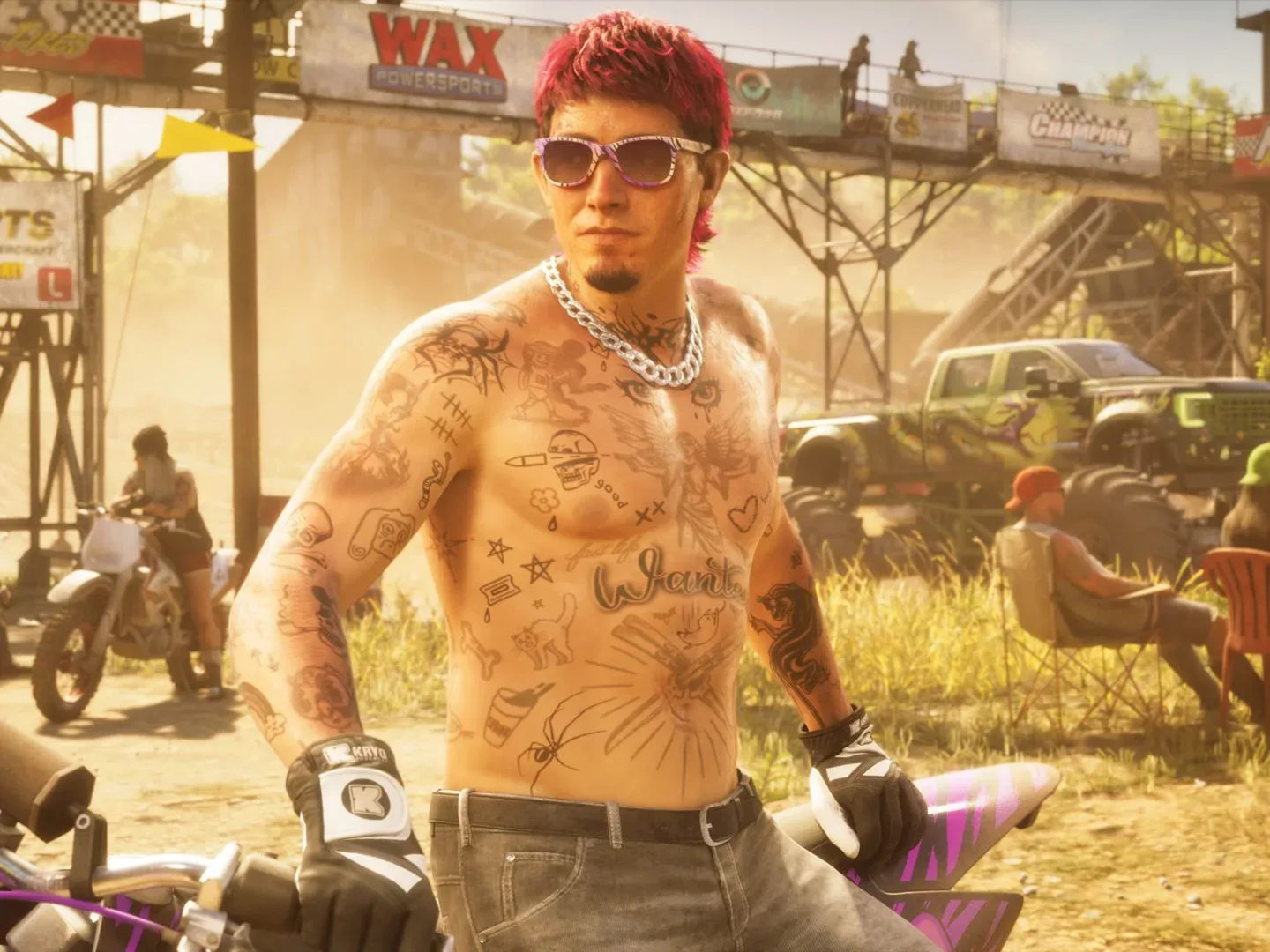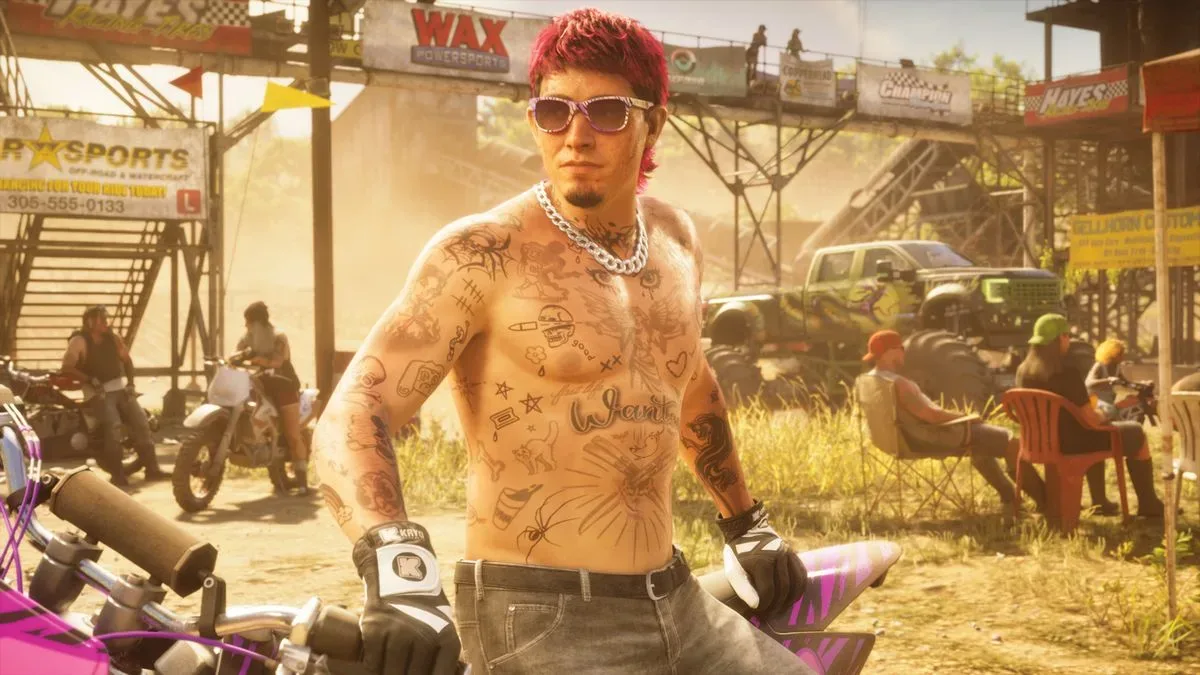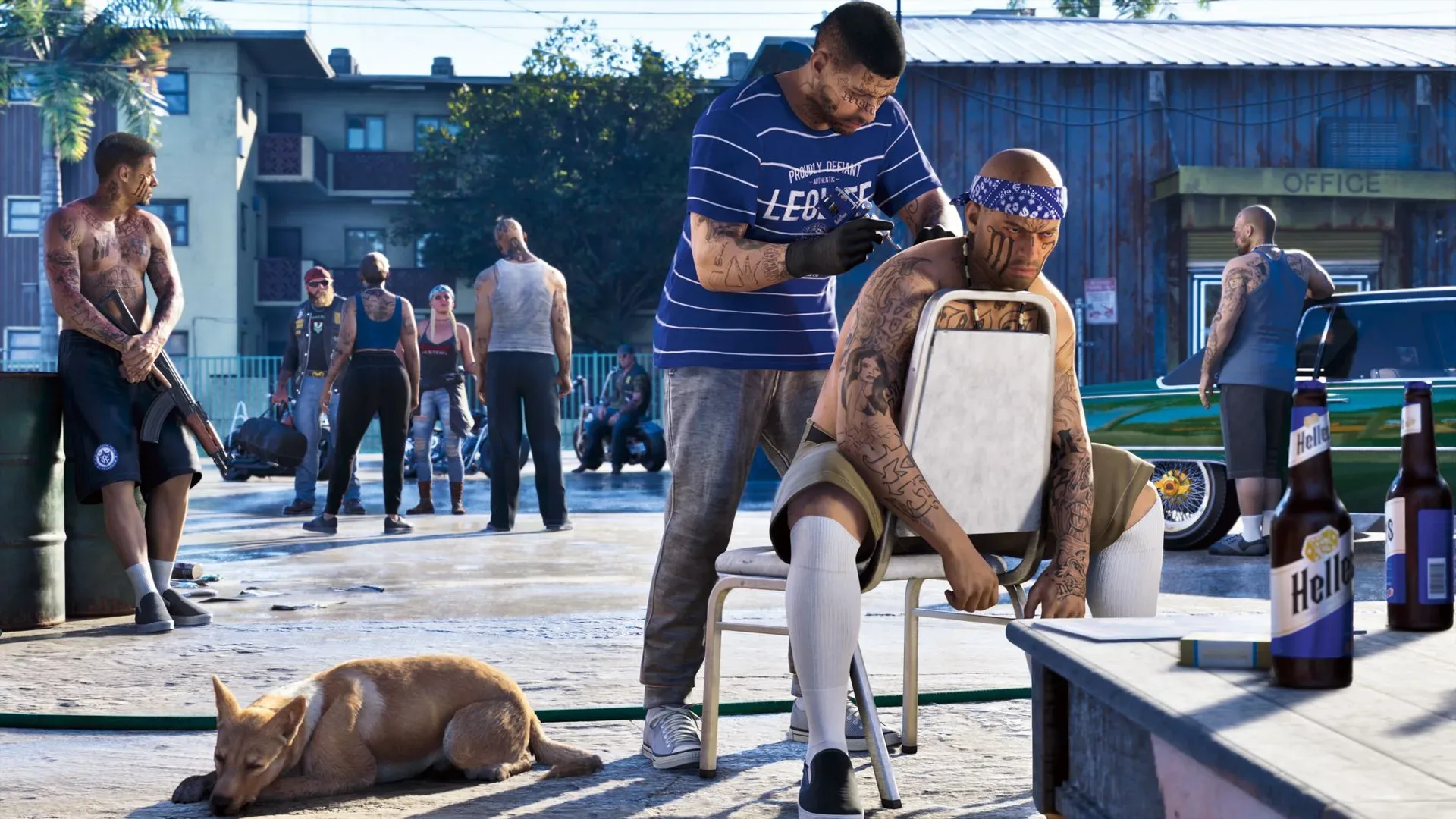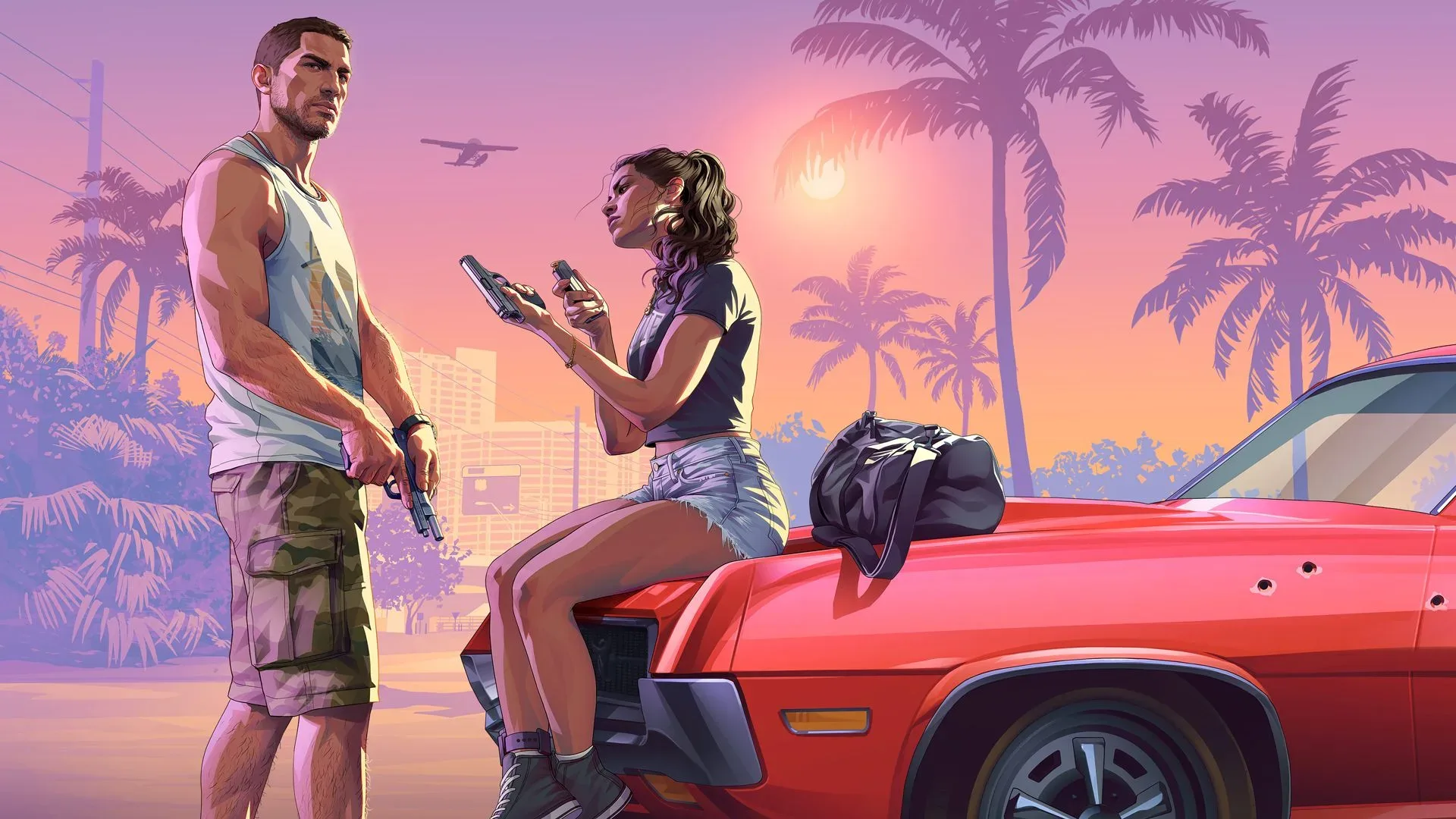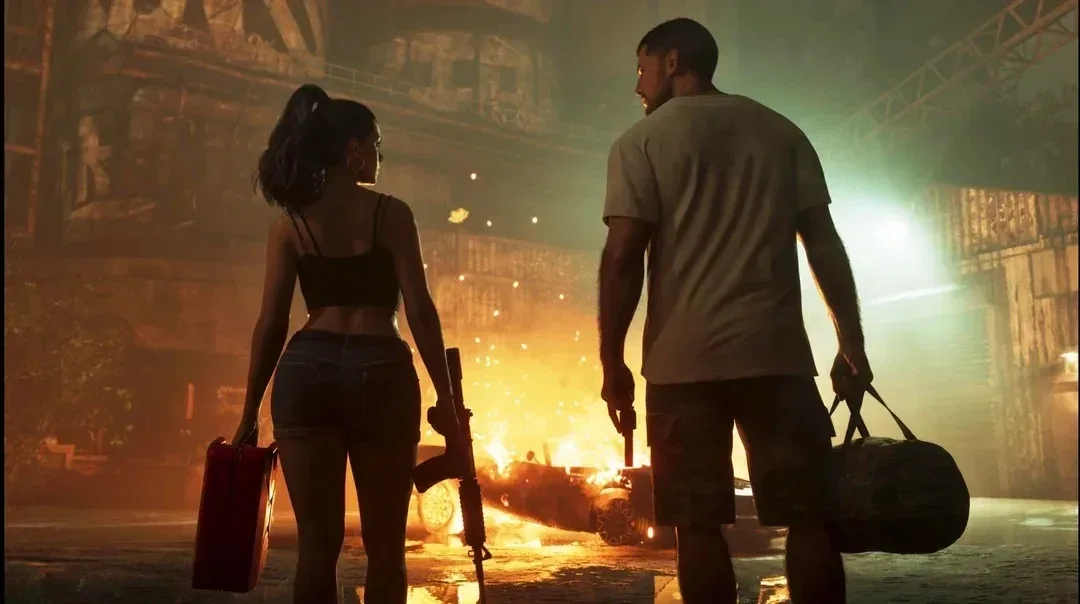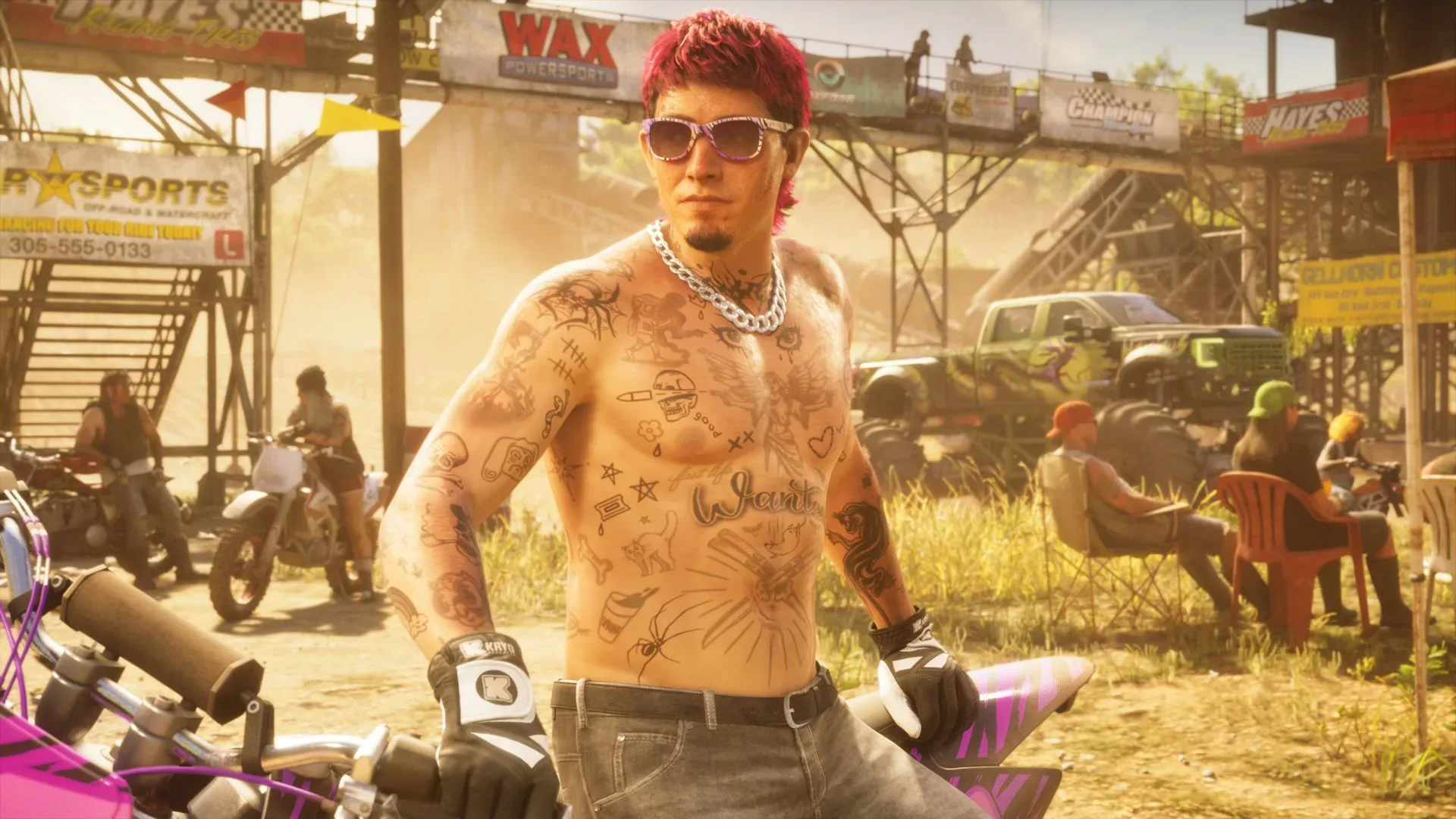
Grand Theft Auto 6’s push for a more convincing Vice City reportedly required Rockstar to revisit something players may not normally notice until it feels wrong: the speed at which the world appears to move.
During development, the team tried applying the timing model used in Grand Theft Auto 5. It did not fit. In a more visually detailed world, the result was that “everything felt too fast.” That observation is revealing because it is not simply about driving top speed or the number of frames displayed on screen. It is about the relationship between animation, traffic, pedestrians, streets, the day-night cycle and what the player’s eye expects from a denser, higher-fidelity setting.
Rockstar North boss Rob Nelson’s explanation points to a broad design challenge for GTA 6: when a game world becomes more detailed, its old shortcuts become easier to spot. A city can no longer rely as comfortably on simplified reactions or exaggerated spatial design if it wants players to believe they are inhabiting a place rather than racing through a stage set.
Why the same timing can feel different in a more detailed world
“Timing” in an open-world game covers far more than a clock. It can describe the pace of character movement, how long animations take, the rhythm of traffic, how rapidly situations escalate, and how quickly the world changes from daylight to night. Each component affects how a player reads a space.
In GTA 5, a faster overall rhythm helped support a game designed around quick traversal and energetic driving. But GTA 6 is being built after a long gap in visual capability and expectations. The more clearly players can see the behavior of a bystander, the dimensions of a street or the cadence of a vehicle turning a corner, the more readily they can judge whether those pieces agree with one another.
That is why a timing setup that worked in Los Santos could feel out of place in Vice City. Greater visual fidelity makes motion more legible. A hurried walk cycle, a sudden reaction delay or traffic moving at a pace that clashes with the scale of the road can attract attention in ways it might not have before. Slowing aspects of the simulation is not necessarily a technical concession; it can be a way to make the city’s behavior feel coherent.
There is a useful distinction here. Visual fidelity refers to the level of detail and clarity a game presents, while simulation refers to the rules and responses that make its world behave. Stronger visuals do not automatically make a simulation more believable. They can instead expose weak spots in it. Rockstar’s reported response was to treat those two sides as connected: a more convincing-looking city needs behavior and pacing that can withstand closer player scrutiny.
Narrower streets change more than the scenery
One of the clearest examples is the contrast between the two cities’ road design. Los Santos used intentionally wider roads to make driving and turning easier. Vice City, by comparison, has narrower streets because the team wanted it to feel closer to a believable scale.
Related coverage includes GTA 6's Higher Fidelity Forced Rockstar to Slow the World Down.
That choice has practical consequences for how GTA 6 may feel moment to moment. Street width shapes sightlines, the space available for a turn, the apparent speed of nearby cars and the player’s ability to thread through traffic. A broad boulevard can make even a fast-moving vehicle feel controlled and give players room to correct a mistake. A narrower street can make the same speed feel more intense because walls, parked vehicles, pedestrians and corners arrive in the player’s field of view more quickly.
It also helps explain why “slow down” should not be read as a simple promise of less exciting driving. A denser or more realistically scaled environment can make ordinary movement feel weightier and make bursts of speed feel more consequential. The intended effect appears to be a city that has a stronger sense of place, not one that removes GTA’s capacity for chaos.
The early work on GTA 6 reportedly prioritized place before plot. A small group traveled to Miami while much of Rockstar was occupied with Red Dead Redemption 2, helping establish what a return to Vice City should entail. Its eventual story, described as Bonnie-and-Clyde-style, came into focus later. That order matters: the city was not treated as a neutral backdrop waiting for missions, but as a foundation that would influence the game around it.
For players, the practical implication is that navigation may carry a different texture from GTA 5 even when the fundamental activity—getting behind the wheel and heading somewhere—remains familiar. Road layout is a core part of an open-world game’s identity. It determines whether travel feels like a clean sprint between destinations, a tense weave through urban space, or something that alternates between those moods.
Pedestrian reactions are a credibility test
Nelson highlighted another area where increased detail raises the standard: the behavior of people on the street. He noted that in GTA 5 a player could produce an automatic shotgun in front of someone without prompting a response unless the weapon was aimed at them. At the level of detail GTA 6 is pursuing, that kind of delayed reaction no longer feels acceptable.
“As the resolution of the worlds goes up, I think there are things you can’t get away with in the same way.”
This is a small example with major design importance. In an open-world crime game, pedestrians are not merely decoration. They establish the baseline normality that gives disruptions their meaning. If people ignore a plainly threatening event, the illusion breaks. If they respond in a credible manner, a player’s choice feels like it has entered a shared space with consequences.
That does not mean every non-player character needs to act identically. Believable behavior can include uncertainty, hesitation or varied responses. The key point is recognition: the world needs to acknowledge an obvious event in a way that makes sense within its own rules. In technical terms, this is often part of reactivity—the ability of systems and characters to respond to player actions and changing conditions.
Reactivity is especially valuable in a series defined by player freedom. Players do not only follow missions; they test boundaries, cause trouble, explore and watch what happens. The more detailed the city looks, the more those tests become a measure of whether the world feels alive. Rockstar’s comments suggest GTA 6 is attempting to raise that baseline rather than simply fill its streets with more visual activity.
There is an important limit to what this information confirms. It establishes that Rockstar identified pedestrian response as an area needing improvement over GTA 5 and that the team sees higher-resolution presentation as demanding more credible behavior. It does not spell out exactly how every citizen will react, which actions will trigger different responses, or how the systems will operate across all situations. Those specifics remain unconfirmed.
A longer night changes the city’s rhythm
GTA 6 will also use a longer day-and-night duration than GTA 5. That adjustment may sound modest, but day length is one of the quietest ways an open-world game controls atmosphere.
A longer night grants more time for the city to remain in its after-dark state rather than moving quickly back to daylight. It gives players a bigger window to explore, travel or create mayhem under nighttime conditions. More broadly, it allows a game’s lighting, street activity and mood to settle before the clock pushes the world into its next phase.
Combined with narrower roads and a slower-feeling simulation, a longer night may help Vice City feel less like a space constantly rushing to show its next attraction. That is analysis rather than a confirmed feature-by-feature description, but it follows the stated design direction: Rockstar is tuning multiple small details toward a more believable scale and pace.
It also aligns with lessons carried forward from Red Dead Redemption 2. GTA 6’s development drew on experience from that project, while adapting it to a modern Vice City and the different expectations of Grand Theft Auto. The comparison should not be stretched into a claim that the games will share the same structure or tempo. Their settings and series identities are very different. Still, the stated development approach is clear: prior work informed the effort to make GTA 6’s open world feel more grounded.
The higher bar is both visual and behavioral
The most interesting part of Rockstar’s reported thinking is that technical progress raises two standards at once. It raises the ceiling, allowing a richer and more detailed world. But it raises the floor as well, because older compromises become harder to hide.
Players may experience that principle not as a bullet-point feature, but as a chain of impressions: streets that look properly sized, movement that does not appear artificially hurried, night that lasts long enough to shape an outing, and citizens who recognize visible danger. None is necessarily spectacular in isolation. Together, they are the connective tissue that makes a virtual city either hold together or unravel under attention.
That focus also fits the wider picture of GTA 6’s ambitions around player behavior and agency. GTA 6’s role-playing ambition has been framed around choice rather than a simple activities checklist, and a more reactive city would be an essential support for that idea. Choice means more when the setting recognizes it, whether the player is taking a normal drive, observing a neighborhood, or doing something that instantly changes the mood on the street.
GTA 6 is due to release on November 19. The details shared so far do not provide a complete account of its systems, but they offer a useful lens for what Rockstar is prioritizing. Vice City is not just being rendered with more detail than Los Santos; its pace, road scale, time of day and public reactions are being reconsidered so that the added detail has somewhere believable to live.