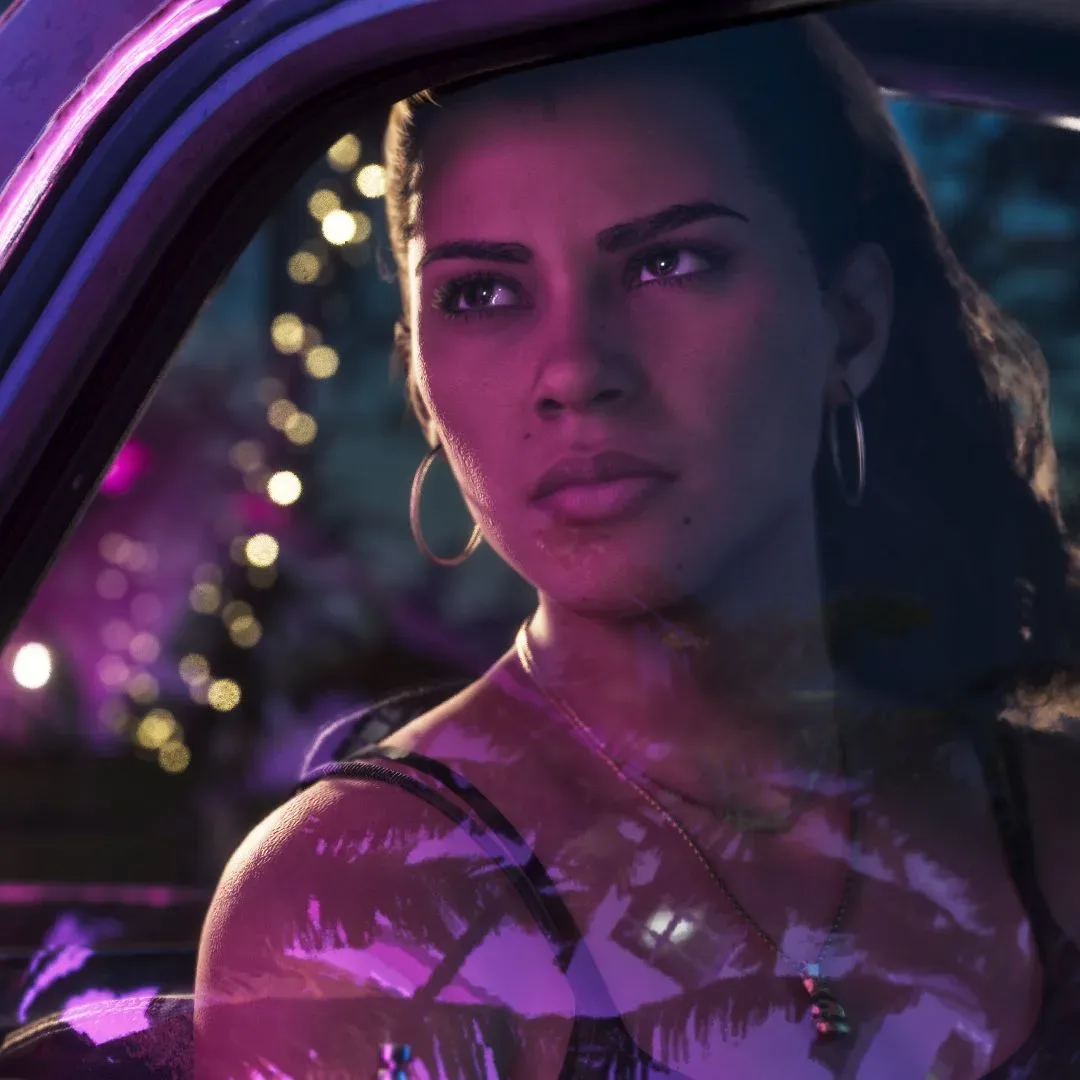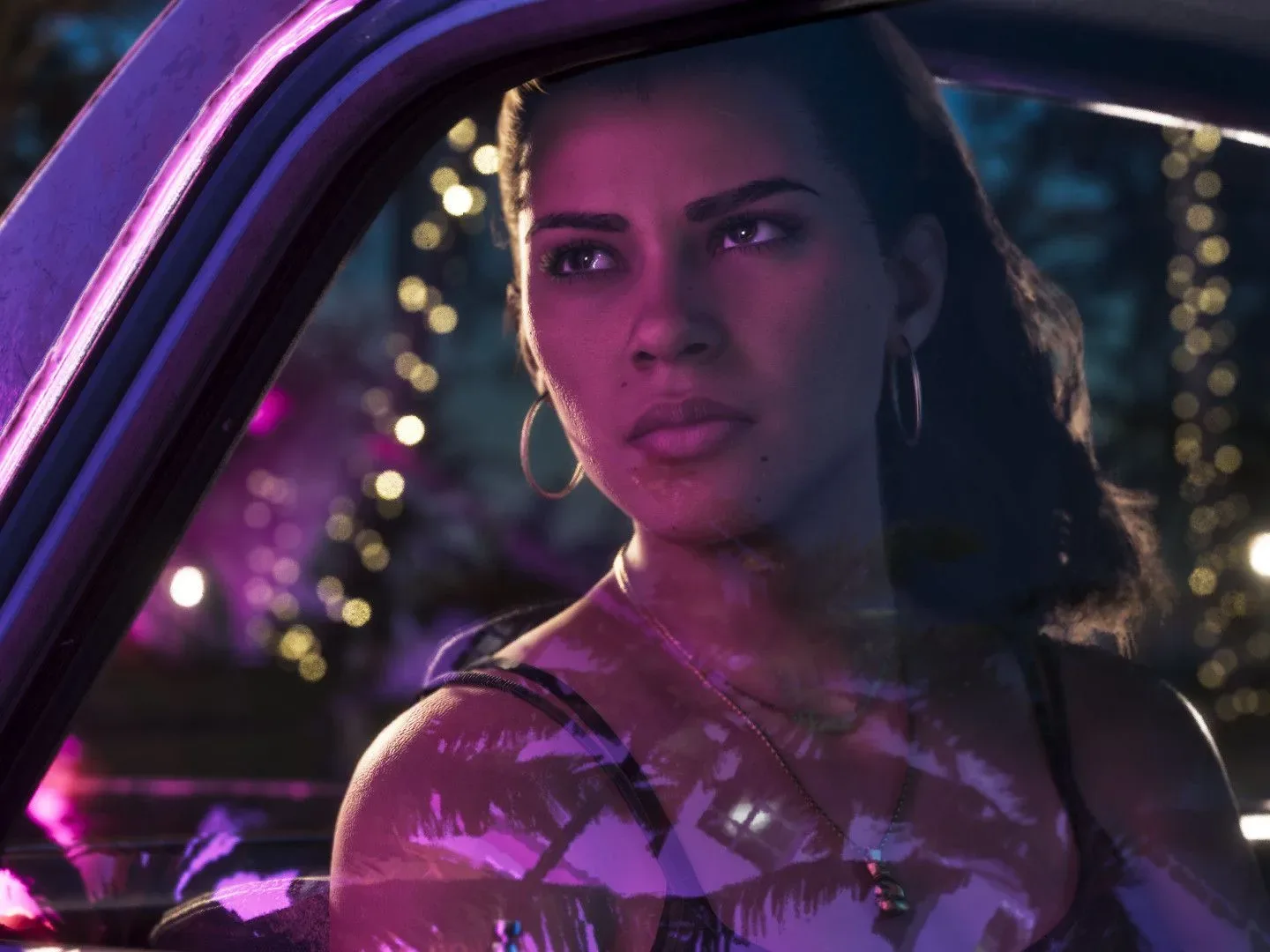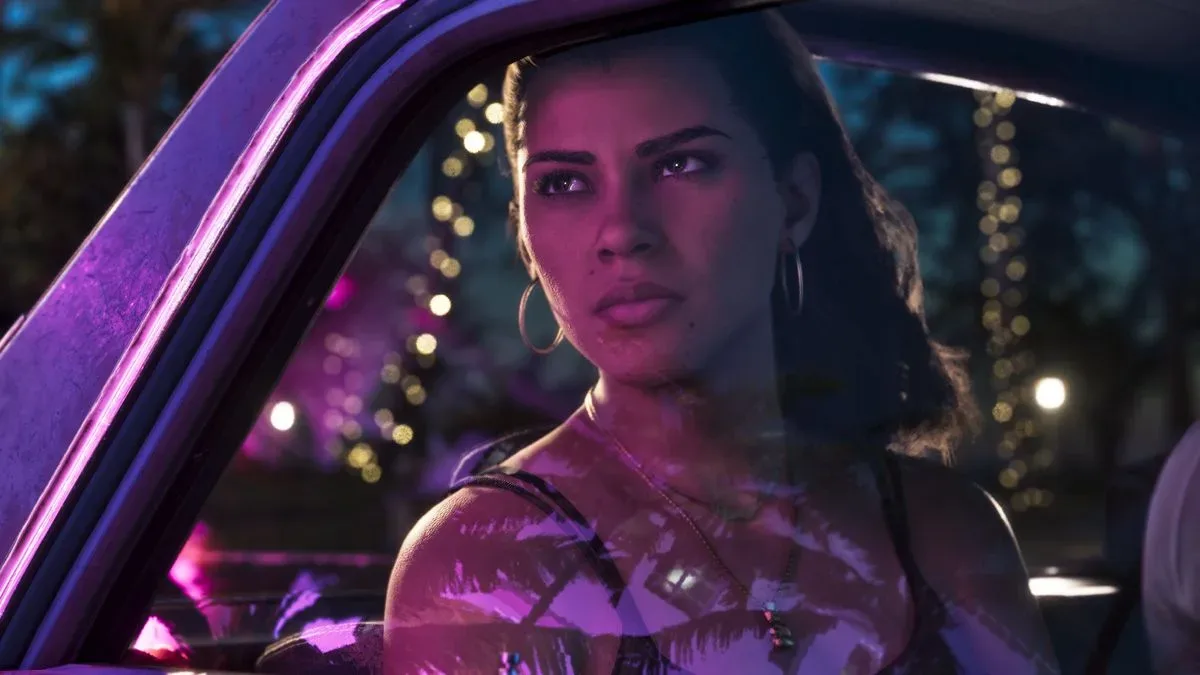
Sam Houser remains closely involved in the creative development of Grand Theft Auto VI, rather than operating as a distant executive presence, according to Rockstar North co-studio head and head of development Rob Nelson.
Nelson describes Houser’s role as beginning with the game’s conception and broad direction, then continuing through the project’s major development milestones. Their feedback discussions reportedly range from highly granular matters, including lighting and audio, to core concerns such as mechanics, tone and narrative.
That is a useful clarification for anyone trying to understand how creative decisions are being made on a project of GTA 6’s scale. A studio president can be a final approver, a broad brand steward, or a hands-on creative collaborator. Nelson’s account places Houser decisively in the third category: someone who helps identify issues, develops responses with development leadership, and sends that feedback into the teams making the game.
What Nelson says Houser does on GTA 6
Nelson says that he and Houser identify problems or issues to solve with teams across the studio. He also says they spend a couple of weeks together at each new development milestone to review the work and formulate feedback.
“Sam and I will identify problems or issues that we then solve with and across the teams,” Nelson says.
The described process is iterative. In other words, it is not simply a single meeting in which leaders give a list of demands and move on. A milestone creates an opportunity to examine the game in its current state, determine what needs attention, distribute notes to the appropriate specialists, and then return to the process when the next milestone arrives.
“Milestone” is a common development term for a defined checkpoint in a project. It does not necessarily mean a public reveal, a release-date change, or a finished version of a game. Internally, milestones let a large production review progress against its intended goals. For a title with many departments contributing connected work, such reviews are especially important: a change in one area can affect the experience elsewhere.
Nelson’s description identifies several kinds of work that can be assessed together:
Related coverage includes GTA 6 Development Lead Says Sam Houser Remains Deeply Involved in Creative Direction.
- Lighting: how a location, time of day, weather condition or interior is illuminated, which in turn affects mood, visibility and visual readability.
- Audio: the soundscape and presentation that support places, action and storytelling.
- Mechanics: the rules and systems that shape what players can do and how those actions behave.
- Tone: the emotional and stylistic character of the game’s world and scenes.
- Narrative: the story material and the way it is structured or delivered.
Those categories may sound separate, but they often overlap. A narrative scene has a tone; tone can be reinforced by lighting and audio; and a mechanic can change how the player experiences both a mission and the wider world. The value of senior creative review is not merely catching isolated errors. It is checking whether all of those moving parts point in a coherent direction.
Not just a ‘taste director’
Houser’s public comments about GTA 6 have been limited, which has helped create speculation that he might have taken a reduced role in daily creative decision-making. Nelson directly rejects that interpretation.
The distinction matters. A “taste director” is an informal way to describe someone who establishes a sensibility, approves broad ideas or offers high-level aesthetic judgment without participating deeply in the work’s ongoing decisions. Nelson’s account instead depicts Houser as being linked to every part of the creative direction, with direct involvement in identifying and addressing specific issues.
That does not mean one person is personally authoring every asset, line, system or location. Nelson is clear that such total oversight would not be plausible for GTA 6. The project’s scale requires many people to think through individual places and features. Creative leadership, in this context, is about setting priorities and resolving the larger questions that arise across that work—not claiming sole ownership of every detail.
It is also important not to overread the report. Nelson’s comments establish the kind of involvement Houser has in the creative process; they do not reveal a complete chain of approval for every component of GTA 6, nor do they set out which individual features Houser personally proposed. The strongest supported takeaway is that Houser is an active creative influence alongside Nelson and the wider development teams.
A giant world still depends on many specialists
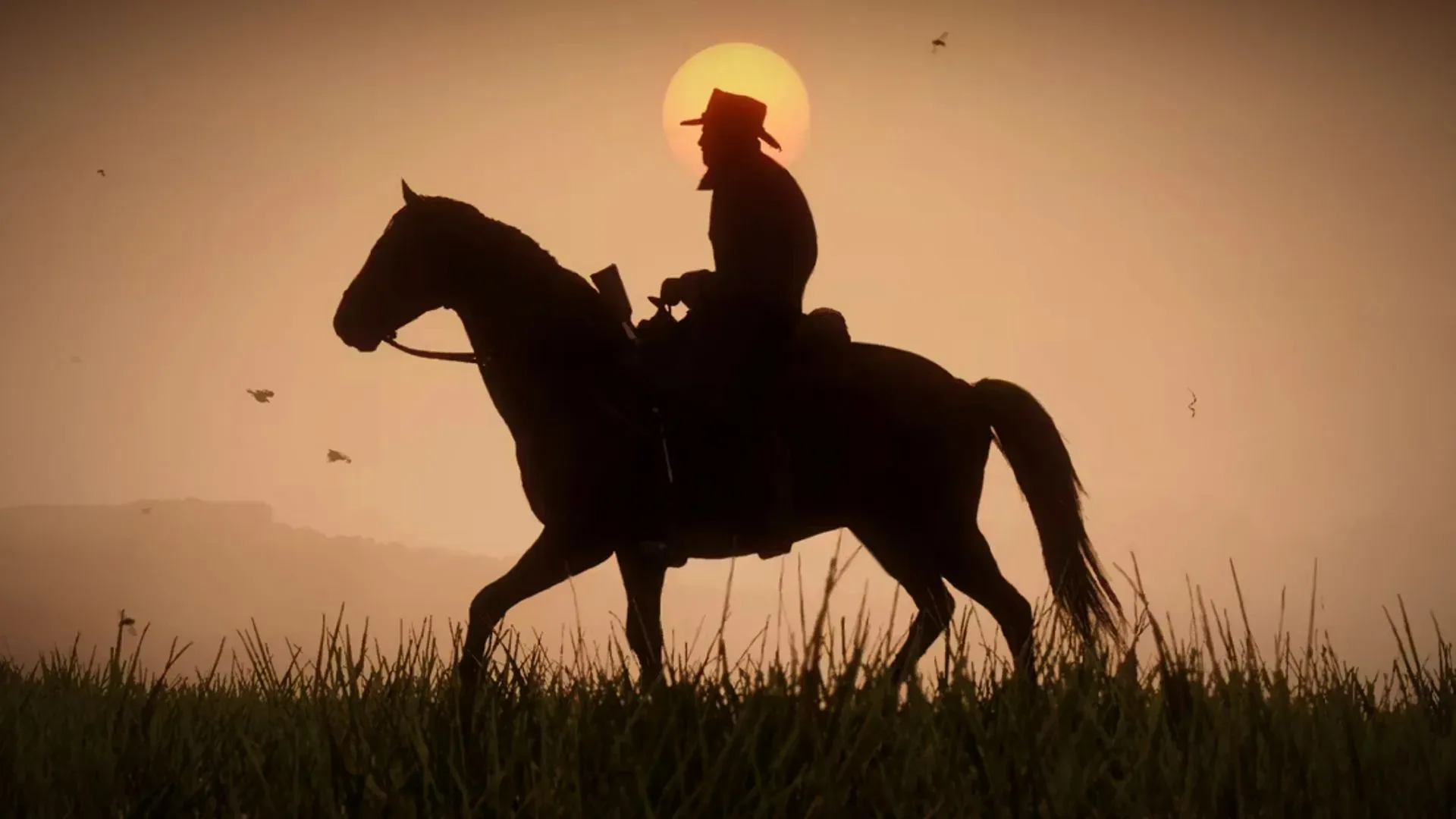
Nelson describes an exceptionally expansive game world, saying its map size rivals the combined scale of Grand Theft Auto IV, Grand Theft Auto V and Red Dead Redemption 2. He also emphasizes the density implied by that scale: players can go to random locations and find places that have received thought from the people building them.
That framing explains why a milestone-feedback model is practical. GTA 6 can have a shared creative identity without every decision passing through a single person’s hands in isolation. A large open world has to be developed through distributed expertise. Teams responsible for environments, systems, lighting, audio and story can work on distinct assignments, while leads review how those assignments fit the game’s intended tone and direction.
For players, the practical implication is less about a promise attached to any one feature and more about consistency. When a game is built across a very large map and numerous disciplines, alignment becomes a major challenge. The leadership process Nelson outlines is meant to keep the project from feeling like a collection of disconnected work.
It may also help explain why feedback extends from technical presentation to fundamentals such as mechanics and narrative. A lighting issue may require a visual adjustment, while a mechanics issue can change mission pacing, player agency or how a scene lands emotionally. Reviewing them at the same milestone can help teams spot conflicts before they become harder to untangle.
What this means for Jason and Lucia
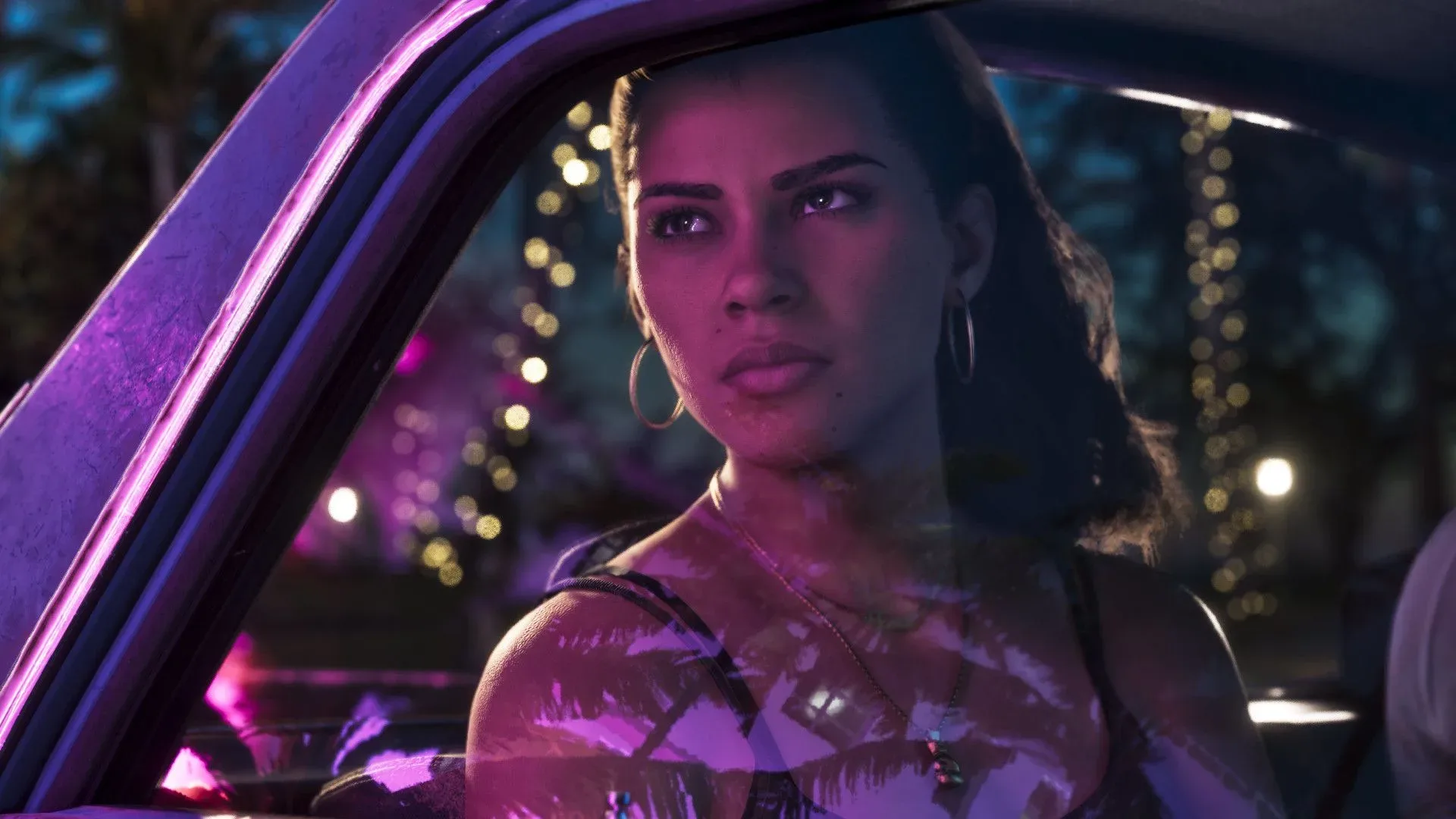
The report arrives alongside discussion of a relationship choice involving GTA 6 protagonists Jason and Lucia: players can choose to break the pair up. That decision is presented as a feature whose roots can be traced to Arthur Morgan in Red Dead Redemption 2.
The supplied details do not explain the full design of that choice, its consequences, or exactly how it operates in the finished game. Still, it fits the broader point made by Nelson. Choices involving central characters sit at the intersection of narrative, tone and mechanics—the same areas that fall within the recurring creative reviews he describes.
GTA 6’s size has encouraged understandable attention on its map and activities, but Nelson’s comments point toward another part of the production: the work of maintaining an overall creative point of view while a large number of teams develop the game. Houser, by Nelson’s account, remains part of that work from the game’s original direction through the current milestone process.
For more GTA 6 discussion, including a look at the conversation around the game’s perceived value, see why a GTA 6 “save $5,000” joke raises a real question about value.