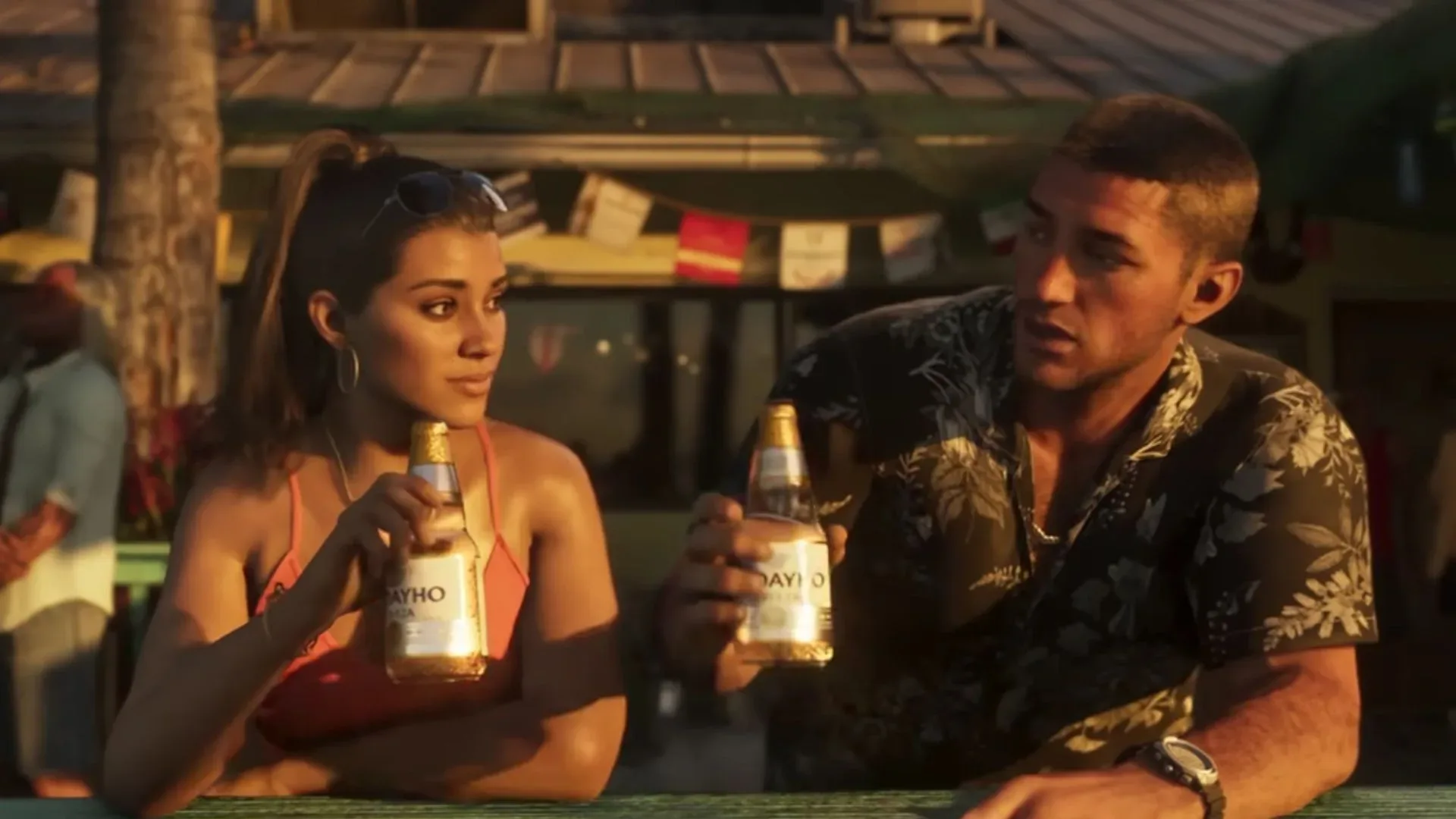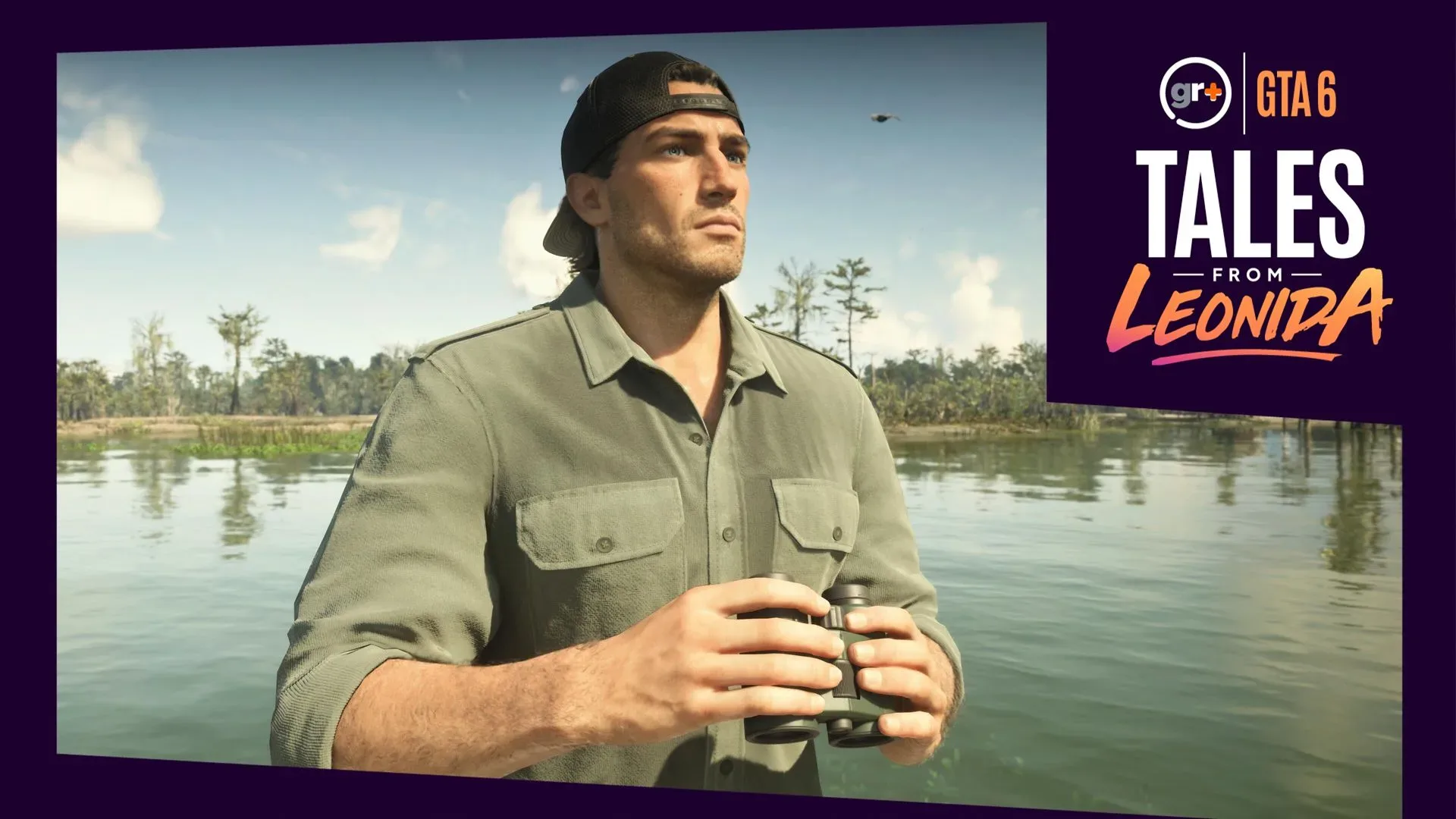
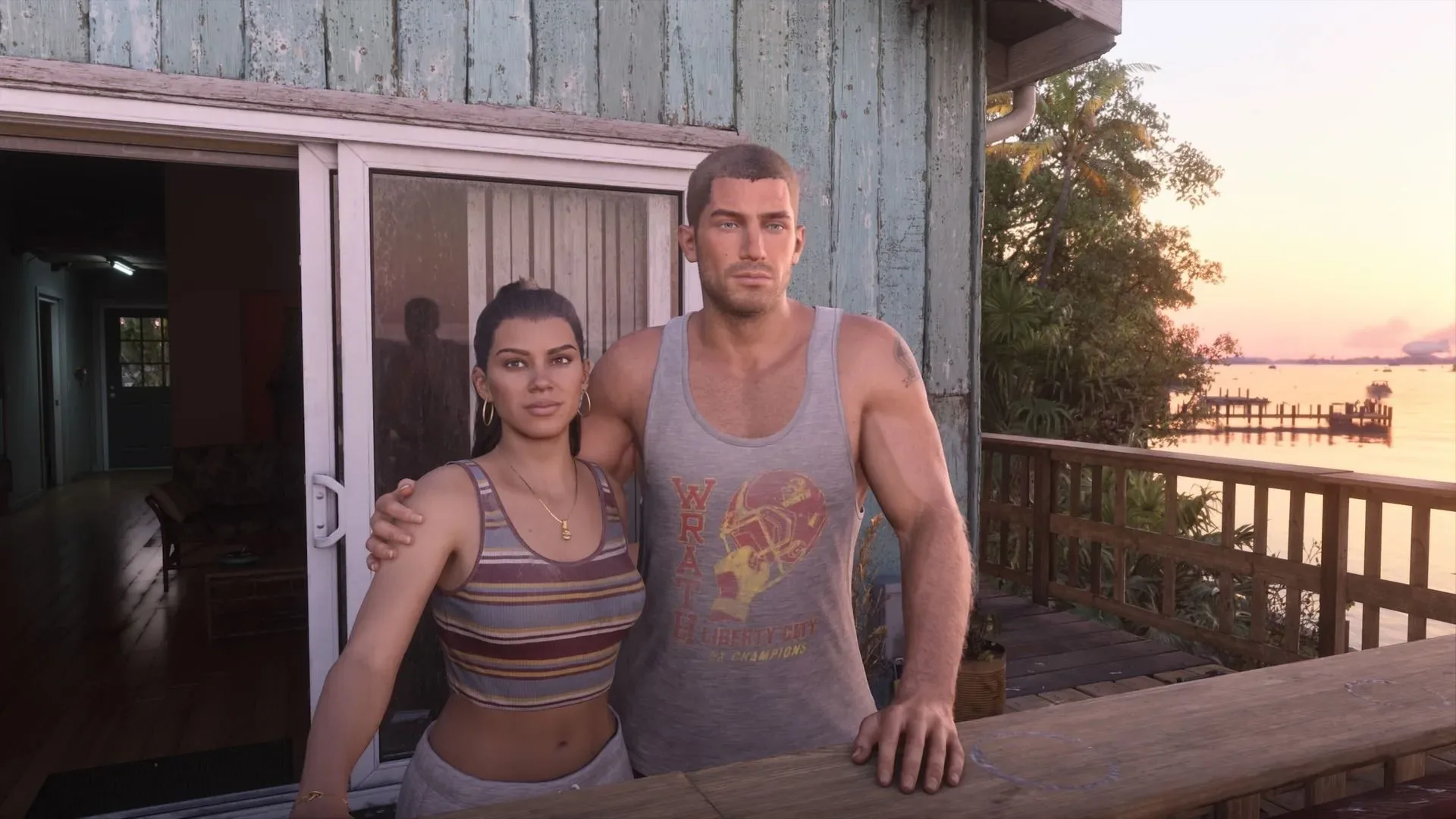
Grand Theft Auto 6 can be a technical triumph without winning every landscape comparison. That is the useful distinction in remarks from David O’Reilly, an environment artist who worked at Rockstar until 2023 and contributed to both Grand Theft Auto 6 and Red Dead Redemption 2.
After exploring GTA 6, including Mount Kalaga, the national-park area to which he contributed, O’Reilly described the newer game as “almost flawless.” His appraisal was not a blanket declaration that one Rockstar world is better than the other, however. Instead, he identified a difference in priorities: GTA 6 puts substantially more attention into its modern urban spaces, while Red Dead Redemption 2 has a modest advantage in the fine-grained presentation of forestry, wilderness, and rivers.
It is an illuminating comparison because the two games ask their environments to do very different jobs. One is a modern, systems-driven state built around dense roads, buildings, and city life, with natural spaces around it. The other is an adventure set more than a century earlier, in a world where broad natural areas are central rather than supplementary. Looking only at an isolated tree, stream, or marsh can therefore miss the larger design trade-off.
A comparison of priorities, not a simple graphical verdict
O’Reilly’s central observation is that GTA 6 appears to slightly reduce natural-world detail relative to Red Dead Redemption 2, while sharply increasing urban detail. That framing matters. “Detail” is not a single resource distributed equally across a map. A city requires attention to roads, structures, concrete spaces, vertical skylines, and the many interconnected elements that make a modern urban environment feel convincing. Countryside has different demands: vegetation, terrain, marshland, waterways, and the small variations that prevent a wilderness from appearing uniform.
Red Dead Redemption 2 contains relatively few towns and cities compared with a contemporary American-inspired setting full of high-rises and dense built-up areas. Its world consequently has more reason to devote extensive effort to open fields, woodland, marshes, and the smaller ecosystem details players encounter while traveling through the frontier.
GTA 6’s Leonida, by contrast, has to support a contemporary crime sandbox. Its defining pressures are not the same as those of Arthur Morgan’s world. The streets, urban density, and interiors are not merely visual backdrops; they are fundamental to the game’s modern setting and its wider simulation ambitions. O’Reilly characterized GTA 6 as a modern urban world that also includes countryside and natural landscapes, rather than a world principally organized around wilderness.
That distinction helps explain why a former contributor can praise GTA 6 so strongly and still say that its natural areas are somewhat pared back. It is not necessarily evidence of a failure to render outdoor environments. It is evidence that the games have different focal points.
Why forestry can reward a wilderness-first approach
Forestry is easy to reduce to the number of trees on screen, but the term covers a much broader visual challenge. A believable forest needs variation in terrain, undergrowth, open clearings, tree placement, and the transition from one type of ground cover to another. In an open-world game, those details must also remain persuasive across long journeys rather than just in one carefully framed scene.
Related coverage includes Former Rockstar artist gives Red Dead Redemption 2 the edge over GTA 6 in the wilderness.
Where wilderness occupies much of the world, the natural environment is repeatedly placed under scrutiny. Fields, forests, wetlands, and trails become the spaces players cross for extended stretches. That gives the natural world an especially prominent role in shaping atmosphere and the perceived authenticity of the map.
O’Reilly’s comments suggest that Red Dead Redemption 2 retains the edge in this particular domain. That does not contradict his enthusiasm for Mount Kalaga or for GTA 6 overall. A park can be beautiful, expansive, and successful within its own game while still being judged against a predecessor whose world had a more wilderness-heavy mandate.
For players, the practical implication is simple: expectations for GTA 6’s countryside should be calibrated to the kind of world it is building. The game’s natural settings can be important destinations and visual highlights, but they are sharing the stage with an urban environment that demands a far larger portion of the world-building focus.
Rivers are the clearest technical example
O’Reilly specifically singled out waterways, an area in which he has particular expertise. His verdict was measured: on balance, the rivers in Red Dead Redemption 2 are a little better, and GTA 6’s water movement seems “a little bit slow” by comparison.
That is a more specific criticism than saying one game has better graphics. Rivers are a combination of visual animation and environmental behavior. Their apparent speed affects whether a stream conveys a sense of gradient, current, and momentum. In a game focused heavily on the outdoors, waterways can become major scenic features and recurring navigational landmarks. A world with lots of open terrain has more opportunity—and arguably more need—to make them feel distinctive.
In O’Reilly’s assessment, rivers were a bigger emphasis in Red Dead Redemption 2 and a lesser one in GTA 6. The difference follows the broader pattern: the Western’s wilderness is a primary subject, while Leonida’s waterways are one component of a much busier modern state.
It is also worth keeping the scale of this criticism in perspective. “On balance” is not an absolute judgment, and calling river flow slower does not establish that GTA 6’s water is poor. O’Reilly’s overall description of the game remains emphatically positive. The value of his observation is its precision: it identifies an area where the older game’s priorities may still show through most clearly.
What “systems-driven” means in this context
O’Reilly’s use of “systems-driven” points to the idea that GTA 6’s modern environment is shaped by many interlocking parts rather than by scenery alone. In a city-oriented open world, roads, built environments, and the broader urban layout need to function together as a coherent place. The phrase should not be read as a promise of any particular unconfirmed mechanic. Rather, it describes the design emphasis he sees in the world: a contemporary setting whose complexity is closely tied to its urban structure.
That makes a direct, category-by-category contest less useful than it first appears. The question is not whether every plant, river, building, or road is more detailed than its equivalent in another game. The more meaningful question is whether each environment concentrates its visual and technical resources where its setting needs them most.
By that measure, O’Reilly’s comments present a complementary picture. Red Dead Redemption 2 benefits from an unusually deep focus on the natural terrain that dominates its frontier. GTA 6 benefits from the dense, contemporary world demanded by Leonida. The former may feel more refined at the margins of wilderness; the latter is doing far more work in city spaces.
Mount Kalaga shows that GTA 6’s outdoors still matter
Mount Kalaga is important to this discussion because it is not an abstract comparison from someone observing only trailers or promotional images. O’Reilly went to an area to which he had contributed and spent time looking at how it sits within GTA 6’s wider world. His criticism comes alongside admiration for a game he otherwise considers close to flawless.
That context makes the remarks more nuanced than a nostalgic declaration that the older release simply looks better. GTA 6’s natural spaces remain part of what makes Leonida feel like a state rather than a city map with empty space around it. A national park placed amid urban sprawl has a different environmental role from the frontier-scale wilderness of Red Dead Redemption 2. It provides contrast, escape from developed areas, and another kind of place to explore.
But a national park embedded within a city-and-road-focused world will inevitably be evaluated differently from a game where much of the experience unfolds in open fields, marshland, and forest. The comparison highlights how setting changes the definition of polish.
What players should take from the debate
The most sensible reading is not that GTA 6 falls short because Red Dead Redemption 2 may have richer river behavior or more intricate wilderness detail. Nor is it that an urban-heavy game automatically has superior world design. Both conclusions flatten a far more interesting observation about specialization.
- GTA 6’s stated strength: its greater emphasis on detailed modern urban environments.
- Red Dead Redemption 2’s stated strength: finer natural-world work, particularly in forestry, wilderness, and, on balance, rivers.
- The likely reason: each map devotes its attention to different kinds of places and different environmental demands.
- The overall verdict from O’Reilly: GTA 6 is still “almost flawless,” with the caveats functioning as minor critiques rather than a rejection of its visual achievement.
That is a healthier way to discuss graphical fidelity than treating it as a scoreboard. Modern cities and frontier landscapes each have their own difficult problems to solve. The former must sell density and contemporary built space; the latter must make miles of wilderness feel varied and alive. Rockstar’s two worlds can excel in different directions without invalidating either accomplishment.
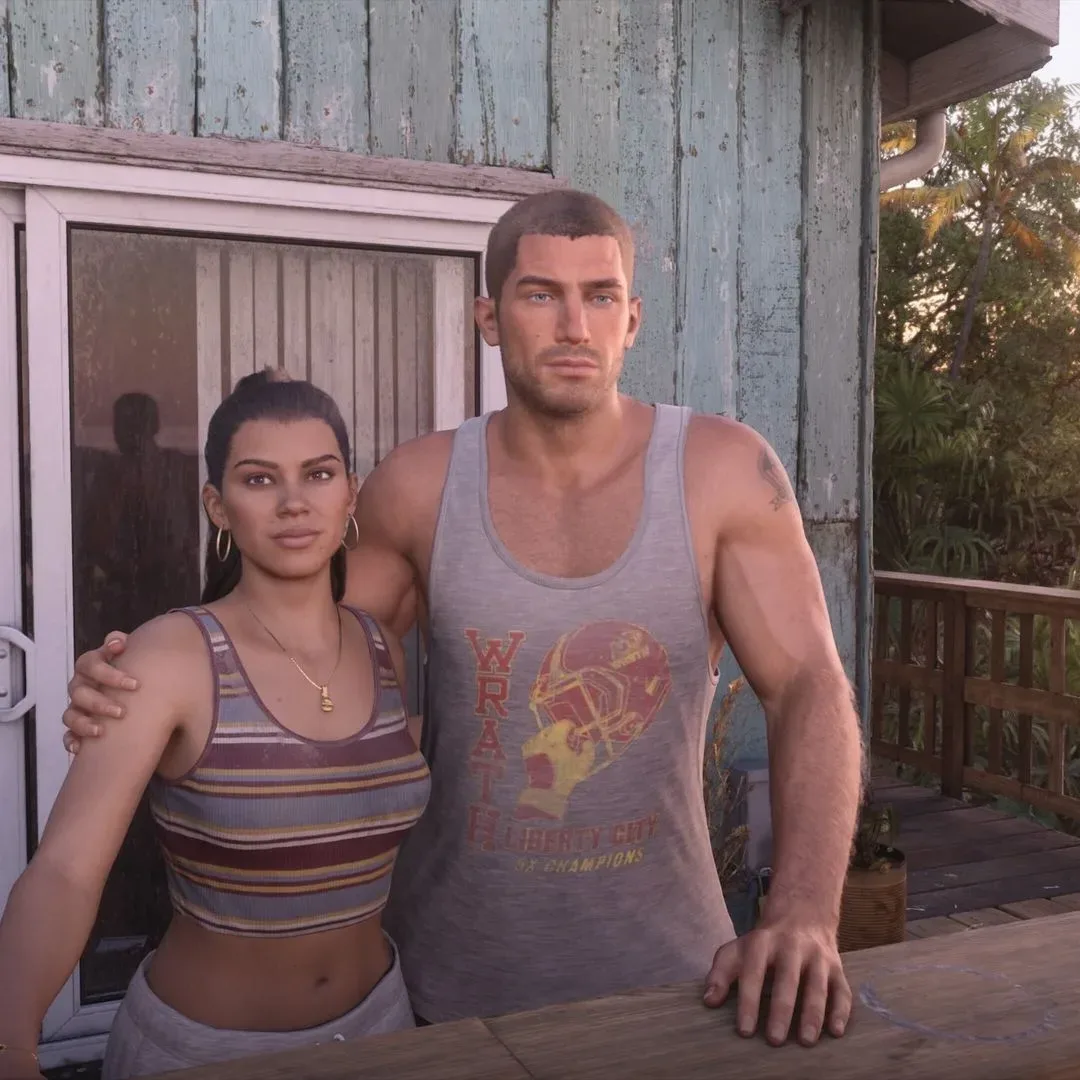
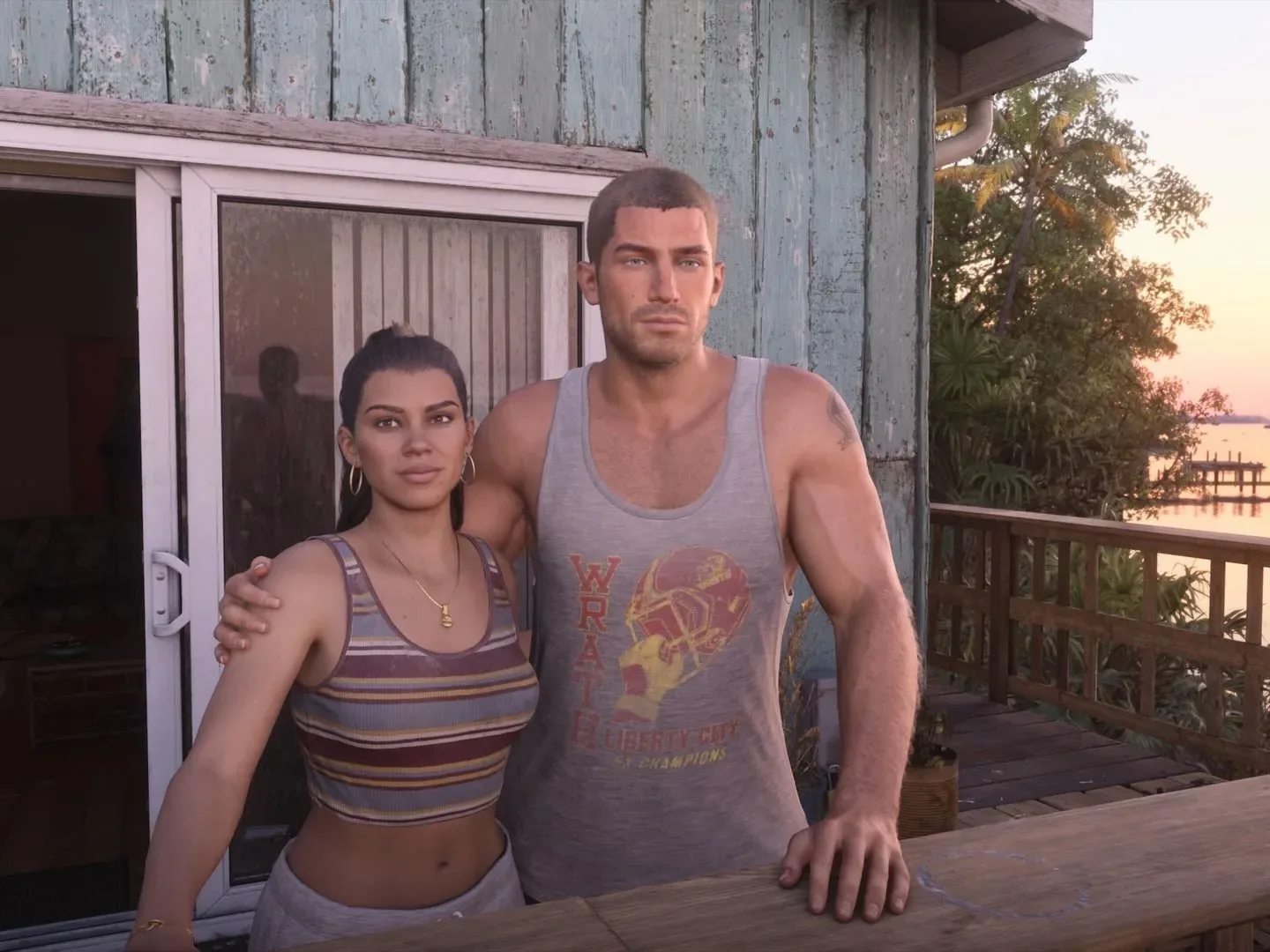
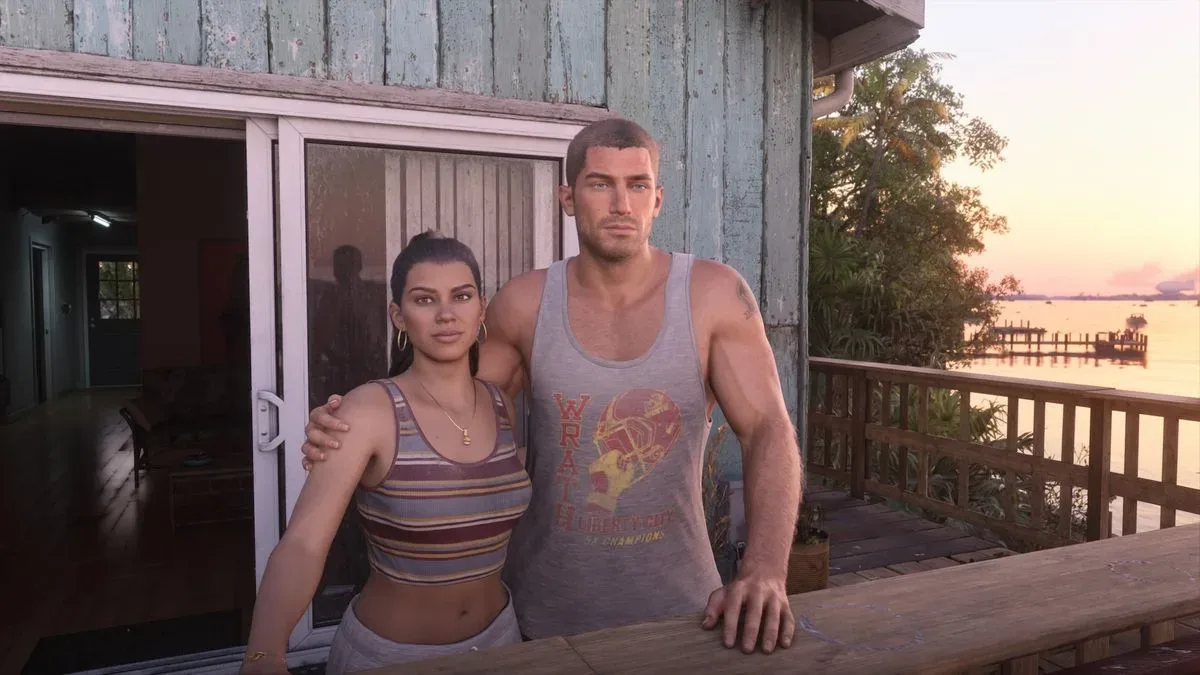
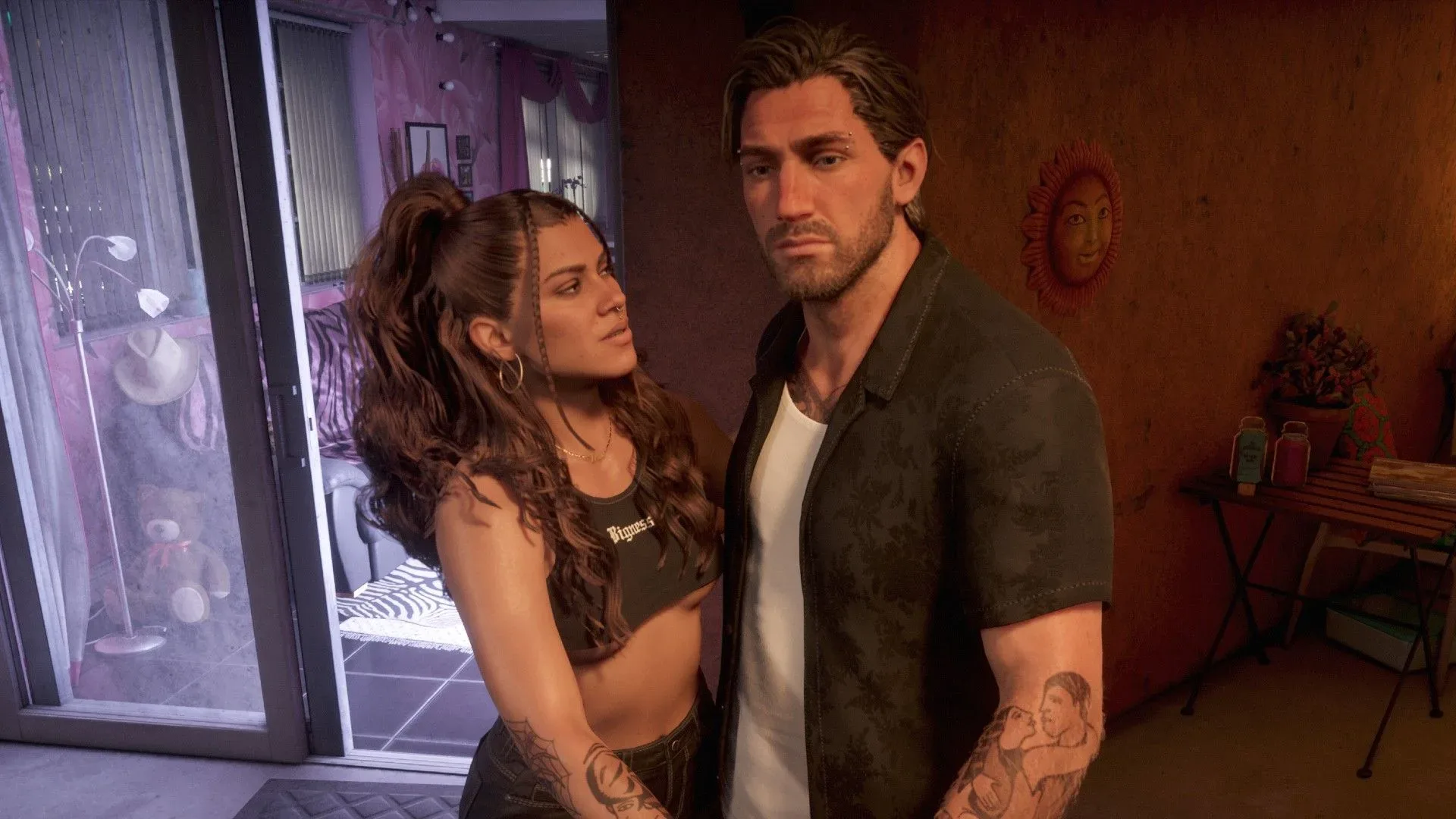
Players looking for practical help inside Leonida can also consult our GTA 6 style guide for Lucia and Jason’s hair, makeup, and outfits.
For now, O’Reilly’s perspective gives Red Dead Redemption 2 a narrow, highly specific win in the wilderness. GTA 6’s achievement lies elsewhere as well as outdoors: in bringing a far more urban, contemporary environment to life without losing the natural spaces that give Leonida contrast and range.