
Carly Rae Jepsen says Grand Theft Auto VI may finally make a gamer of her. The Canadian pop singer has said she intends to play Rockstar’s game after her 2015 song “Run Away With Me” received a prominent placement in it, including during a scenic jet ski race.
“I’m going to become a late in life gamer,” Jepsen said. “I’m going to have to [play Grand Theft Auto]. My assistant, Katie, has been waiting. We’re going to have a night.”
It is an unusually neat example of the loop between music and games: a track helps create the mood of a memorable gameplay sequence, players carry that association outside the game, and the artist is drawn back toward the medium that introduced the song to part of its new audience. Jepsen’s plan is less a formal gaming conversion than a candid acknowledgement that GTA VI has given her a personal reason to see the game for herself.
“Run Away With Me” has found a new moment
“Run Away With Me” originally appeared on Jepsen’s 2015 album Emotion. The track has since experienced a substantial rise in listening, adding millions of streams, returning to the charts and being re-released as a single. Its GTA VI placement is central to that renewed attention.
The song’s use in a jet ski race matters because it is more than background radio during an open-world drive. A synchronized sequence pairs a piece of music with a specific action, setting and pace. In practical terms, players are likely to remember the sweeping synth-pop track alongside water, speed and the visual rhythm of the race. That is a much more durable association than hearing a song incidentally while moving from one mission marker to another.
Jepsen said the scale of the reaction surprised her. “It was sort of a top secret thing, but I didn’t expect this,” she said. “With this song, we didn’t know it would have a moment or not. We just knew we were all really thrilled with the feeling it gave us.”
The phrase “top secret” also underlines a familiar reality of major game collaborations: artists are not necessarily able to discuss a placement while development and rollout plans are still confidential. As a result, the public can encounter a song in-game at the same time the performer is beginning to grasp how large the response may become.
A different path for an older fan favorite
The renewed attention carries extra resonance because “Run Away With Me” was once considered for a different role in the Emotion campaign. Jepsen’s manager, Jonathan Simkin, said it had originally been intended as the album’s flagship single before Scooter Braun advocated for the more overtly bubblegum “I Really Like You.”
Related coverage includes Carly Rae Jepsen Is Ready to Play GTA 6 After It Revived ‘Run Away With Me’.
That history does not make the current surge a correction so much as an unexpected second route for the song. A single strategy is built around a specific release window; a game sequence can allow a catalog song to reach players years later in a setting that makes emotional sense for it. The two outcomes are not interchangeable. Radio-facing promotion introduces a track as a current pop release, while a cinematic gameplay placement lets it become part of a player’s individual memory of an event.
Jepsen compared the present response to the resurgence of Kate Bush’s “Running Up That Hill” after Stranger Things connected the song with a new, younger audience in 2022. The important shared idea is discovery. Many listeners may know a song’s release date only after they have encountered it through a scene that feels newly made for them.
That does not mean GTA VI created “Run Away With Me,” or that longtime fans have been replaced by new ones. Rather, the game has created another entry point. It gives players who may not have followed Jepsen’s 2015 work a high-impact first encounter, while offering established listeners an entirely different context for a song they already know.
Why GTA’s music choices can travel beyond the game
Music has long been one of the ways games communicate personality, place and motion. In Grand Theft Auto, songs can accompany joyrides and exploratory play, allowing players to spend extended periods with a station or track while they create their own route through the world. GTA VI’s reported music use goes further at key moments, with songs synchronized to sequences and story beats.
Synchronization, in this context, means music being deliberately aligned to on-screen action rather than merely playing alongside it. The exact timing can shape how a chase, race or transition lands: a chorus may arrive with a visual reveal, or a shift in the arrangement can heighten the sensation of acceleration. That sort of placement makes the song part of the storytelling language of the scene.
GTA VI includes a broad group of musicians and tracks, including Weird Al and Denzel Curry. The game also features Justice’s original collaborations. Together, those inclusions suggest a soundtrack approach that is not limited to one genre or one function. It can surface existing tracks to a new audience, use music as a narrative accent and make room for material designed specifically for the game’s world.
For artists, the implications are clear without needing to reduce every placement to a marketing calculation. A song can gain streams and chart momentum, as “Run Away With Me” has, but it can also gain a fresh cultural shorthand. Someone who hears the opening of the track may now immediately think of GTA VI’s jet ski race. That association is especially powerful because it comes from participation: the player is not simply watching a sequence but helping move through it.
What Jepsen’s reaction says about games as a listening space
Jepsen’s stated plan to play is the lighthearted human side of a much larger entertainment dynamic. Game soundtracks are no longer confined to menus or instrumental score albums. Licensed pop, hip-hop, electronic and novelty music can become a central reason people discuss a mission or share a clip. A placement can prompt listeners to seek out the original release, revisit an album or change what they expect to hear in a live set.
That is particularly relevant for a song such as “Run Away With Me,” whose sense of lift and movement is readily adaptable to an action-driven sequence. The game has not changed its original composition; it has changed the circumstances in which millions of people may first hear it. The result is a new layer of meaning built from the race and from player memory.
Jepsen’s comments also avoid the idea that someone must have an extensive gaming history to participate. Her description of herself as a “late in life gamer” is welcoming precisely because it is uncomplicated: she has a reason to try a game, a person ready to join her, and a song connection that makes the experience feel personal from the outset.
For GTA VI players, the practical takeaway is simple. Keep an ear on the sequences that feel most deliberately staged, not just the music that plays while traveling. Those are the moments where a soundtrack selection may be doing narrative work as well as providing atmosphere. And for listeners who arrive at “Run Away With Me” through the game, Emotion provides the track’s original home and context.
GTA VI’s soundtrack conversation is likely to continue because its songs are serving several purposes at once: they help define the game’s world, give individual scenes a recognizable identity and send players outward toward artists they may have missed. In Jepsen’s case, that exchange has now come full circle. Her song’s new life in the game has persuaded its creator to schedule a night in with Grand Theft Auto.
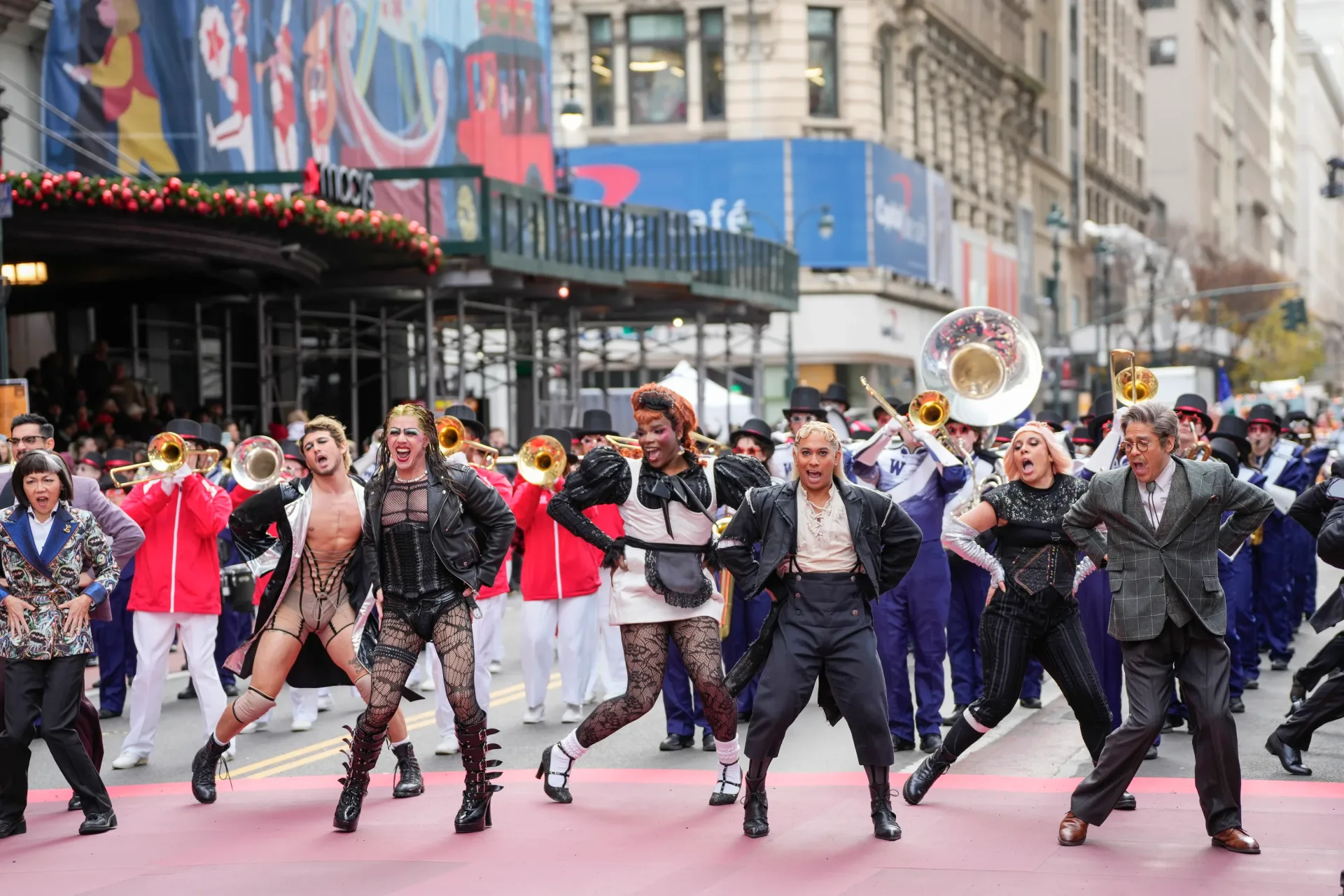
For another look at how games and pop culture create unexpected crossover moments, see this story on a “Time Warp” performance and its public response.