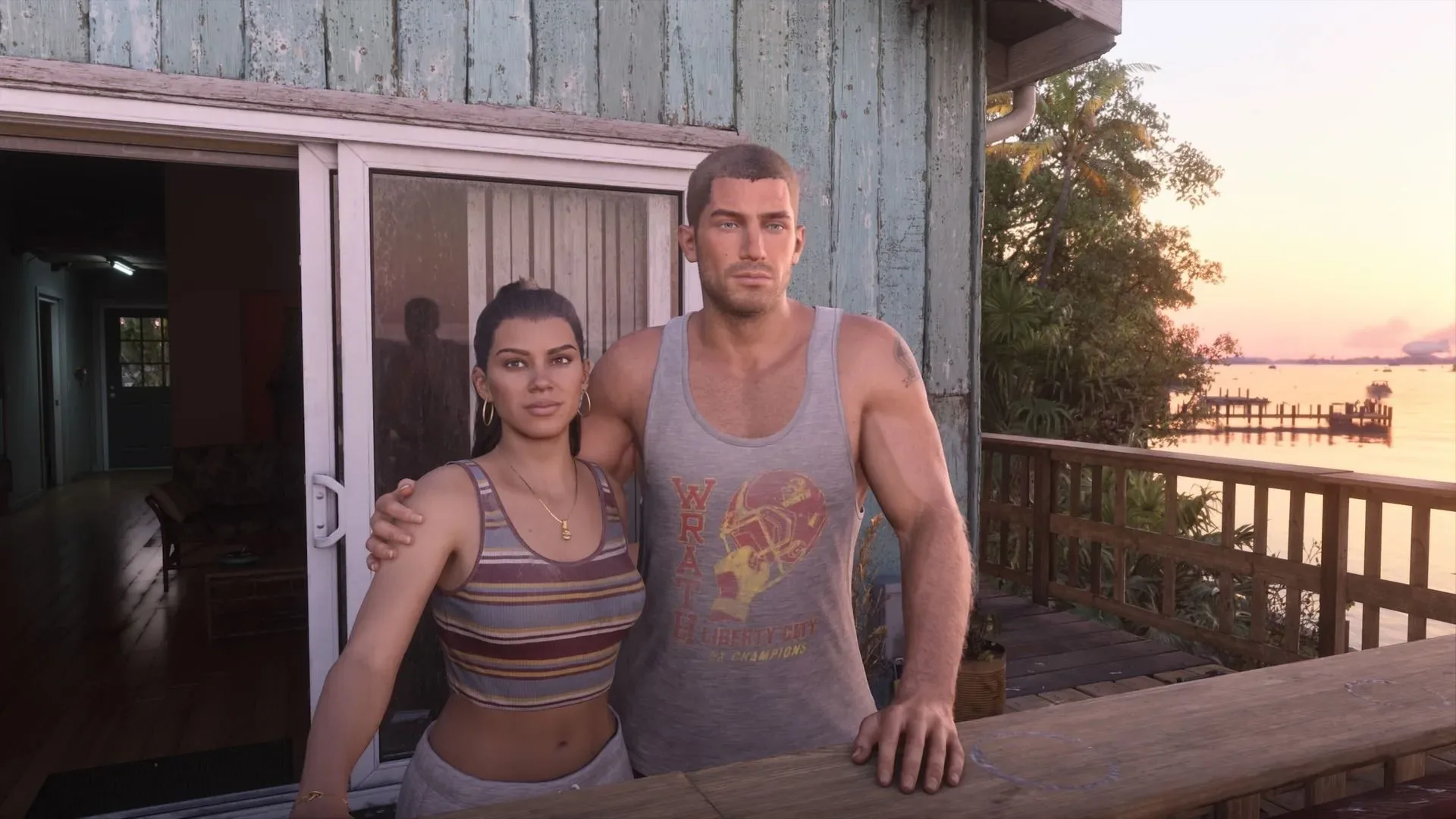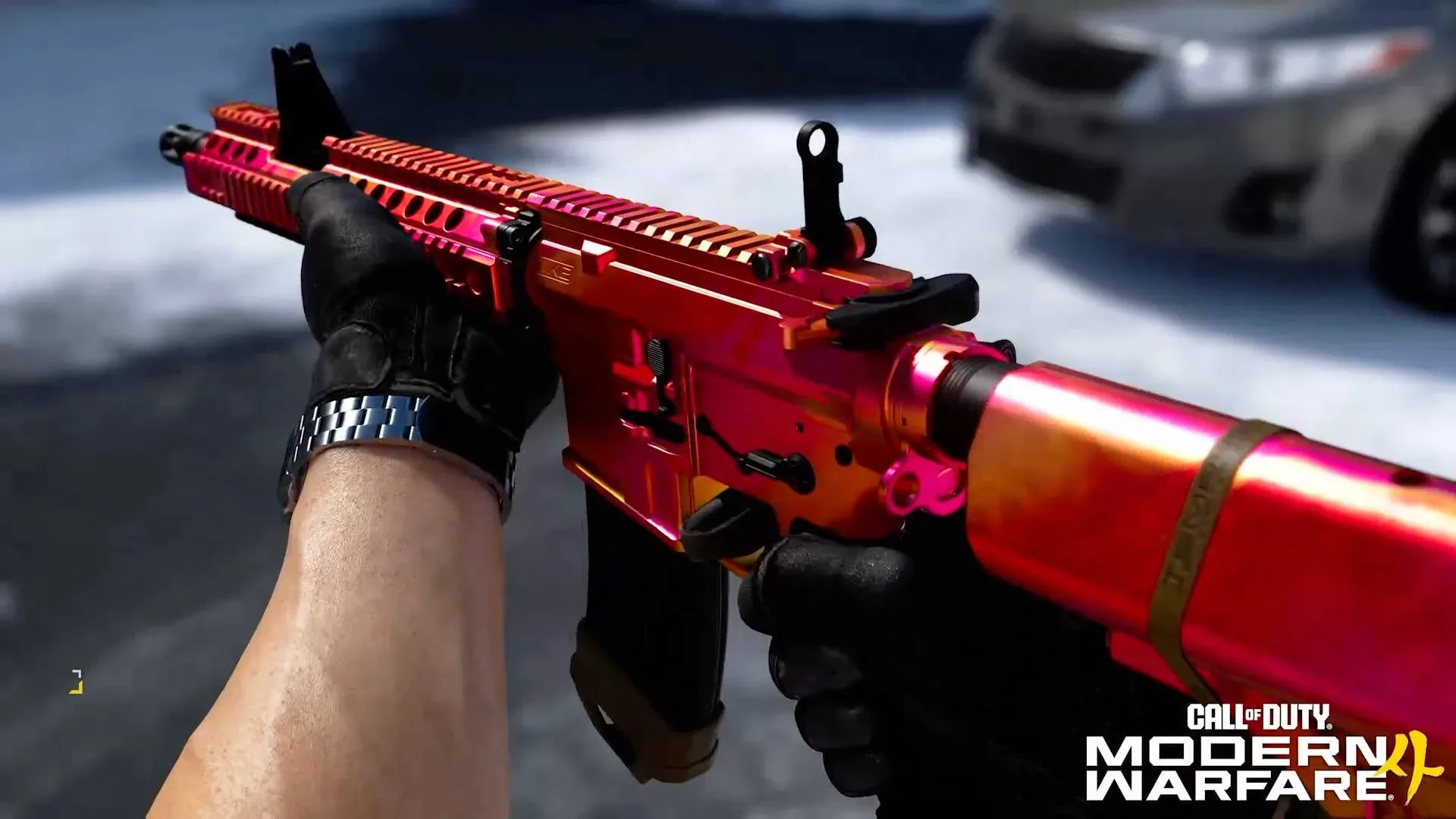

Grand Theft Auto 6’s launch appears to have pulled a substantial share of Call of Duty’s active audience away from the franchise, at least temporarily. Alinea Analytics reports that daily players across the Call of Duty app fell 42% during GTA 6’s launch weekend, declining from 7.6 million users to 4.4 million across platforms. The app encompasses Warzone, Black Ops 7, and Modern Warfare 4.
That is a difference of roughly 3.2 million daily players. It is also a significant reminder that, even in an industry with several enormous long-running games, players still have limited time and attention. GTA 6 was positioned as one of 2026’s biggest entertainment releases; Call of Duty’s annual cadence meant its newest release and post-launch period were active at the same time.
The figure should be read carefully. It describes a reported change in daily player count, not game sales, lifetime engagement, revenue, or a permanent loss of users. Still, a 42% weekend decline is a notable short-term disruption for a franchise built around regular play, recurring seasonal activity, multiplayer matchmaking, and the momentum that comes from a large active community.
What the reported 42% decline measures
A daily player count is a snapshot of how many people use a game or service on a given day. In this case, the reported total combines users of the Call of Duty app’s connected offerings rather than isolating one game. That distinction matters because the number is not a direct scorecard for Modern Warfare 4 alone, nor is it necessarily a count of unique Call of Duty customers across every possible product arrangement.
The reported change—from 7.6 million to 4.4 million—is consistent with a 42% fall when measured against the earlier figure. It signals that a large group of players who had recently been playing Call of Duty did not do so during the GTA 6 launch window.
It does not establish why every individual player stepped away. A major new release is the obvious explanation for a broad, simultaneous movement in attention, especially when both franchises appeal to players looking for big-budget action. But daily activity can also move with normal play habits, weekends, content timing, social plans, and players alternating among games.
For that reason, the most defensible reading is narrow: GTA 6’s arrival coincided with an unusually steep drop in reported Call of Duty activity. Whether that becomes a longer-term change depends on what happens after the initial launch period, including how many players return and how quickly they do so.
Why the overlap matters
Call of Duty and Grand Theft Auto serve different structures of play. Call of Duty is built around rapid matches and repeat sessions, while GTA 6 is an open-world crime game likely to demand longer stretches of player time. Those formats can coexist over months. During the opening weekend of a blockbuster launch, however, they compete directly for the same evenings, friend groups, console storage, downloads, and conversational attention.
Related coverage includes Call of Duty Daily Players Reportedly Fell 42% After GTA 6 Launch.
Call of Duty’s annual release pattern makes escaping that conflict difficult. The series typically arrives around October or November, and Modern Warfare 4 was beginning its post-launch phase as GTA 6 released. A publisher can move a game away from a crowded window; an annual franchise designed around an established autumn schedule has less room to maneuver without changing its broader rhythm.
The reported effect also speaks to the difference between a popular release and an event release. A routinely successful game can keep a large population playing week after week. An event release has the capacity to interrupt those habits, including among people who may fully intend to return to their usual multiplayer game after finishing, pausing, or simply sampling the new one.
GTA 6’s launch therefore did not need to permanently convert Call of Duty players to create a dramatic daily-count dip. It only needed to become the priority for a meaningful number of people at once.
A short-term loss is not necessarily a long-term verdict
Activision chief marketing officer Tyler Bahl had previously argued that GTA 6 could ultimately benefit Call of Duty by expanding overall interest in gaming. The theory is straightforward: people may buy a console or return to one for GTA 6, then explore other games afterward. Under that scenario, an initial attention drain and a later audience lift are not mutually exclusive.
At present, the available activity figure supports the first part of that picture—the immediate drain—rather than proving the later benefit. The important questions are now about recovery:
- Does Call of Duty’s daily population return near its pre-launch level after GTA 6’s opening period?
- Do returning players split their time differently among Warzone, Black Ops 7, and Modern Warfare 4?
- Does the franchise regain activity through its normal post-launch updates and community routines?
- Do newly active console players eventually add to Call of Duty’s audience, as the broader-market theory suggests?
None of those outcomes can be determined from one launch-weekend comparison. They matter because daily-player data is especially sensitive to temporary changes in what people choose to play first. A player who spends a weekend in GTA 6 may still return to Call of Duty for familiar squads, competitive play, or ongoing progression. Conversely, some may find that GTA 6 changes their usual rotation for longer.
There is a practical lesson here for players, too: a population decline in one game does not automatically mean its community has disappeared. The reported post-launch total was still 4.4 million daily users across platforms. The more useful signal will be the trend over time, not a single peak-versus-event-weekend comparison.
The next pressure points are uncertain
The current collision may not be the last. A PC version of GTA 6 has been rumored for early 2027, though no such release plan is confirmed here. A further online component is also widely anticipated, but Rockstar has not detailed GTA 6’s online plans or timing.
Those uncertainties are important. It is easy to treat an online mode as inevitable because of the series’ history, but a widely expected feature is not the same as an announced one. Without official timing or details, predictions about its impact on Call of Duty remain hypothetical.
Timing would shape the scale of any future clash. A summer launch could overlap with the part of Call of Duty’s annual cycle when committed players are still active in the existing game. A release in the October-to-November period, by contrast, could arrive alongside another new Call of Duty entry and repeat the competition for players’ limited time.
There is recent context for why this question is being watched so closely. Call of Duty faced strong competition from Battlefield 6 in 2025, followed by GTA 6 in 2026. These are not identical competitors, but both demonstrate that the franchise’s scale does not make it immune to a major alternative vying for the same action-game audience.
What to watch instead of overreading one number
The 42% claim is striking because it puts a clear number on the launch-weekend shift. But the next set of observations will be more revealing than the headline figure itself.
- Recovery speed: A fast rebound would suggest that many players merely paused their normal Call of Duty routine for GTA 6’s release.
- Recovery level: Returning to 7.6 million daily players is different from stabilizing below that level. The latter could indicate a changed playing pattern, though it would still need context over a longer period.
- Platform distribution: The reported total is cross-platform. A possible future PC release for GTA 6 could create a different pattern from the console-led launch period, but that depends on an unconfirmed release.
- Future official plans: Rockstar’s eventual details on GTA 6’s online offerings, if and when they arrive, would be far more meaningful than assumptions based on expectations.
For now, the data point is best understood as evidence of GTA 6’s extraordinary ability to redirect gaming attention at launch, rather than a final judgment on Call of Duty’s health. Millions of players remained active in Call of Duty even after the reported decline, while GTA 6 demonstrated the kind of concentrated demand that can make even the industry’s biggest recurring series feel the blast radius.
For more GTA 6 coverage, including details on its music and radio content, see GTA VI’s deluxe soundtrack additions and the distinction between radio, album, and score.