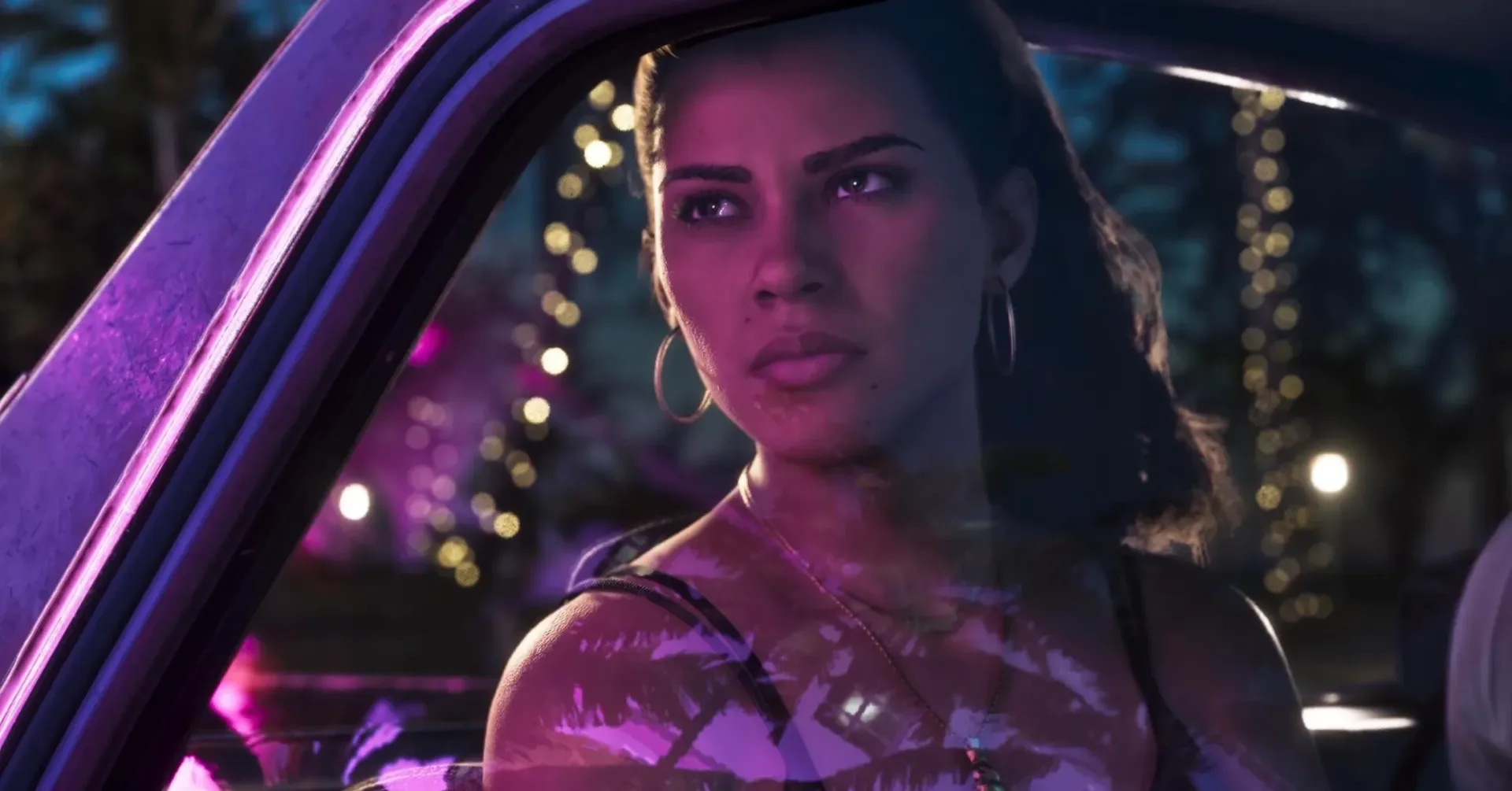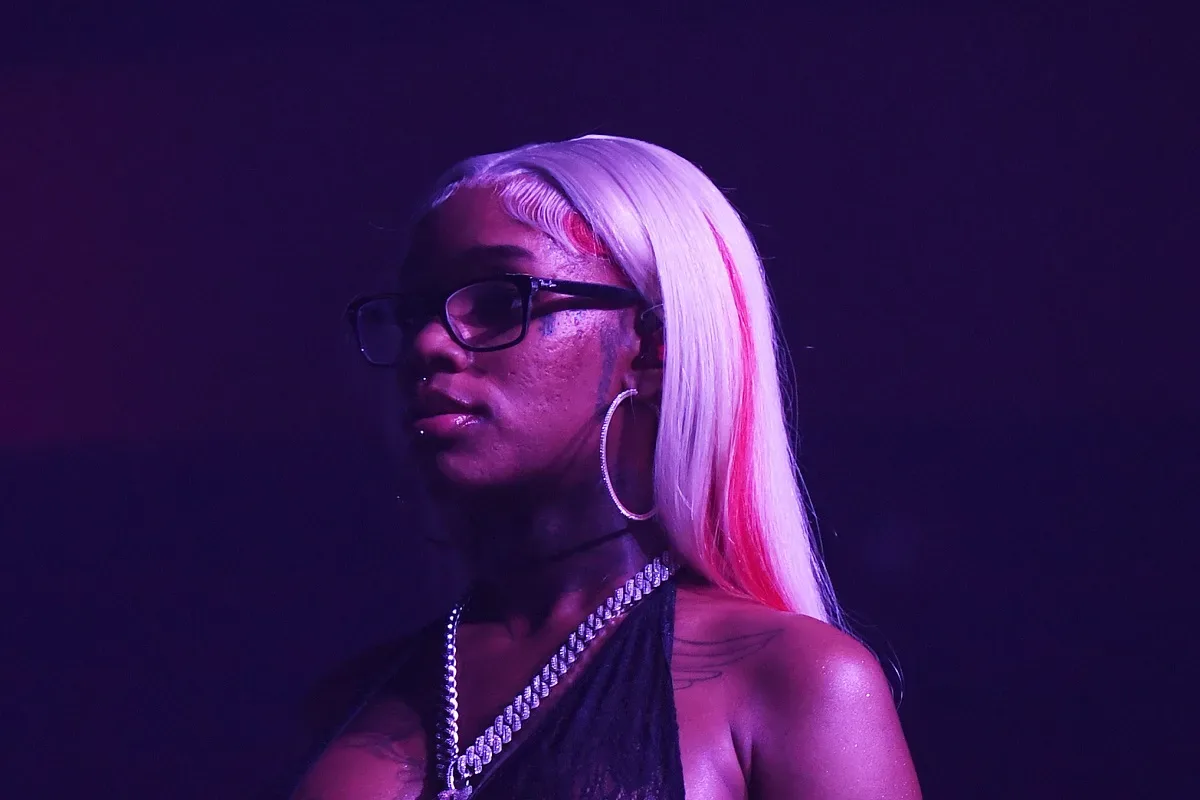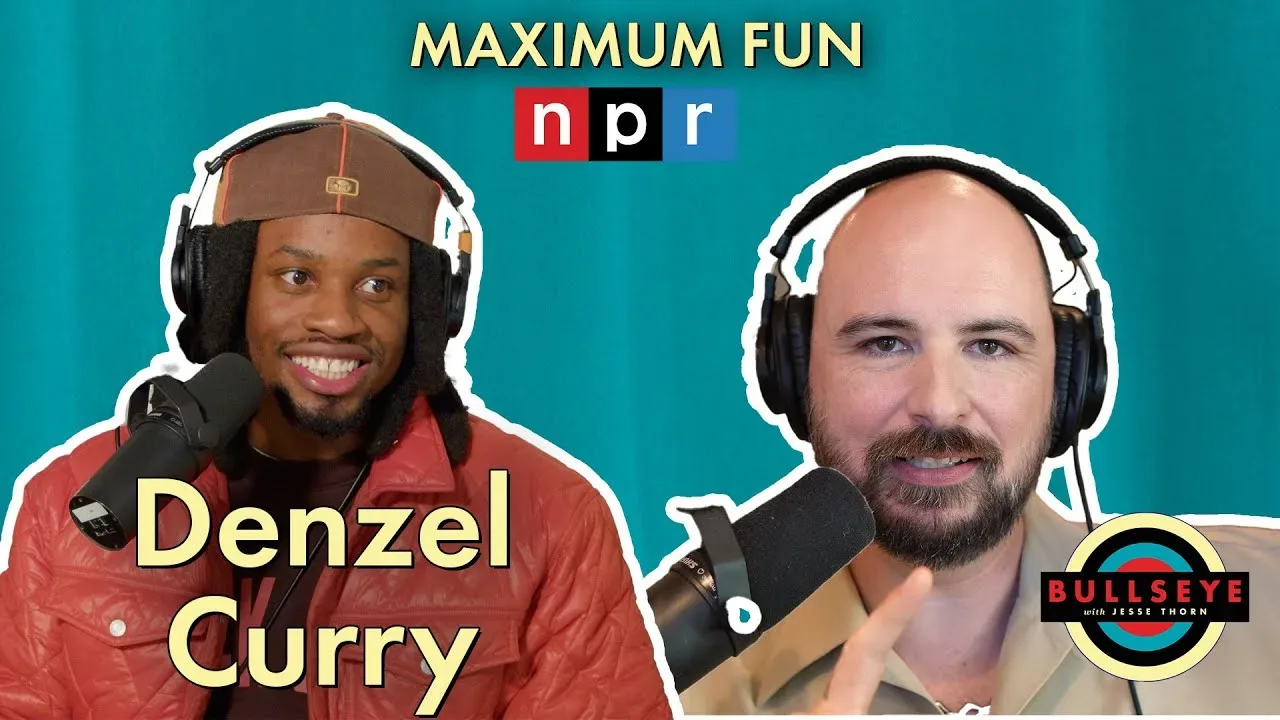
Grand Theft Auto VI’s soundtrack album has grown from 34 tracks to 57. Rockstar Games and Atlantic Records have added 23 songs to the deluxe edition, expanding a release already built around the musical identity of the next trip to Vice City and Leonida. The new material includes rap, electronic music, pop and metal, with Latto and Flo Milli, Denzel Curry and 454, Sexyy Red, Kodak Black, Slayyyter, The Dare, Power Trip and Overmono among the artists represented.
That headline total is worth reading carefully, because GTA VI’s music rollout now has several connected but distinct parts: a soundtrack album, in-game radio-station playlists, and an upcoming original-score album. The deluxe edition’s 57-song count applies to the soundtrack album. It should not be treated as a complete station-by-station inventory of every song heard in the game, nor as the same thing as the separate score by Justice.
For players trying to make sense of what belongs where, the clearest detail is structural: the deluxe release preserves the standard album’s original track order through track 34. “Overtown Lights,” credited to Stanley Clarke, Yussef Dayes and Robert Glasper, remains the end of that initial run. The added section begins after it with Travis Scott’s “Burn This Shit Down.”
What the 23-song expansion adds
The bonus portion brings several high-profile rap records into the soundtrack’s official expanded track list. Latto and Flo Milli collaborate on “50 Bands,” while Denzel Curry and 454 appear together on “FLA Flow.” Rockstar’s music page provides dedicated listening links for both tracks rather than merely placing them in a general album list.
Kodak Black teams with Haitian producer Michaël Brun for “Tèt Kale Bobis.” Elsewhere, the new sequence places 21 Savage’s “Cookin,” Pooh Shiesty’s “Got Dat,” and Young Nudy’s “Don Da Da” consecutively. Putting those tracks back-to-back makes the addition feel curated as a run of songs, rather than a loose collection of disconnected extras.
Sexyy Red also joins the fictional Vice City duo Real Dimez for “Cooties (Remix).” Real Dimez is more than a made-up artist name placed on a playlist: the game credits identify Hood Brat as Bae-Luxe and Krissy Celess as Roxy Rashad. The credits also identify “Cooties” as a Real Dimez song and give Sexyy Red a writing credit on the remix.
The crossover matters because Sexyy Red appears as herself in the game while recording with performers associated with Rockstar’s fictional setting. That approach blurs the usual boundary between a licensed soundtrack cut and in-world entertainment. A real-world artist is attached to a song that also extends a fictional act’s presence inside Vice City.
The additions reach beyond rap
While the most recognizable names in the expansion may be rap artists, the deluxe edition is not exclusively rap-focused. Slayyyter’s “INTERNET $TAR,” The Dare’s “Interesting,” and Power Trip’s “Mutual Death Warrant” are also among the new tracks. Their inclusion broadens the album’s range and reinforces the idea that GTA VI’s musical presentation is not being framed as one genre, even where individual stations may have clearer stylistic identities.
British electronic duo Overmono occupies the final five positions on the expanded list. That sequence starts with “Granforma” and ends with “Welcome to Leonida,” which closes the 57-track album. The final title is especially direct in its connection to GTA VI’s fictional state, although it is important not to infer any plot, mission or location details from a track title alone.
In soundtrack terms, a deluxe edition generally means an expanded version of an existing album: the original track list remains in place, while bonus material is appended or otherwise added. That is the pattern here. Anyone who wants to hear the original 34-song sequence can still do so without the new tracks interrupting its established order; listeners who choose the deluxe version then continue into the 23-track extension.
Album track lists are not the same as radio playlists
GTA’s radio is a major part of how its music is encountered, but an album listing and a station playlist answer different questions. The album tells listeners how the soundtrack release is packaged. A radio playlist identifies the station context in which a particular song plays in-game, including a host or a genre-specific programming identity.
“50 Bands,” for example, is listed in the game credits for Vice City Rap Radio, hosted by JT and DJ Stevie J. That gives the Latto and Flo Milli collaboration a defined radio home within the game. It also does not mean that Vice City Rap Radio is limited to the 57 tracks on the deluxe album, or that every deluxe-album song belongs to that station.
Rockstar has also provided a separate preview for Dirty South Classics, hosted by Trick and Trina. Taken together with the Vice City Rap Radio credit, that detail illustrates the two-layer setup: selected songs can be promoted as part of a soundtrack release while also being placed within in-game stations that have their own hosts and playlists.
That distinction will be useful for fans cataloguing GTA VI music. A full soundtrack-album list is best used to track the release itself. Game credits and station-specific pages are the more relevant references for questions about where a song is heard while playing. For more station-focused GTA VI coverage, see this GTA VI radio station tracklist and unlock guide.
Real Dimez and the soundtrack’s in-world layer
“Cooties (Remix)” is the expansion’s clearest example of Rockstar using music to connect a real performer with a fictional act. Sexyy Red’s participation places her alongside Real Dimez, while the character and performer credits give Bae-Luxe and Roxy Rashad identities beyond the song title. The remix is therefore not simply another guest feature in the abstract; it is part of a constructed Vice City music scene.
There is a useful technical distinction here. A licensed song is music included in a game through rights arrangements. An in-world act is a performer or band that exists within the game’s fiction. A track can involve both concepts at once when real musicians collaborate with a fictional act, as this one does. The available credits support that overlap, but they do not establish broader narrative details about Real Dimez beyond the names and roles listed.
The approach also gives the soundtrack a function beyond background listening. Songs can introduce a station’s sound, support a fictional artist’s presence, or link recognizable musicians to the world of Vice City. GTA VI’s credits and music pages suggest that the project is using all of those routes, though the album itself remains a release with its own ordered listening experience.
Justice’s score remains a separate release
The expanded soundtrack should also not be confused with Grand Theft Auto VI: Original Score. Rockstar has set that separate Justice release for December 11. It is described as a 30-track album and is due on streaming services, CD and vinyl.
An original score is music composed for a production, often intended to support atmosphere, scenes or action rather than function as a curated selection of songs by a range of recording artists. The distinction does not make one format more important than the other; it explains why they are being released independently. The deluxe soundtrack centers on a multi-artist collection and adds 23 songs to reach 57. The Justice project is a standalone 30-track score release.
For listeners, that means there are two different music releases to follow: the expanded soundtrack now available in its deluxe form, and the forthcoming score on December 11. For collectors who prefer physical formats, the score’s CD and vinyl plans are specifically stated, while no physical-format claim should be assumed for the deluxe soundtrack from the information available here.
Key GTA VI music details at a glance
- The standard soundtrack album contains 34 tracks.
- The deluxe edition adds 23 songs, for 57 tracks in total.
- The original 34-track running order remains intact, ending with “Overtown Lights.”
- Travis Scott’s “Burn This Shit Down” opens the bonus section.
- Overmono holds the final five deluxe-album slots, ending with “Welcome to Leonida.”
- Latto and Flo Milli’s “50 Bands” is credited to Vice City Rap Radio, hosted by JT and DJ Stevie J.
- Sexyy Red appears on “Cooties (Remix)” with the fictional Real Dimez.
- Justice’s separate 30-track Grand Theft Auto VI: Original Score is set for December 11 on streaming, CD and vinyl.
The practical takeaway is simple: GTA VI’s music campaign is expanding in layers. The 57-track deluxe album is the place to find the new batch of songs and its preserved standard-album sequence. Radio credits and previews provide the in-game station context. And Justice’s 30-track release is a different album entirely, focused on original score rather than the deluxe soundtrack’s lineup of artists.