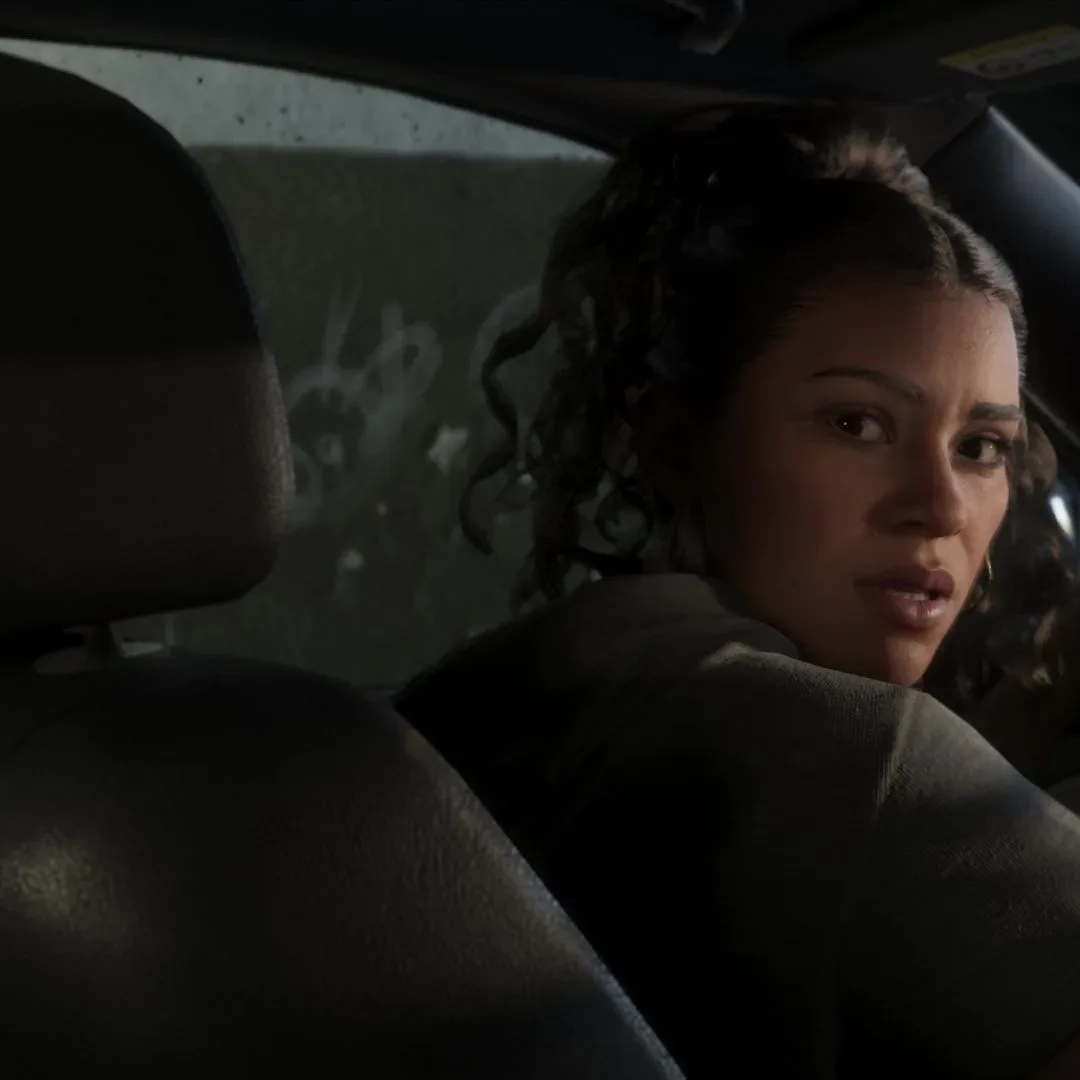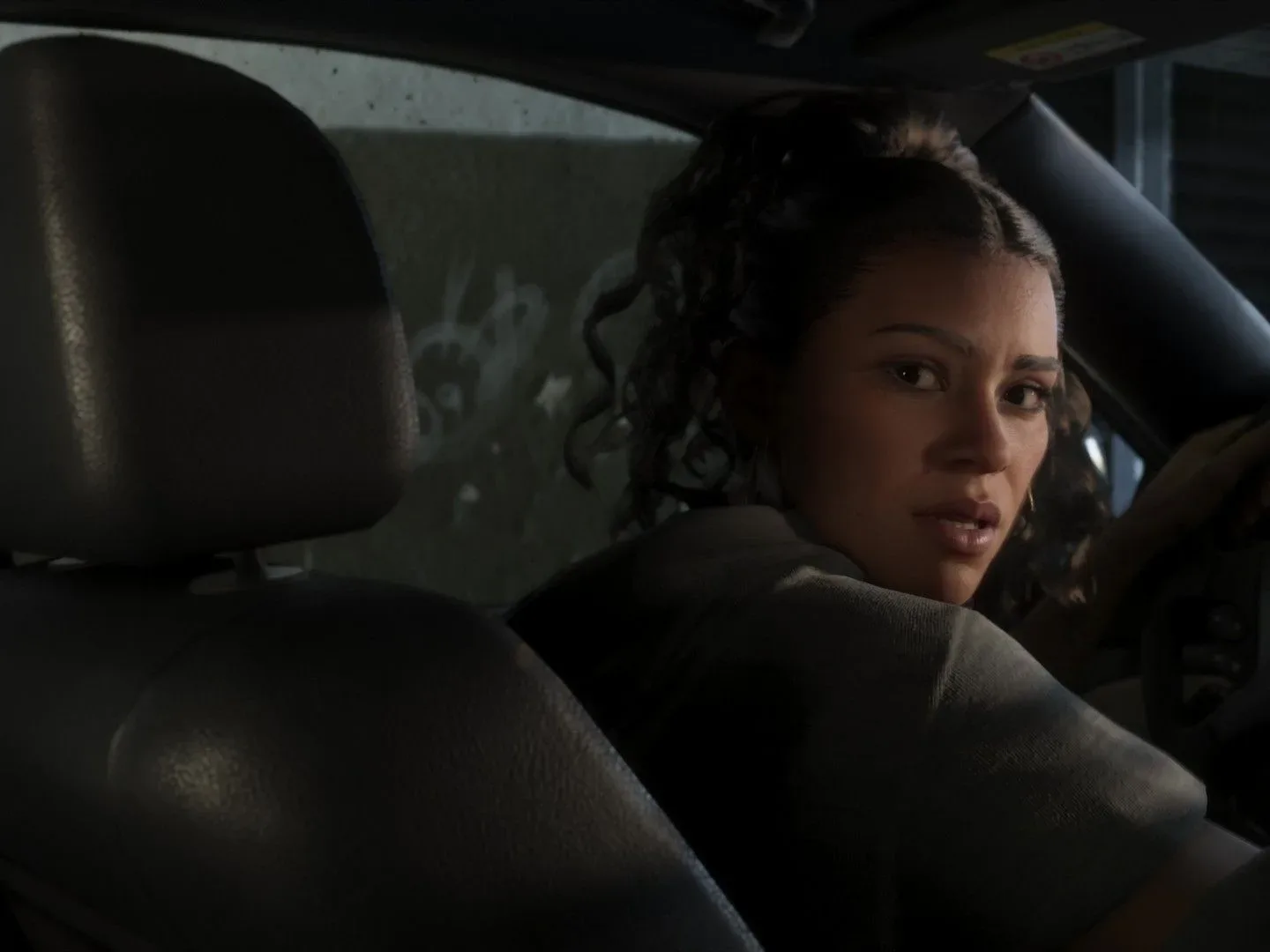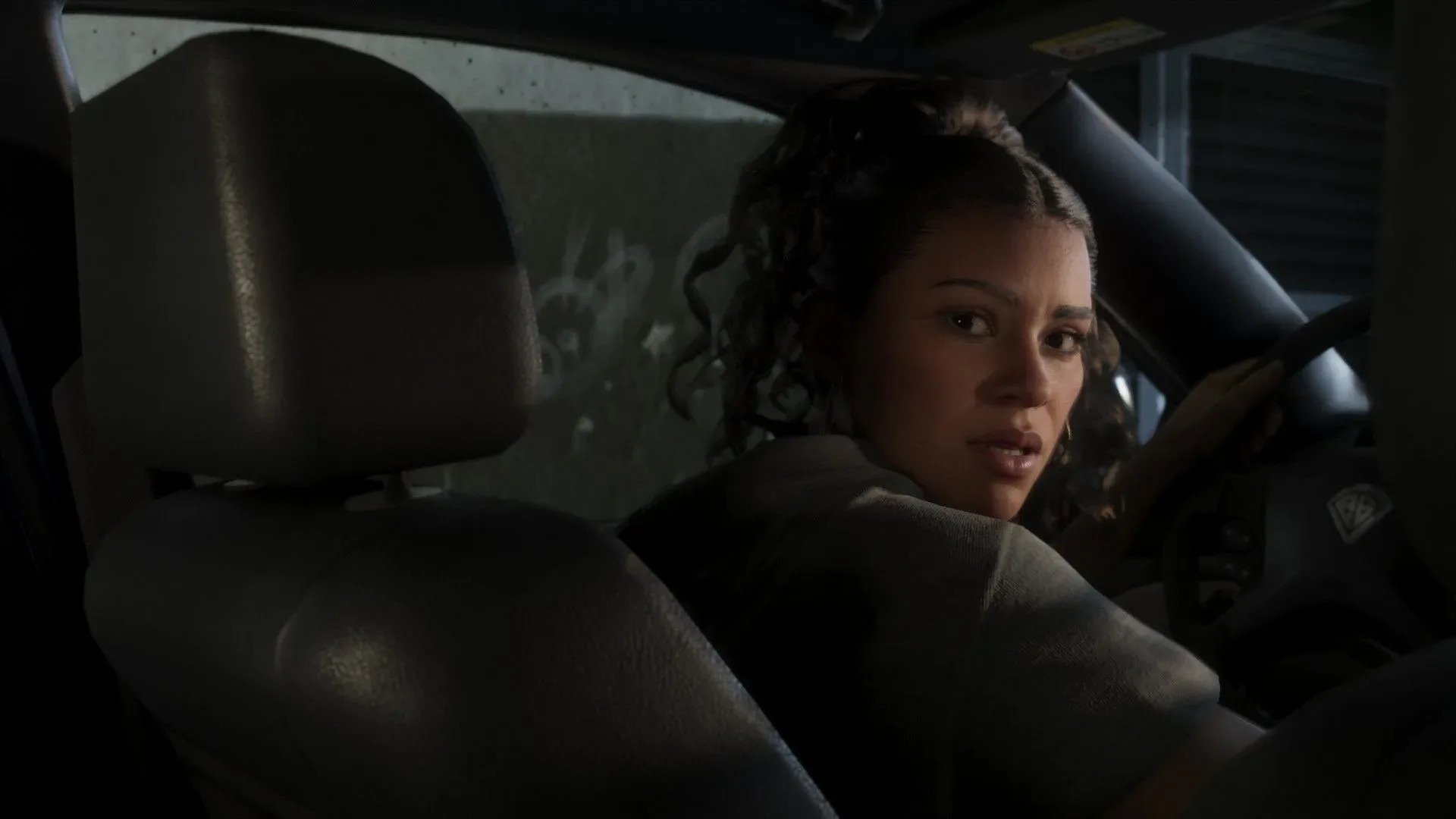
In a series built on grand larceny, loud radios, spectacularly bad route planning, and the eternal belief that a lamppost is merely a ramp with poor public relations, driving has always carried an outsized share of the Grand Theft Auto experience. Cars are transportation, getaway tools, accidental weapons, moving sightseeing platforms, and occasionally the reason a carefully planned mission ends with a vehicle gently wedged beneath a bridge.
For Grand Theft Auto 6, Rockstar is aiming to make that central activity feel like a deliberate blend of two past approaches. Rockstar co-studio head Rob Nelson has said the game’s cars are intended to preserve the strongest elements of the heavier, more physical handling associated with Grand Theft Auto 4, while retaining the accessibility players recognize from Grand Theft Auto 5.
That is a tantalizingly specific ambition, even if it remains a claim that cannot yet be independently tested. No one outside Rockstar and publisher Take-Two has had a public hands-on opportunity with GTA 6, so players should treat every description of its driving as an early indication rather than a settled verdict. Still, the details Nelson highlighted offer a useful look at what Rockstar is prioritizing before the game reaches the road.
A balance between heft and confidence
GTA 4 and GTA 5 are often remembered as representing two notably different schools of open-world driving. GTA 4’s vehicles had a pronounced sense of mass. Cars could lean, slide, and react in ways that made the streets of Liberty City feel physically demanding. For some players, that handling made high-speed pursuits thrilling because every turn required attention. For others, it could feel cumbersome, especially when a mission demanded a rapid chase through traffic and every curb seemed to have hired itself as a stunt coordinator.
GTA 5 moved toward a more immediately controllable feel. Its cars were generally easier to guide at speed, easier to recover when a turn went wrong, and friendlier to players who wanted to get from one point of the map to another without earning an honorary degree in countersteering. The shift did not remove vehicle variety, but it made the basic act of driving more inviting across a huge audience.
Nelson’s description places GTA 6 between those two poles. The stated goal is not simply “GTA 4, but smoother,” nor “GTA 5 with extra wobble.” It is to retain the satisfying parts of vehicle weight and feel while making the controls approachable. That wording matters. A car can feel substantial without becoming frustrating, and it can respond promptly without behaving as if its tires have been replaced with invisible magnetic rails.
Rockstar says the vehicle systems have been built from scratch for the current hardware, with more room to tune elements including drivetrain behavior, tires, suspension, and steering as part of the physics model.
That list is the meaty part of the conversation. It suggests Rockstar is thinking about more than a universal slider labeled “car heavy: yes/no.” Drivetrain tuning can affect how a vehicle delivers power and how it behaves during acceleration. Tire behavior can shape grip, sliding, braking, and how convincingly a car transitions between stable pavement and less cooperative surfaces. Suspension influences body roll, bumps, landings, and the delightful moment when a player discovers that a tiny staircase is not, in fact, a freeway interchange.
Why the individual systems matter
In an open-world game, driving physics cannot be judged only by whether a sports car feels fast on a straight road. The system has to survive missions, rain, traffic, sharp turns, off-road detours, collisions, police chases, and the player who has decided the sidewalk offers superior lane discipline. The best version of this balance would make vehicle choice meaningful without asking players to fight the controller every time they borrow a sedan.
If Rockstar achieves the stated blend, different vehicles could carry clearer identities. A large truck might communicate its weight through slower directional changes and a more substantial response over uneven terrain. A compact car may be nimble but less planted at high speed. A powerful rear-driven performance vehicle could demand more restraint under acceleration than an ordinary commuter car. Those are possibilities implied by the systems Nelson mentioned, not confirmed examples of how specific GTA 6 vehicles will behave.
The potential benefit is that cars may become more memorable without becoming precious. GTA has always depended on spontaneous vehicle acquisition. Players do not usually spend an evening researching a hatchback’s suspension geometry before obtaining it at an intersection. A successful handling model needs to make quick, improvised decisions enjoyable: grab something fast, grab something tough, grab something that looks like it can survive a ditch, or grab the nearest thing because three police cruisers have developed a keen interest in your itinerary.
Accessibility is especially important here. GTA 6 is expected to accommodate players who approach driving very differently: people who want realistic-feeling momentum, players who want clean mission navigation, dedicated racers, casual explorers, and friends passing the controller around after someone says, with excessive confidence, “I can make that jump.” For a useful refresher on the social laws that govern shared-controller chaos, see the unwritten rules of couch multiplayer.
Current hardware and a new physics foundation
Nelson said GTA 6’s vehicle handling has been built from scratch on the current hardware. The game is set to launch on PlayStation 5 and Xbox Series X, and the comment points to a more flexible underlying simulation rather than a straightforward reuse of an older framework.
That does not automatically mean GTA 6 will pursue full simulation-level realism. Grand Theft Auto has traditionally had to support a broad, messy kind of freedom, where believable vehicles must coexist with cinematic missions, dense city streets, varied weather, collisions, and players behaving like every road sign is part of a competitive slalom course. “More control” over the physics model could be valuable precisely because it lets designers tune realism toward responsiveness, rather than treating realism as the only goal.
The emphasis on suspension, steering, tires, and drivetrain behavior may also fit an ambition to make environmental details matter. Road surfaces, body movement, traction, and changes in speed can all help sell a place long before a player stops to inspect it. When a car responds differently over rough ground than on a clean boulevard, the world gains texture through play rather than through a menu explanation nobody reads because there is a helicopter nearby.
This is also why the comparison to both GTA 4 and GTA 5 resonates beyond nostalgia. Those games are still touchstones for players debating what they want from GTA driving. One camp often values GTA 4’s perceived physicality; another prefers GTA 5’s more fluid handling. Rockstar’s stated target recognizes that neither preference is irrational. It is an attempt to capture the sense that a vehicle occupies space and has momentum while keeping its behavior understandable enough for a huge open-world game.
What remains unknown before November
There is plenty that this early description does not establish. It does not confirm how weather affects traction, how dramatically cars differ from one another, whether damage changes handling in significant ways, how motorcycles compare with cars, or what options players may have to adjust driving assistance. It also does not answer the unavoidable question of whether a particularly expensive-looking vehicle can survive being launched off an embankment into a decorative fountain. History advises skepticism.
Most importantly, promotional descriptions cannot replace the feel of actually playing. Vehicle handling lives in split-second inputs: the way a car settles after a turn, the amount of correction needed after contact with traffic, the response when brakes are applied at the last possible second, and whether a recovery feels earned or handed to the player. Those are details that will not be settled until people can play GTA 6 themselves.
Still, Rockstar’s focus makes sense. Driving is not a side activity in Grand Theft Auto; it is the connective tissue between missions, discoveries, trouble, and the next terrible decision. It is also where an open world becomes personal. Players remember a shortcut that worked once, a favorite bike, a ridiculous near miss, and the exact corner where a perfectly good plan gained a police siren soundtrack.
GTA 6 is scheduled to launch November 19 for PS5 and Xbox Series X. Until then, Nelson’s comments provide a clear design promise: Rockstar wants cars that carry convincing weight, but not at the expense of the immediate, broadly welcoming control that helped define GTA 5. If that balance lands, the game’s roads may be full of vehicles that feel substantial right up until somebody discovers a guardrail has very different ideas about momentum.
And for anyone revisiting older hardware while waiting for the new generation’s next major open-world ride, it is worth checking what to map before buying a retro console HDMI adapter. The goal is a clear picture—not merely a clearer view of the moment your vintage getaway car meets a wall.