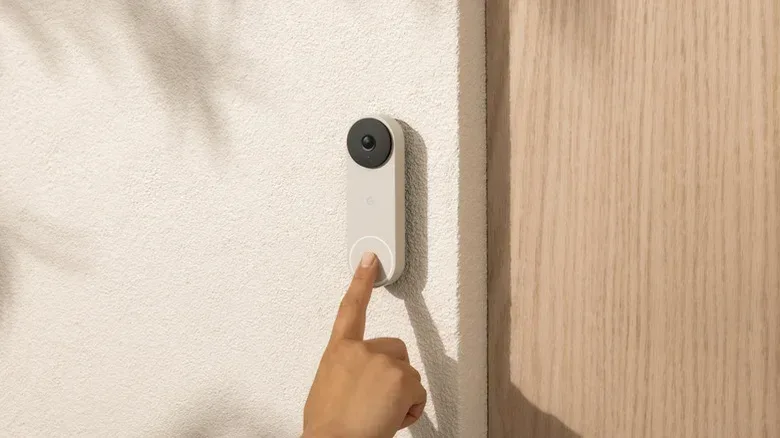
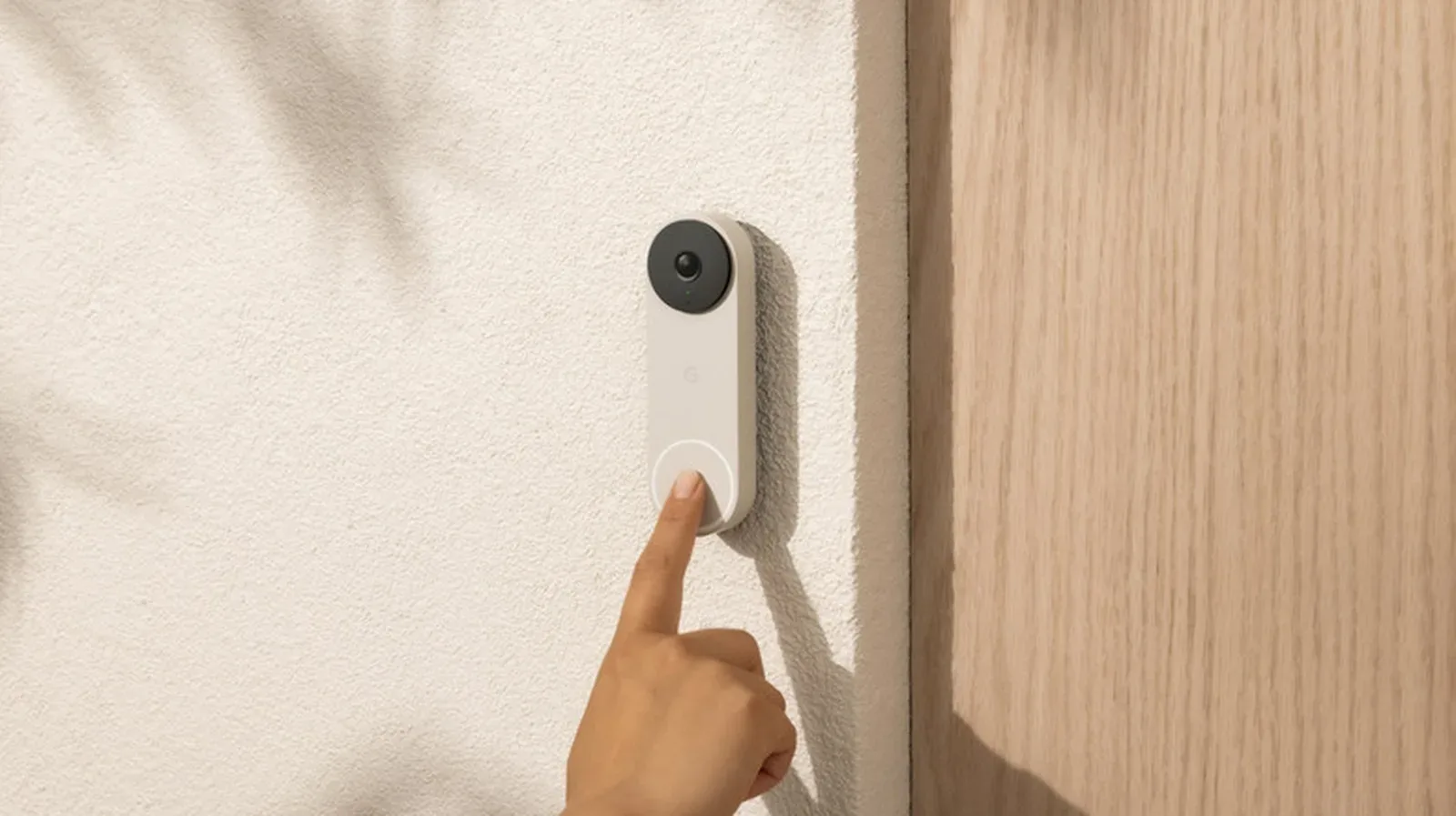
The Nest app is approaching its final loading screen. Google says it will retire the long-running smart-home app on January 25, 2027, making the newer Google Home app the place users will need to go to control Nest hardware remotely and receive device notifications.
It is a significant deadline for households still using Nest cameras, thermostats and other connected devices through the older app. The hardware is not being declared obsolete in the information provided, but the software route to managing it is changing. In practical terms, the Nest app will no longer be the remote-control hub after that January date.
A second change follows later in the year. On August 2, 2027, Google will retire Google Assistant from smart speakers and smart displays, replacing it with Gemini for voice controls. For people with a Google-powered screen or speaker in the kitchen, office or living room, it means the familiar assistant layer is also being swapped out.
The smart home, in other words, is getting a software migration rather than a dramatic hardware boss fight. But users with saved footage and established routines should still treat the dates seriously.
What is changing, and when
- January 25, 2027: The Nest app is scheduled to shut down.
- After that date: Google Home will be required for remote Nest-device controls and notifications.
- August 2, 2027: Google Assistant is scheduled to leave smart speakers and displays.
- After that change: Gemini will handle voice controls on those devices.
Google’s rationale is consolidation. The company says bringing Nest devices together in Google Home will give users access to newer security protections, cyber defenses and Gemini-related features. It also characterizes the newer infrastructure as faster, more reliable and more secure.
“Infrastructure” can sound like corporate wallpaper, but here it refers to the underlying app and service systems that connect a phone, a camera, a thermostat, a speaker and other devices. A single platform can simplify how those devices are supported and updated. It also means the user has fewer places to check when something needs attention—though it removes the option of sticking with the legacy Nest interface.
The key task: preserve custom clips
Google says existing Nest settings and schedules will transfer automatically to Google Home. That distinction matters. A schedule is a set of automated instructions, such as a timing preference established for a connected device; Google says these existing arrangements will carry over without a manual rebuild.
Custom clips are different. These are saved video clips users created over time, and Google says they are the item that must be manually moved before the Nest app’s retirement. Anyone who wants to keep them should visit the Nest website before January 25, 2027, and select “Download all.”
That is the clearest action item in the transition. Saved clips can be meaningful security records, but they may also simply be the moments a camera happened to catch: a visitor at the door, a pet creating a tiny domestic incident, or evidence that the bins did in fact go out. Whatever their purpose, users should not assume a software migration automatically preserves a personal archive when Google has specifically singled out custom clips for manual downloading.
A sensible approach is to do this well before the final date rather than turning it into a midnight quest. Confirm the download has completed and that the resulting files are accessible. The supplied details do not specify file formats, download times or storage requirements, so users should avoid making assumptions about those details and allow themselves time to review what they have saved.
Subscriptions are also moving
Google says Nest Aware (1st Gen) subscriptions will automatically migrate to its newer Google Home Premium package. Nest Aware is the subscription element tied to the Nest ecosystem; for users on the first-generation plan, the planned transfer means their subscription is part of the broader platform change.
The company says it will email affected customers closer to the transfer date with subscription information. Since the available details do not state plan terms, costs or feature-by-feature differences, the useful next step is simply to watch for that message and review the information it contains. A migration may be automatic, but that does not make its details unimportant.
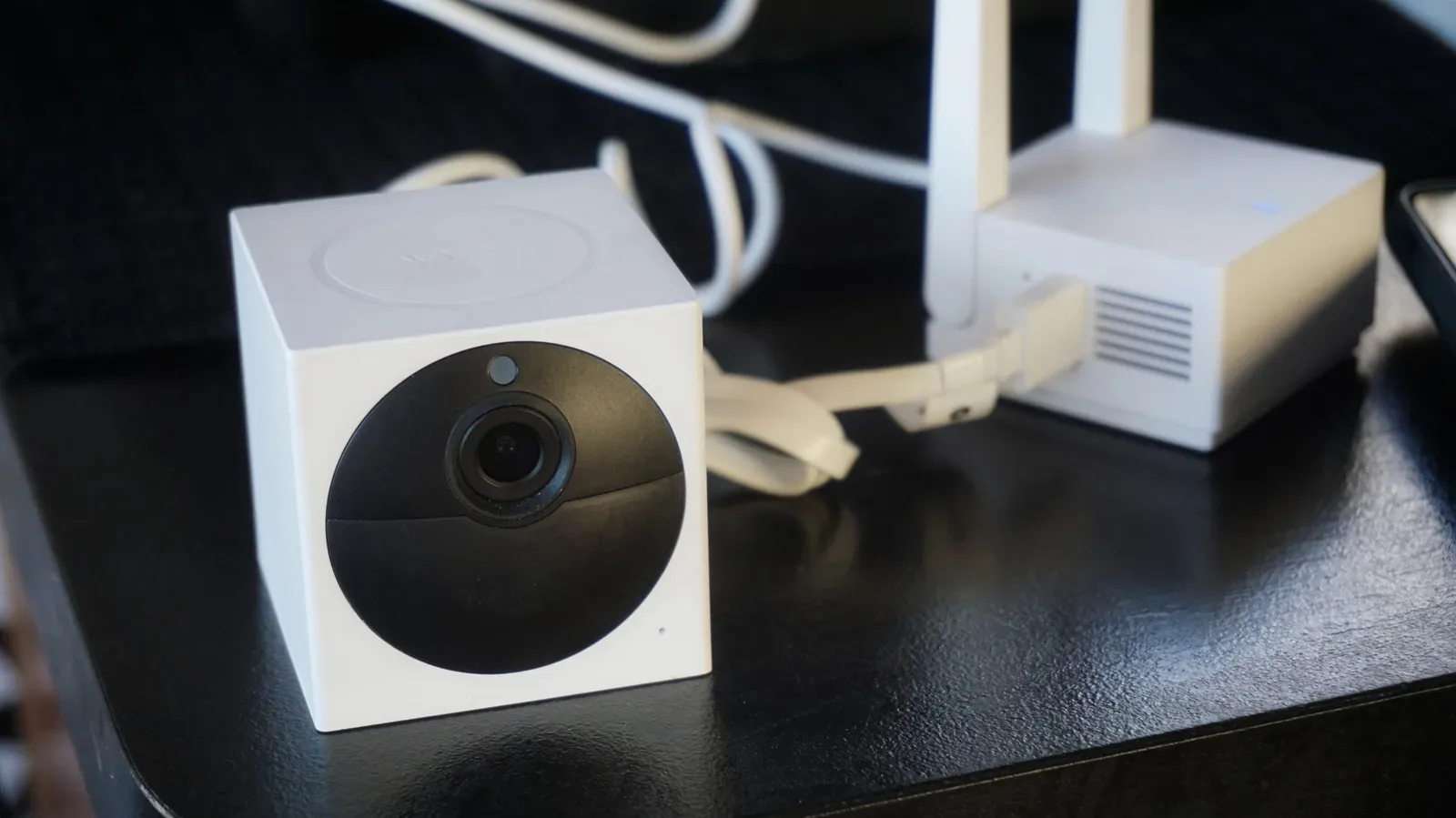
For broader buying context around connected cameras, Joking Joystick’s guide to the home security camera features that matter is relevant background. The Nest-to-Google-Home change is a reminder that a connected device is also an ongoing software service: app support, alerts, saved footage and subscription arrangements can matter as much as the camera itself.
What Google Home is expected to add
Beyond centralizing control, Google says the migration will let users view live Nest-camera footage on more of their other devices, including televisions and smartwatches. “Live footage” means the current camera feed, as opposed to a saved custom clip or a prior event recording.
That is a practical quality-of-life change for anyone who wants to check a camera without reaching for the same phone every time. A television can provide a larger shared view, while a smartwatch offers a more immediate glance at a small screen. The actual usefulness will naturally depend on which Nest devices and companion devices a household owns, but the stated goal is a wider set of places to view camera feeds.
There is also a simpler benefit in Google’s plan: one app instead of a split Nest and Google Home experience. For users who have already migrated, this may amount to a formal end date for an app they no longer open. For people who have not, it is a firm prompt to make the move and verify that their devices, notifications and schedules appear where expected.
Assistant out, Gemini in
The voice-assistant change should not be confused with the app shutdown, even though both are part of the same broader shift. The Nest app is being retired in January; Google Assistant will remain on smart speakers and displays until its separate August retirement date. Gemini will then replace Assistant for voice controls on those products.
Google Assistant has already been removed from Android phones and tablets, as well as Wear OS and related devices, earlier in the year. The upcoming change extends that transition to speakers and displays.
For everyday users, the immediate point is that voice control is moving to a different Google technology. “Gemini” is the name Google is using for the replacement system; the provided information does not spell out a command list, changed capabilities or setup procedure. It would be premature to promise that every existing voice habit will work identically. What is confirmed is the replacement timeline and Google’s intent to integrate Gemini’s newer features into the unified smart-home setup.
A long-running product line reaches its handoff
Google notes that the Nest app launched more than 15 years ago. Google acquired Nest more than a decade ago, and the Nest name became less prominent over time as the company increasingly used its own branding. The January 2027 shutdown turns that gradual convergence into a hard endpoint for the old app.
The practical message is not that every Nest owner needs to panic-reconfigure a house today. Google says settings and schedules should transfer automatically. But owners should download the Google Home app if they want continuing remote control and notifications, make a deliberate backup of any custom video clips before January 25, and watch for subscription email if they use Nest Aware (1st Gen).
Smart-home changes often arrive with the emotional weight of a firmware update and the logistical stakes of a moving day. In this case, Google has provided a timeline, a destination app and one especially important manual step. That makes the plan fairly clear: move the controls to Google Home, save the clips that matter, and expect Gemini—not Google Assistant—to become the voice at the other end of the smart speaker later in 2027.