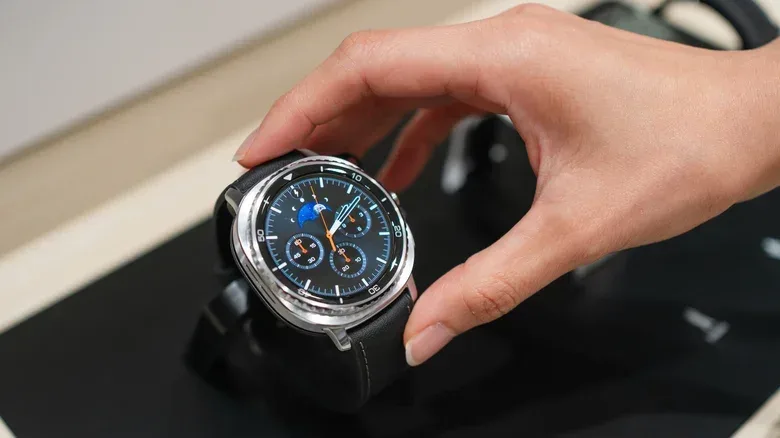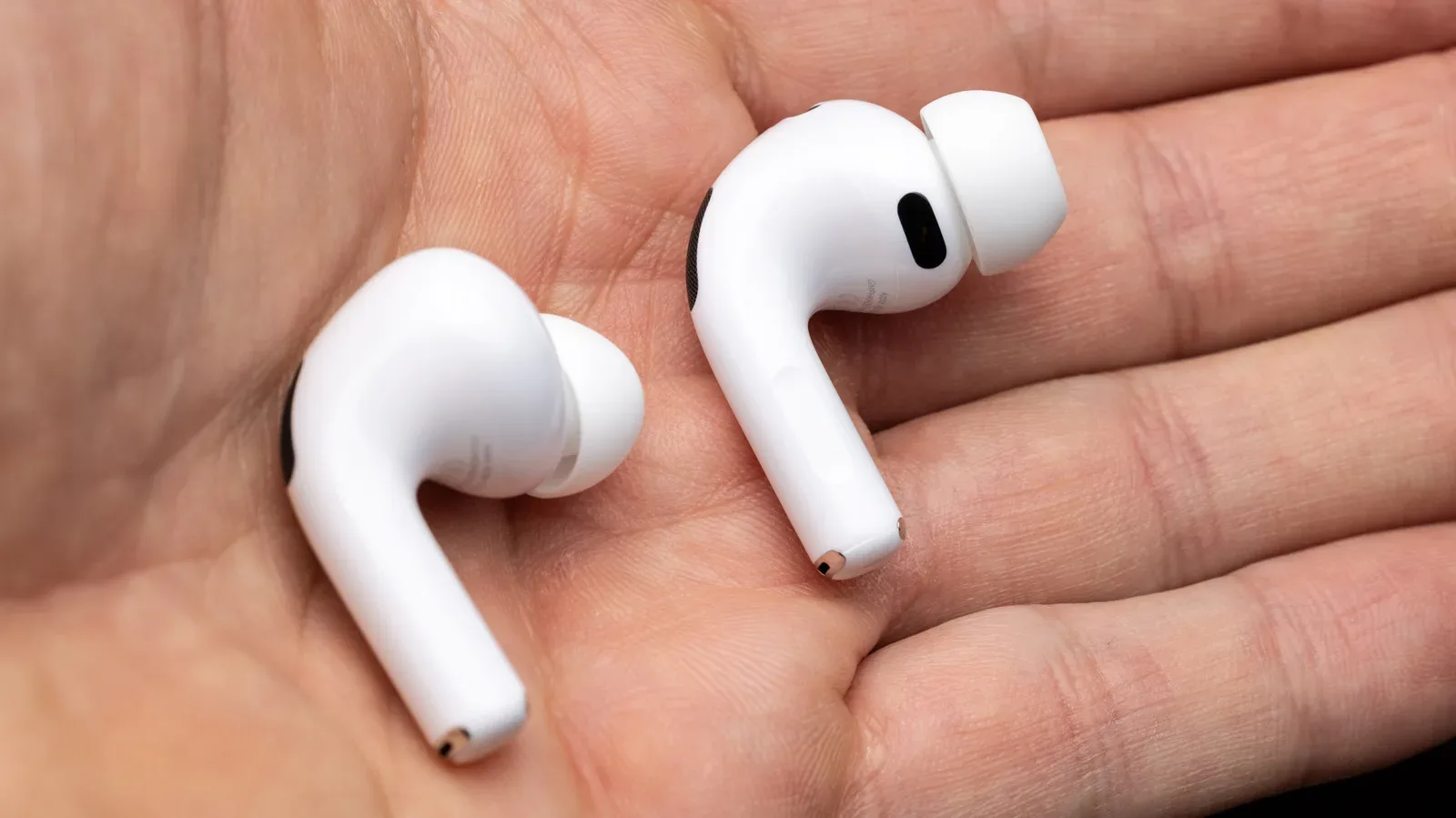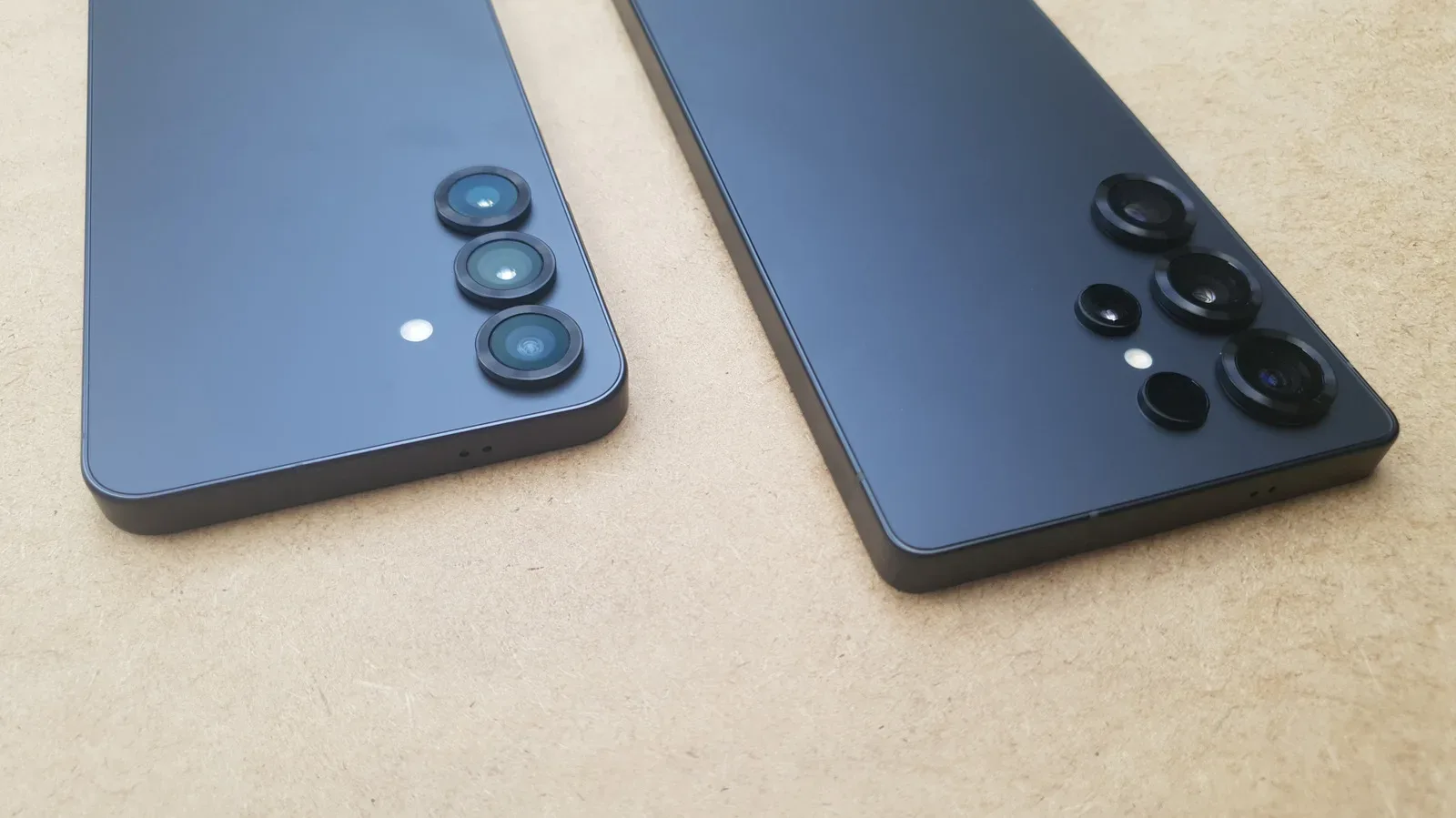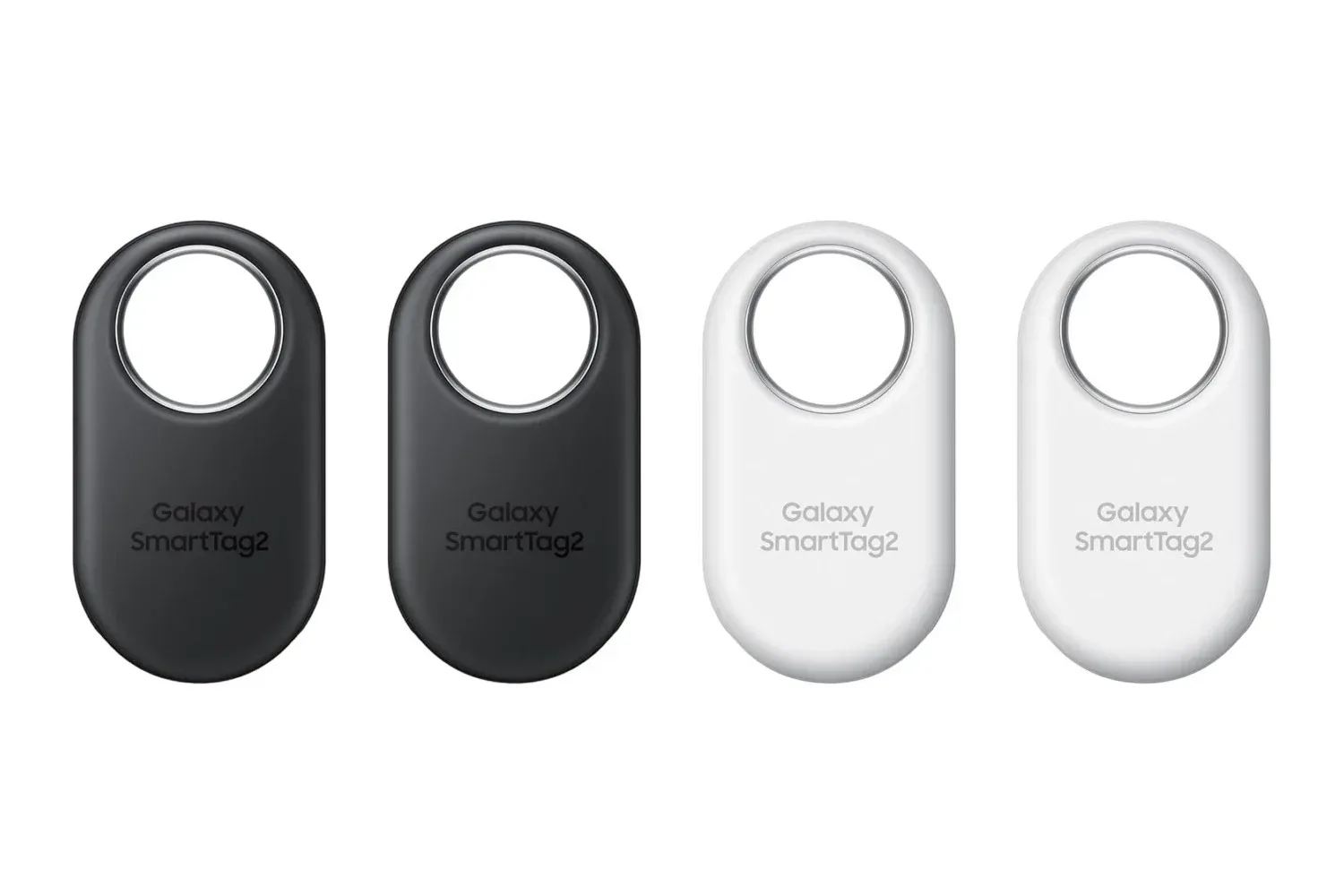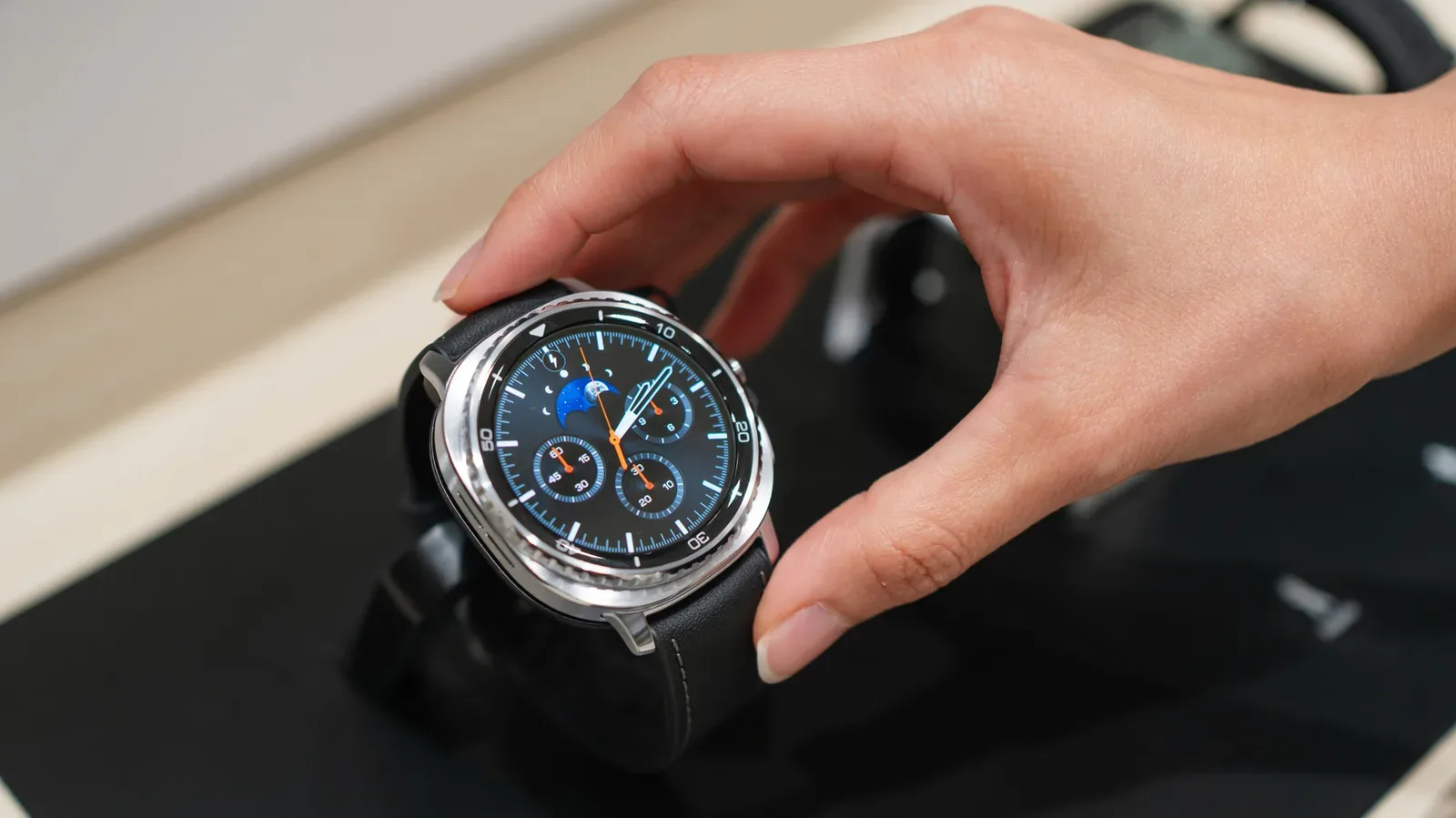
Samsung’s One UI 9 Watch rollout draws a clear line under support for the Galaxy Watch 4 and Galaxy Watch 4 Classic. The two 2021 smartwatch models, including their special editions, will not receive the company’s latest wearable software. They have already received four major operating-system upgrades, culminating in One UI 8 Watch.
That makes the news less about a sudden failure of existing hardware and more about the end of its scheduled software runway. A Watch 4 should continue doing what it does today; missing One UI 9 Watch does not itself make the watch slower or stop its current functions. The meaningful change is that the models will not receive the new software’s features, bug fixes and security updates. Over time, app compatibility is also less certain.
For owners deciding whether this is an immediate replacement moment, the sensible answer depends on how the watch is being used. Someone satisfied with notifications, basic tracking and existing apps may be able to keep using a Watch 4. Someone who values current security support, wants the latest health additions, or expects years of continued software upgrades has a much stronger reason to consider a newer model.
The Galaxy Watch models excluded from One UI 9 Watch
The devices named as missing the update are:
- Galaxy Watch 4
- Galaxy Watch 4 Classic
The cutoff also covers editions based on those products, including the Galaxy Watch 4 Golf Edition and Galaxy Watch 4 Classic Thom Browne Edition. A limited-edition case, band or branding does not change the underlying device’s software-support status.
There is an important bit of platform history in this particular retirement. The Galaxy Watch 4 generation marked Samsung’s move from Tizen OS to a customized version of Wear OS, Google’s smartwatch operating system. In practical terms, an operating system is the foundational software that runs the device, handles its interface and provides the environment in which apps operate. One UI Watch is Samsung’s software layer and visual approach for its Wear OS watches.
Owners are not losing a single neglected release: the Watch 4 line has received One UI Watch 4.5, One UI 5 Watch, One UI 6 Watch and One UI 8 Watch. Samsung’s newer Galaxy Watch 9 and Galaxy Watch Ultra 2 are promised five major OS upgrades, while their predecessors receive four. The Watch 4 has reached that four-upgrade limit.
Which watches are still in line for the update?
Samsung’s Galaxy Watch 5, Galaxy Watch 5 Pro and later models are expected to receive One UI 9 Watch by the end of 2026. The newer Galaxy Watch 9 and Galaxy Watch Ultra 2 arrived with the software already installed. Samsung has also been running beta releases for Galaxy Watch 7 and Galaxy Watch 8 families; a sixth beta for the Galaxy Watch 8 and Galaxy Watch 8 Classic arrived in South Korea in late October.
A beta is pre-release software distributed before the finished public version. It is useful evidence that development and testing are moving forward, but it is not the same thing as a completed rollout for every region, model or user. For that reason, Watch 7 and Watch 8 owners should distinguish between beta access and the eventual stable release.
The stated One UI 9 Watch additions include a refined visual interface, the ability to raise a wrist to activate an AI assistant, Daily Cardio Load and Heart Health Score. The source material identifies those features but does not detail their precise calculations, regional availability or medical role. It is therefore best to treat the health tools as smartwatch metrics rather than make assumptions about diagnosis or clinical use.
Why the end of updates matters even when the watch still works
It is easy to frame a missed operating-system upgrade as a matter of cosmetic changes. That is only part of the picture. Software support generally has several layers, and the Watch 4’s situation touches more than one of them.
New functions
The immediate, visible loss is access to One UI 9 Watch’s interface changes and new capabilities. A Watch 4 owner will not receive the raise-to-activate AI assistant behavior or the listed newer health metrics through that update. Whether those features are worth new hardware is personal, but they are unavailable through the normal upgrade path on this generation.
Bug fixes and security updates
The longer-term issue is maintenance. The support cutoff means no further bug fixes or security updates for the Watch 4 family. Bug fixes address flaws in software behavior. Security updates are designed to address vulnerabilities that could affect the safety of software, data or connected-device interactions. Neither concern guarantees an immediate problem on an older device, but both become more important the longer a product remains outside active support.
That distinction matters for wearables because they are usually part of a wider personal-device setup: a phone, apps, accounts, wireless connections and sometimes smart-home controls. Keeping the watch paired, applying any updates that remain available, and periodically reviewing which apps and services can access it are practical basics for owners who continue using a Watch 4.
App compatibility over time
The other uncertainty is future app support. Existing apps may continue to function, but app developers can eventually target newer system versions or change requirements. There is no supplied timetable for when, or whether, a particular Watch 4 app may cease to be supported. Still, a watch at the end of OS support carries more compatibility risk than an actively updated one.
That is a familiar consideration across connected accessories. Problems are not always caused by the accessory itself; interactions among phones, accounts and Bluetooth connections can complicate troubleshooting. For an example of that broader connected-device housekeeping, see this guide to preventing a Bluetooth device tug-of-war.
Is upgrading from a Galaxy Watch 4 the right move?
There is no single answer, and the absence of One UI 9 Watch alone does not force an upgrade. The better question is whether the Watch 4’s remaining capabilities match an owner’s priorities.
An upgrade is easier to justify for people who want the extended software promise attached to current hardware. The Galaxy Watch 9, released in August, is promised five years of upgrades and adds hardware and features including sleep apnea detection and skin temperature tracking. Five major OS upgrades is also a notable improvement over the four-generation policy that the Watch 4 has now exhausted.
Owners who specifically prefer the Galaxy Watch 4 Classic’s physical rotating bezel have a more focused option: the Galaxy Watch 8 Classic. The physical control is not merely a design flourish for those users; it can be a central part of why the Classic form factor is preferable. Moving from a Watch 4 Classic to a model without that control could mean gaining software support while giving up a favored interaction method. The Watch 8 Classic avoids that particular compromise.
Update duration is useful for comparing value, but it should not be confused with a guarantee that every future feature will arrive on every device. Major OS support refers to new operating-system generations. Hardware-dependent functions can still vary between models. The supplied information specifically says the Watch 9 and Ultra 2 have five major OS upgrades, and that Watch 5/5 Pro and newer are due One UI 9 Watch; it does not establish an identical long-term feature set across the entire range.
There is also a useful contrast in the stated support commitments: the Galaxy Watch 9’s five years of upgrades exceed the Pixel Watch 5’s three years of guaranteed updates. For a buyer trying to keep a smartwatch for several years, a published support window can be as important as the initial list of features. A wearable is a long-lived companion device, and its software policy affects how long it can remain current.
Practical choices for existing Watch 4 owners
For a Watch 4 that still meets day-to-day needs, replacement is not the only responsible path. Its next role can be narrower than its original one and still useful.
- Keep it as a dedicated sleep tracker: A second, focused wearable can reduce the need to move a primary device between different routines.
- Use it as a smart-home dashboard: If it already fits into a smart-home setup, it can remain a convenient wrist-based control point.
- Make it a media remote: An older watch can retain value as a simple controller for media playback.
- Hand it down: If its current feature set suits another person, passing it on may be more useful than leaving it unused.
- Sell, trade in or recycle it: These are alternatives for owners who prefer to put the watch’s remaining value toward newer hardware or dispose of it responsibly.
Before choosing among those routes, owners should take stock of what they would actually miss. If newer health metrics, current security updates and future OS releases are priorities, moving beyond the Watch 4 is logical. If the watch is chiefly a notification screen, sleep companion, media remote or occasional activity tracker, the lack of One UI 9 Watch may be a reason to plan rather than rush.
The key takeaway is straightforward: the Galaxy Watch 4 and Galaxy Watch 4 Classic have reached the end of major software upgrades after four releases. Galaxy Watch 5, Watch 5 Pro and later models remain on the One UI 9 Watch path, with rollout expected by the end of 2026. The older watches are not suddenly obsolete, but their support status has changed—and that is the detail that should shape the next decision.