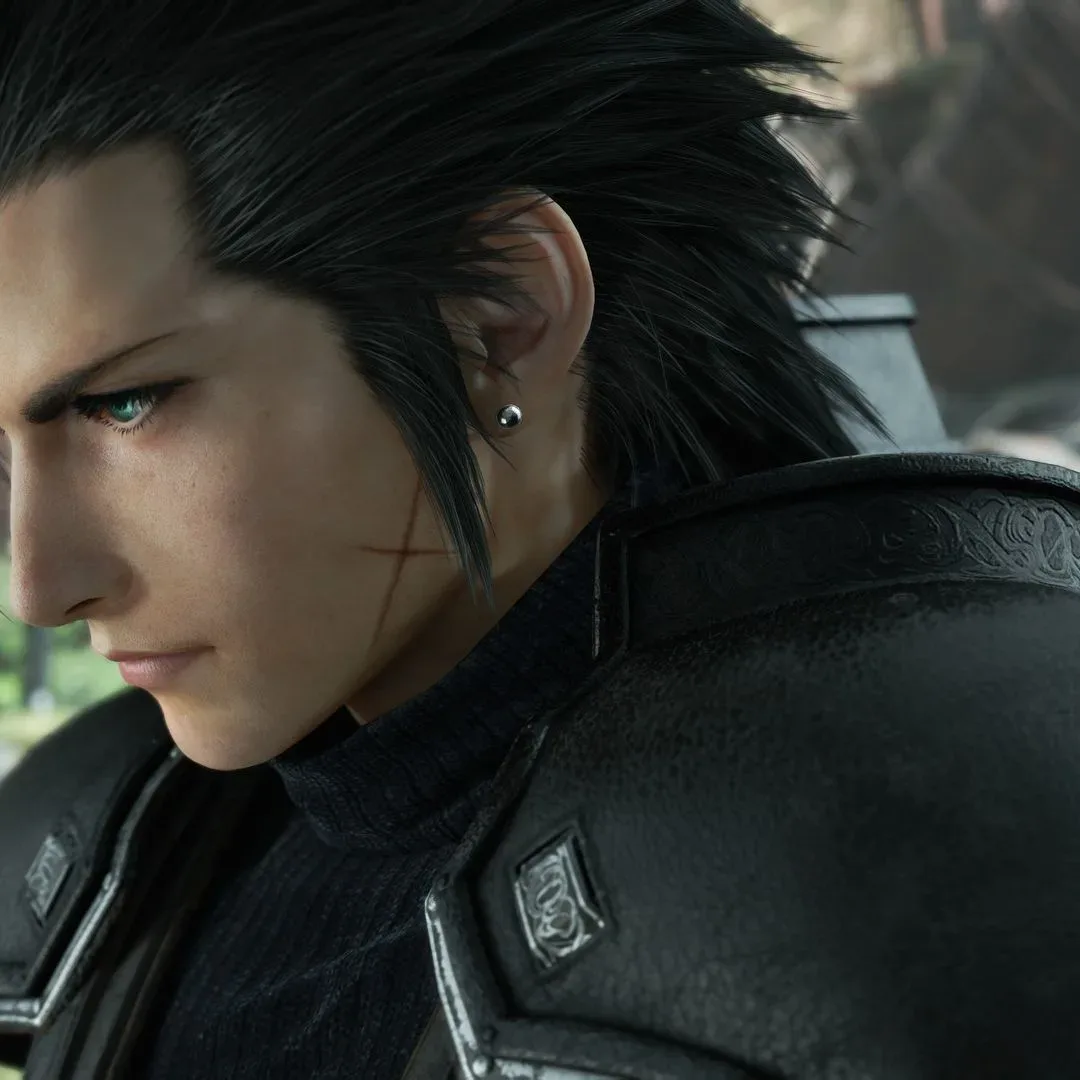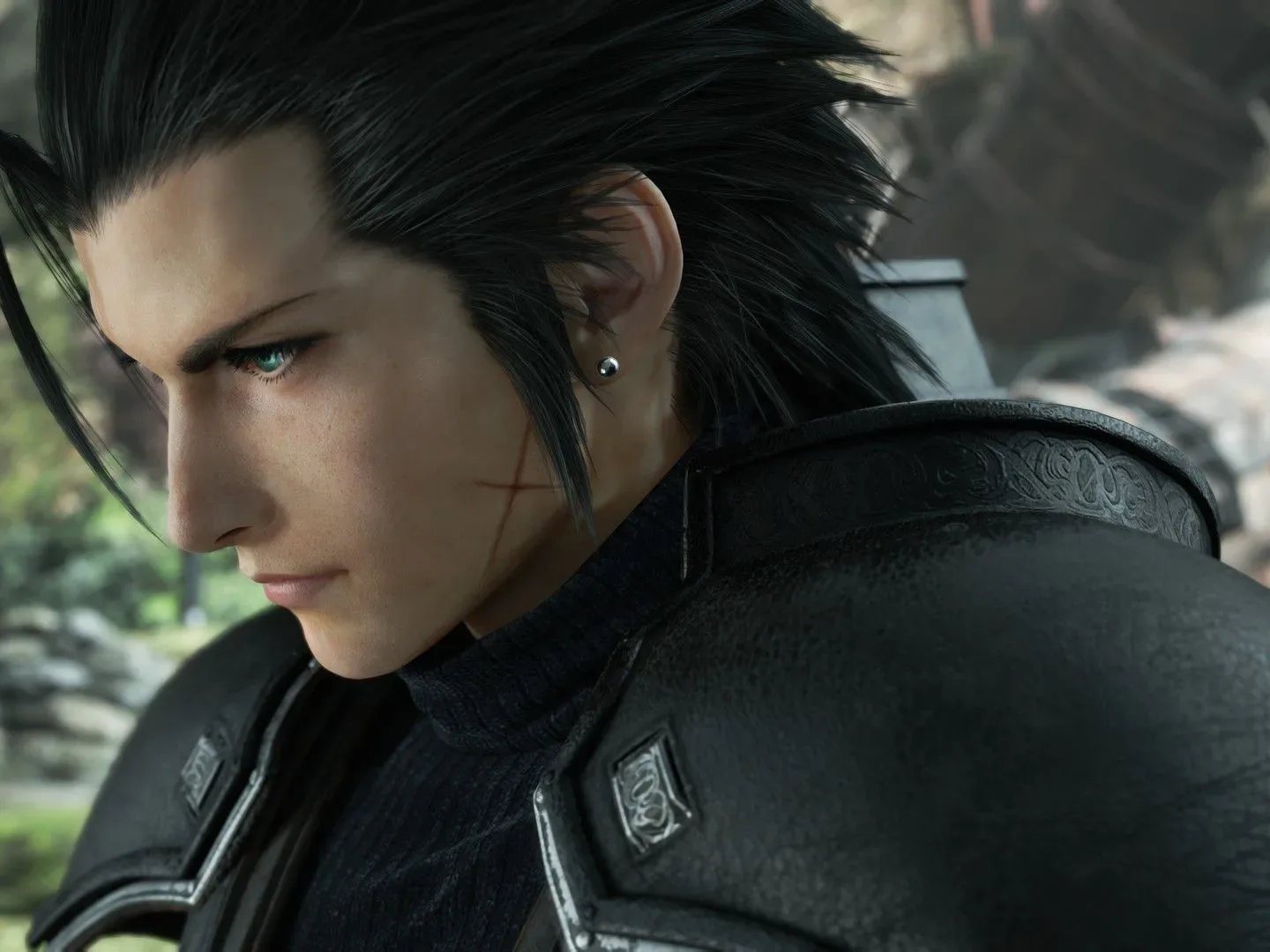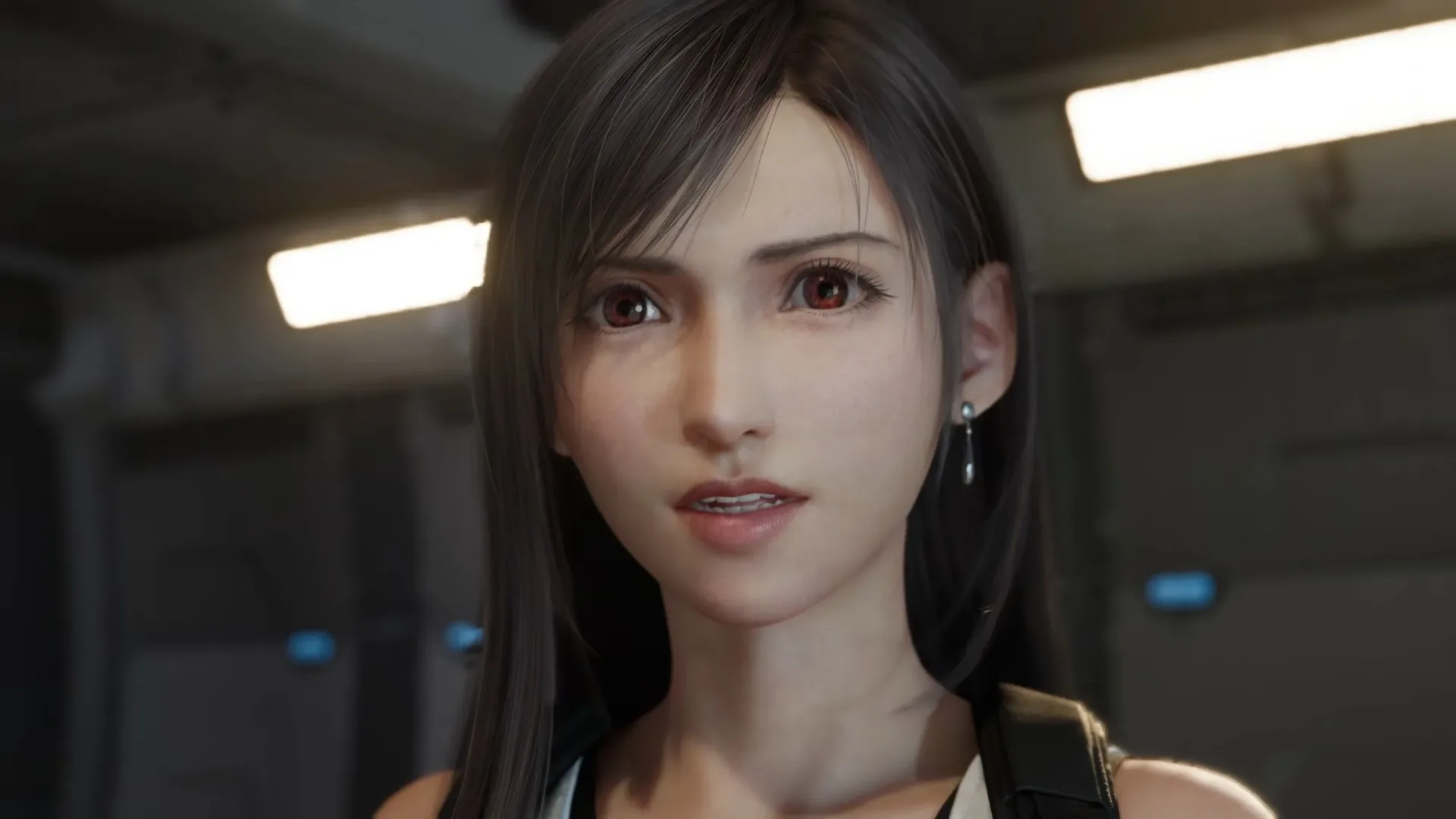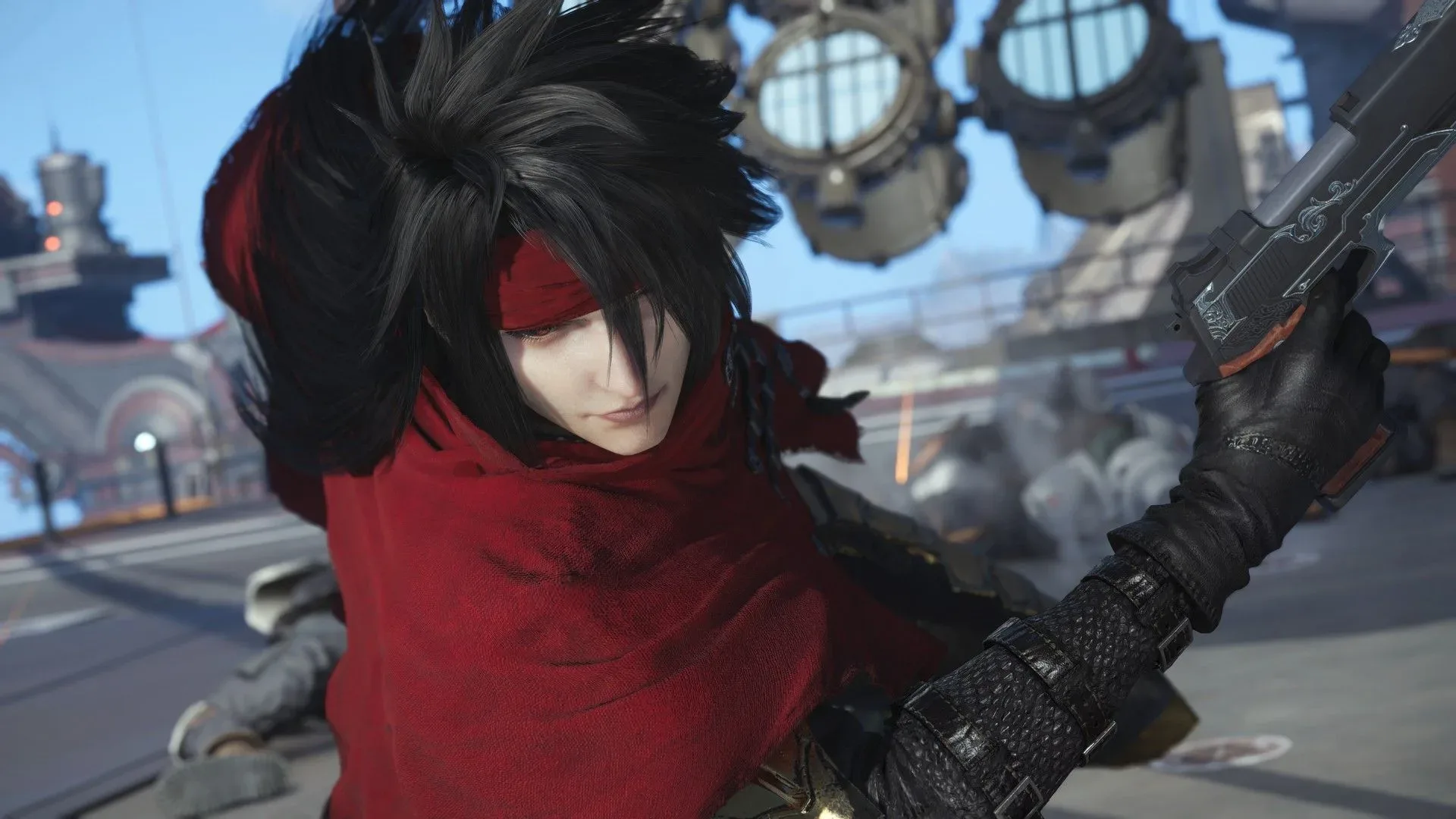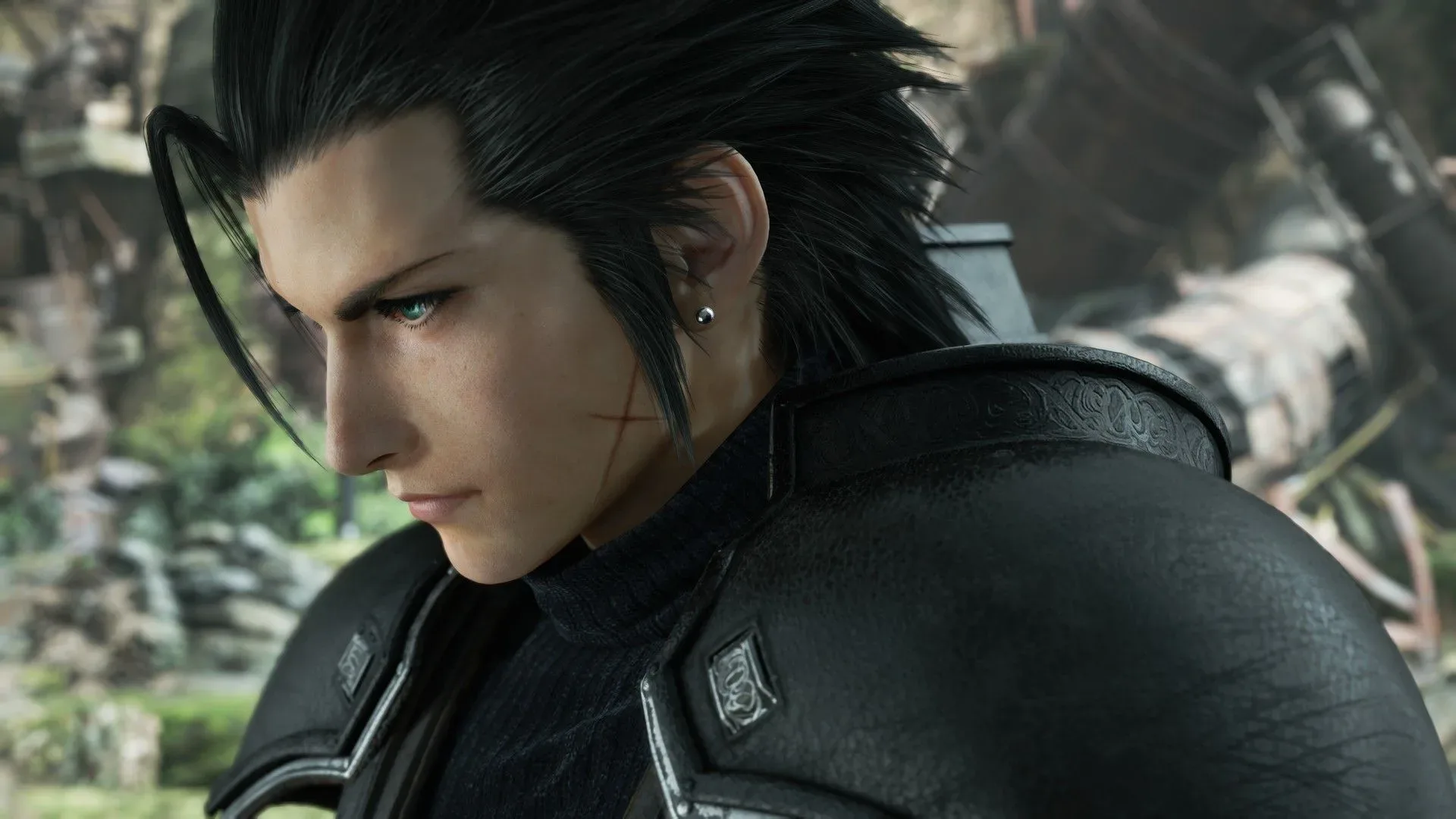
Final Fantasy 7 Revelation is approaching the conclusion of the Final Fantasy 7 Remake trilogy with a battle team that still sees its central design question as unresolved. Battle director Teruki Endo says the proper balance between turn-based commands and real-time action does not yet have a definitive answer—and that ongoing uncertainty has helped keep the work creatively engaging across all three entries.
That may sound less tidy than players expect from the final chapter of a trilogy, but it also describes the particular challenge of remaking a landmark role-playing game for an era with very different expectations around combat pace, player input and spectacle. The remake series has not simply chosen between classic command-driven RPG battles and pure action combat. Its approach has instead been to keep negotiating the space between them.
An unresolved balance is part of the design process
Endo describes sequel development as a recurring dilemma. Adding too many systems can make a game overly complicated, while making only small revisions risks leaving players without the freshness they expect from a follow-up. His stated solution is to reconsider each element’s purpose and role, then rebuild it for the next game rather than treating prior decisions as permanently settled.
For Revelation, that process includes the trilogy-wide question of how turn-based and real-time systems should coexist. Endo says the team has adjusted that relationship through repeated trial and error over all three titles, but he has not personally landed on a final, universally correct solution.
“The difficult part is that I still haven’t decided on a definitive ‘correct answer’ for myself,” Endo says of the balance between the two approaches.
Crucially, that is not presented as a sign that the developers have stopped making decisions. It is an acknowledgement that there are competing goals. Real-time combat can create urgency, movement and direct physical involvement. Command selection gives players room to assess a battle, choose abilities and shape a plan. A hybrid system has to preserve enough of each identity that neither becomes a superficial accessory.
Endo also sees the lack of a final answer as creatively useful. He says it may be one reason he has been able to work across the entire trilogy without becoming tired of the project. In practical terms, a live design question gives a sequel team something more substantial to revisit than presentation alone: it can reassess how players make decisions moment to moment.
What the hybrid model means in practice
Turn-based combat, in the broad sense relevant here, prioritizes selecting actions through commands and considering choices such as attacks, abilities, spells or item use. Its appeal is not merely nostalgia. It is the clarity it can provide: players can focus on party composition, resources and tactical priorities rather than solely on reflexes.
Related coverage includes Final Fantasy 7 Revelation Battle Director Still Chasing the Ideal Combat Balance.
Real-time combat asks the player to act amid ongoing movement and pressure. Positioning, timing and immediate reactions become central. That can make battles feel more immediate, but it can also require the game to communicate a large amount of information without overwhelming a player.
The Remake trilogy’s combat has been built around the friction and overlap between those ideas rather than a clean handoff from one to the other. Earlier entries, Final Fantasy 7 Remake and Final Fantasy 7 Rebirth, also offered Classic mode. In that mode, party members fight automatically, leaving the player to concentrate on selecting commands. Square Enix previously characterized the option as a way to appeal to players who favor the original game’s turn-based battle style over real-time play.
Classic mode matters because it demonstrates that accessibility and preference are part of the larger combat conversation. Not everyone wants the same distribution of responsibilities. One player may enjoy controlling movement and attacks directly; another may care most about choosing the right commands at the right time. An optional mode cannot eliminate every design trade-off, but it can acknowledge that different players come to the same RPG looking for different kinds of engagement.
That wider issue is visible elsewhere in game balancing too. Diablo 4’s decision to temporarily retain an unintended Season 15 power interaction is a separate case, but it similarly illustrates how systems design is often an ongoing negotiation among player expectations, experimentation and a game’s intended structure.
FITS is designed to sharpen Materia builds, not replace them
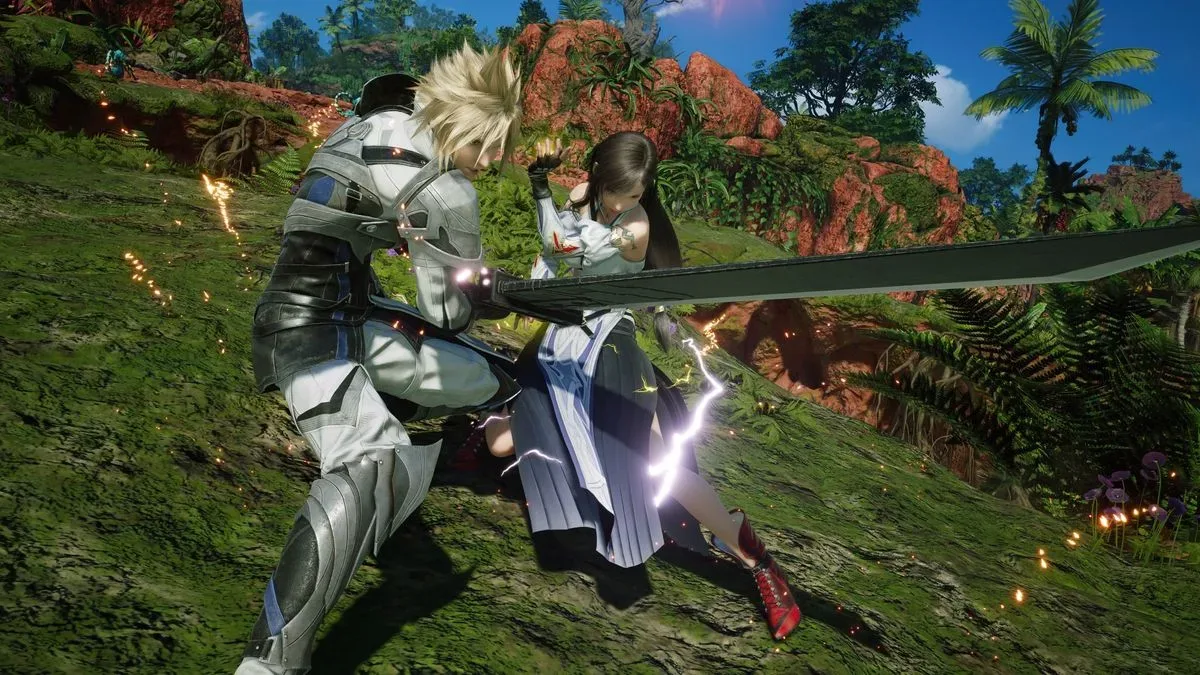
Revelation also introduces FITS, described as a system with similarities to a job system. In RPG terminology, a job system generally lets players define or change a character’s combat role through abilities, specializations or loadouts. Depending on the game, that might mean distinguishing a healer from an attacker, building around a certain weapon or magic style, or changing how a party member supports the group.
Endo’s explanation makes clear that FITS is not intended to displace Materia as the foundation of Final Fantasy 7’s customization. Materia remains the center of how players shape characters. The concern with a new role-oriented system would be that it could narrow the build freedom provided by Materia. The team’s answer, Endo says, is to position FITS as a way to further focus and specialize the direction a player has already established through Materia.
That distinction is important. A replacement system could force players away from familiar build-making decisions in favor of fixed roles. A complementary system, by contrast, can potentially give a build a more deliberate identity while retaining Materia as its core. The stated objective is not simply “more customization,” but customization with a clearer role: FITS should sharpen a chosen direction rather than make previous choices irrelevant.
- Materia: the central customization foundation identified by Endo.
- FITS: a job-like layer meant to alter party-member abilities and combat approaches.
- Intended relationship: FITS is meant to specialize Materia-based builds rather than reduce their freedom.
For players, the key unanswered detail is how much flexibility and commitment FITS will involve in the finished game. The available description establishes its intended role, but not the full practical limits of changing abilities or specializations. What can be said is that the system is being framed as an extension of the series’ existing customization language, not a move away from it.
“Festive” energy and bolder additions
Endo also points to the original 1997 RPG’s “festive atmosphere” as an important creative influence. That does not mean Revelation is being described solely through combat mechanics. It suggests an interest in retaining a sense of playfulness and variety while making more ambitious additions for the remake trilogy.
His approach is therefore broader than resolving an abstract combat debate. A large RPG sequel must decide which systems deserve expansion, which should be reconsidered and which aspects of the original’s tone should survive in a new form. Endo says he has increasingly wanted to explore bolder, more playful additions, while still rebuilding elements from the ground up based on their significance within the new game.
There is an inevitable tension in that philosophy. Players who value the original may want recognizably familiar systems and rhythms. Players returning from the first two remake entries may want the finale to introduce meaningful ideas rather than merely repeat them. Newcomers need combat concepts that can be understood without inherited knowledge. The team’s challenge is not to find one setting that satisfies all possible tastes; it is to make the relationships among action, commands, progression and customization feel purposeful.
What Endo’s comments do—and do not—confirm
The comments provide a clear development perspective, but they do not amount to a full breakdown of Revelation’s final battle design. They confirm ongoing iteration around turn-based and real-time elements, identify FITS as a job-like system that supports Materia specialization, and explain the desire to make playful additions without treating novelty as an end in itself.
They do not establish an exact formula for combat pacing, a complete FITS ability list, or how every feature will compare with the prior two games. That uncertainty is worth preserving. “Trial and error” describes a method, not a promise that every player will prefer the final configuration.
Still, Endo’s refusal to declare the problem solved may be the most revealing part. Final Fantasy 7 Revelation is not being framed as an attempt to prove that turn-based combat or real-time action is the winner. It is trying to make their coexistence meaningful, while ensuring that Materia-led character building remains central. For a trilogy built around reinterpreting a beloved RPG, that may be a more useful ambition than a supposedly perfect answer.