Ember Paradox, a VTuber known for a female-presenting avatar and streams on Kick and Twitch, has lost thousands of followers and subscribers across Kick, Twitch, and YouTube after publicly discussing being assigned male at birth and the way they understand their on-stream identity.
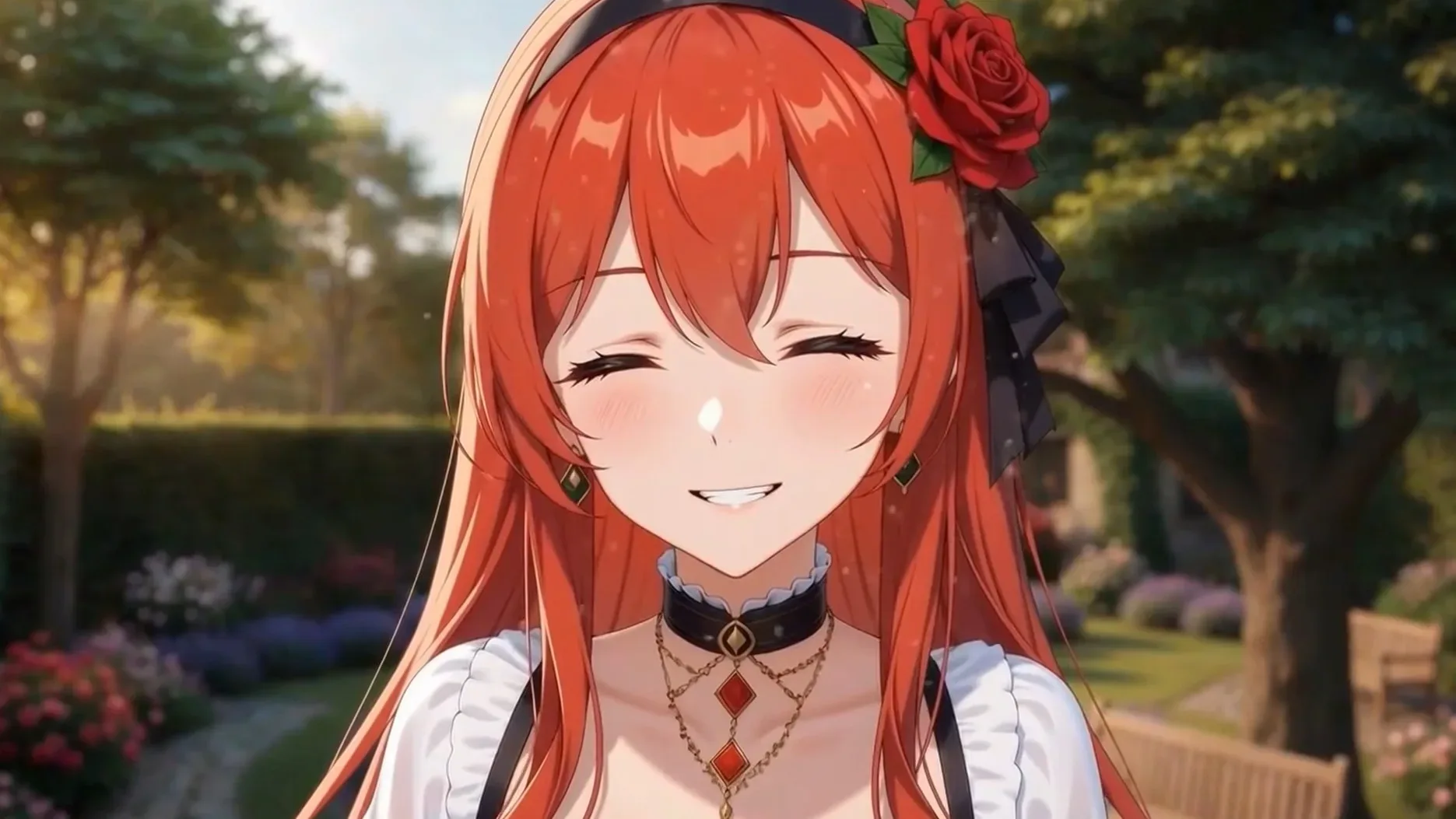
The dispute followed an October 26 clip on X in which Ember Paradox’s voice changer reportedly malfunctioned during a livestream. The clip prompted hostile public discussion from former allies and audience members. On October 27, Ember Paradox addressed the attention in a stream, describing Ember—the red-haired, sometimes anime catgirl avatar—as an authentic expression of self while streaming, while saying their off-stream life is different.
There is an important distinction in the account Ember Paradox gave: they did not offer a firm label for their gender identity. When asked directly whether they considered themselves trans or a man, Ember Paradox said they did not know. They later indicated a preference for male pronouns outside the VTuber persona. In reporting on the stream persona, she/her is used here; descriptions of the off-stream preference use he/him.
What happened around the voice-changer clip
Ember Paradox’s public profile has been tied to collaborations with right-leaning, “anti-woke” streamers including Tectone, Kirsche, and Strawb. After the voice-changer clip circulated, that affiliation did not translate into public support. Instead, commenters and former collaborators questioned Ember Paradox’s sex and gender, while some Discord subscribers accused her of misleading them about being a woman.
For more context, explore Deep Fishing Codes: All Active Bait, Cash and Luck Potion Rewards for October 2026.
One former collaborator publicly asked whether Ember Paradox was “a biological man.” Others alleged that Ember had concealed gender in order to have conversations with women that would be different if they knew they were speaking with a man. Those claims are accusations made amid the fallout, not established evidence of intent.
The episode quickly moved beyond the technical glitch itself. A voice changer is software or hardware that alters a speaker’s voice in real time. It can modify pitch, resonance, or other vocal qualities, and it is a familiar tool in online performance and avatar-based streaming. A momentary failure may expose a creator’s unprocessed voice, but it cannot by itself settle a person’s identity, intentions, or the meaning of their performance.
That gap matters here. The online reaction treated the glitch as an opening for a broader investigation into Ember Paradox’s private life and a demand for an unambiguous identity category. Ember’s subsequent stream did not provide the simple answer those critics sought. Instead, it presented a more complicated boundary between a public character and an off-camera self.
Ember Paradox’s explanation of the persona
During the October 27 stream, Ember Paradox said that Ember is “me” when streaming. She framed the avatar not merely as a costume adopted for an audience, but as the version of herself that exists in that setting. At the same time, she said she does not pursue therapy, medication, or daily presentation outside the stream in the ways that some viewers appeared to assume would be required for that identity to count.
That description is not a clinical diagnosis, a transition announcement, or a declaration of a settled label. It is a personal account of how one performer relates to a digital identity. VTubing is especially suited to that kind of layered presentation: the audience normally sees an animated avatar rather than the person operating it, and the avatar can be stylized, fictional, aspirational, playful, or closely tied to the creator’s self-expression. None of those possibilities is mutually exclusive.
In other words, an avatar is both a performance tool and, for some creators, an emotional or social extension of the person behind it. Viewers can still have questions about how a creator presents themselves, but the format does not automatically turn those questions into evidence of deception. The central practical issue is whether creators set expectations clearly enough for their communities, while audiences recognize that a performer is entitled to personal boundaries.
A persona is not necessarily a falsehood
Online creator culture often uses “persona” as if it means a lie waiting to be uncovered. In entertainment, the term more accurately means a public-facing character, voice, or mode of presentation. Streamers may exaggerate traits, use stage names, adopt roleplay elements, wear masks, or stream through animated characters. Audiences understand many of those conventions without assuming they have been personally wronged.
Gender presentation can make that understanding more difficult because viewers may attach personal, social, and political expectations to it. Yet Ember Paradox’s own statement points to a distinction worth keeping intact: uncertainty is not proof of dishonesty. Someone can articulate a meaningful experience of gender expression in one context while not having a settled answer for every term a public audience demands.
This does not require viewers to ignore the difference between a fictional avatar and an off-stream person. It does require proportionality. A public pressure campaign built on a brief technical malfunction can collapse privacy, performance, and identity into one simplistic allegation. That is especially fraught when the subject has said they are unsure how to label their experience.
The political contradiction in the fallout
The intensity of the response is also notable because Ember Paradox had built an audience alongside creators and communities that regularly criticize progressive language and politics. Ember had previously used the term “SJR hater,” adapting “SJW”—short for “social justice warrior”—with a slur replacing “warrior.” That history made the backlash from some former supporters appear, to many observers, as a striking reversal.
Online discussion described the situation with the phrase “leopards ate my face.” The phrase is commonly used when somebody helps empower rhetoric or political positions that later harm them personally. It is not a complete explanation of an individual’s circumstances, and it should not be used to dismiss the hostility Ember Paradox received. But it does identify the contradiction at the center of the story: a creator who had participated in language hostile to marginalized people encountered a community response that policed their own identity and presentation.
That contradiction has a practical lesson for creator communities. Alliances based largely on opposition to an out-group can be unstable. They may offer visibility, collaborations, or a shared enemy, but they do not necessarily provide support when a member becomes the subject of the same suspicion or ridicule. Ideological agreement on some issues does not guarantee compassion, discretion, or loyalty.
It is also worth separating criticism of a creator’s political rhetoric from personal harassment. Ember Paradox’s prior language can be examined and criticized. That does not make invasive speculation, gender-based abuse, or demands for unwanted disclosure appropriate. Accountability for public speech and respect for a person’s basic dignity are not competing principles.
Why the follower decline matters—and what it does not prove
Following the October 27 stream, Ember Paradox’s subscriber and follower totals reportedly fell by thousands across Kick, Twitch, and YouTube. That is a meaningful change for an online creator, where audience size affects reach, community health, and future collaboration opportunities.
However, follower losses do not reveal a single clear motive. Some people may have left because of the identity discussion; others may have responded to the public dispute, changed alliances, disliked the stream’s explanation, or simply followed the broader online pile-on. A count can demonstrate an outcome, but it cannot reliably assign every departing user an intention.
The wider significance lies in how quickly a personal disclosure—or, in this case, a discussion prompted by a technical glitch—can become a platform-wide reputational event. Streaming communities are often interconnected across video platforms, social feeds, Discord servers, and collaborator networks. A clip originating in one place can reshape a creator’s standing everywhere they work.
For audiences, the episode is a reminder to be cautious with viral clips. A short segment may provide a trigger for discussion, but it rarely contains the context needed to judge identity, relationships, or intent. For creators, it highlights the limits of any expectation that a cultivated online community will preserve nuance during controversy. Ember Paradox’s response did not fit a neat political or personal narrative, and that ambiguity appears to have been met with punishment rather than patience.
For additional coverage of the reported collaborator and audience fallout, see this report on the aftermath of Ember Paradox’s stream.