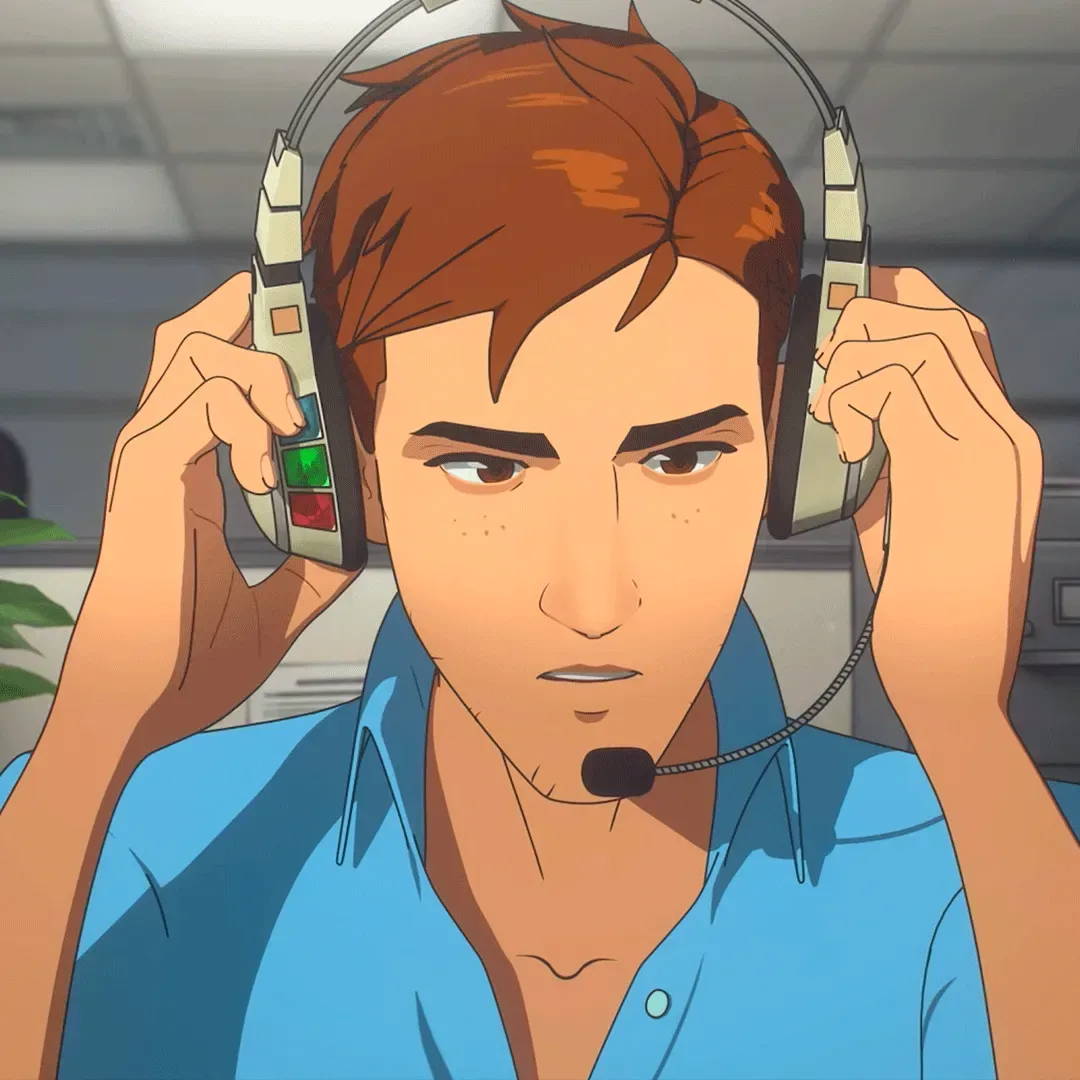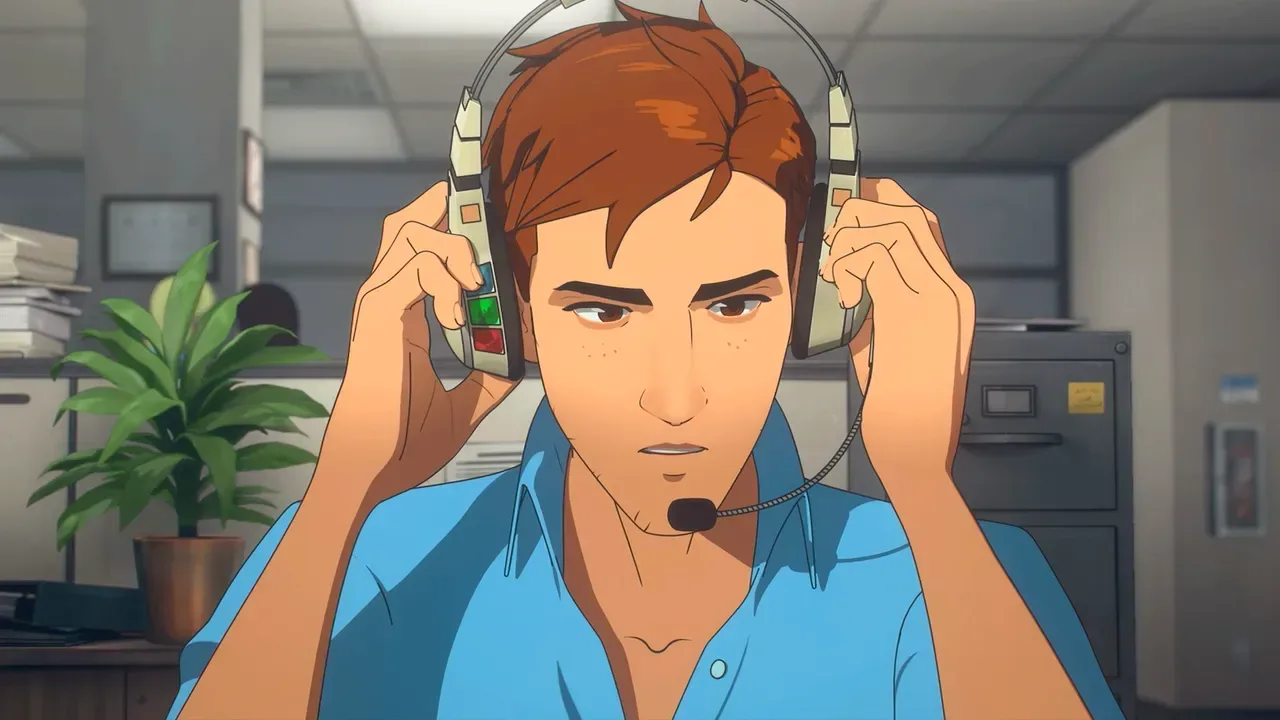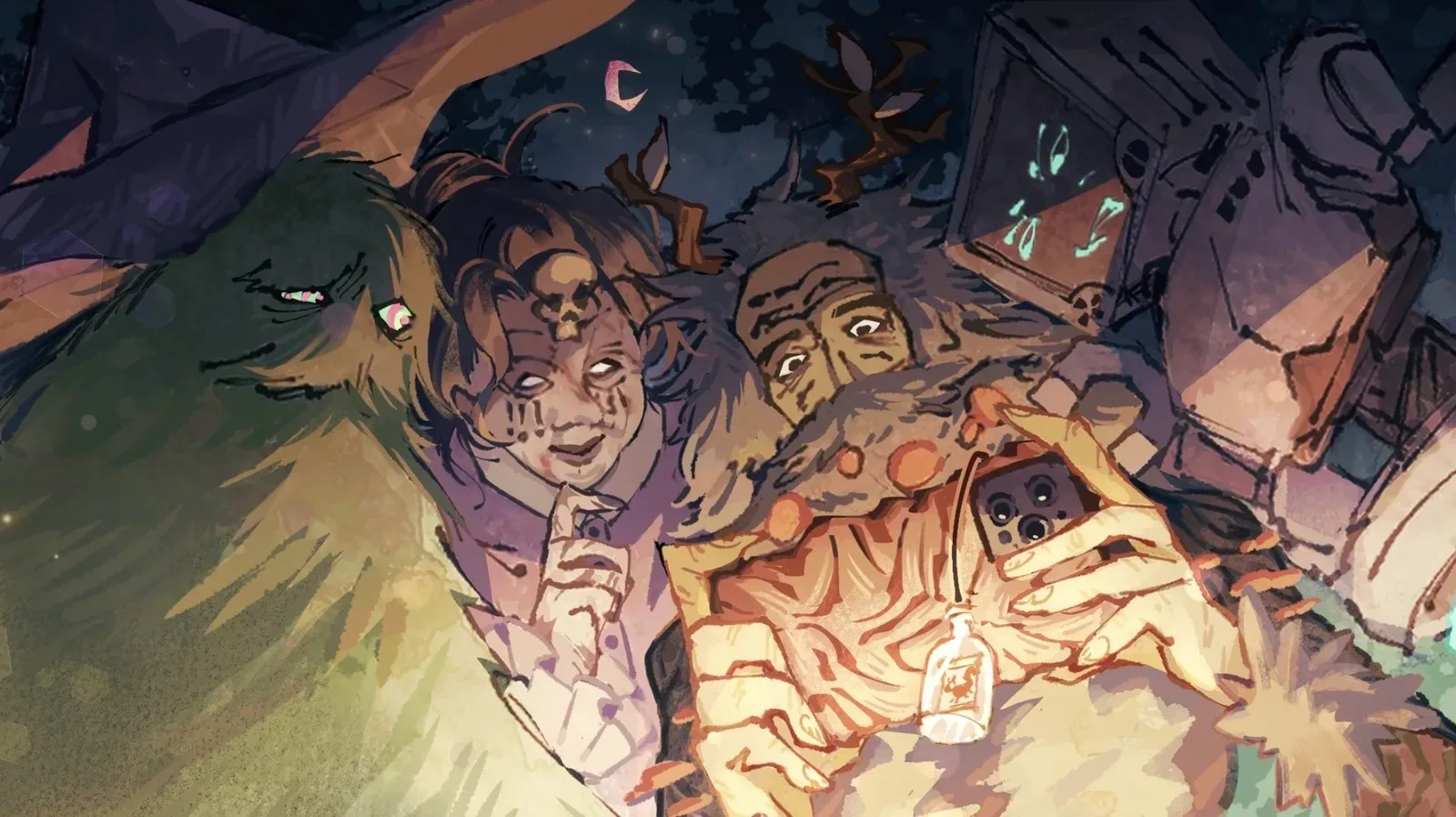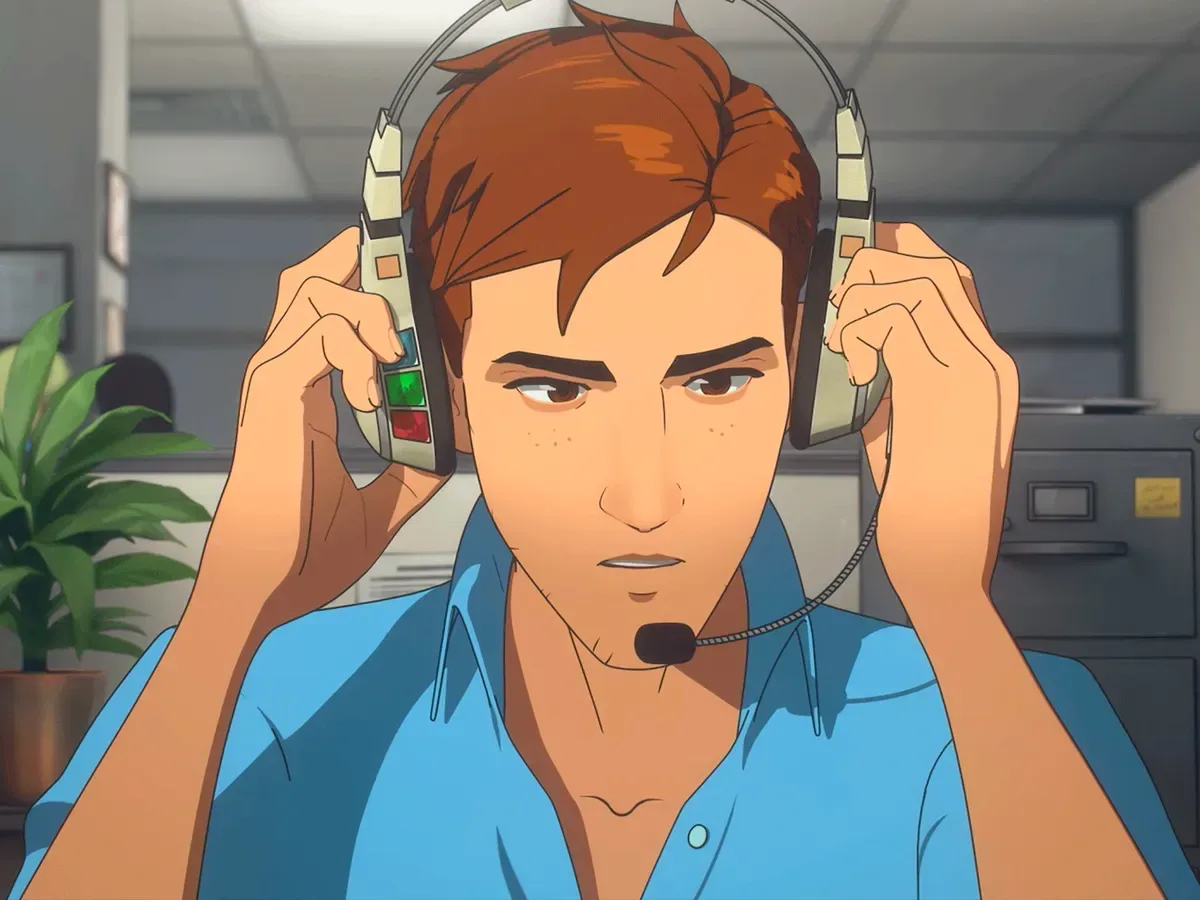
Dispatch is celebrating its first anniversary with an unusually broad set of additions that span the game itself, a new mobile release, physical merchandise and an in-person music event. The story-driven title launched on October 22, 2025, and its developer, AdHoc Studio, is using the occasion to make the development process more visible while also extending the game’s world beyond its original release.
The headline addition for existing players is a pair of Deluxe Edition extras: Commentary Mode and Storyboard Mode. Elsewhere, Dispatch is scheduled to reach Android and iOS on December 9, 2026, with Google Play Games on PC support also planned. The anniversary program will also include a December 3 concert at AVALON Hollywood, plus a collection of items for fans interested in the game’s music, artwork and comics.
For a game built around narrative choices and a cast of super-powered coworkers, the new modes are particularly suited to repeat playthroughs. Rather than simply adding cosmetic bonuses, they offer a way to revisit individual paths with extra context about how scenes were conceived and performed.
Commentary Mode turns a replay into a behind-the-scenes session
Commentary Mode provides two separate audio tracks featuring conversations from Dispatch’s actors and developers as the game plays. It is a format familiar from film and home-video special features: the original work remains the focus, but an optional spoken layer discusses creative choices around it.
Its usefulness in Dispatch stems from the game’s choices. A player who takes a different route can hear context connected to that decision, meaning the commentary is not necessarily exhausted by one trip through the story. That does not mean every choice will reveal a wholly separate version of the game, but it does give choice-minded players a concrete reason to revisit scenes they have already seen.
Developer commentary can be valuable because it distinguishes the final scene from the path that produced it. Players generally see a polished performance, dialogue and pacing without seeing the discussions, revisions and planning behind those elements. AdHoc Studio co-creative director and COO Nick Herman said the team wanted more opportunities to highlight the people involved in making the game and the practical process behind development.
That framing matters here. Dispatch is not treating its anniversary material solely as another batch of content to consume. The commentary is positioned as a record of production, allowing fans to hear directly from people who worked on the project while the relevant moments are on screen.
Storyboard Mode shows the plan before the finished scene
Storyboard Mode displays the sketches used to lay out scenes before their completed presentation. A storyboard is a sequence of drawings that maps out shots, staging and the broad flow of an action or conversation. It is not the same as final character art or a finished animation; its key job is planning.
Related coverage includes Dispatch Anniversary Update Adds Storyboard Mode, Commentary and Mobile Release Plans.
For players, that makes the feature a useful lens on visual storytelling. It can show how a scene’s intended rhythm and composition were outlined before final assets and performances were brought together. The mode can also run alongside Commentary Mode, pairing the preparatory artwork with discussion from the people who made the game.
The combination may be most interesting to fans of dialogue-heavy games. Scenes can appear effortless when the finished version is all a player encounters, yet timing, emphasis and camera arrangement all require decisions. Looking at storyboards while listening to cast and developer discussion gives a clearer sense of those decisions without requiring players to leave the game for a separate featurette or art book.
Both modes are now part of the Deluxe Edition, which already includes a digital art book and four digital comics. Anyone who already owns that edition will receive the new modes at no additional charge. Owners of the standard edition can upgrade for $10.99 USD.
Dispatch is headed to vertical mobile screens in December
Dispatch will arrive on Android and iOS on December 9, 2026. The mobile version is also set to support Google Play Games on PC, extending the release beyond phones and tablets without making any claim that it is identical to the original platform experience.
The base game has been rebuilt for touch controls and vertical play. Vertical play means the game is designed to be used in portrait orientation, the upright layout common to phone use. That choice affects how a game is framed and navigated, especially in a story-driven experience where players are reading dialogue and making selections. Touch-screen design, meanwhile, replaces or rethinks inputs made with a controller, keyboard or mouse.
The first four episodes will be available free on mobile. Access to the complete release will cost $19.99, and pre-orders are expected to open through the Apple and Google Play stores. The announced details establish the release date, price and free opening portion, but do not spell out every purchasing or progression detail beyond that structure.
Practically, this gives curious players a lower-commitment route into the opening stretch before deciding whether to buy the full game. For existing fans, the portrait-focused rebuild is a separate way to experience Robert’s journey rather than an announced new story chapter.
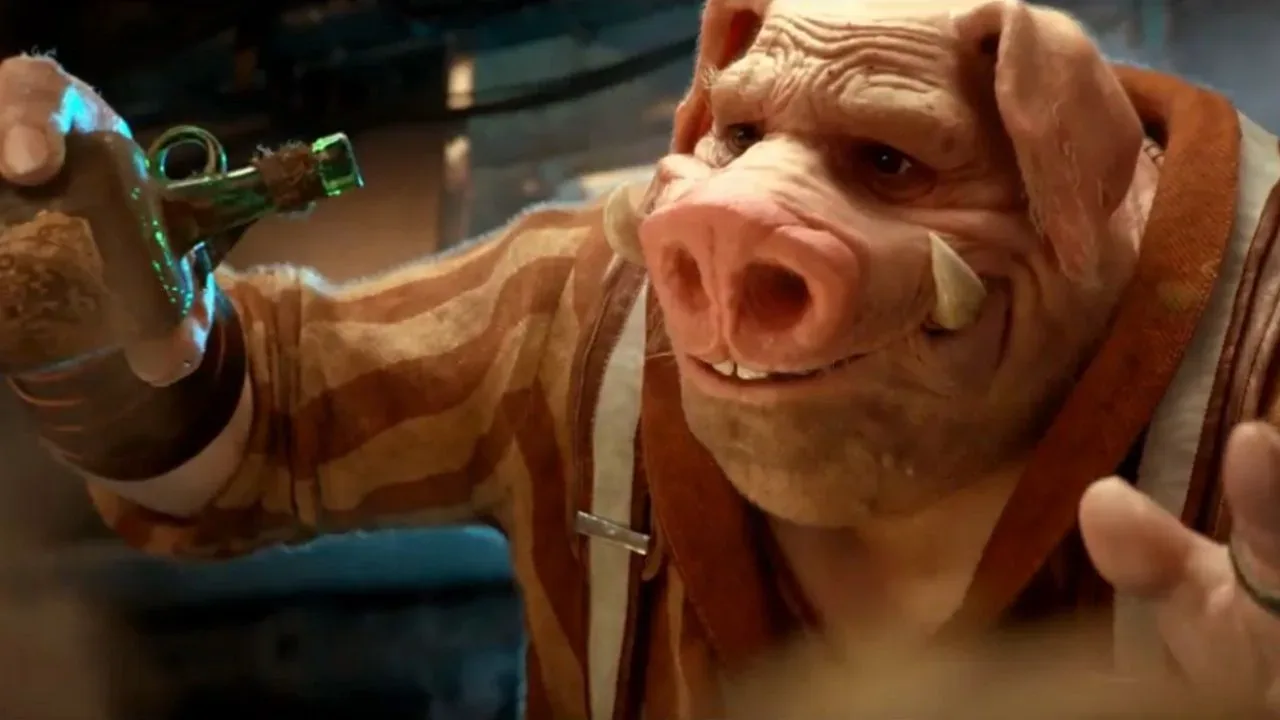
The mobile announcement also arrives at a time when narrative-focused projects remain a meaningful part of the wider conversation around how games are made and sold. In another recent example of shifting development priorities, a reported move toward a solo-first direction for Beyond Good & Evil 2 highlighted the continued relevance of games built around a more self-contained player experience. Dispatch’s touch-first port is a different proposition, but one that seeks new access points without changing the core premise into a live-service product.
A live Dispatch concert is planned for December 3
On Thursday, December 3, AVALON Hollywood will host a one-night Dispatch concert. THOT SQUAD, the performer behind “Hoes Depressed” and the voice of Prism in the game, is set to perform music from Dispatch live. Bershy, Primer, Caroline Kingsbury and Fartbarf are also listed for the event.
The event is in person only and will not be streamed. Tickets are described as extremely limited, with AdHoc Studio email subscribers receiving access before tickets go on sale more broadly. That makes this the least broadly accessible element of the anniversary plans: people who cannot attend will not have an announced official stream to watch afterward.
Still, the concert is a notable expansion of the project because it takes the game’s soundtrack and associated performers into a shared physical venue. The event is not presented as a game reveal or a substitute for news about AdHoc Studio’s next project. It is specifically a celebration of Dispatch and a chance for its audience to gather around the music connected to it.
Physical releases focus on music, art and comics
AdHoc Studio is also offering several physical items tied to Dispatch. The most substantial music release is a three-record soundtrack vinyl set with artwork by art director Derek Stratton. One hundred copies will be signed by Stratton, a detail that separates those copies from the wider vinyl run.
Other announced merchandise includes shirts, hoodies and four physical comics. Each comic has its own cover, and the four covers are designed to form a larger battle image when positioned together. Buyers interested in the comics should note the distinction between the physical books and the four digital comics already included with the Deluxe Edition: they are related parts of the anniversary offering, but not the same format.
Also planned are a Dispatch: Design Works hardcover and a collectible box. The hardcover is described as a behind-the-scenes volume featuring concept art, cast interviews and developer insight. That overlaps thematically with the game’s new commentary and storyboard modes, but the format is different: Design Works is a physical book, while the in-game modes are built for use during a playthrough.
The first 1,000 orders placed through the official online store will receive a previously unseen, numbered limited-edition collector’s card. The stated limitation applies to that card offer, not necessarily to every other item in the merchandise lineup. Collectors should therefore separate the numbered-card promotion from the signed-vinyl detail and from the standard products when weighing what is actually limited.
What the anniversary package means for current and new players
For Deluxe Edition owners, the clearest immediate benefit is that Commentary Mode and Storyboard Mode are free additions. Those players can approach a replay with two optional layers of production context, either independently or together. Standard-edition players have a defined $10.99 upgrade path if those additions, the digital art book and the digital comics appeal to them.
For newcomers who prefer mobile devices, the December release provides a free first-four-episode entry point before the $19.99 full purchase. The port’s touch and vertical rebuild signals that it has been adapted for how phones are normally held rather than merely placed on another storefront.
And for fans who want material objects or a live event, the anniversary extends from the screen into vinyl, books, comics and a concert. Some elements are inherently scarce, including the 100 signed soundtrack sets, the first-1,000-orders collector’s card and the limited concert tickets. None of those items changes the game itself, but they show an effort to serve different kinds of Dispatch fans: replay-focused players, process-minded art enthusiasts, music listeners and physical-media collectors.
Dispatch began as AdHoc Studio’s debut and follows Robert alongside an unruly group of super-powered characters. One year later, its anniversary plans are less about announcing a direct continuation than about opening up the existing game from several angles: how it was built, how it can be played on a phone, how its music can be heard live and how its art can be kept off-screen.