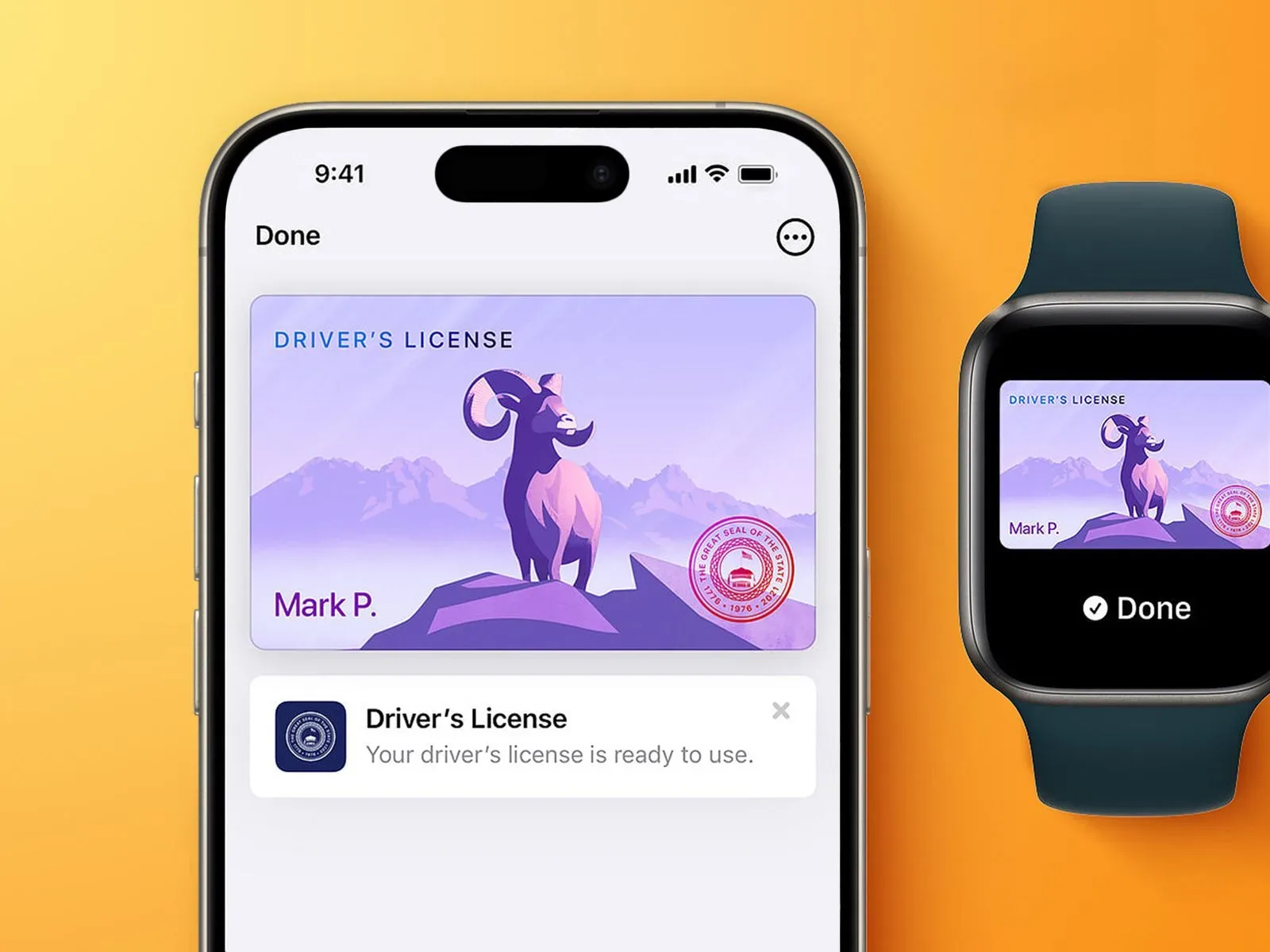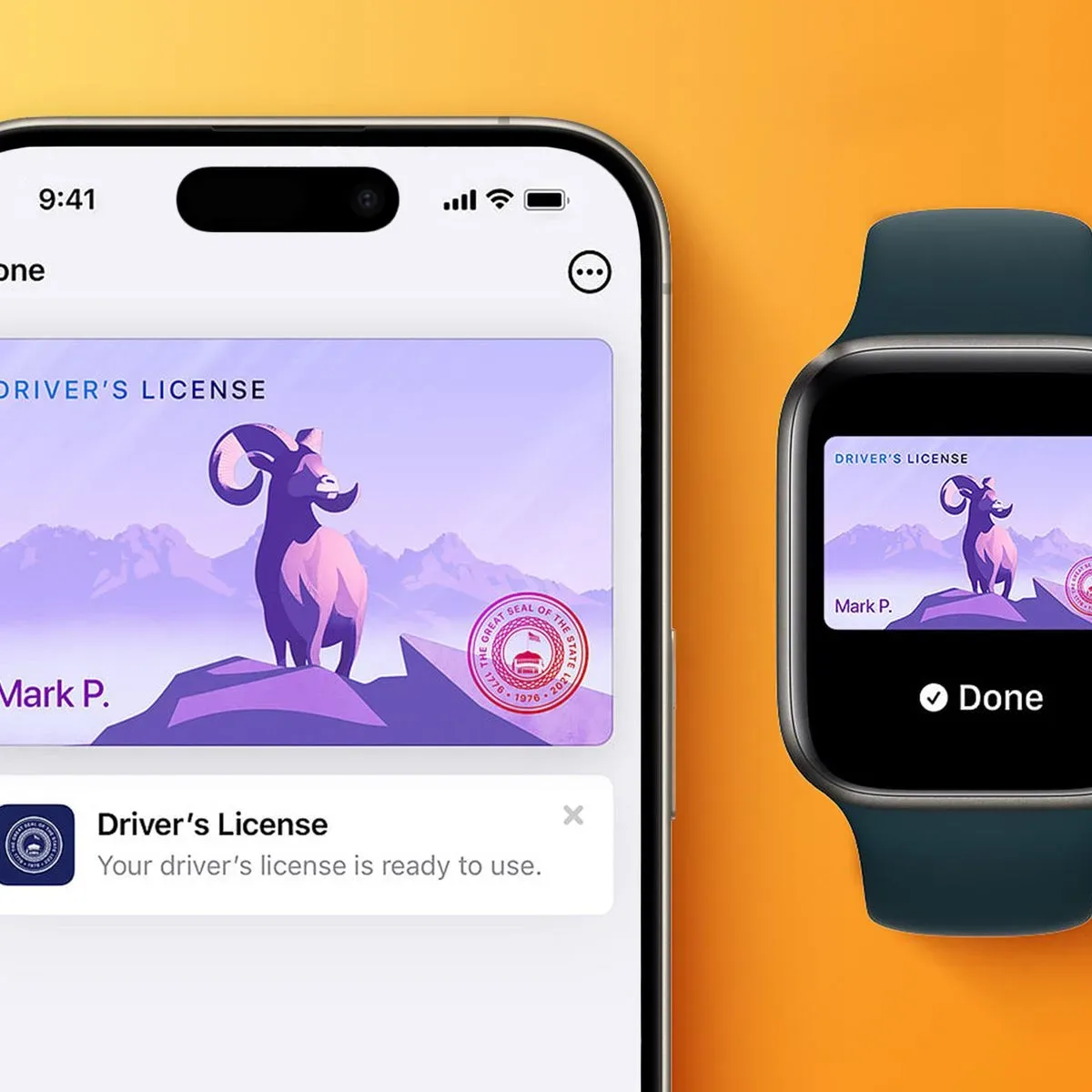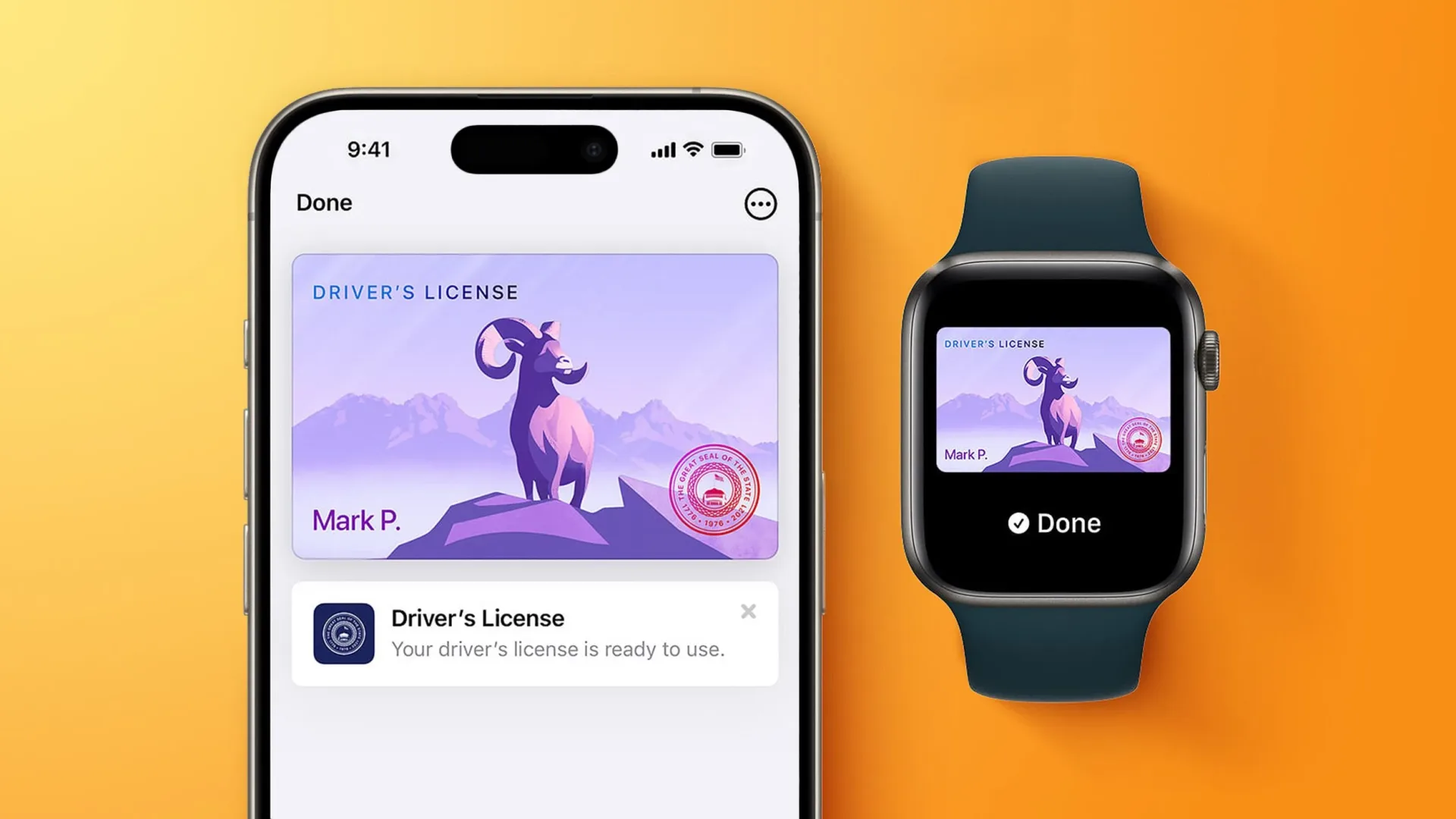
Connecticut residents are on track to gain a new optional item for the iPhone and Apple Watch: a state-issued driver’s license or identification card stored in Apple Wallet. The state has set an August 2027 goal for support across Apple Wallet, Google Wallet, and Samsung Wallet, positioning the Apple version to arrive next year.
It is an important distinction that this is an addition to the traditional card, not a replacement for it. An Apple Wallet ID can be used where a participating identity reader accepts it, including at select Transportation Security Administration checkpoints, businesses, and iPhone apps. But the number of participating businesses remains small, and law enforcement generally does not accept the Wallet credential. Connecticut drivers should expect to keep carrying their physical license, especially when driving.
A long-promised Connecticut rollout now has a target
Connecticut was among the jurisdictions identified for Apple Wallet ID support in September 2021. More than five years passed without the feature appearing. The state has now taken a more concrete step by launching its own mobile ID app for iOS and Android, developed by IDEMIA.
IDEMIA has said support for Apple Wallet, Google Wallet, and Samsung Wallet is coming soon. Separately, Connecticut’s stated objective is to support the three major wallet platforms by August 2027. That timetable is a goal rather than a guarantee, but it is substantially more useful for residents than the open-ended wait that preceded it.
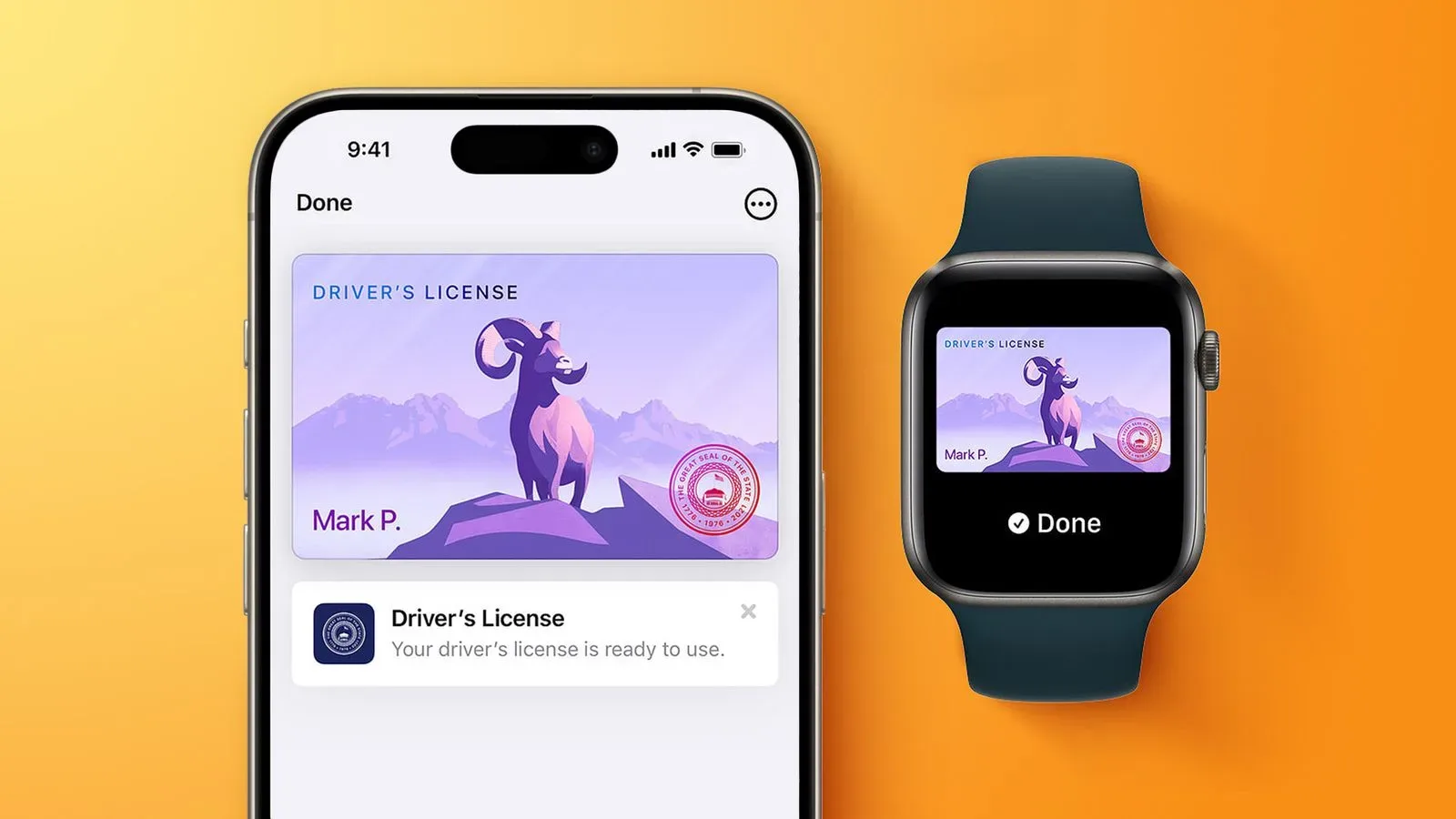
For people who use an iPhone or Apple Watch, the eventual Apple Wallet option would put a government-issued credential alongside payment cards, passes, tickets, and other digital Wallet items. The practical value, however, depends less on having the credential installed and more on whether the location in front of the user can accept it.
What an Apple Wallet ID actually does
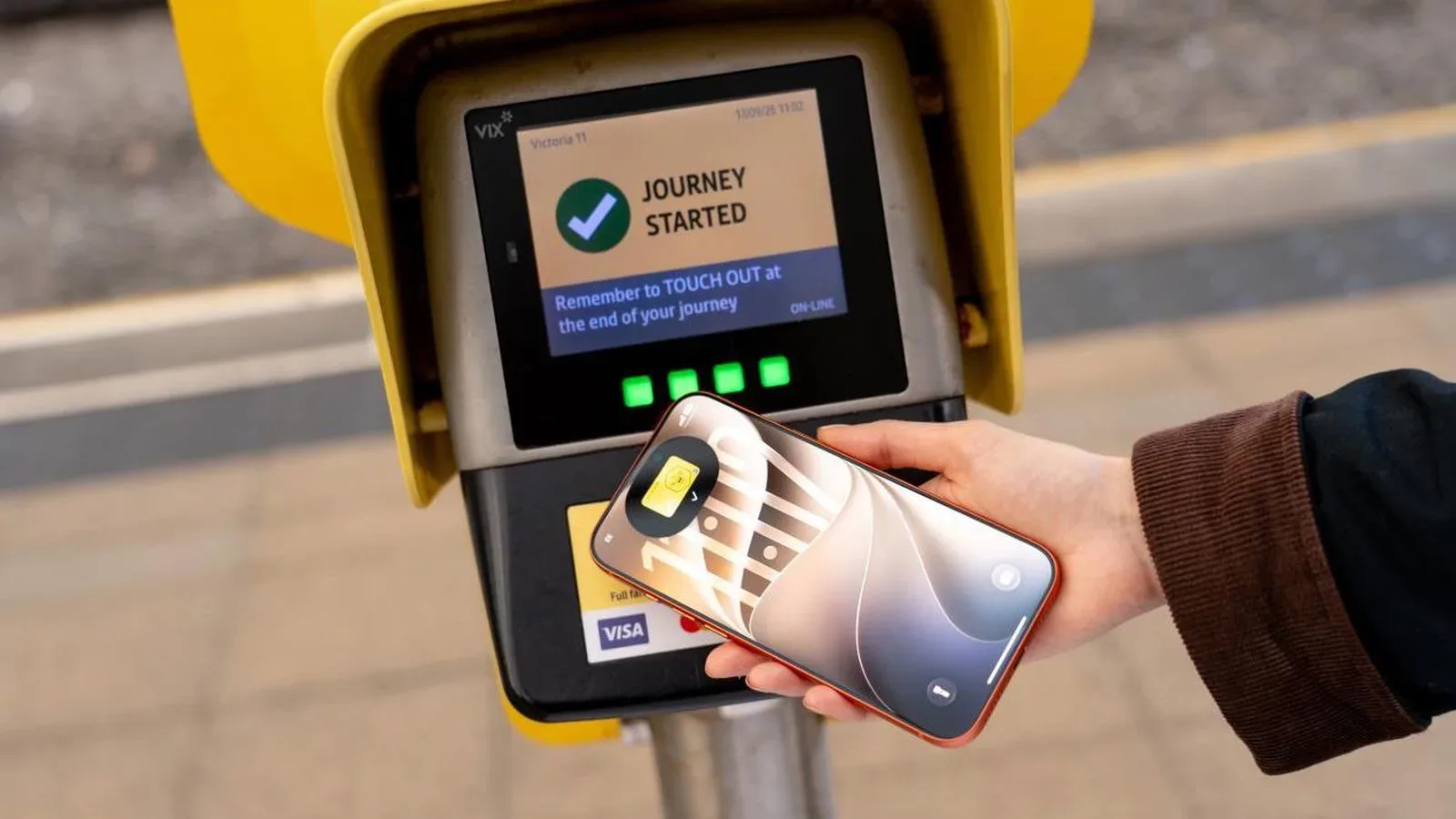
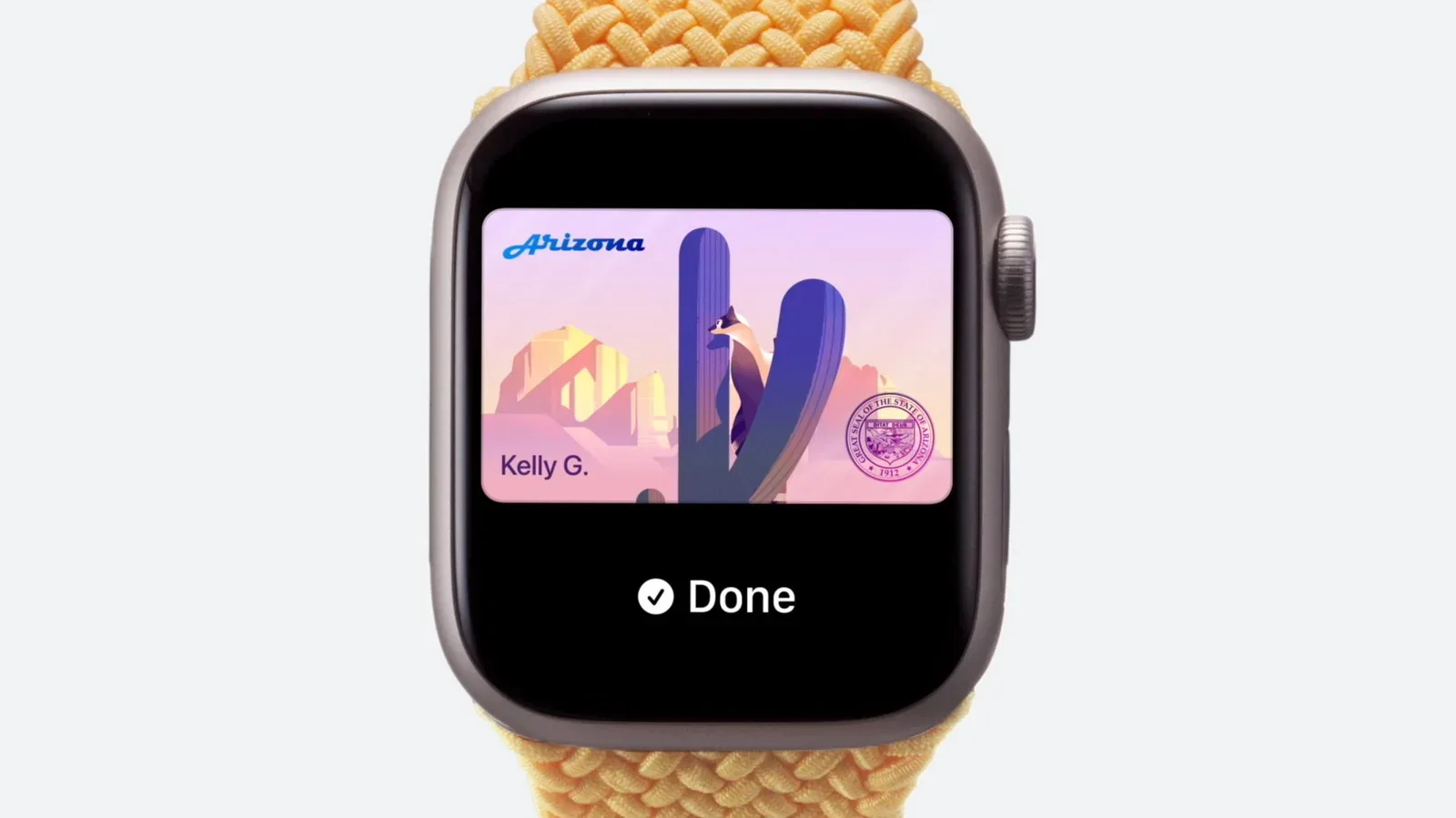
An Apple Wallet ID is a digital version of a state-issued driver’s license or ID card that is added to Wallet on a compatible iPhone, with use also available from Apple Watch. It is designed for situations where a person needs to establish identity or prove an age threshold without passing their handset across a counter.
At an accepting in-person reader, the basic sequence is straightforward:
- The user taps an iPhone or Apple Watch at the identity reader.
- The device shows which pieces of identity information the TSA agent or business is requesting.
- The user authorizes the request with Face ID or Touch ID.
- The requested information is released from the device.
Face ID and Touch ID are Apple’s biometric authentication methods: Face ID verifies the user with facial recognition, while Touch ID uses a fingerprint. In this workflow, biometric authorization is the step that confirms the holder agrees to share the requested information.
The privacy-oriented design is central to the pitch. A user does not need to unlock the phone, show its screen to an employee, or hand over the device in order to present the ID. They can review the requested information before authorizing its release. That is materially different from presenting a physical card, where the receiving person can see the information printed on it while inspecting it.
Limited acceptance is the feature’s biggest caveat
The most useful current application is domestic air travel at participating TSA locations. Apple says Wallet IDs are accepted at TSA checkpoints in more than 250 airports in the United States. That is a meaningful footprint, but it should not be confused with universal airport or travel acceptance. Availability depends on the specific checkpoint and its equipment.
For Connecticut residents, the eventual Wallet ID may be particularly handy for a participating TSA checkpoint or a business set up to verify age or identity electronically. It could also work in select iPhone apps. Yet it will not eliminate the need to plan for places that rely on a physical card, do not have an identity reader, or simply have not adopted the system.
The disciplined approach is to treat the digital ID as a convenient second form of presentation, not an all-access replacement. Before relying on it, users should confirm that a destination actually accepts an Apple Wallet ID. A conventional card remains the dependable fallback.
Traffic stops are the clearest reason to carry the card
Apple Wallet IDs are generally not accepted by law enforcement. That means a driver should still carry the physical license when operating a vehicle. The limitation is not a minor edge case: it covers one of the most obvious moments people might assume a digital driver’s license would work.
In other words, Wallet can reduce some wallet clutter at participating venues, but it cannot yet send the plastic card into retirement. Calling it a “driver’s license on your phone” is understandable shorthand, though it risks overstating what the credential can do in day-to-day life.
How Connecticut users will set it up when eligibility arrives
Once Connecticut is available in Apple Wallet, the setup route on iPhone is expected to follow Apple’s existing process:
- Open the Wallet app.
- Tap the plus button in the upper-right corner.
- Choose Driver’s License and ID Cards.
- Select Connecticut from the list.
- Follow the onscreen verification steps.
That menu route is useful to know, but it will only work after Connecticut is active in Apple’s state list. Until then, the state’s new standalone mobile ID app is the available digital-ID development cited for iOS and Android users, while the Wallet integrations remain forthcoming.
People should also avoid assuming that a mobile ID app and a Wallet ID are interchangeable. Both relate to a state-issued credential, but Apple Wallet is the system described here for tap-to-present interactions with compatible identity readers on iPhone and Apple Watch.
Connecticut joins a growing, uneven map
Sixteen states have already rolled out IDs in Apple Wallet: Arizona, Arkansas, California, Colorado, Georgia, Hawaii, Illinois, Iowa, Maryland, Montana, New Mexico, North Dakota, Ohio, Oklahoma, Virginia, and West Virginia. The feature is also available in Puerto Rico and works with Japan’s My Number Card.
Apple has also been preparing launches in North Carolina and Utah over the coming months. Kentucky and Mississippi were previously identified as future participants, although no specific launch timing is provided here. The spread shows that the system is no longer experimental in only one or two locations, while also illustrating why consumers must check eligibility state by state.
For the wider Apple ecosystem, the change is another example of the phone and watch acting as devices for credentials rather than only communication and payment. Readers following Apple hardware changes may also be interested in this site’s coverage of M5 MacBook Air pricing, although a Wallet ID itself is specifically an iPhone and Apple Watch feature.
Practical takeaway: useful convenience, not digital carte blanche
Connecticut’s August 2027 objective gives the state a clearer path toward Apple Wallet IDs after a lengthy delay. If the target is met, eligible residents will be able to add a credential to Wallet and present it privately at compatible readers after approving the information request with Face ID or Touch ID.
That is a sensible convenience upgrade for participating TSA checkpoints, select businesses, and select apps. It is not a universal identity solution. Acceptance remains restricted, participating business locations are limited, and physical identification is still needed for traffic stops. The best expectation is modest but practical: Apple Wallet can become another way to present a Connecticut ID in the places that support it, while the physical card remains an essential part of the everyday loadout.