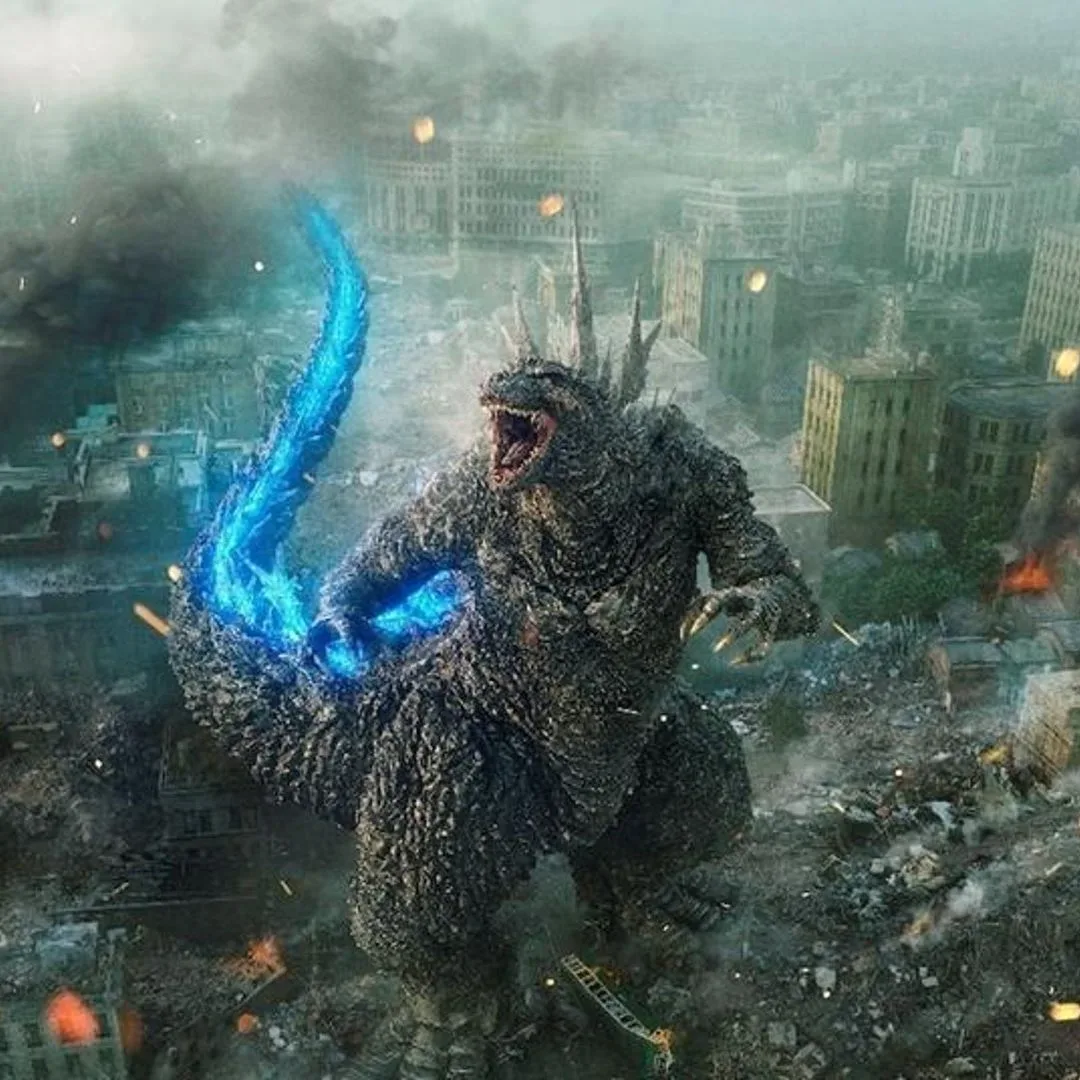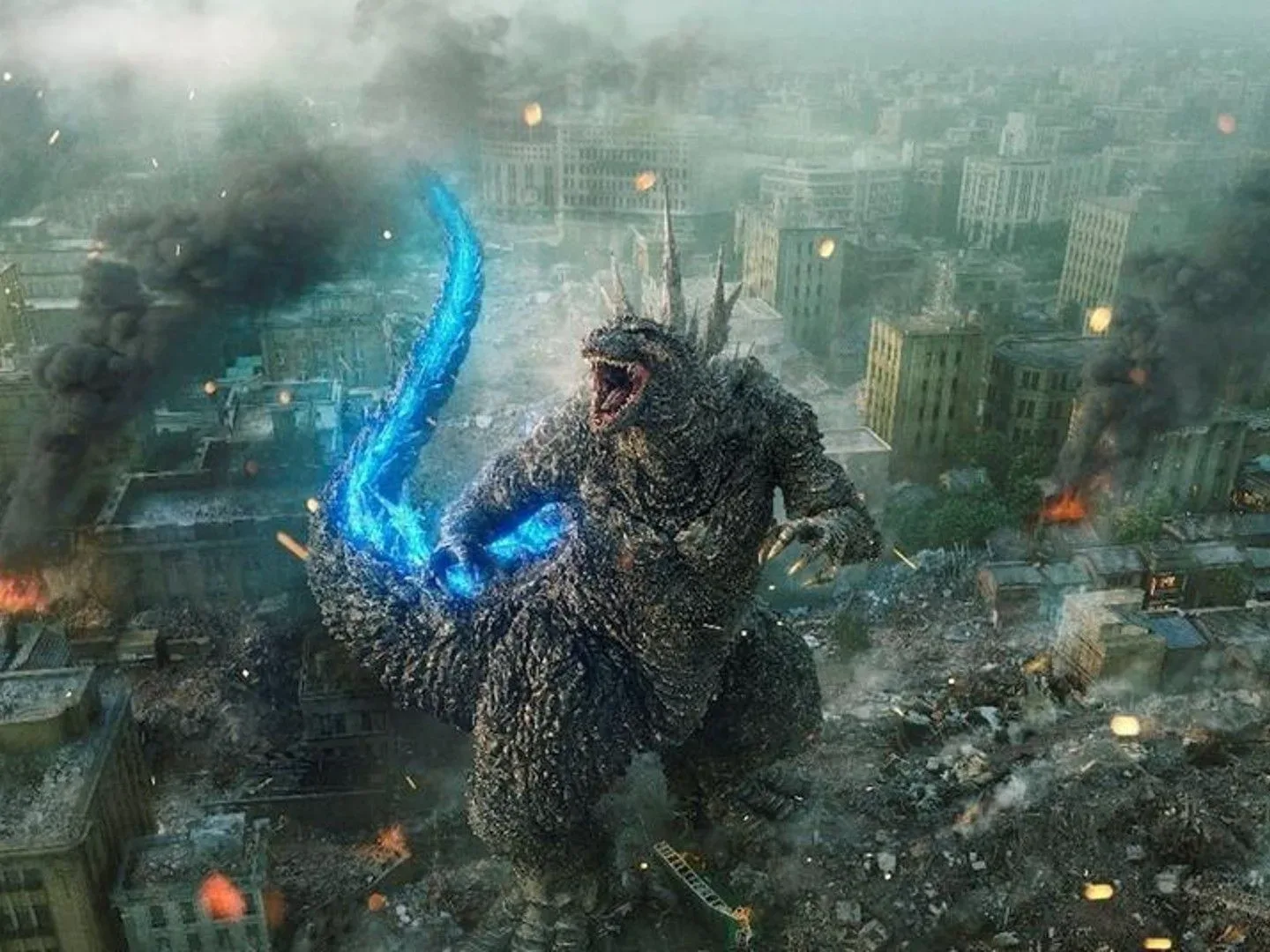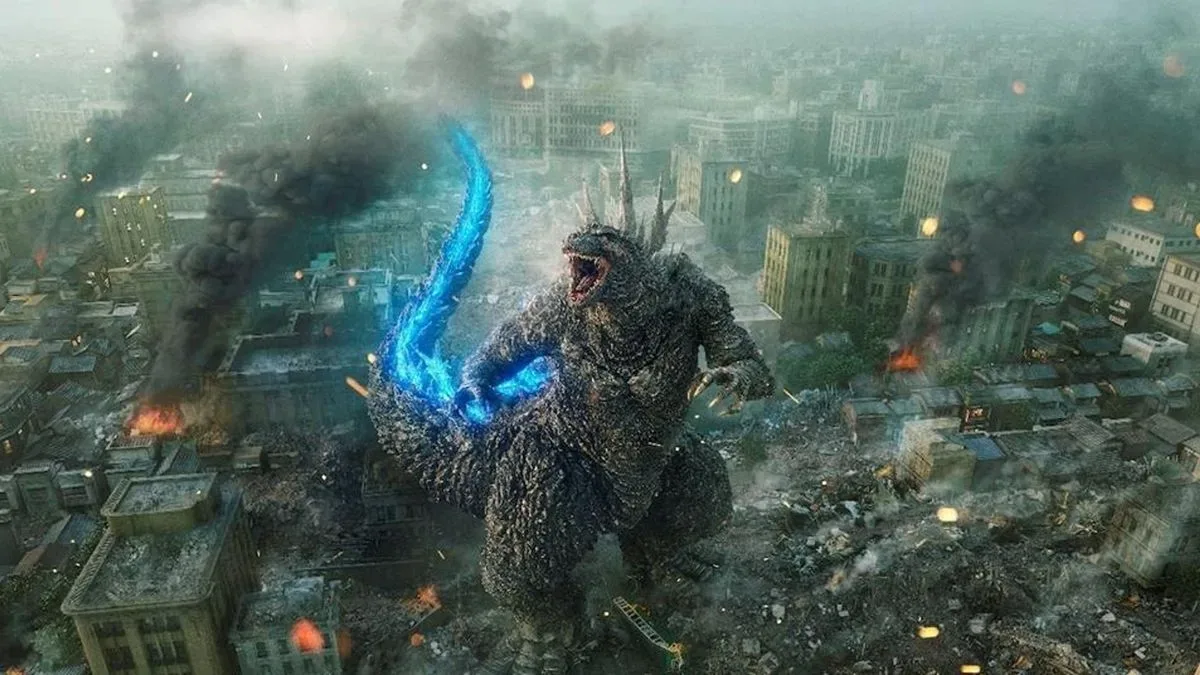
Godzilla may be preparing to stomp into the brick-built world sooner than expected. A post circulating in the LEGO leak community claims that LEGO Ideas 21375 Godzilla has been found at an unspecified retailer ahead of a formal reveal. The same post lists a reported November 27 release date and an approximate US price range of $450 to $500.
Those details should be treated as unconfirmed. The reported store location has not been identified, and neither the price nor release timing has been formally established in the material available. Still, the broader premise is not coming from nowhere: a LEGO Godzilla project has already been confirmed as being on the way, and a Godzilla product listing has appeared on LEGO’s online store. Together, those developments make an imminent official unveiling plausible, but they do not turn every leaked detail into settled fact.
What is reportedly in stores
The purported find identifies the model as Ideas 21375 Godzilla. “LEGO Ideas” is the company’s line for products originating with fan-created concepts that gain enough community support to enter official review. A selected submission is then redesigned as a retail set, meaning the finished version can differ significantly from the proposal that fans originally backed.
That distinction matters here. The early images and discussion have prompted immediate disagreement over the model’s silhouette and pose. Some fans responding to the leak have questioned whether the set could be genuine, while others have focused less on authenticity than on whether they want the final interpretation at all—especially at the rumored price.
The reaction is understandable because Godzilla’s body language is central to the character’s visual identity. A model can have recognizable dorsal plates, a powerful tail and the monster’s broad overall scale, yet still feel unfamiliar if its posture appears too upright or its head and shoulders do not convey the right sense of mass. At large display-set prices, collectors are likely to scrutinize exactly those details.
Why the pose has become the biggest talking point
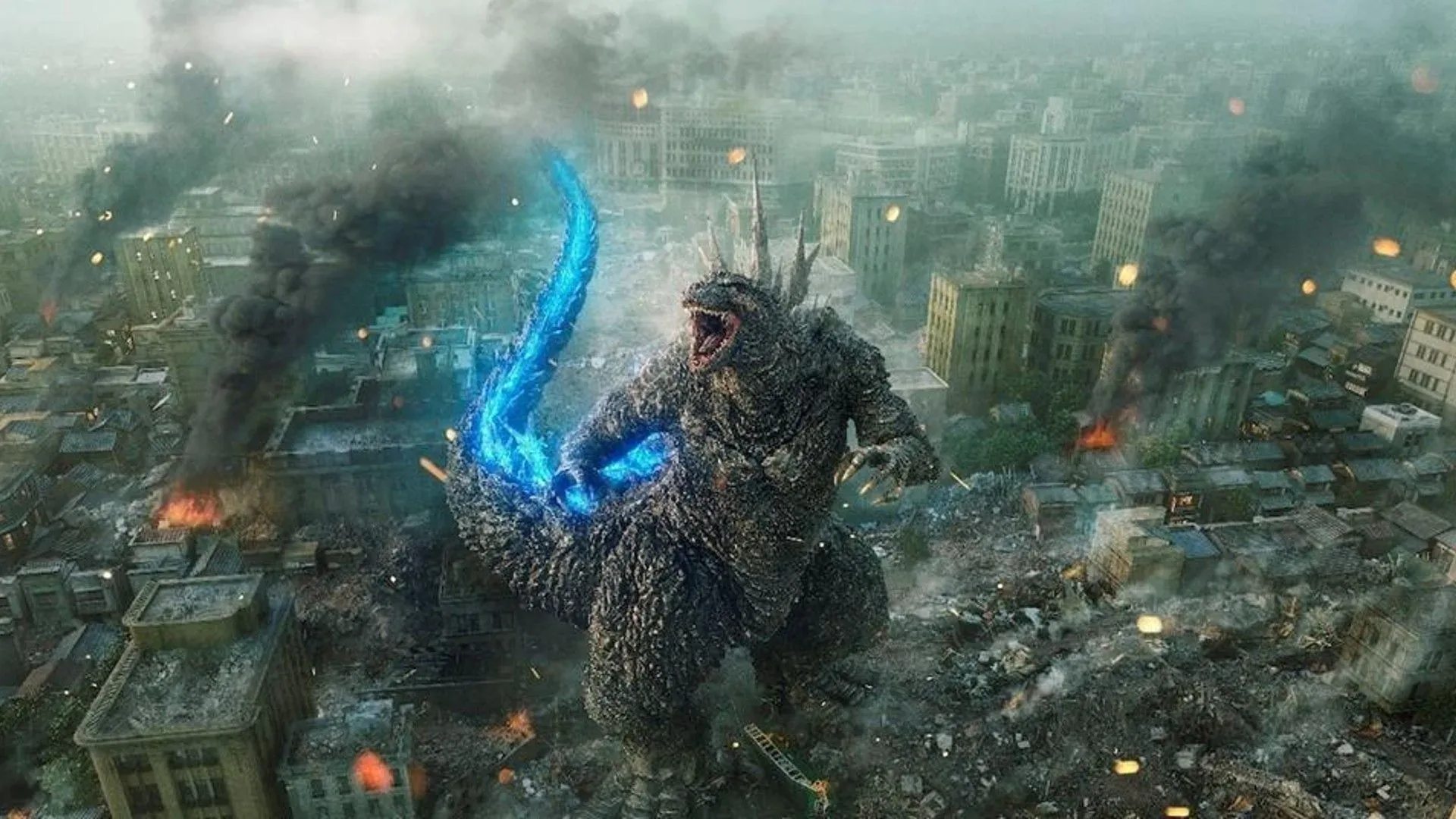
The apparent model has supporters. Its scale reads clearly, and the blue dorsal spines are a notable visual feature. In Godzilla imagery, the spines are more than decoration: they are one of the creature’s most recognizable shapes, and blue coloring naturally suggests the energy associated with its atomic breath. If that color treatment is present in the finished build, it could give a predominantly dark display model an important point of contrast.
But the leaked appearance also seems less hunched than the original community proposal. That has led to questions about which Godzilla interpretation the set is aiming to evoke. The available information does not establish a specific film or continuity as the direct design basis. It may take inspiration from older Toho-era styling, a more recent version, or a blend of influences. Until LEGO identifies its intended reference point, any precise attribution remains speculation.
For fans, this is more than an argument over minutiae. Godzilla has been redesigned repeatedly across decades of films, and different eras emphasize different traits: weight, menace, animal-like movement, heroic stature or sheer spectacle. A neutral, all-purpose interpretation may appeal to people who want a broadly recognizable Godzilla on the shelf. It may also disappoint people who hoped the Ideas selection would preserve the distinct gait and heavy forward lean of the fan submission.
Related coverage includes LEGO Godzilla Set Reportedly Appears Early as Fans Debate the Design.
The face will likely determine much of the eventual verdict. The available discussion itself reflects that a full, clear look at the head is needed before judging the character likeness. On a creature-led display set, the face has an outsized job: it must communicate the personality of a famous monster using a limited palette of elements, angles and studs. Product photography from an official reveal should offer a much more useful basis for comparison than an alleged in-store sighting.
The price report needs extra caution
The suggested $450–$500 range is also one of the most consequential claims, precisely because it remains unverified. A price at that level would place the project firmly in premium display territory. For prospective buyers, that changes the question from “Do I like Godzilla?” to “Does this particular build deliver enough scale, detail and display impact for the asking price?”
It would also explain why the response contains a mixture of excitement and reluctance. A major licensed model can be appealing as a centerpiece, but it can demand a more selective purchase decision than a smaller character build. Fans interested in the set should resist planning around the reported price until LEGO publishes an official figure. Retail sightings and listings can provide clues, but a product page is the appropriate place to confirm cost, included elements and release information.
There is a practical reason not to overreact to the number yet. The report describes it as approximate rather than exact. An estimate can be useful as an early warning that a product may be costly, but it is not a substitute for a final regional price. Nothing in the available material confirms whether $450–$500 represents a final US retail price, a store-specific figure or a rough leak-community estimate.
A fan project becoming an official set
The Ideas label helps explain both the enthusiasm and the tension around this release. Community submissions invite fans to imagine the version of a subject they most want to own. Once a design becomes an official product, however, it has to become a buildable retail object. That means the final set may prioritize structural stability, part availability, packaging needs and LEGO’s own design choices rather than reproducing every contour of the original fan model.
That process does not inherently make the retail design better or worse; it makes it different. An initial submission can pursue a very specific pose, while an official team may choose a stance that is easier to support or display. The result can preserve a project’s core appeal—here, an imposing brick-built Godzilla—while changing the details that some supporters considered essential.
For collectors, the most useful comparison will be between the officially presented model and the version they personally value. Those who want a large, recognizable kaiju may find the apparent upright presentation effective. Those who wanted a closer translation of the original submission’s sense of weight may be harder to convince. Neither reaction requires assuming that the leak is false; it simply reflects how much the source concept’s pose mattered to different fans.
What remains unconfirmed
- The reported November 27 release date.
- The claimed $450–$500 US price range.
- The identity of the retailer where the set was reportedly seen.
- Which Godzilla design or film era, if any, is the model’s explicit reference.
- Whether the apparent in-store product and images represent the final retail presentation.
Conversely, the existence of a LEGO Godzilla project has been confirmed, and the newly visible LEGO Store listing gives the report more context than an isolated rumor would have. That is reason to watch for an announcement, not reason to treat leaked specifics as final.
Why the timing is notable
A rumored November 27 launch would make the set a late-November arrival, leaving relatively little room between an official reveal and release. That compressed window is conceivable, particularly if the product listing is already becoming visible, but timing still needs official confirmation. Until then, interested buyers should view any date as a tentative marker rather than a deadline.
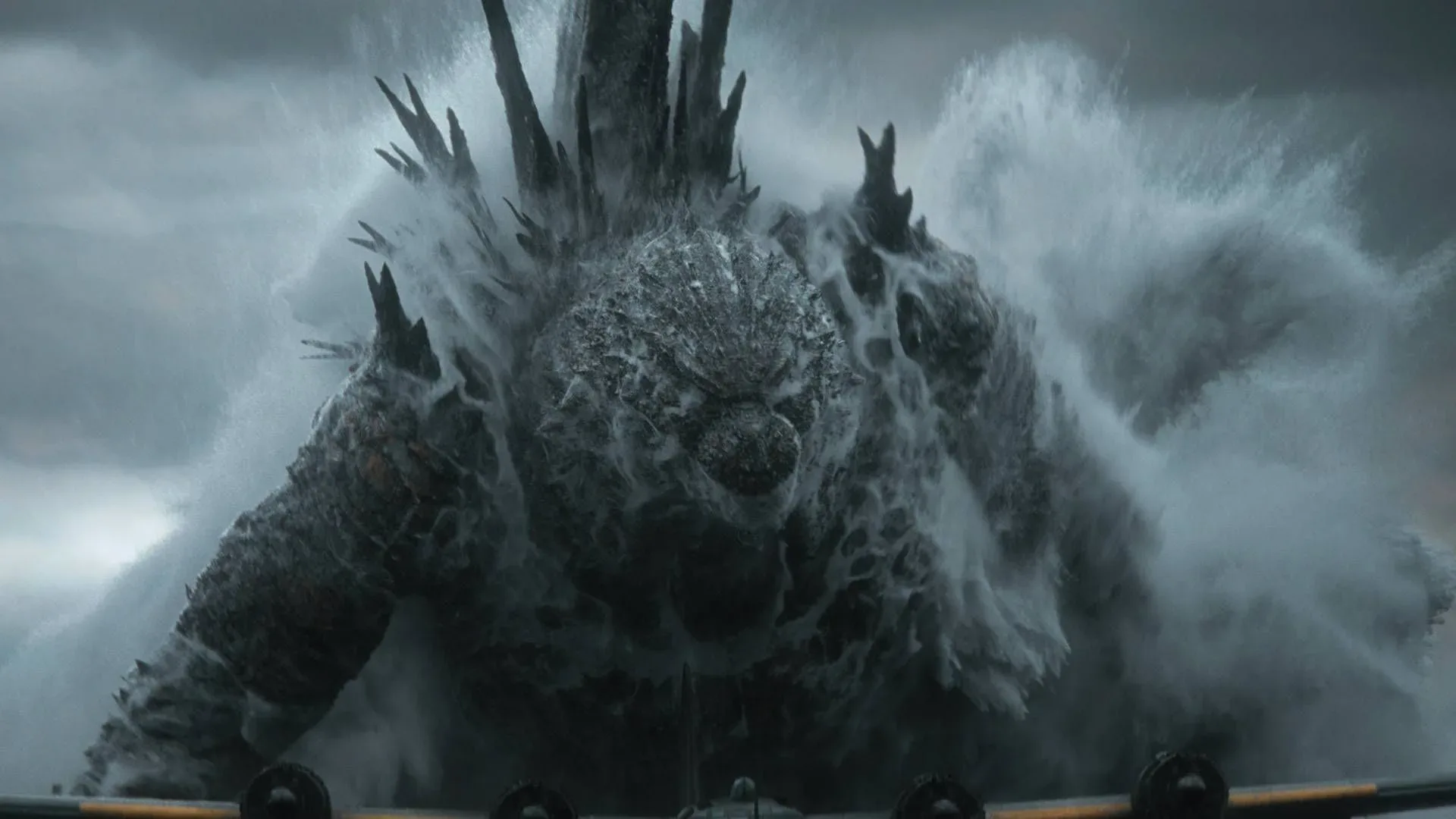
The set would arrive during an active period for Godzilla discussion. The character’s continuing cultural reach extends beyond a single screen version or audience, and current conversation around the franchise still includes its modern filmmaking direction; recent comments about Godzilla Minus Zero’s approach to Ghidorah and human drama underline how varied expectations for the kaiju can be. A LEGO model with an intentionally broad visual identity could therefore be trying to satisfy an unusually wide range of fans.
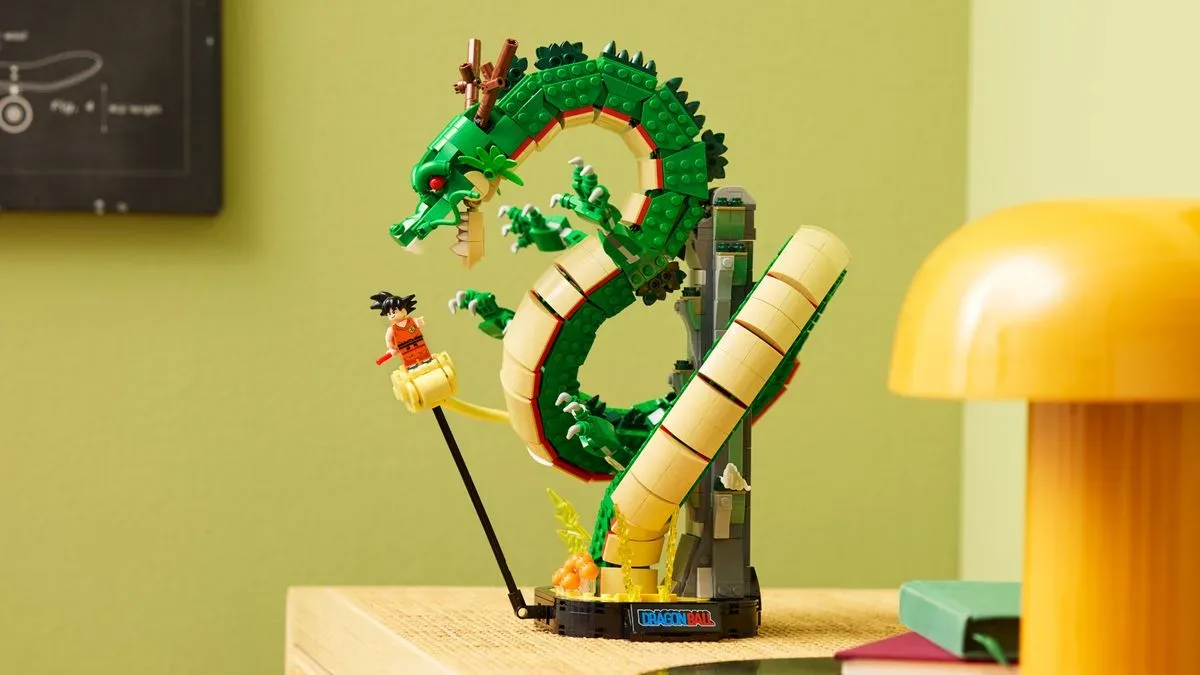
There is also precedent for excitement around large, character-focused LEGO releases. LEGO’s Dragon Ball Shenron & Goku set has been received positively, with the range described as only the beginning. That does not predict the reception of Godzilla, but it shows why another major creature-centric licensed build is drawing close attention before full official details are public.
What buyers should look for in an official reveal
When LEGO publishes a complete announcement, the strongest questions will be straightforward. First, does the model’s face look convincing from multiple angles? Second, is the pose dynamic enough to communicate Godzilla’s bulk and stride without compromising stability? Third, do the blue dorsal details have a meaningful visual role in the completed display? Finally, does the confirmed price match the build’s scale and presentation?
Official photos should also settle whether the model is intended as a static statue-like display, a posed creature build, or something between those approaches. That difference is important for shelf planning. A tall upright build demands vertical room; a long tail and forward-leaning stance demand depth. The current material supports no reliable dimensions, so buyers should wait for the product specifications before measuring display space or making room on a shelf.
For now, LEGO Godzilla is best understood as a confirmed project surrounded by unconfirmed retail information. The alleged early appearance has given fans their first reason to debate the execution in detail, particularly the posture and likely cost. Yet the definitive version of that debate must wait for official images, specifications, release timing and price. Until then, the blue-spined kaiju is a compelling prospect—but one still partially obscured by rumor fog.