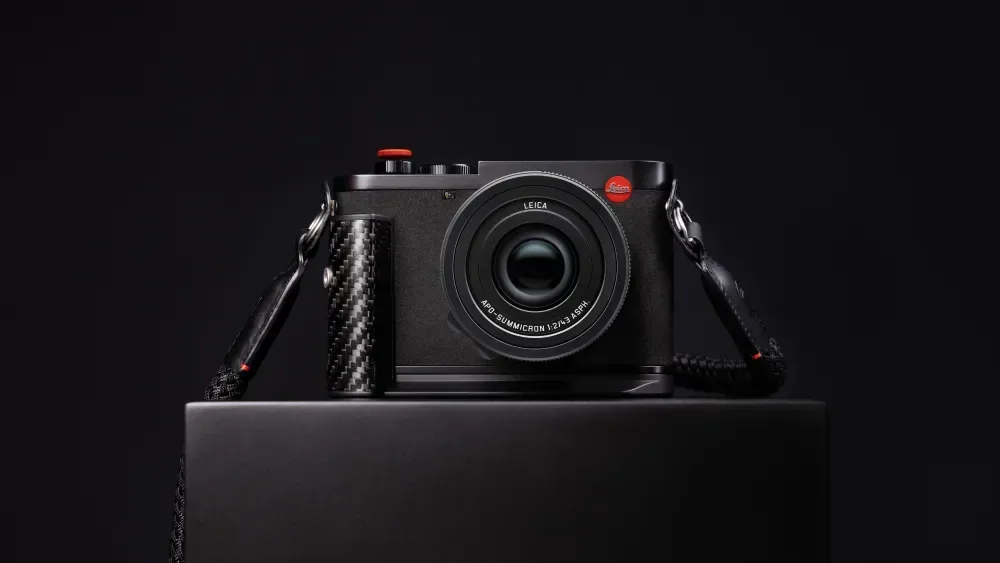
Leica is taking the Formula 1 aesthetic from the paddock to the camera bag with the Leica Q3 43 Formula 1 Edition, a $9,950 special-edition model due to be available from October 20. The camera pairs the established technical foundation of the Leica Q3 43 with visual details inspired by an F1 cockpit, plus an exclusive in-camera Formula 1 photography setting.
It is a notably premium collaboration built around a product that is already positioned at the high end of compact photography. The Formula 1 Edition retains a fixed 43mm APO-Summicron f/2 lens, a full-frame sensor with 60-, 36- and 18-megapixel capture options, hybrid autofocus and video capabilities. The edition’s changes center on material, finish, branding and a dedicated color-and-contrast look rather than a new lens or a separate imaging platform.
For collectors, photographers and Formula 1 followers, that distinction matters. This is not presented as a camera that replaces the Q3 43 with wholly different hardware. It is a limited-edition version of that camera, with its value proposition tied to the combination of familiar Leica specifications, a themed design package and an officially licensed Formula 1 identity.
What makes the Formula 1 Edition different
Leica’s design brief is explicitly motorsport-focused. The wireless charging handgrip, thumb rest and shutter button incorporate carbon-fiber detailing. The camera’s black Microvelour covering is intended to evoke the texture found on Formula 1 steering wheels, while red control accents reference the color-coded buttons used by drivers during a race.
The branding is equally direct. An F1 logo appears on the top plate and lens cap, and the package includes a co-branded carrying strap. Leica is also using custom packaging with a red interior. Taken together, those details make the edition visibly different from a standard Q3 43 even before a photograph is taken.
The carbon-fiber parts are manufactured and tested in Germany. Leica describes their use as a departure from materials traditionally used on its cameras, making the choice more than a printed racing graphic or a swapped colorway. Still, the supplied specifications do not suggest that the carbon fiber changes the camera’s core imaging hardware, its lens or its stated capture resolutions.
That approach places the Formula 1 Edition squarely in the territory of a real-world collectible: an object whose appeal comes from a specific version of an existing product, its official association and the physical details that distinguish it. It should not be confused with a new camera system or a separately described performance tier.
The exclusive Formula 1 look, explained
The most substantive software addition is Leica’s exclusive “Formula 1” photography setting. The setting boosts contrast and color saturation to create a more emphatic visual treatment aimed at racetrack atmosphere.
Related coverage includes Leica Q3 43 Formula 1 Edition Brings Carbon Fiber and Racing Styling to a $9,950 Camera.
Contrast describes the separation between lighter and darker portions of an image. Raising it generally makes those tonal differences appear stronger. Saturation concerns the intensity of color; increasing it makes colors appear more vivid. In practical terms, Leica’s setting is designed to produce a bolder look at the time of capture rather than asking the photographer to make those adjustments afterward.
The effect can be previewed in the camera’s viewfinder. It can also be applied while shooting through the Leica FOTOS app, rather than being added later in post-production. Post-production means editing an image after it has been shot. An in-camera or shooting-stage preview can be useful because it lets a photographer judge the intended contrast-and-color treatment while composing the picture.
That does not mean the Formula 1 setting creates a new type of sensor output; the information provided describes it as a contrast and saturation treatment. Its significance is convenience and a defined creative profile: a camera-specific look designed around the edition’s racing theme.
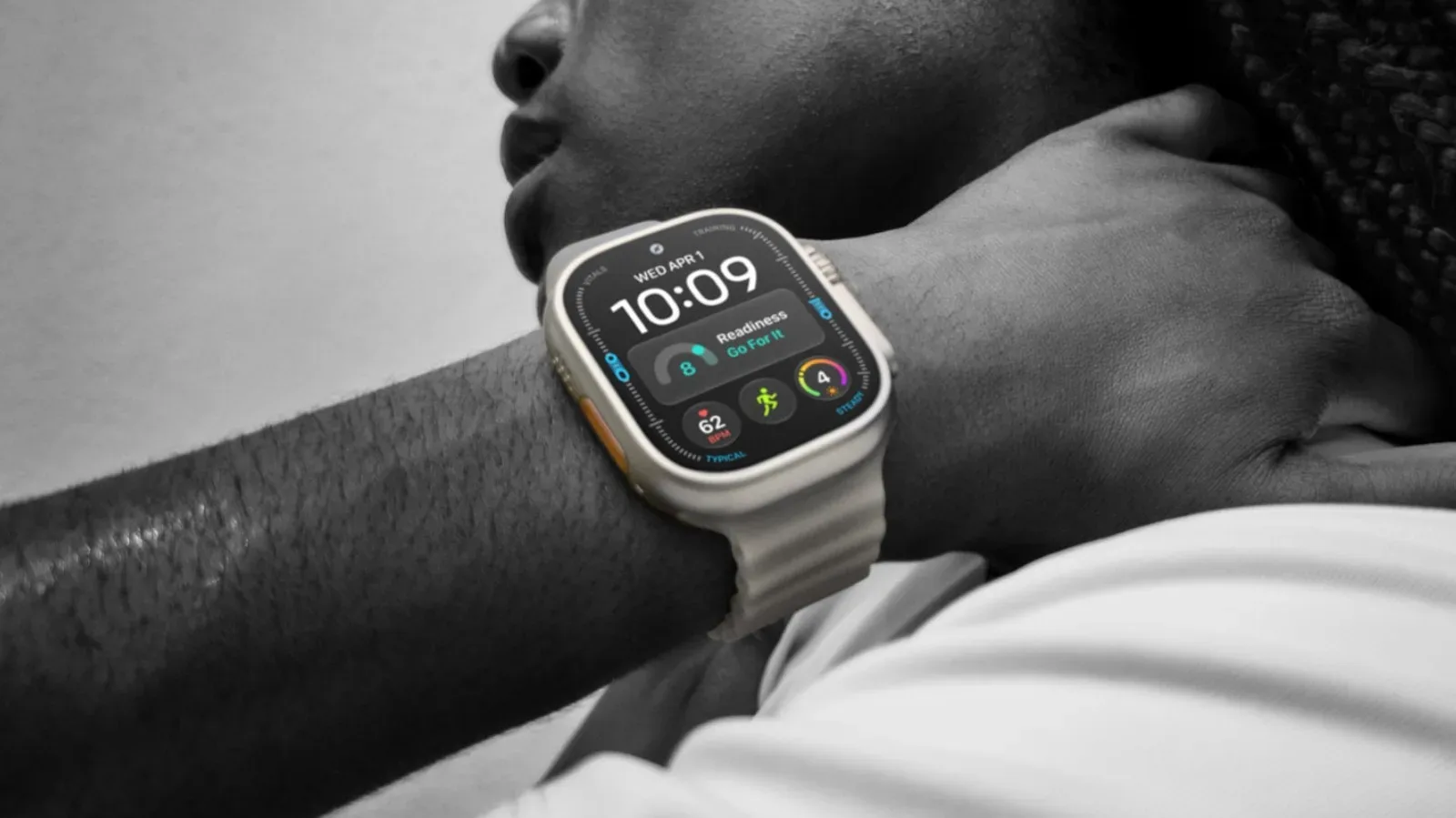
Physical controls remain important to that experience, particularly on a camera built around deliberate handling. The carbon-fiber shutter button and thumb rest are visual and tactile parts of the Formula 1 concept, while the red accents make the controls more obviously part of the edition’s styling. Readers interested in how a dedicated physical control can change the way a device is used can also see our Apple Watch Ultra 4 Action Button guide.
The Q3 43 foundation remains intact
Under the special finish, the Formula 1 Edition shares its platform with the Leica Q3 43. Its fixed 43mm APO-Summicron f/2 lens cannot be removed and swapped for another lens. A fixed-lens camera is therefore a more self-contained proposition than an interchangeable-lens camera: the focal length and lens character are part of the product’s permanent design.
The supplied specification lists a 43mm lens and f/2 maximum aperture. The 43mm figure identifies the lens’s focal length, while f/2 is its stated aperture rating. Those are central specifications because the lens is built into the camera, rather than being an accessory a buyer can change later.
The Q3 43 platform also uses a full-frame sensor and offers 60-, 36- or 18-megapixel options. A megapixel is one million pixels, the small picture elements that make up a digital image. Leica’s stated resolution options give photographers a choice among capture sizes without altering the hardware at the center of the Formula 1 Edition.
Hybrid autofocus is also included. In plain terms, autofocus is the system that automatically brings a subject into focus; “hybrid” identifies Leica’s autofocus arrangement in the listed specification. The camera additionally supports video, although no detailed video modes, formats or recording limits are specified here. Buyers should therefore avoid assuming extra video features beyond the stated presence of video capability.
A luxury collaboration with a specific audience
The $9,950 price makes clear that this is not an entry-level route into either Leica photography or Formula 1 merchandise. The standard technical platform is joined by exclusive design materials, co-branding and custom packaging. Its audience is likely to overlap across dedicated Leica users, Formula 1 enthusiasts and people who collect limited versions of luxury products, but the camera remains a functional photographic tool rather than display-only memorabilia.
Compatibility with existing Leica Q3 and Q3 43 accessories is a practical detail within that proposition. It means current owners of accessories for those camera families are not necessarily starting from zero when considering the Formula 1 Edition, while prospective buyers can look to the established Q3/Q3 43 accessory ecosystem. The information available does not list which accessories are included beyond the co-branded carrying strap, so compatibility should not be read as a promise that every accessory comes in the box.
There is also a wider branding calculation behind the product. Formula 1 has been attracting luxury partnerships as its mainstream cultural presence expands, and this collaboration applies racing imagery to an established premium camera rather than creating a stand-alone motorsport device. Leica’s use of cockpit textures, control colors and carbon fiber gives the license a product-specific language instead of limiting it to an F1 badge.
Launch event and availability
Leica plans to introduce the Q3 43 Formula 1 Edition at its Los Angeles store and gallery on October 20. Formula 1 presenter Ariana Bravo and former world champion Jenson Button are scheduled to attend the unveiling.
The event will also include an exhibition of 26 racing photographs by Italian motorsport photographer Callo Albanese. That presentation fits the collaboration’s emphasis on race imagery and photography, though it should not be taken as a specification or performance demonstration for the special-edition camera.
The Leica Q3 43 Formula 1 Edition is set to be sold beginning October 20 through Leica stores, Leica’s online shop and specialist retailers for $9,950. Availability is described as beginning on that date; no production quantity is specified in the provided information. “Limited edition” therefore signals a special-release status, but does not establish an exact number of units.
For anyone weighing the model, the cleanest reading is straightforward: it is a Q3 43-based full-frame fixed-lens camera with a 43mm f/2 lens, selectable stated resolution options, hybrid autofocus and video capability, wrapped in an officially licensed Formula 1 presentation. The carbon-fiber details, Microvelour covering, red accents, exclusive photo setting, logo treatment, strap and packaging are the features that turn that established foundation into the Formula 1 Edition.