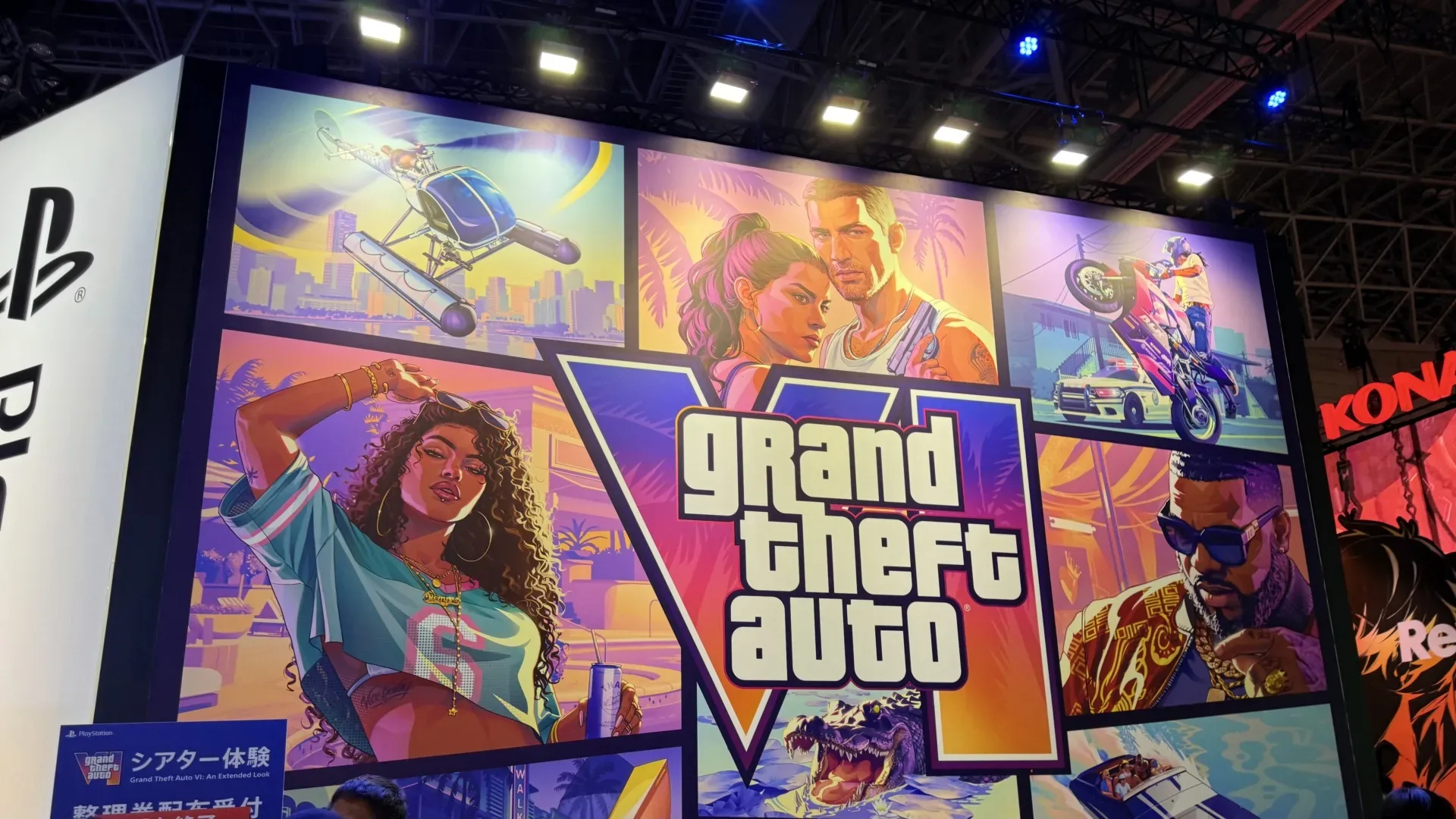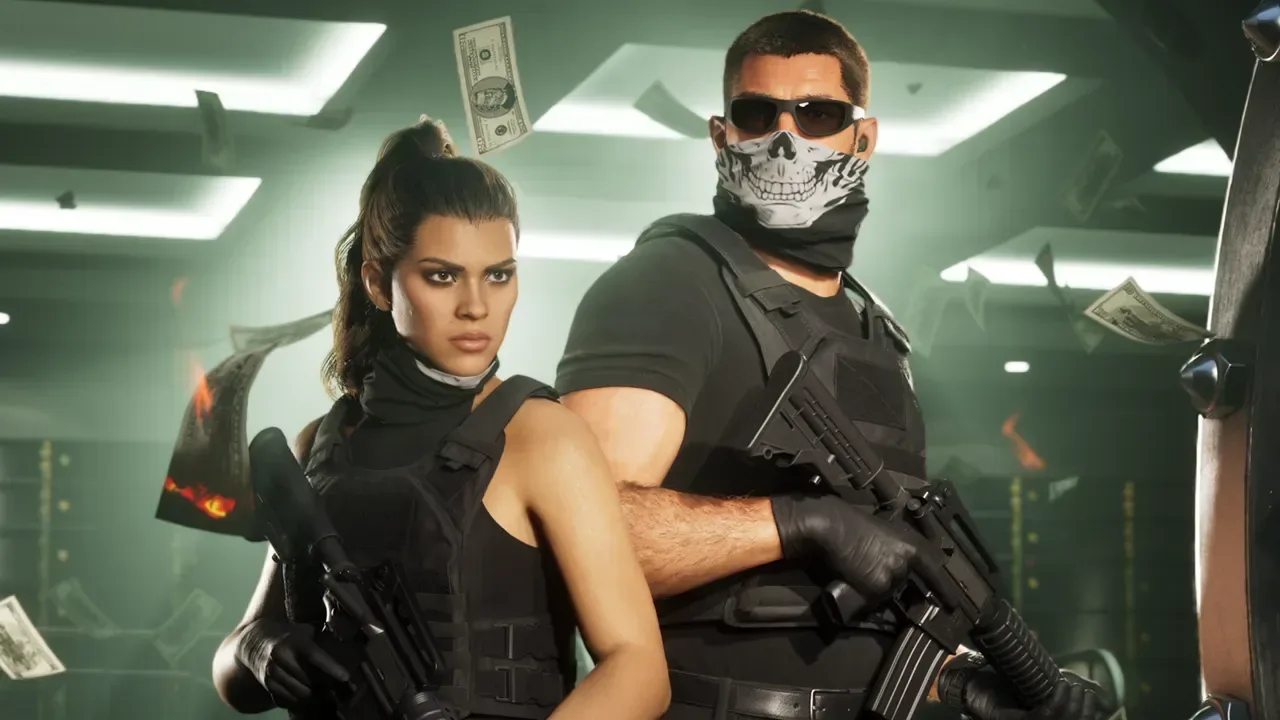
Grand Theft Auto 6’s Tokyo Game Show 2026 giveaway has quickly become a resale target. Commemorative shirts handed out free to people who attended the game’s immersive booth presentation are appearing in online marketplace listings with asking prices around $140 to $200.
Other promotional items connected to the booth, including GTA 6-branded stickers and carabiners, are also being listed online, with sellers asking roughly $30 to $40. The listings underline a familiar reality of high-demand convention swag: an item’s original cost can be zero, while access to the event becomes the scarce commodity.
It is important to separate those asking prices from confirmed market value. A live marketplace listing shows what a seller hopes to receive, not necessarily what a buyer has paid. The available information identifies listings in the $140-to-$200 range for the shirts, but does not establish completed-sale prices, the number produced, or whether additional shirts will be distributed elsewhere.
A free shirt tied to a tightly limited experience
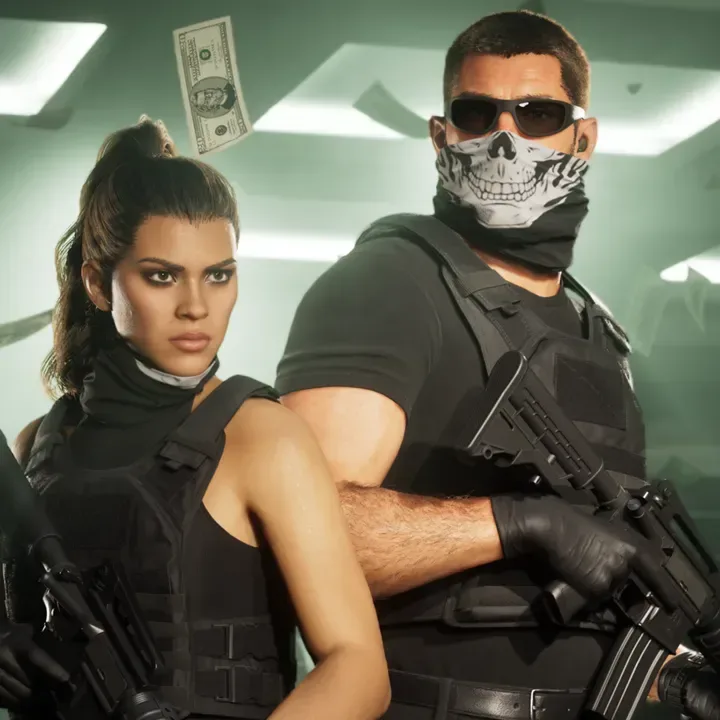
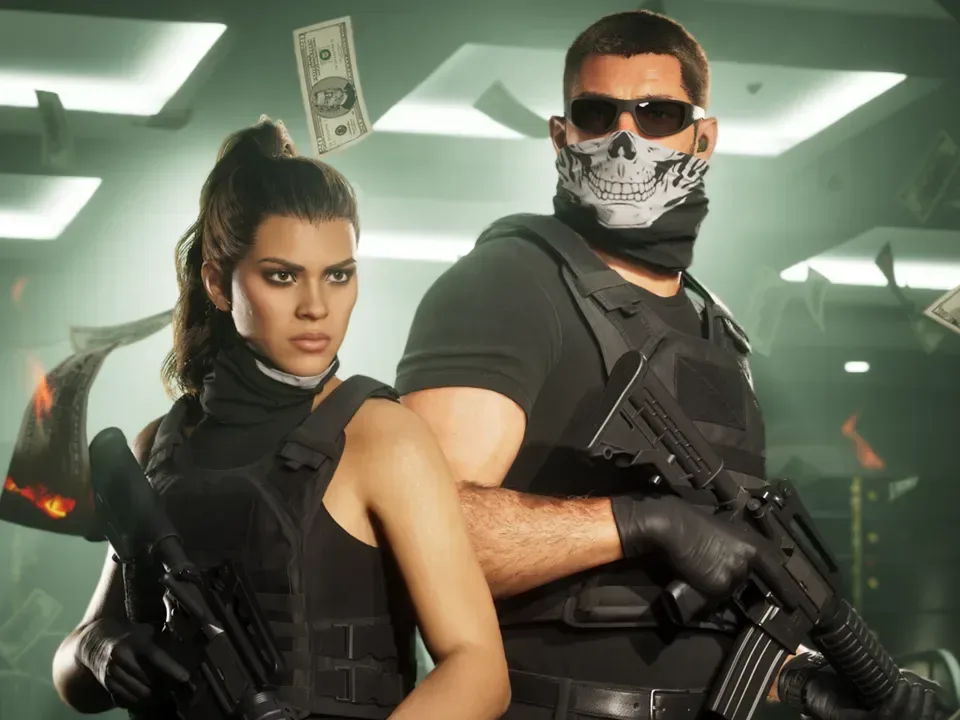
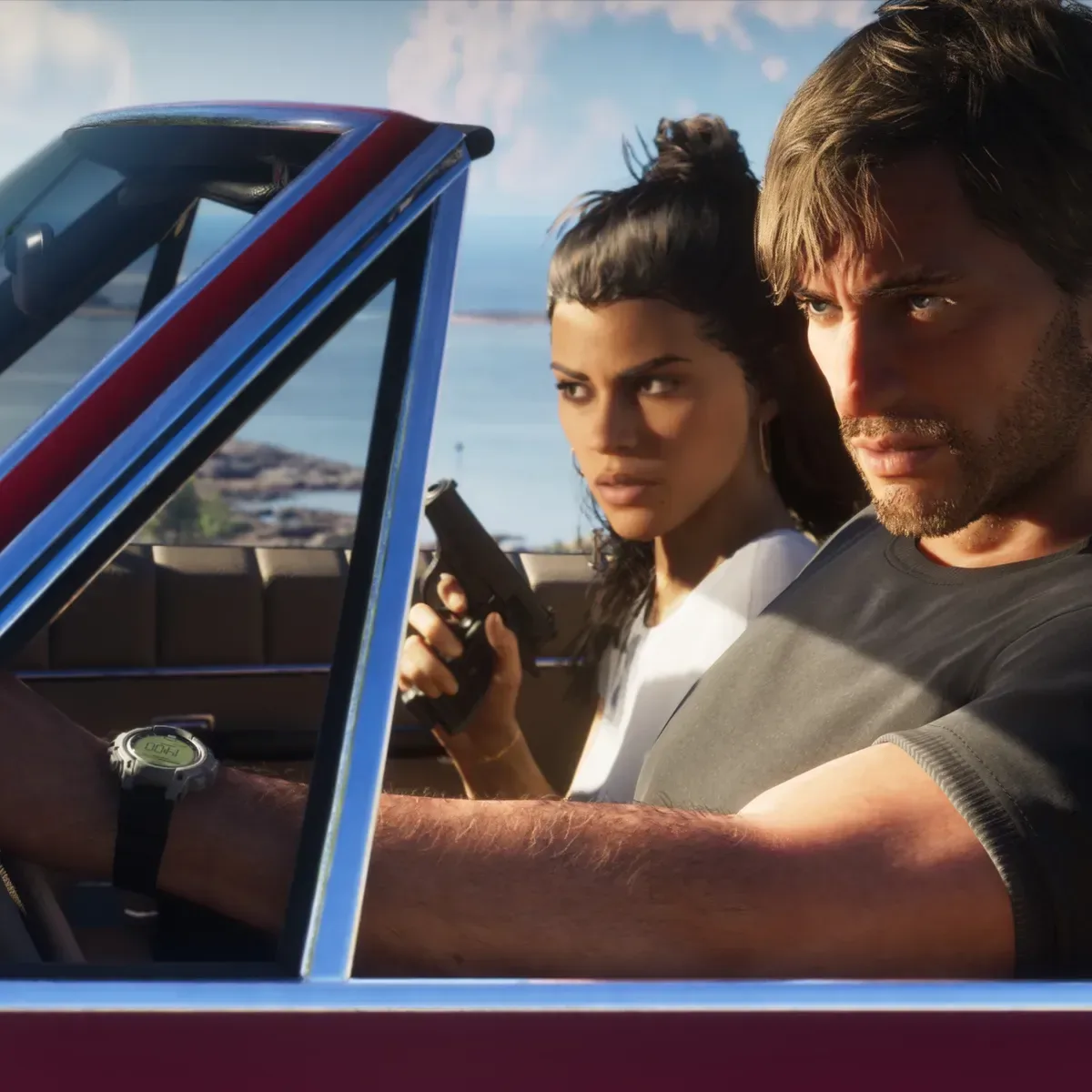
The shirts were given to attendees who took part in a special GTA 6 screening at Tokyo Game Show. The presentation used the same extended trailer that reached Netflix the previous month, but added surround sound and 4D haptic effects designed to match events on screen. The footage follows protagonists Jason and Lucia through scenes involving a police escape and corner-store robberies.
In this context, 4D haptic effects means physical feedback or environmental effects coordinated with the video, rather than new gameplay or a new version of the trailer itself. The event’s appeal was therefore not simply the footage. It was the chance to see it in a presentation created for the booth, paired with a physical memento that could only be obtained by people who made it into that experience.
That access was evidently scarce. The booth reportedly reached capacity and closed after only 10 minutes. A short window, an already highly anticipated game, and a free event-only item is a combination that can produce immediate reseller interest—especially when people outside the venue have no ordinary retail route to obtain the item.
Why convention giveaways can command real money
“Scalping” is commonly used for buying up limited goods mainly to resell them at a markup. The term is often applied to products with a normal retail price, such as tickets, cards, or limited merchandise. In this case, the dynamic is slightly different: the GTA 6 shirts were giveaways, so the market is pricing scarcity, attendance, branding, and the moment attached to the item rather than a store price.
Promotional merchandise is especially susceptible to this pattern because supply is often constrained in more than one way. The organizer can limit entry to the activation; attendees may receive only one item; and the giveaway may be associated with a specific city and event. None of those conditions alone proves lasting collector value. Together, though, they can make an item feel exclusive almost immediately.
Related coverage includes Free GTA 6 Tokyo Game Show Shirts Are Already Being Listed for Hundreds Online.
GTA 6 is also carrying enormous public attention well before its release. That broader anticipation helps explain why relatively simple promotional objects—including stickers and carabiners—can be listed at meaningful markups. Buyers may be seeking a keepsake, an event collectible, or simply an early piece of branded merchandise connected to the game.
The result is a marketplace with a major uncertainty built in. A shirt listed for $200 may sell at that figure, sell only after a reduction, or never sell at all. Similarly, a small number of high-priced listings can make an item look more valuable than a wider group of completed purchases would suggest. For anyone following the phenomenon, the distinction between availability, asking price, and actual sale price is the most useful one to keep in view.
The practical questions for fans watching the listings
The Tokyo Game Show shirts are physical event merchandise, not an in-game unlockable, and their appeal is inseparable from provenance. Provenance is the documented origin and ownership history of an item. For a recent convention giveaway, that can be as straightforward as evidence that it matches the event distribution: clear photos of the front and back, labels, any packaging, and details consistent with the item given out at the booth.
That does not mean every legitimate shirt will arrive with extensive documentation. A giveaway item may have been handed over loose, with no receipt or certificate. It does mean buyers should be cautious of listings that provide little detail while relying heavily on the game’s popularity to justify a premium.
- Check whether a listing identifies the Tokyo Game Show 2026 origin clearly.
- Look closely at photos for the garment’s print, tag, size, condition, and any included event materials.
- Distinguish an active listing price from evidence that the item has sold at that price.
- Remember that the eventual supply is unknown; more giveaways or similar official merchandise could affect demand.
- Consider whether the value is personal—wanting a souvenir from the activation—or purely speculative.
Condition matters even for very recent apparel. A shirt that has been worn, washed, stained, or stored poorly is not equivalent to one that remains unworn. Likewise, stickers and carabiners may be inexpensive objects, but their value as collectibles rests on their exact event connection and their physical state. Those are ordinary collecting considerations, yet they become easy to overlook when the headline is a triple-digit asking price for a free shirt.
Hype is doing much of the work
The sale listings arrive during a period of especially intense GTA 6 attention. Beyond the trailer presentation, Miami has reportedly been working with Rockstar on special advertising possibilities, including a large “Welcome to Vice City” sign said to have cost $1 million, amid discussions of a potential game-themed takeover. That wider promotional energy gives even modest event items a sense of connection to a much larger rollout.
It also explains why the Tokyo Game Show giveaway attracted opportunistic sellers so quickly. The T-shirt is not being positioned as a technical collector’s edition or a premium retail garment. Its value proposition is that it was free only to people who got into a brief, capacity-limited GTA 6 activation at a particular show. Resellers are betting that people who missed that window will pay to own a piece of it.
That bet may prove successful for some listings, but the public evidence currently points to ambitious asking prices rather than an established, settled market. Fans curious about the game itself can also follow the broader conversation around it, including Kit Harington’s interest in playing Grand Theft Auto 6.
What the listings really show
The sharpest takeaway is not that every free promotional item becomes a major collectible. It is that access has become part of the product. When a booth fills within minutes, the giveaway becomes unavailable to nearly everyone who was not already in the right place at the right time. The resale market then turns that missed access into a price.
For the GTA 6 shirts, the current $140-to-$200 figures should be read as a snapshot of seller expectations in the immediate aftermath of the event. Whether those expectations hold will depend on completed sales, the true number of shirts in circulation, and how much demand remains once the first burst of convention buzz fades. For now, a no-cost Tokyo Game Show souvenir has become another visible measure of the extraordinary attention surrounding GTA 6.
Shop the products
Check current price, model and availability at the retailer.