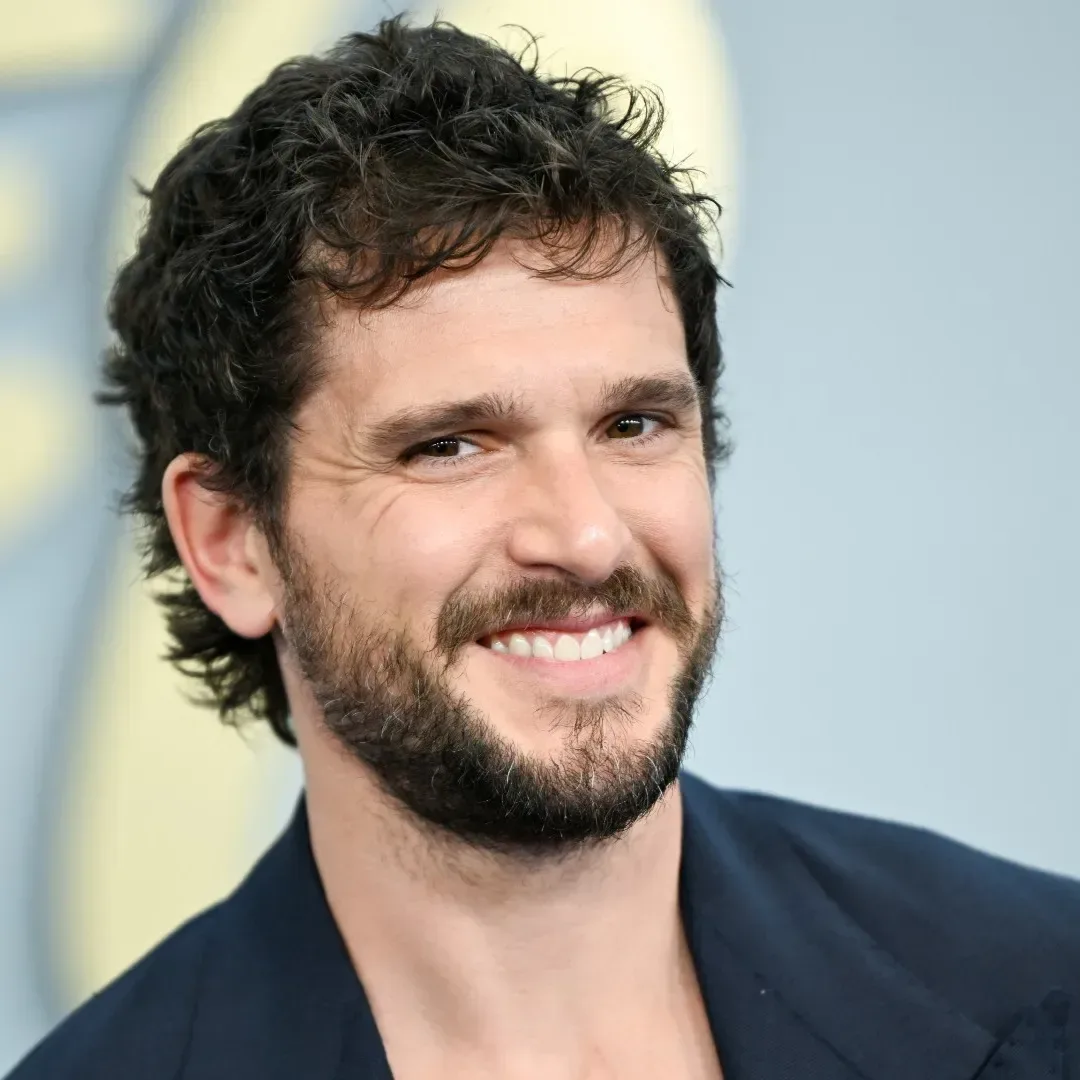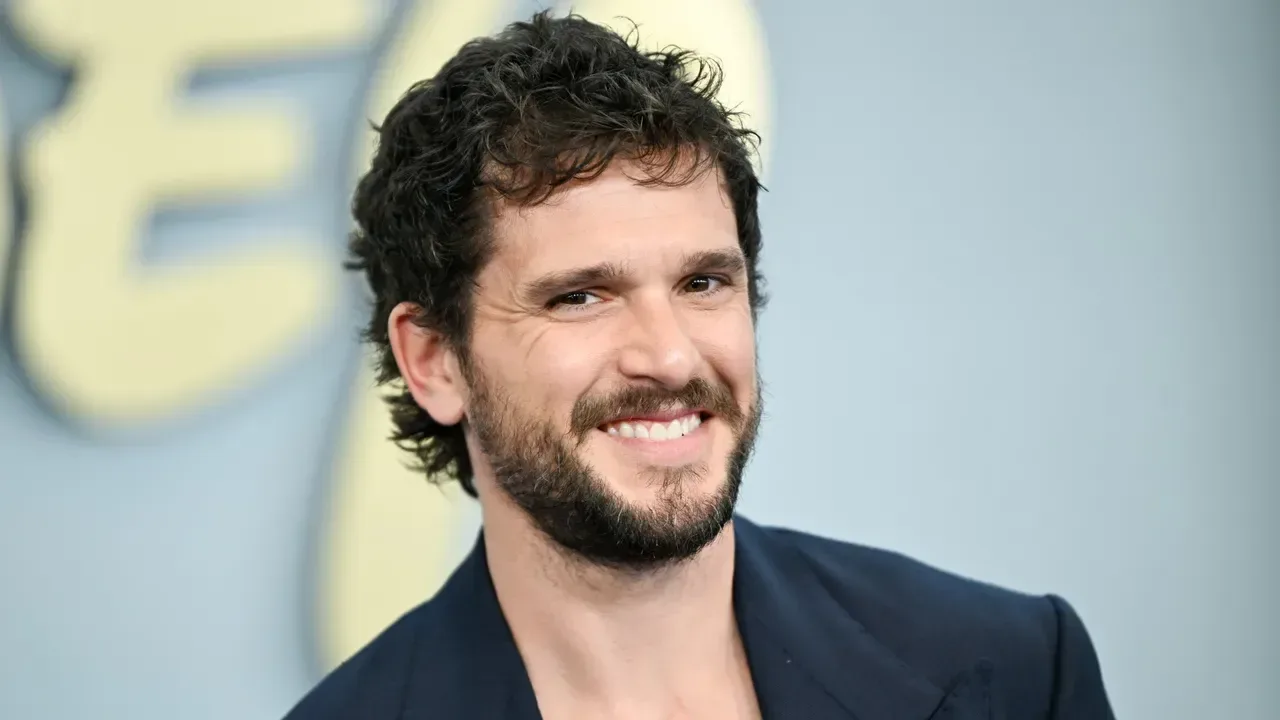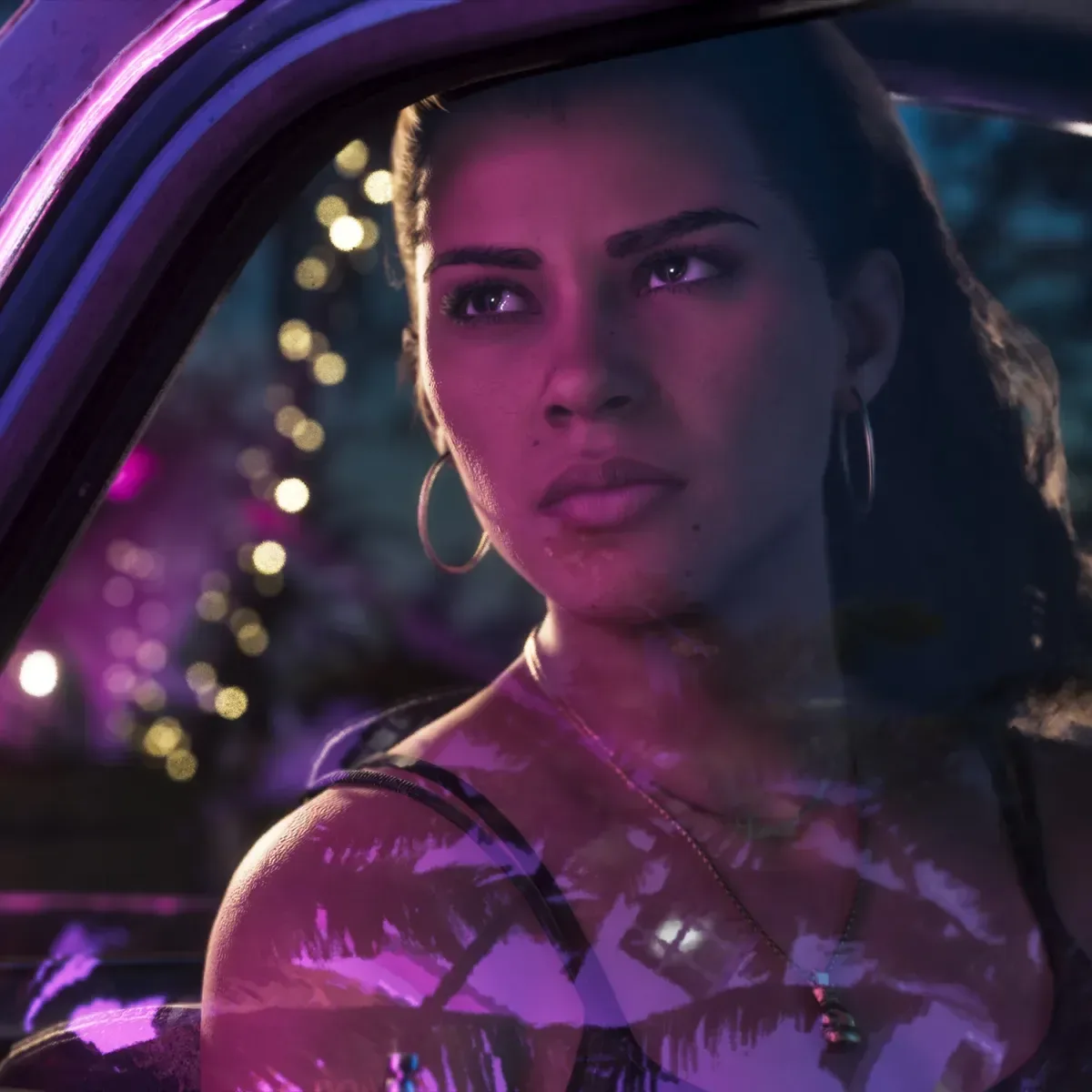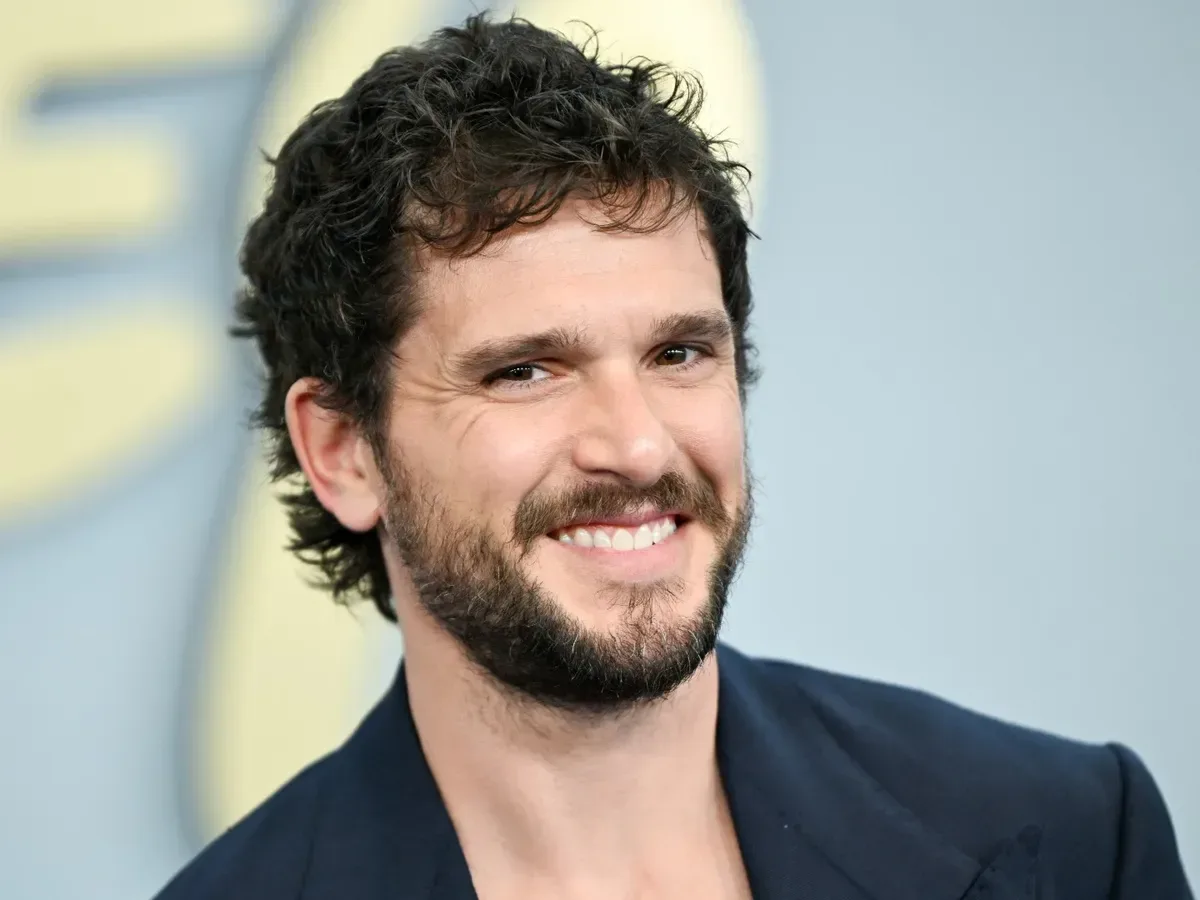
Kit Harington may be best known to many viewers as Jon Snow, but the actor’s next likely gaming destination is considerably warmer than the North: Vice City. Harington said he wants to play Grand Theft Auto 6, despite describing himself as someone who is not especially deep into games.
The comment is a small but telling marker of the enormous audience orbit around Rockstar’s next Grand Theft Auto. Harington’s stated interest does not confirm that he has bought, played, or plans to complete the game when it arrives. It does show that its marketing has reached a performer whose own gaming experience is selective rather than all-consuming.
That distinction matters. A game can be highly anticipated within enthusiast communities while remaining invisible beyond them. Grand Theft Auto has historically been a mainstream name, and Harington’s answer suggests GTA 6 is already operating in that wider cultural space: recognizable enough to be noticed by people who do not otherwise closely follow each release calendar, platform discussion, or trailer breakdown.
A short gaming list, with some major names
When discussing his relationship with games, Harington pointed to a handful of titles and series rather than a long-running hobby. He said he had played some Tekken, Mario Kart, and Diddy Kong Racing, with Hogwarts Legacy the most recent game on that list.
Those examples are useful context for what “not much of a gamer” can mean. They are not obscure picks. Tekken is a fighting-game series, built around one-on-one matches and character-specific moves. Mario Kart and Diddy Kong Racing are kart racers, a format generally associated with immediately understandable driving, short events, and competitive play with friends. Hogwarts Legacy, meanwhile, is a modern action role-playing game set in the Harry Potter world.
They also span different eras and styles, from older console staples to a recent fantasy release. That does not make Harington a dedicated player by default, but it does indicate familiarity with games that have broad popular appeal. His interest in GTA 6 fits that pattern: a huge entertainment property with a name that travels well outside specialist gaming conversations.
Harington had earlier recalled working on Silent Hill: Revelation, the live-action film tied to the horror-game franchise. He said he did not have much experience with the Silent Hill games themselves. That is an important separation. Working in an adaptation of a game does not necessarily mean an actor plays the original material, and familiarity with a franchise through film is not the same as hands-on knowledge of its mechanics or history.
Why GTA 6 has his attention
Asked whether he had spent time with Grand Theft Auto, Harington said he wanted to try Grand Theft Auto 6 after seeing its advertising. He also expressed appreciation for videos that recreate or borrow Grand Theft Auto-style ideas in real-world settings.
Related coverage includes Kit Harington Says Grand Theft Auto 6 Has Caught His Attention Despite Not Being Much of a Gamer.
That latter detail gets at a feature of the series’ public identity. “GTA tropes” is a loose phrase, but here it points to visual and comic shorthand that people can recognize even away from a controller: cars, crime-fiction energy, satirical presentation, and the feeling of an open city becoming a stage for absurdity. An open-world game is one that gives players substantial freedom to move through a larger environment and choose activities, rather than moving solely through a fixed sequence of levels. Grand Theft Auto is strongly associated with that format.
As a result, GTA can become a reference point even for an audience that has not played a particular installment. A short parody clip does not need to explain every system or story beat to evoke the series. The recognizable frame does much of the work. Harington’s reaction suggests the current campaign has benefited from that cultural shorthand as well as from conventional game advertising.
There is still a boundary between awareness and participation. Harington did not say that he had begun GTA 6, nor did he offer a verdict on it. His point was simpler: the promotion had made him curious enough to want to play. That is meaningful without being inflated into an endorsement, a review, or evidence of a new acting role in the series.
Rockstar’s campaign is extending beyond the usual game audience
The scale of Rockstar’s promotional effort helps explain why the title is finding its way into casual conversation. The campaign includes an original soundtrack involving a large group of musicians. Rockstar also reportedly spent nearly $1 million on a “Welcome to Vice City” sign in Miami. Vice City is the fictional setting associated with Grand Theft Auto, and the sign turns an in-game place name into a physical promotional object in a real city.
That kind of activation is designed to be seen, photographed, and discussed beyond the normal channels used to reach players. It creates a public-facing symbol rather than relying only on a digital trailer, a storefront listing, or a developer interview. It also reinforces the place-name at the center of GTA 6’s marketing: someone does not need to know its mission structure or playable characters to understand the intended association between “Vice City” and the game.
The reported soundtrack effort works in a similar way. Music can carry a game’s identity into formats people encounter independently, while well-known performers can bring their own audiences into the conversation. None of this guarantees that every newly curious viewer will become a player. It does, however, broaden the number of ways people can encounter the game before its November release window.
NBA player Steven Adams recently joked that league performance could fall when GTA 6 releases in November. That is plainly a joke rather than a forecast, but it reflects the expected scale of the launch: the game is being treated as a likely shared distraction, capable of becoming a prominent topic in sports, entertainment, social media, and gaming at the same time.
Harington’s previous work in games
Although Harington does not present himself as an avid player, he has prior credits connected to games. He played the principal antagonist in Call of Duty: Infinite Warfare and voiced Jon Snow in Telltale’s Game of Thrones game.
Those are two distinct forms of participation. A voice role contributes performance to a game character, while appearing as a central villain in a Call of Duty entry connects an actor’s screen persona to a major interactive franchise. Neither credit implies that Harington is involved with GTA 6; there is no indication of that. They simply make clear that this is not his first contact with the medium from the professional side.
His recent time with Hogwarts Legacy is also notable in light of his next announced major role: Gildroy Lockhart in HBO’s Harry Potter television series. It is reasonable to see a possible connection between that franchise work and a decision to sample a Harry Potter game, but Harington did not explicitly state that one led to the other. The firmer fact is that Hogwarts Legacy is the most recent title he named, and the Harry Potter series is among his upcoming projects.
What this does—and does not—say about GTA 6
Celebrity interest is not a measurement of a game’s quality. Nor does one actor’s curiosity reveal how accessible GTA 6 will be for newcomers. A player coming from kart racers, a fighting game, and a fantasy action RPG could find an open-world crime game very different in tone and systems. GTA’s identity is not built around the same kind of competition as Mario Kart, the move-by-move contest of Tekken, or the wizarding setting of Hogwarts Legacy.
But Harington’s comments do offer a useful view of the campaign’s reach. The attraction is not presented as a technical feature list or a deep familiarity with previous Grand Theft Auto games. It is recognition, visual appeal, and curiosity generated by advertising and by the series’ reputation in popular culture.
For players already watching every GTA 6 update, that may sound obvious. For a broader audience, it is the point: a massive release can build momentum long before anyone has a controller in hand. Harington has not promised to become a GTA regular. He has simply joined the growing group of people who have noticed the game and want to see what the Vice City return is about.
For another example of how gaming ideas can become the main attraction rather than mere background, see our look at a game built around the appeal of character creation.