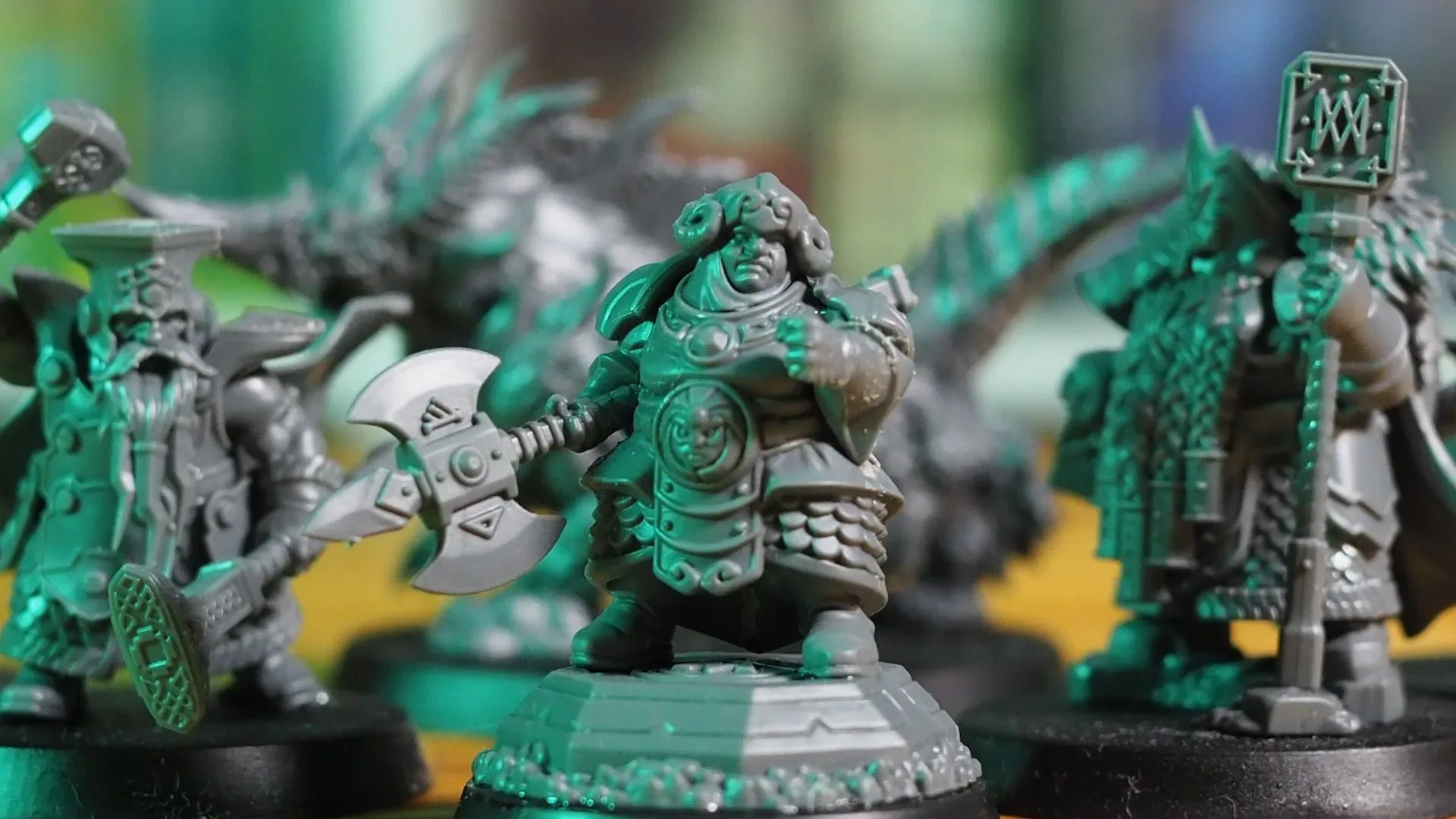
Warhammer Age of Sigmar’s newly revealed Khazalite Holds range is taking a notably direct route to fantasy appeal: imposing dwarves, grand beards, heavy hammers, regal armor and a firmly rooted quasi-Viking visual language. The miniatures are now available to pre-order, and the range’s strongest argument is not that it has discarded every familiar dwarf convention. It is that it has executed those conventions with unusual care.
That matters in Age of Sigmar, a setting often associated with its stranger visual swings. This is a game where factions can be defined by walking fortresses, uncanny tree-like beings or forces powered by imprisoned daemons. Against that backdrop, the Khazalite Holds can seem comparatively restrained. Yet the visible miniatures suggest restraint is not the same thing as timidity. The range uses recognisable fantasy dwarf ingredients as a foundation, then reserves its most dramatic flourish for its leader.
The result is a faction with a clear internal hierarchy. Rank-and-file troops and heroes appear to establish the army’s heritage and identity at a glance, while High King Valankrom supplies the spectacular, setting-specific image that makes the collection feel distinctly at home in Age of Sigmar.
Classic dwarf imagery, handled with purpose
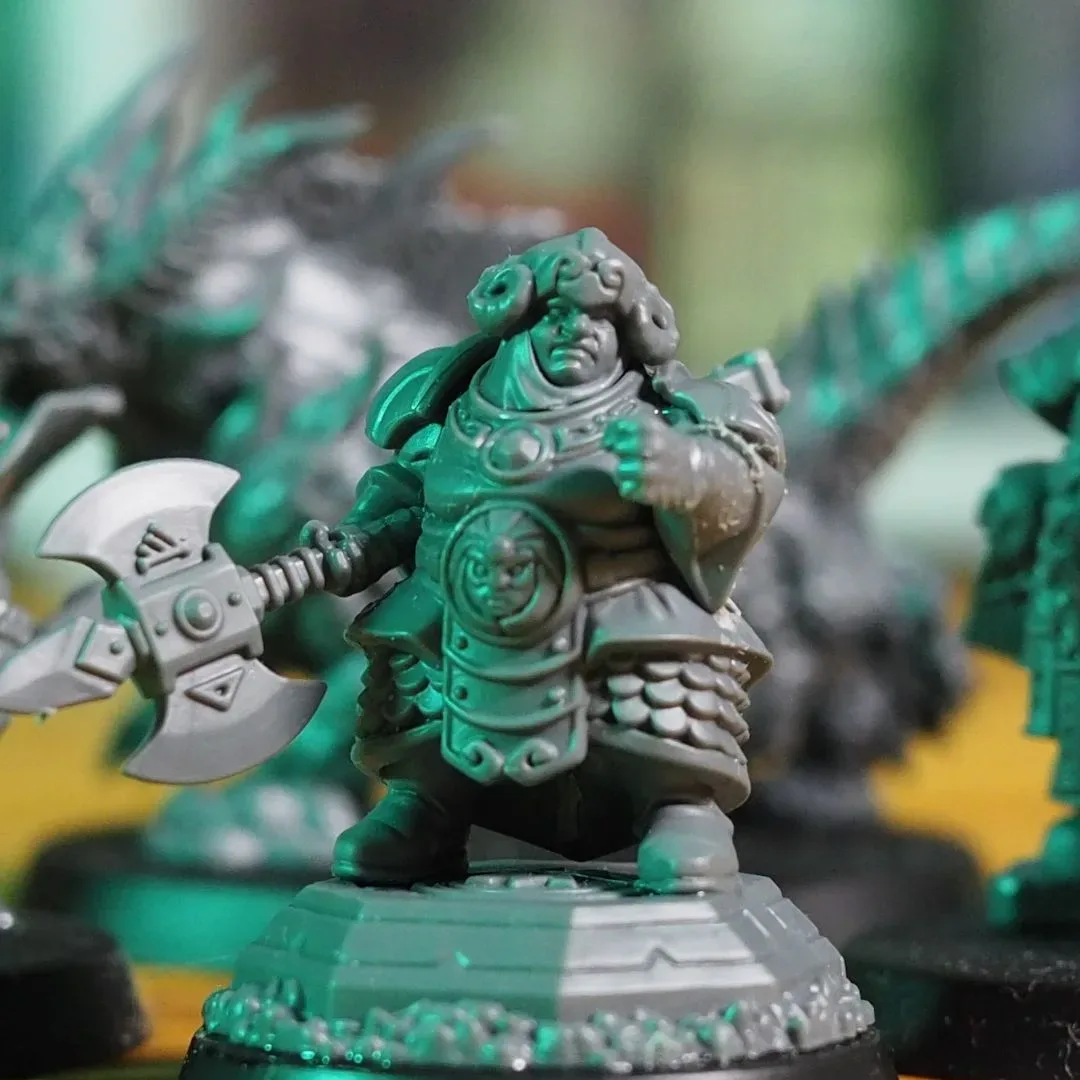
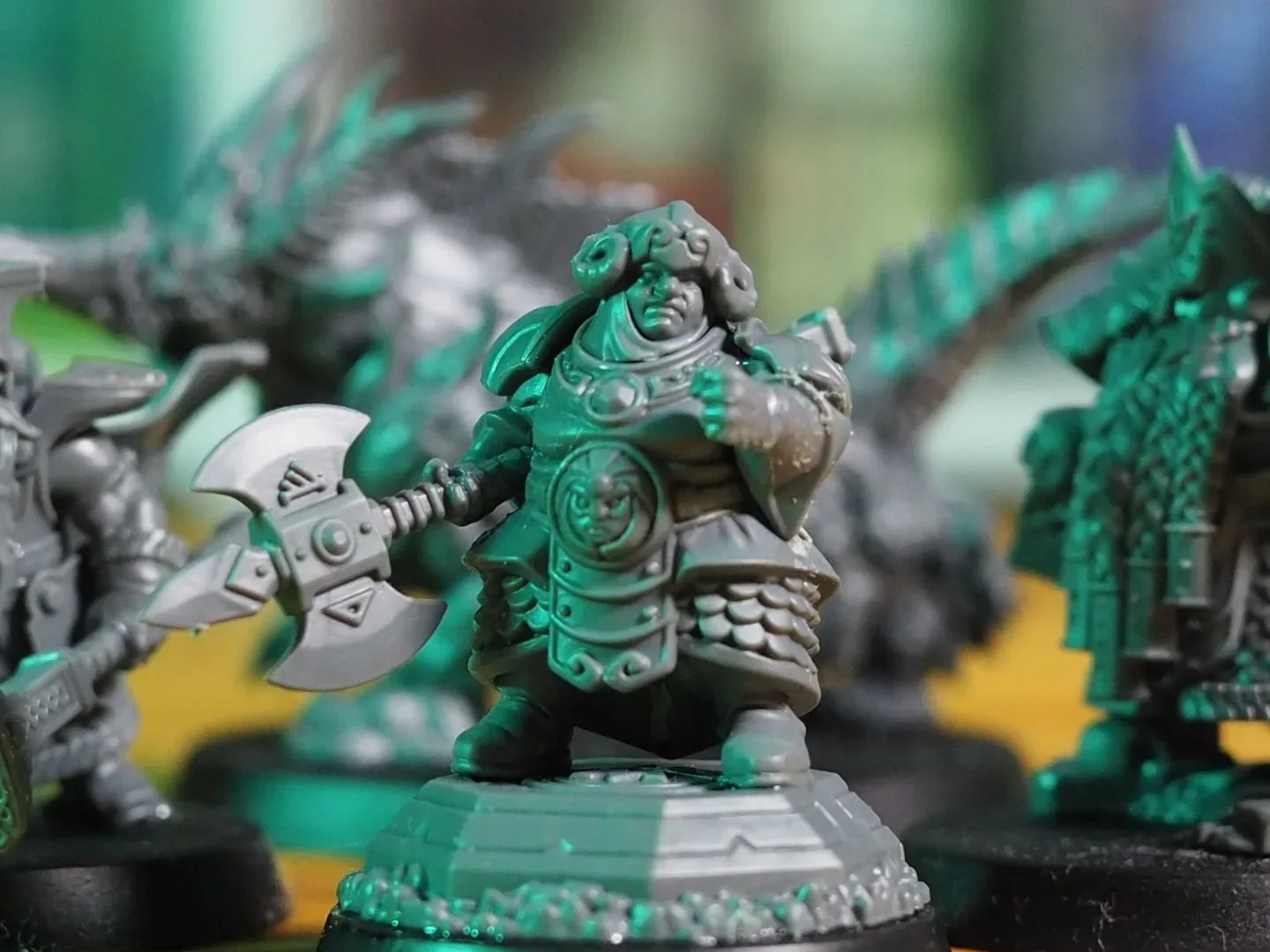
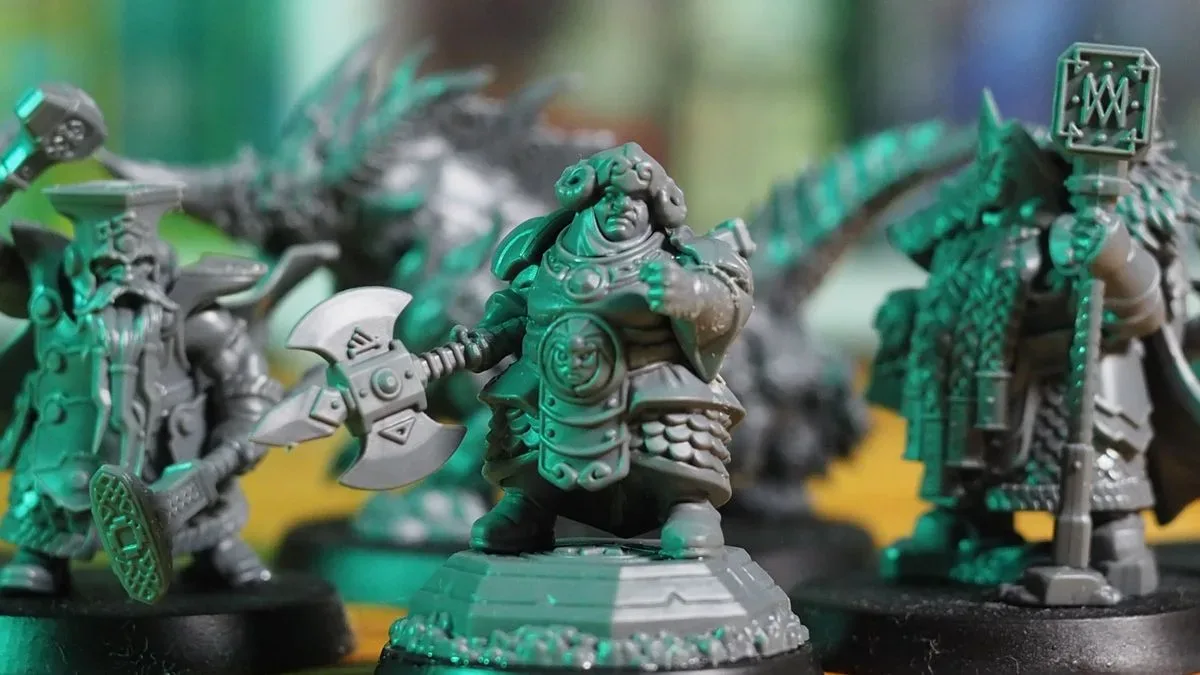
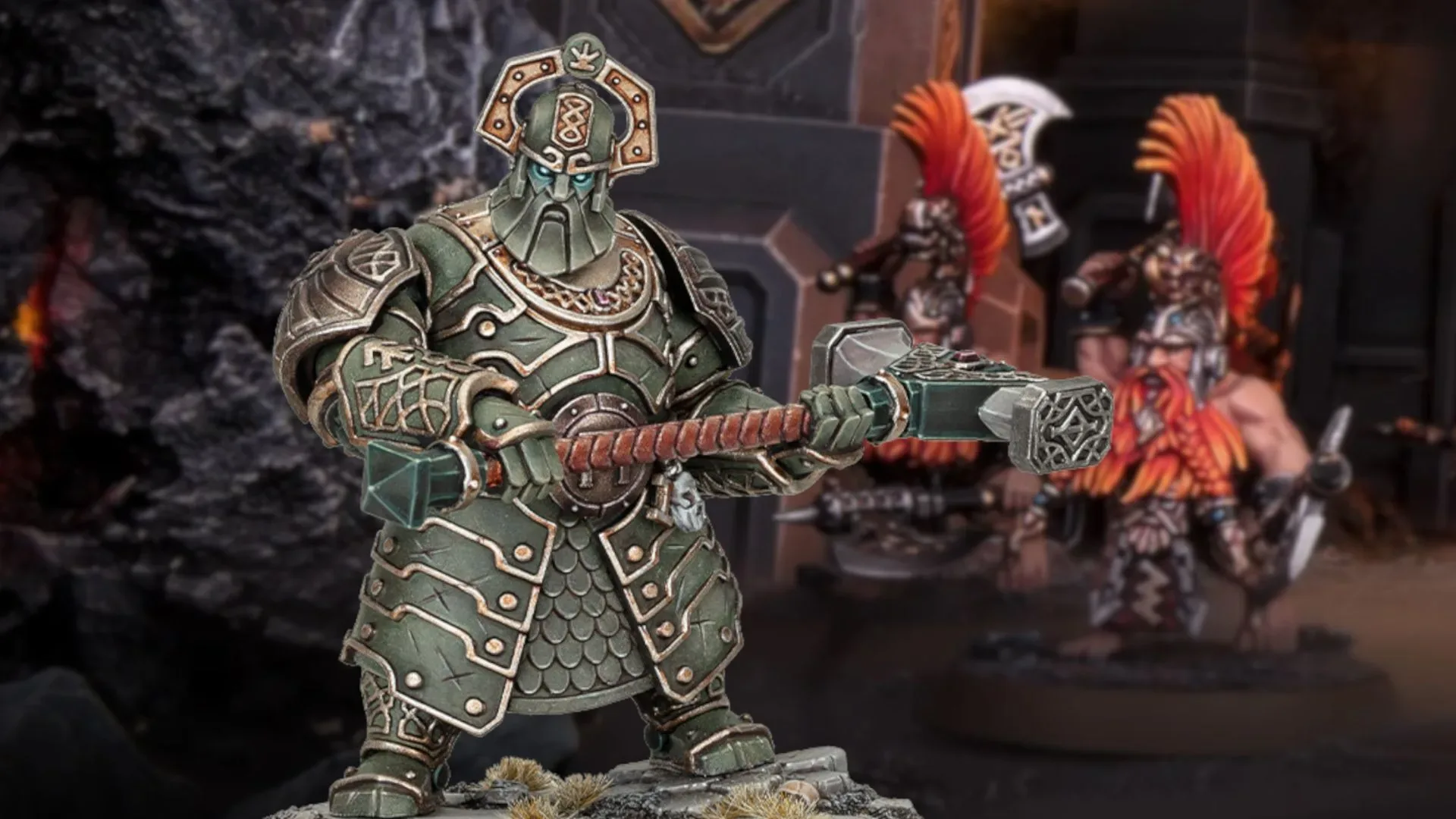
“Classic fantasy dwarves” can be a broad description, but the Khazalite Holds seem to lean into a very identifiable set of visual cues: compact, heavily equipped warriors; ornate helmets and masks; oversized weapons; fur; metalwork; and facial hair treated as an essential part of the silhouette rather than an afterthought.
For more context, explore B2K Reunites for ECLIPSE, Its First Studio Album in Nearly 24 Years.
Those decisions have practical value for a tabletop army. A miniature’s silhouette is the overall outline a viewer reads from across a gaming table. Distinct silhouettes make units easier to recognize quickly and give an army visual presence before someone notices individual decorations. The Khazalite approach appears to rely on broad, weighty shapes and prominent gear, which suits the idea of a durable, martial people without needing every model to become a complicated visual puzzle.
The range also demonstrates that a familiar archetype can still feel premium when its key details are coherent. Rather than treating the beard, hammer, mask and fur mantle as unrelated fantasy shorthand, the designs connect them into a consistent cultural language. That makes a difference for painters and collectors as well as players: a unified design vocabulary can make a force feel like an army rather than a shelf of individually impressive but mismatched miniatures.
For a wider view of the range and its emphasis on a traditional dwarf identity, see this Khazalite Holds overview.
The Thrynn makes the warleader role immediately legible
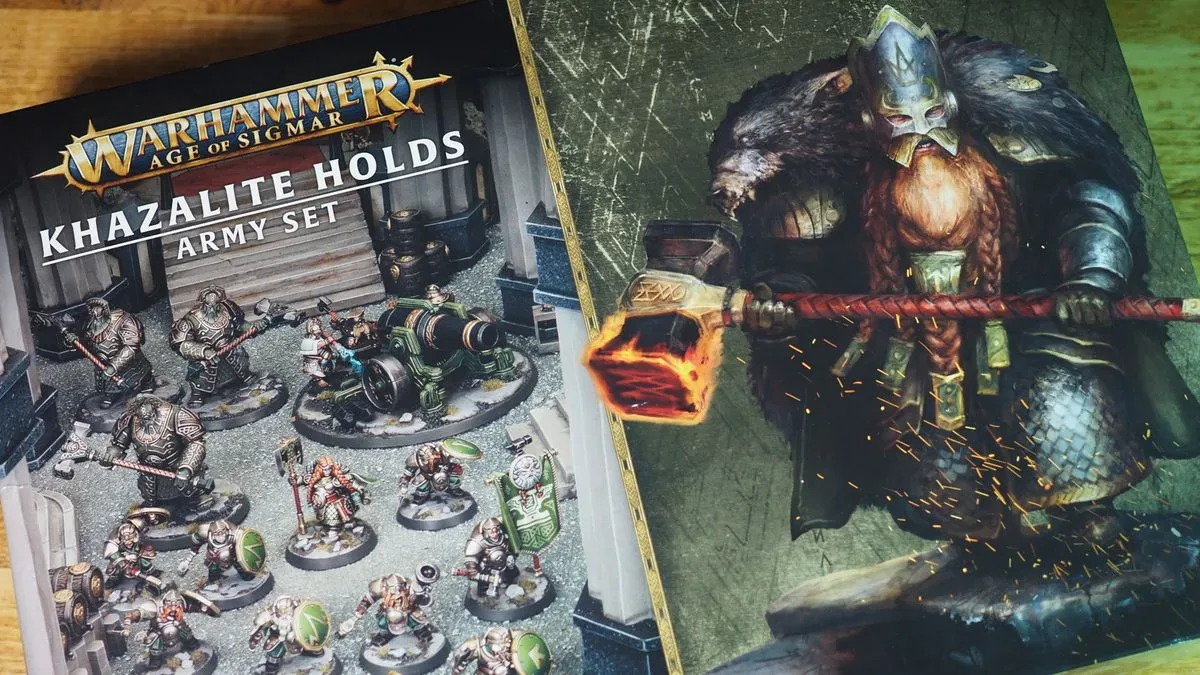
The Thrynn is a useful example of how the collection turns a simple character concept into a strong miniature. As a warleader, the model is built around authority: an imposing mask, a bear-skin cloak, a huge hammer and a deliberately powerful stance. None of those components is inherently unfamiliar, but they communicate the miniature’s role without requiring background knowledge.
This is an important miniature-design skill. Characters are often expected to carry more ornamentation than basic troops, but ornament alone does not automatically make a model read as important. A hero needs a focal point: an element that pulls the eye toward the miniature’s identity. On the Thrynn, the mask and weapon appear to do much of that work, while the cloak adds bulk and status. The beard, meanwhile, reinforces the faction’s core image.
There is also something appealingly confident about a leader miniature that does not need an acrobatic pose to appear formidable. A calm, solid posture can imply control and experience. That fits the stoic warrior-ruler ideal especially well. The character’s appeal comes from presence, not motion for its own sake.
Valayan Guardians bring movement to the line
If the Thrynn represents immovable authority, the Valayan Guardians provide a more active counterpoint. They have been described as carrying a Valkyrie-like quality while looking quicker and more dynamic than the lumbering image often attached to fantasy dwarves.
That dynamism is not just aesthetic. The unit’s cited ability lets it carve through enemies during a charge toward another target. In tabletop terms, this links the miniature’s pose and visual energy to what it is meant to do in play. When a unit’s rules and sculpt point in the same direction, it is easier for players to understand its battlefield role and more satisfying to imagine it carrying out that role.
A charge generally refers to a unit’s aggressive move into combat range. The ability described for the Guardians suggests a force that is not merely advancing to collide with an opponent, but is capable of maintaining offensive momentum as it heads onward. Even without further rules detail, the theme is clear: these warriors are designed to feel like they can press through resistance instead of becoming a static wall of armor.
For hobbyists, the Guardians may also be one of the range’s most appealing painting projects. Their combination of martial equipment and more flowing, mythic styling creates clear opportunities for contrast: bright armor against darker cloth, pale fur against metallic surfaces, or a more dramatic palette that emphasizes the Valkyrie-inspired feel. Those are possibilities rather than prescribed schemes, but the sculpted details appear to give painters plenty of obvious areas to separate materials and colors.
High King Valankrom is where the range gets wonderfully strange
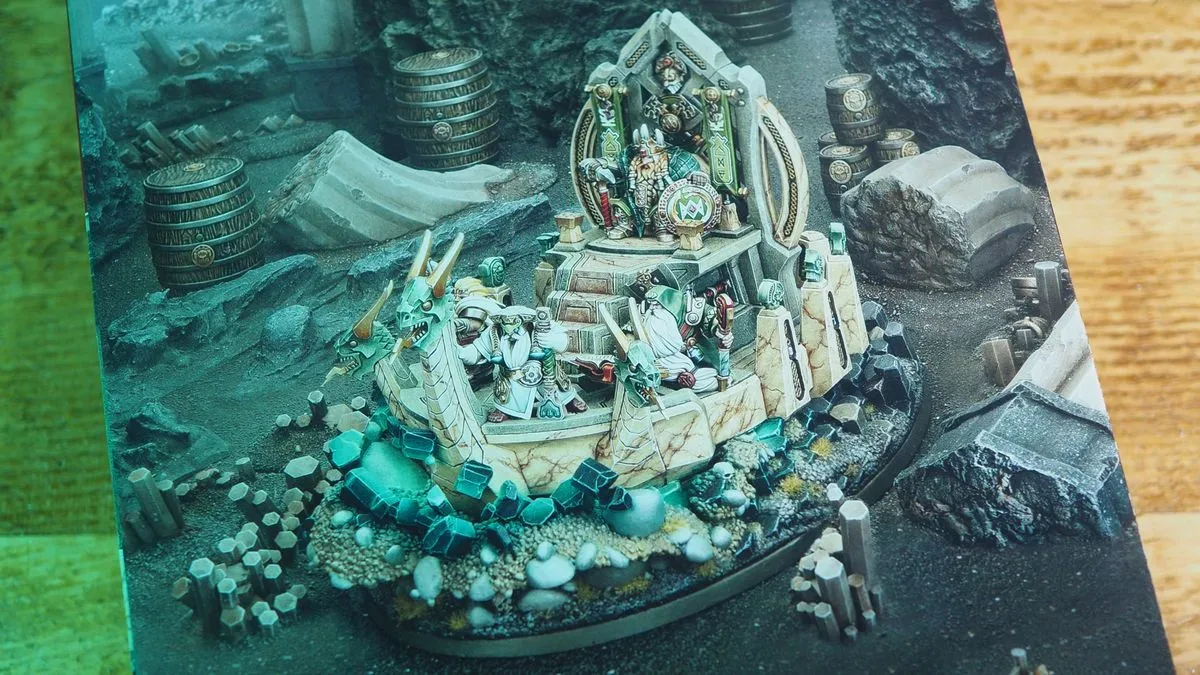
The standout is High King Valankrom, a centerpiece that appears to combine traditional dwarf imagery with the extravagant creative logic for which Age of Sigmar can be at its most memorable. The model places its leader on a marble boat that travels through earth rather than water, making the miniature as much a small scene as a single figure.
That is the range’s biggest leap beyond safe fantasy tradition. A dwarf king on an elaborate vessel can evoke a saga-like, Viking-adjacent grandeur, but a stone craft moving through solid ground gives the piece a surreal fantasy premise. It changes the question from “what armor is this character wearing?” to “what exactly is this impossible procession, and what kind of world makes it possible?” A great centerpiece invites that kind of curiosity.
The miniature has also been characterized as diorama-like. A diorama is a three-dimensional scene intended to tell a story through figures, props, terrain and composition. In miniature wargaming, a centerpiece can function as a diorama even when it remains a game piece: it creates a narrative moment, establishes scale and provides many small areas for a painter to explore.
Valankrom’s detail is said to include lore hints and concealed elements throughout the sculpt. That kind of density can reward close inspection, but it also raises the hobby challenge. More surfaces mean more decisions about material, texture, shadows and focal points. The central king, the vessel and the environmental effects all need enough contrast that the finished model reads clearly rather than blending into a single busy mass.
For collectors who prefer one ambitious project over building a full army immediately, a centerpiece like this can be particularly compelling. It offers a display-oriented experience without abandoning the visual identity of the wider force. For players, it gives the army an unmistakable visual anchor.
Why a “safer” faction can still be a welcome addition
There is a fair critical observation at the heart of the Khazalite Holds: much of the range takes fewer visual risks than Age of Sigmar’s most eccentric factions. That is not a flaw that needs to be argued away. Fans who come to the setting specifically for bizarre concepts may find the basic dwarf language less surprising than a faction built around an entirely unconventional idea.
But a game setting benefits from contrast. If every army tried to outdo the last with stranger concepts, individual designs could lose their ability to stand out. The Khazalite Holds instead make a case for refinement. Their ordinary troops establish a dependable fantasy baseline, allowing their more unusual elements—especially Valankrom’s earth-sailing marble craft—to land with greater force.
It is also a reminder that accessibility has aesthetic value. A newcomer can understand the broad pitch immediately: these are dwarven warriors with commanding leaders and an ancient, martial grandeur. That clarity can make the faction attractive to someone who likes the visual world of fantasy miniatures but does not necessarily want every army to require extensive setting explanation before its identity clicks.
What pre-orders mean for prospective hobbyists
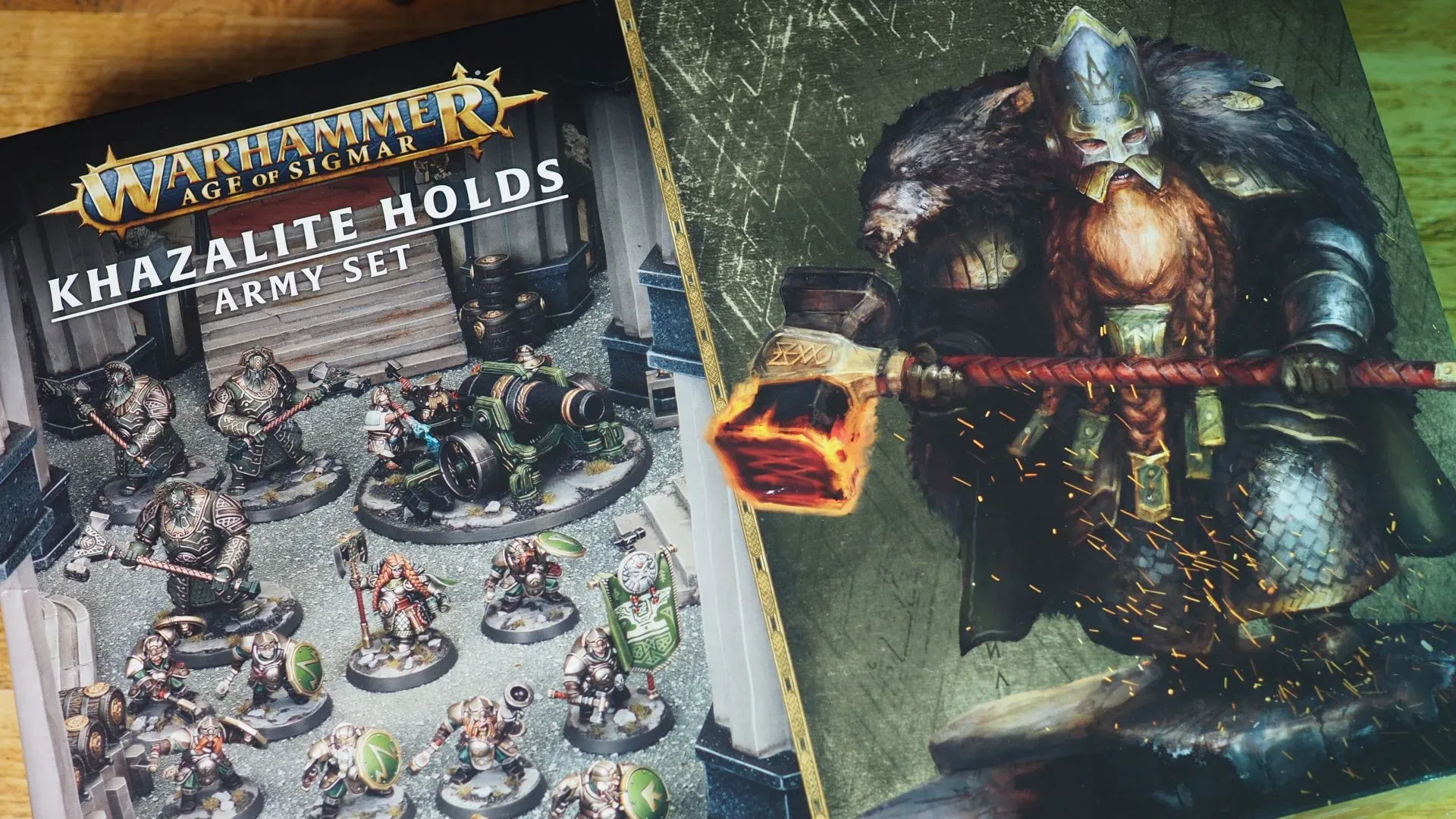
The Khazalite Holds range has entered its pre-order period through the official Warhammer store. Retail availability and discounts can vary, and independent retailers may sometimes offer reduced prices after or alongside official ordering windows. One cited example places the Army Set at $30 less through Miniature Market, though shoppers should confirm current listings, regional availability and final costs before committing.
An Army Set is typically a bundled product intended to provide a foundation for starting or expanding a force. The supplied information does not list its contents, so prospective buyers should check the product description rather than assume which units, rules materials or accessories are included.
That caution applies to any new miniature release. A range can be visually persuasive, but the most useful first purchase depends on what someone wants from it. A player may prioritize models that form a functional force; a painter may be more interested in the most detailed character; and a display collector may regard the High King as the obvious focal point. The Khazalite Holds seem well positioned to serve all three audiences, but they will not necessarily begin with the same box.
A strong argument for Age of Sigmar’s miniature design
The Khazalite Holds do not need to reinvent dwarves to make an impression. Their most successful miniatures show a precise understanding of why the dwarf archetype has endured: durability, craftsmanship, martial pride, hierarchy and an unmistakable physical presence. The Thrynn turns those qualities into a formidable commander. The Valayan Guardians add speed and aggression. High King Valankrom then breaks the expected frame with a centerpiece whose marble vessel sails through the earth.
That progression—from familiar troops, to distinct heroes, to a strange and lavish centerpiece—is what gives the range its strength. It offers an approachable visual identity while leaving room for Age of Sigmar’s more audacious side to emerge. For miniature fans who want finely realized traditional fantasy with one foot planted in the bizarre, the Khazalite Holds make a persuasive case.