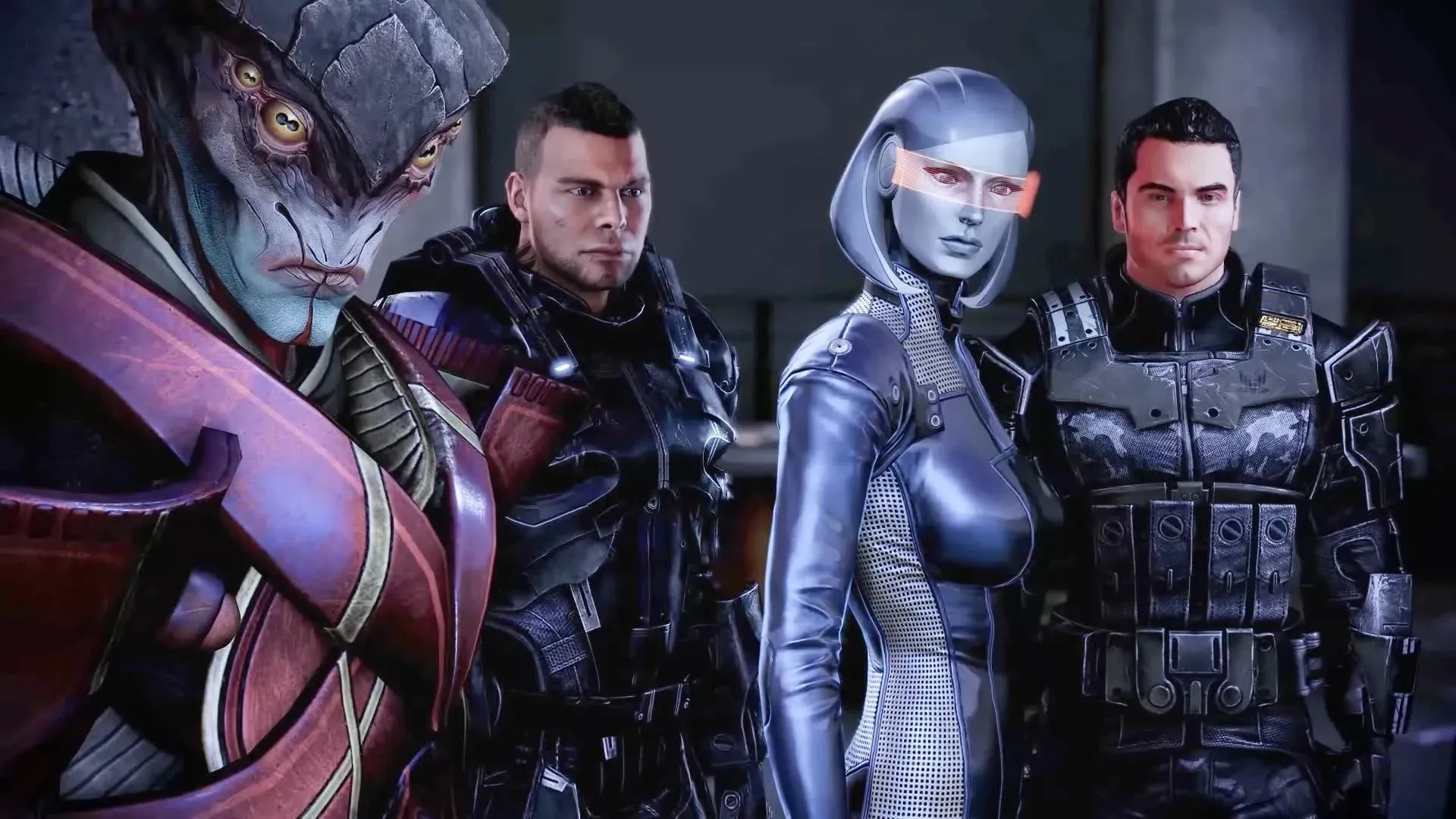
Mass Effect: Universe may have been canceled while still in its early concept stage, but its writers were not treating the original trilogy as ancient space dust to be swept beneath a very large galactic rug. Catherynne M. Valente, who worked on the project, has said the team was developing fates and possible variations for the series’ established squadmates so players could learn what happened in the roughly 600 years separating the Reaper War from Universe.
That is a significant detail for a project facing one of Mass Effect’s most persistent storytelling problems: how do you move far into the future without pretending that the player’s choices, relationships, losses, and favorite crewmates never happened?
Valente has remained limited in what she can discuss, and nothing described here should be read as confirmation that a particular character was definitely set to appear. Still, her comments paint a clearer picture of the narrative work underway before BioWare was shut down and the game was canceled. The plan was not merely to place a familiar face in a trailer and hope nostalgia did the heavy lifting. It included a structured effort to account for former squadmates, their survivability, and the ways prior decisions could affect their stories.
A 600-year jump does not erase continuity
Universe’s apparent leap of about six centuries made it a natural candidate for a fresh setting and new conflicts. It also created a practical buffer from Mass Effect 3’s radically different endings. But a large gap is not the same thing as a clean slate, especially in a series whose appeal rests heavily on the bonds players formed aboard the Normandy.
Some characters are particularly suited to bridge that distance. Liara T’Soni had already been confirmed for the canceled game. As an asari, she is from a notably long-lived species, and the existing games generally leave her alive unless the player reaches a bad ending in Mass Effect 3. Her return would have supplied a direct emotional and historical link to Shepard’s era without requiring the new game to immediately resolve the status of every former crewmate.
But Valente’s comments suggest the writing room looked beyond the most obvious survivor. She said the team considered whether characters who could physically still be alive might be allowed to survive into the new game, then made decisions about them. That wording matters. It does not promise cameos from every enduring ally; rather, it indicates that the creators actively considered each person’s circumstances instead of treating the intervening centuries as a convenient excuse to avoid the question.
“Any character who physically could survive, we considered allowing to survive into the new game and made decisions on them,” Valente said.
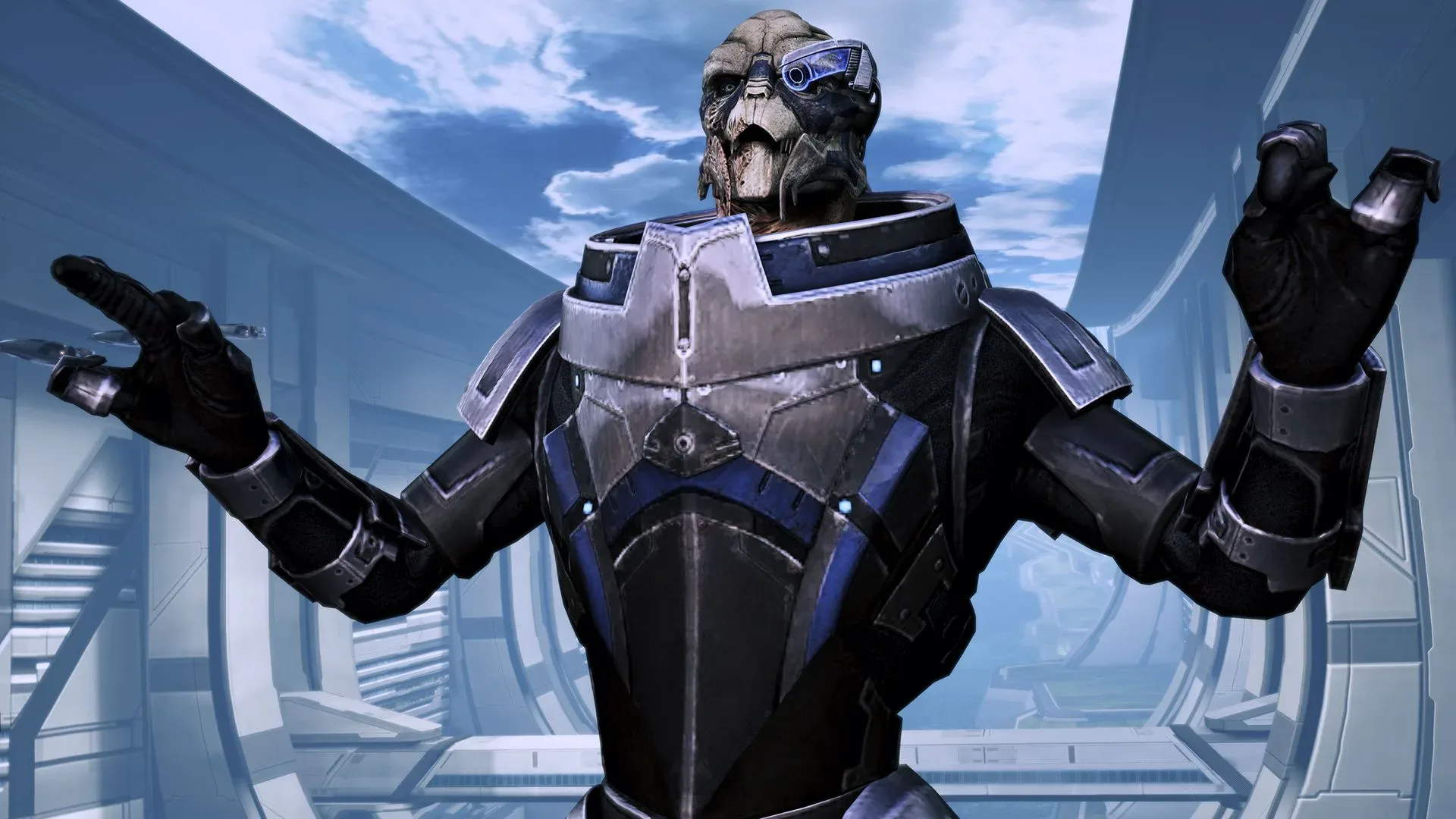
That group could naturally include Grunt, the krogan squadmate associated with the longer-lived krogan species. EDI presents a different kind of continuity question: she is an advanced AI, so her potential survival depends not on biological aging but on the player’s Mass Effect 3 ending. If synthetic life was destroyed, EDI’s status changes accordingly. Valente did not confirm either character’s appearance, and fans should resist translating “considered” into “locked in.” Yet their examples help explain the kind of continuity puzzle Universe was attempting to solve.
Related coverage includes Canceled Mass Effect: Universe Had Plans to Resolve Old Squadmate Fates.
What “possible variations” means in a Mass Effect story
Valente said one of her assignments was writing the fates of past squadmates and their possible variations. In plain terms, a variation is a version of an outcome that changes based on prior player choices or other story conditions. It is not simply a single official answer imposed on every player’s save history.
That approach is especially important after Mass Effect 3, where players can reach divergent conclusions with major implications for organics, synthetics, and the galaxy’s future. A follow-up set centuries later would still need to decide how much of that divergence could be represented directly, how much would be communicated through history or character accounts, and how much would remain personal to the player’s interpretation.
The fact that Valente was writing outcomes, rather than only one-line references, suggests the team recognized this as more than a lore checklist. An old squadmate’s fate can establish the tone of the new era. It can show whether their values endured, whether a friendship or romance had a lasting impact, or whether galactic history turned a private companion into a public legend. In a series built around companions, these details would have been narrative connective tissue.
There is, however, an essential limitation. Valente explained that the material was submitted to the team, workshopped, and sent upward for approval, and that some items were still awaiting approval when she went on hiatus. She said many had received approval, but not all of the work had reached a final, settled state. Because Universe was canceled in concept development, its drafts and discussions should not be mistaken for a completed, definitive canon document.
That distinction is worth preserving. Fans now know that careful continuity work was underway. They do not know every precise outcome, which alternatives were approved, or how the information would have been delivered in the final game.
Why the fate of the squad mattered so much
Mass Effect’s crew was never just a roster of combat abilities. The original trilogy encouraged players to form loyalties, pursue relationships, make painful calls, and watch companions change through a prolonged conflict. A future-set sequel that ignored those people entirely could make the timeline feel technically connected but emotionally detached.
Valente’s description of the task captures the pressure of the assignment. She compared it to being asked to add a careful border to the Shroud of Turin, a metaphor for working reverently around something that fans hold deeply important. Her point was not that every individual fan preference could be fulfilled. That would be impossible in a series defined by branching choices. It was that the writers regarded these characters and their possible endings as material that needed close attention.
This is also a reminder that continuity is not the same as simple fan service. Bringing back a familiar character can be rewarding, but only if their presence has a credible place in the new story. A 600-year interval asks difficult questions: Who could survive? Who would want to? What institutions, legends, records, or consequences would they leave behind if they did not? And how can the game acknowledge distinct player histories without burying a new protagonist’s adventure beneath several centuries of optional reading?
Universe apparently intended to answer at least some of those questions. The format remains unknown. These fates might have emerged through direct encounters, dialogue, codex-style lore, messages, archives, or other in-world storytelling. No confirmed delivery method has been described, so any claim beyond “players would have been able to find out” would be speculation.
New aliens were also in the works
Valente additionally indicated that new alien races were being developed for Universe. That detail points toward an attempted balance between legacy and expansion: established characters and the consequences of the trilogy on one hand, new civilizations on the other.
The prospect is notable because Mass Effect: Andromeda introduced the angara as its one new alien race. New species can do more than add visual variety. They can reshape a setting’s politics, provide unfamiliar moral frameworks, and give players a reason to learn the rules of a new society rather than only revisit old ones. With Universe no longer moving forward, there is no reliable basis to identify those planned races or say how substantial their role would have been.
Still, the combination of new species and carefully mapped legacy characters reveals an understandable creative ambition. Universe was apparently meant to look forward while remaining accountable to the series’ history. That is a hard needle to thread for any role-playing sequel, particularly one inheriting a story whose endings diverge.
What fans can responsibly take from these comments
The strongest takeaway is not a roster prediction. Liara was confirmed, but Grunt, EDI, and other surviving characters were subjects of deliberation rather than confirmed returns. Nor is this a promise that every fan’s preferred outcome had been enshrined before the cancellation.
- Universe was planned as a continuation with memory: the writers were accounting for the original squad rather than leaving their futures wholly blank.
- Branching outcomes were part of the work: Valente described writing possible variations, reflecting the series’ player-driven history.
- Some material remained provisional: internal workshopping and approval were still in progress, so not all drafted fates were final.
- The project had room for novelty: new alien races were also being conceived, though no details have been confirmed.
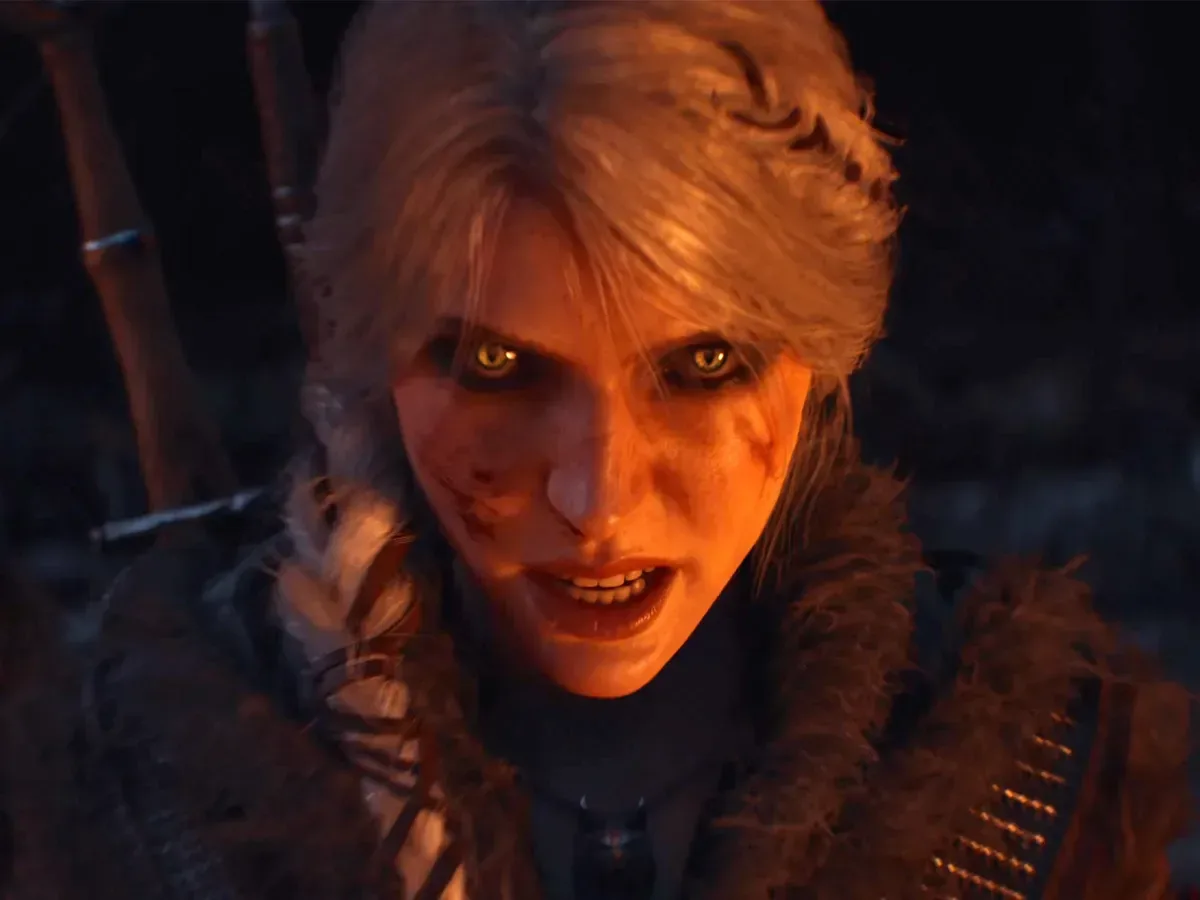
For now, the canceled game remains a tantalizing glimpse of an unwritten chapter: one where the galaxy moved hundreds of years beyond Shepard, but did not forget the people who helped define that story. The wider RPG sequel conversation continues elsewhere too, including PlayStation and CD Projekt Red’s The Witcher 4 marketing campaign, but Universe’s particular challenge was always unusually personal. Its writers were dealing with companions players had carried with them for years.
Valente’s comments do not restore the game or reveal its full lost script. They do, however, offer reassurance that the question fans most wanted asked—what became of the crew after the Reaper War—was being treated as a central creative responsibility, not an inconvenient piece of old business.