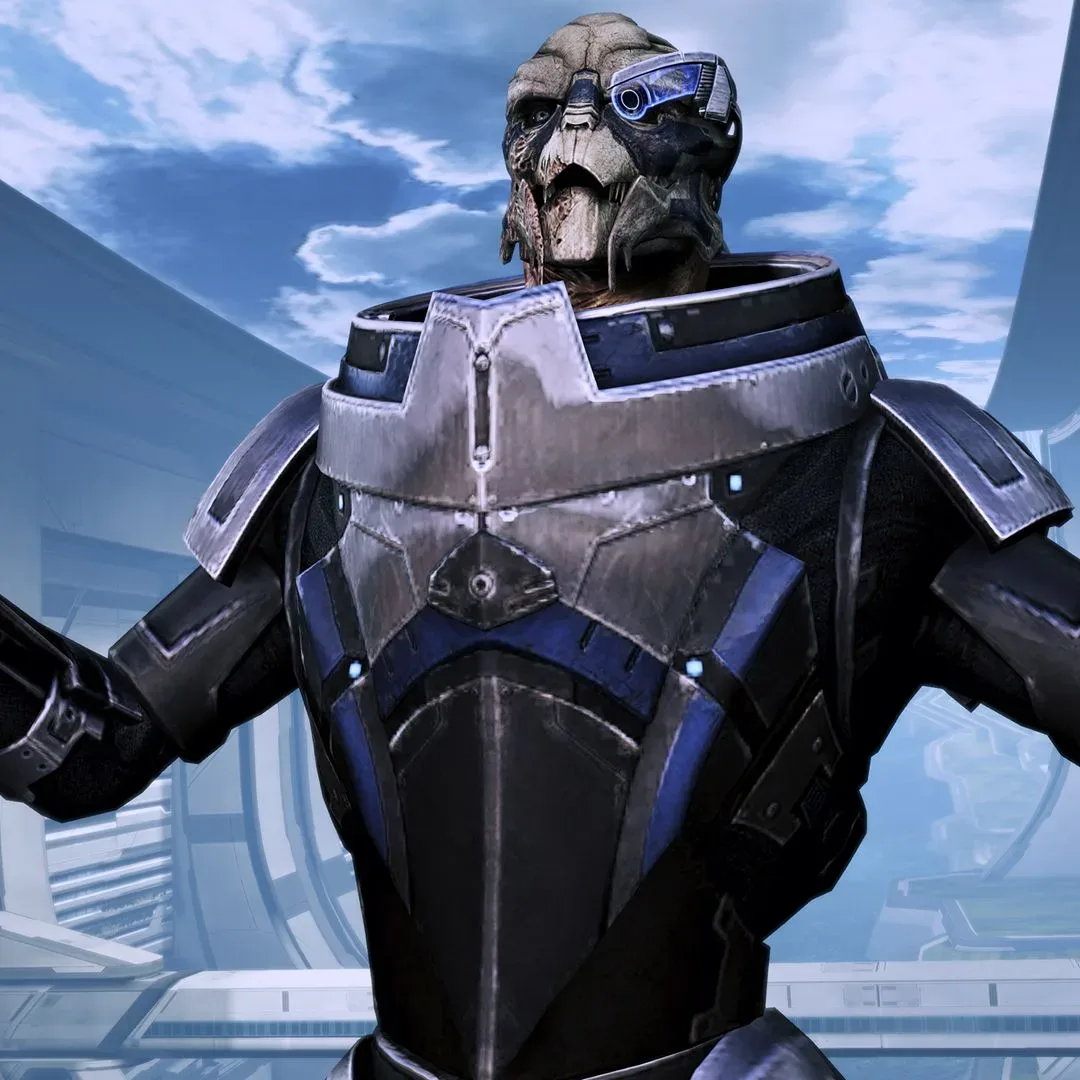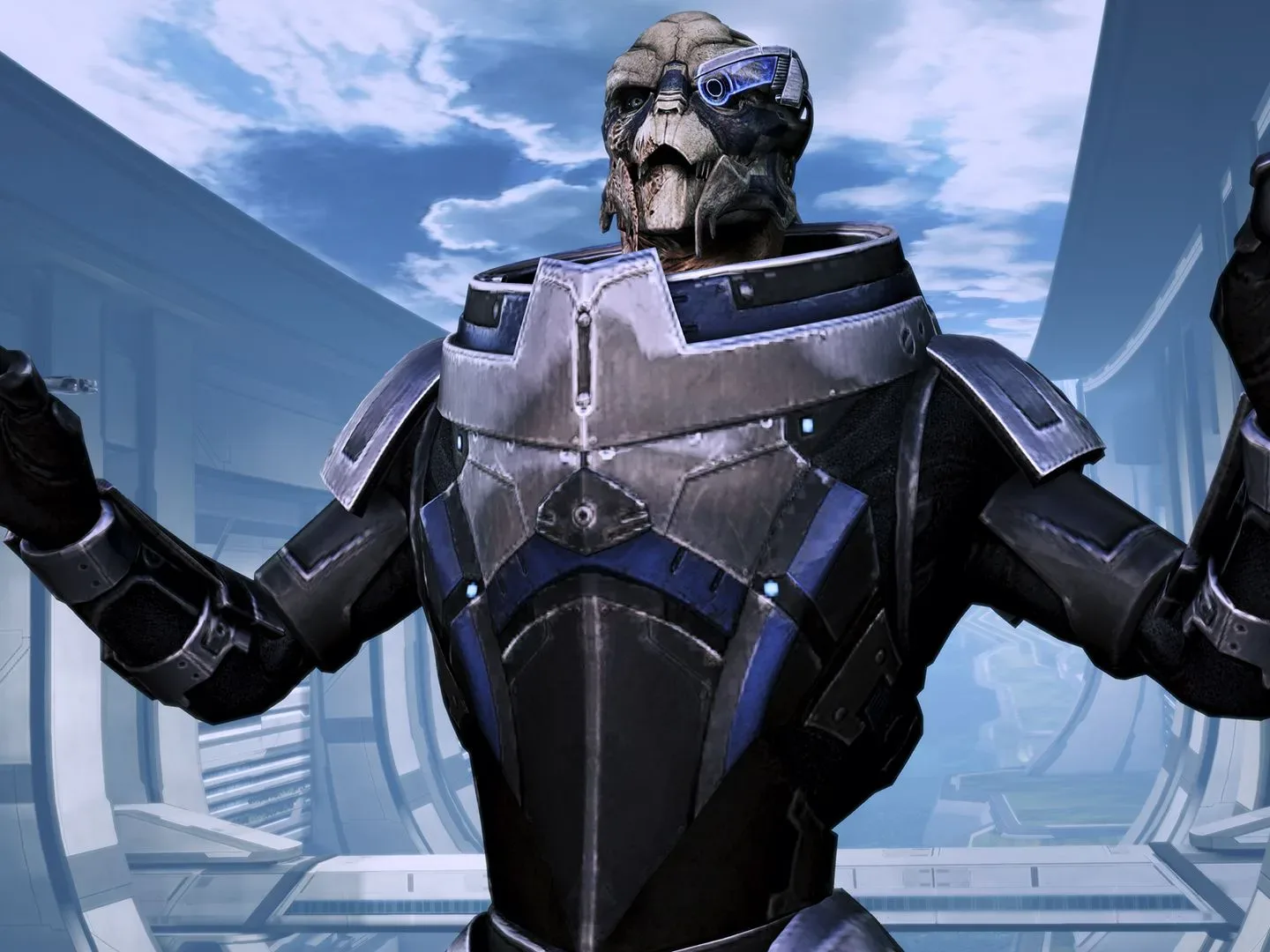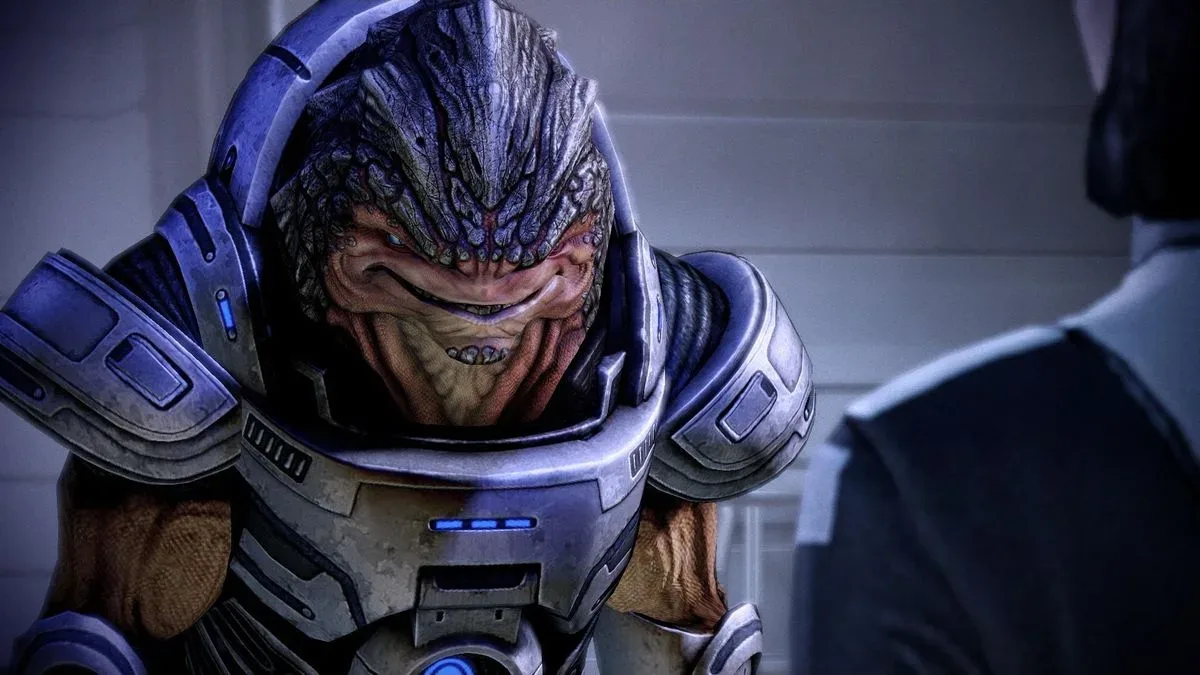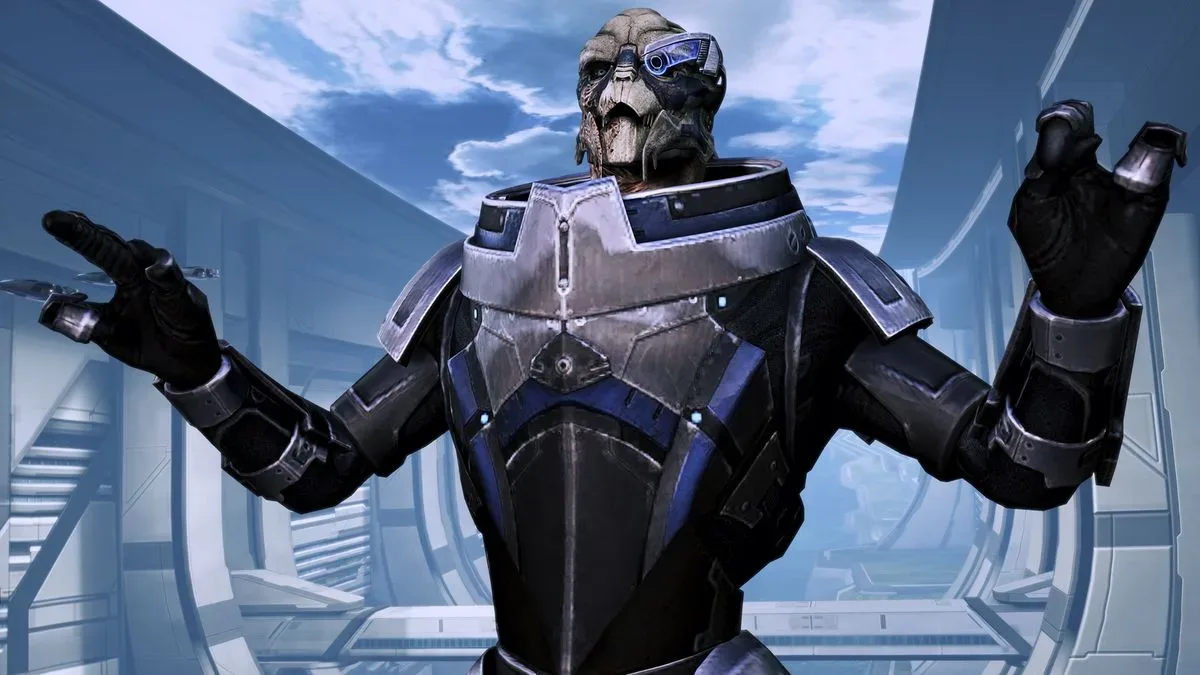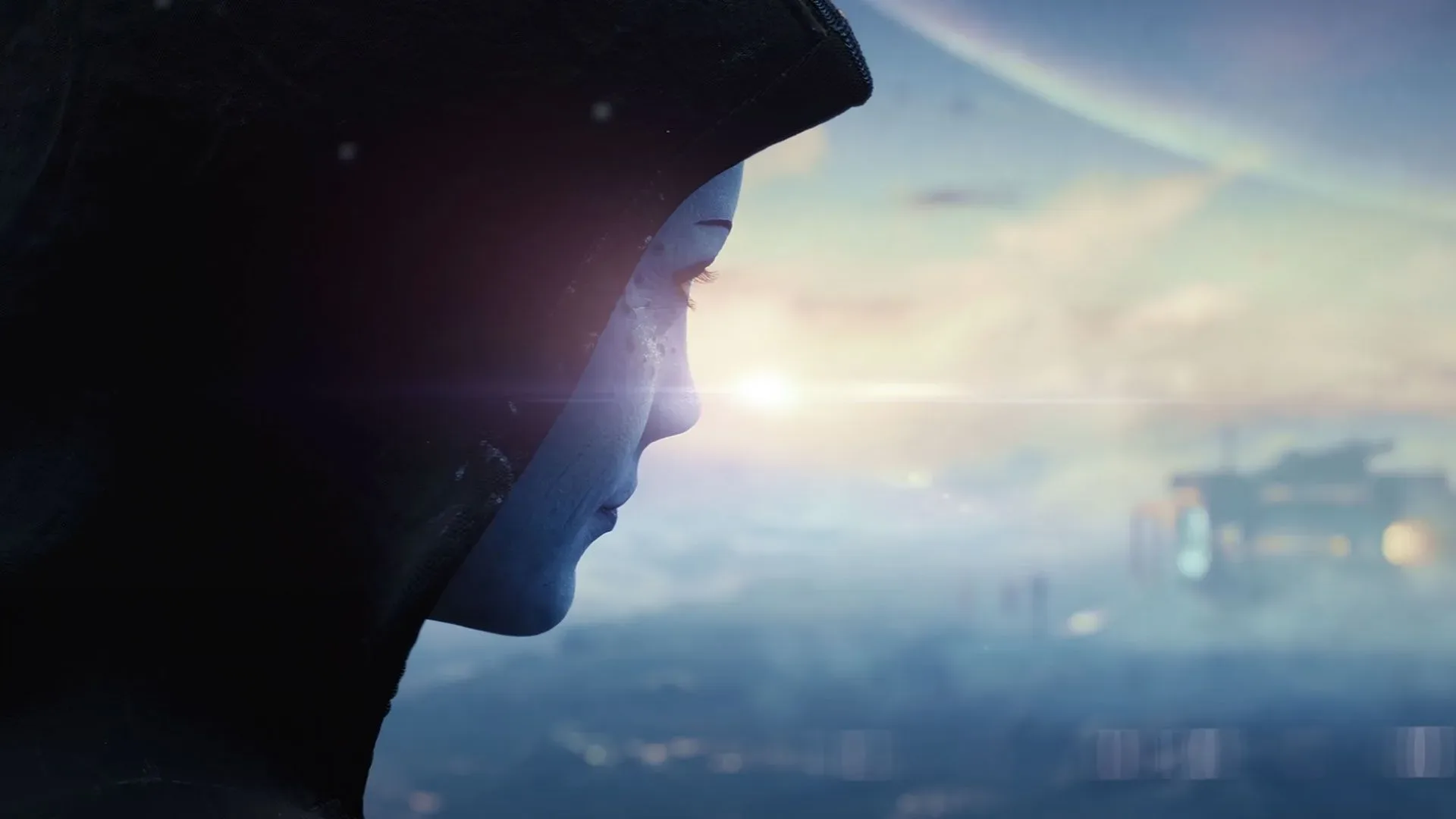
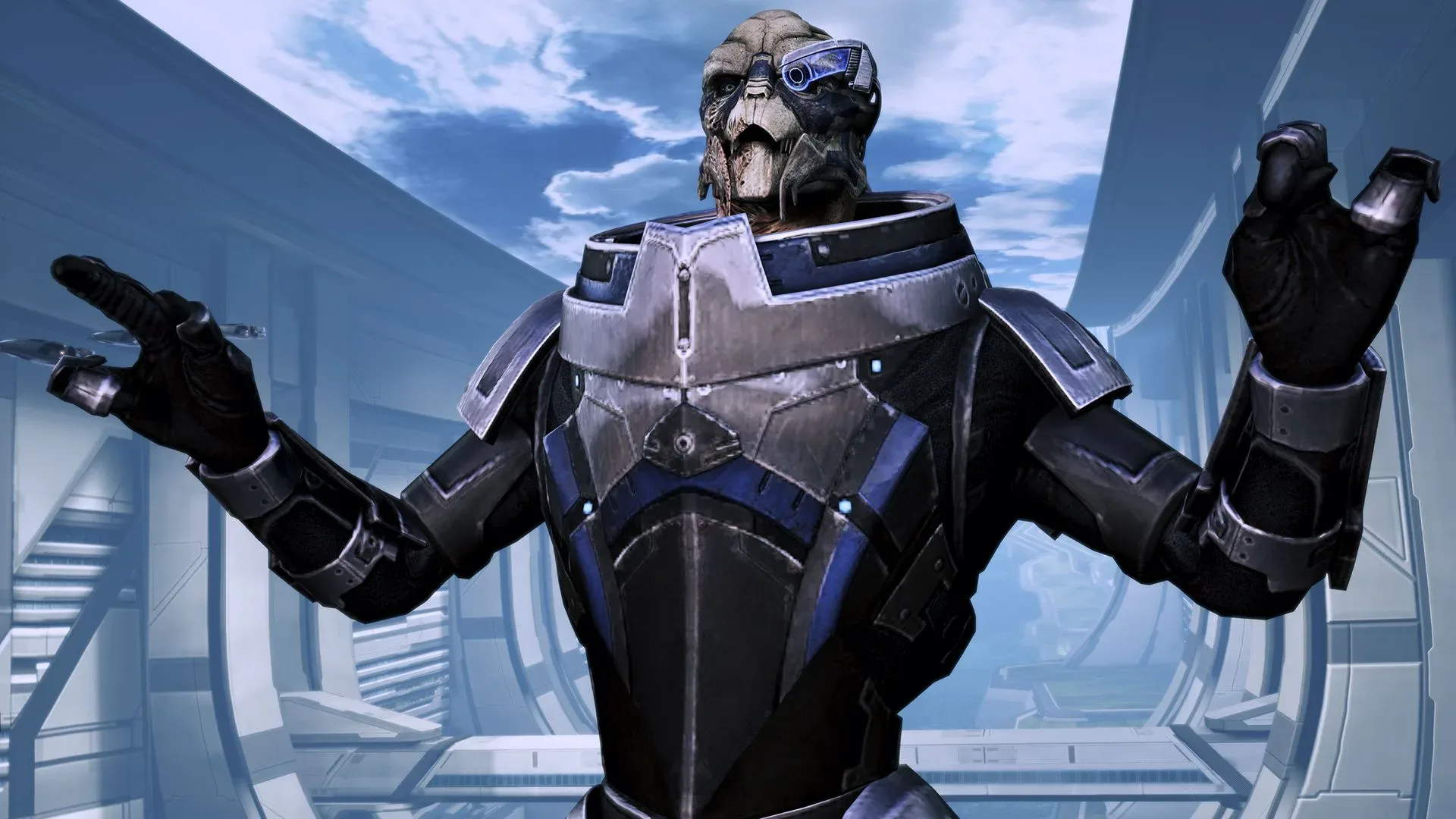
A follow-up to Mass Effect 3 would have faced a question almost as large as the Reapers themselves: how do you begin a new story after an ending built around dramatically different player decisions?
Catherynne M. Valente, who worked on the unfinished Mass Effect Universe project, has offered a limited but revealing account of the team’s effort. Her description does not disclose the project’s story, setting, systems, or final planned structure. Much of that remains protected by non-disclosure agreements, and she stresses that the game was still far from complete. But it does establish the central writing goal: acknowledge the endings and the meaning players attached to them without treating one group’s choices as the only ones that mattered.
That is a much more demanding assignment than simply selecting a single canon outcome and carrying on. Valente says the team spent substantial time seeking an approach that would not leave players feeling their decisions had been erased, while still allowing a playable, coherent mainstream game to move forward.
The problem was never merely continuity
In a branching role-playing game, continuity means the accumulated facts a sequel must recognize: events, character outcomes, political states, and player decisions. The challenge after Mass Effect 3 is that the ending choices were not minor variations around the same destination. Players experienced them as fundamental statements about the galaxy and their Commander Shepard’s story.
For more context, explore Lil Uzi Vert Says the Next Album Is an ‘Audio Movie’ Meant to Be Heard Straight Through.
That makes a canonical sequel path risky. Declaring one ending to be the definitive history can simplify production, but it also tells players who chose differently that the version they completed no longer has equal standing in the continuing fiction. Valente specifically pushes back on the notion that the Destroy ending could simply be made canonical. She notes that players can be deeply attached to other conclusions, including Synthesis.
This is the distinction at the heart of her comments: preserving choice is not only a matter of displaying an old save-file decision in a menu. It is about preserving the perceived narrative impact of that decision. A sequel can technically remember a choice while making it functionally irrelevant. The team was apparently trying to avoid that weaker form of acknowledgement.
Not one answer, but several working together
The clearest new detail is also the most carefully bounded. Valente says the project’s solution was not singular. It involved “several” approaches working together.
Related coverage includes Canceled Mass Effect Universe Reportedly Sought a Multi-Part Answer to Mass Effect 3's Endings.
That should not be read as confirmation of any particular device, plot twist, timeline structure, or gameplay system. None is specified. It does, however, suggest the writers did not expect one clean narrative maneuver to resolve every tension created by the endings. The phrasing points toward a layered design problem: player choice, story readability, technical limits, production approval, and the need for a new conflict all had to coexist.
Valente describes the desired result as an elegant solution that current game technology could support, that leadership could approve, and that would not overwhelm the entire game. This is an important practical limitation. A solution may be emotionally satisfying on paper but become unworkable if it requires every mission, conversation, character relationship, and world state to split into too many incompatible versions.
That concern is often called branching complexity. Every meaningful divergence can require more writing, art, design, testing, performance capture, localization, and quality assurance. It can also make it harder to keep a story’s pacing and theme coherent. A follow-up has to recognize what came before, but it also needs enough common ground for its own characters and stakes to develop.
Valente’s description frames the team’s work as a search for that common ground without reducing past decisions to decorative trivia. It is a balancing act, not a magic trick.
Why “make one ending canon” is not a neutral fix
Fans often use “canon” as shorthand for the official version of events. In a series with player-authored choices, though, canon can carry a sharper implication: somebody’s ending is being elevated while another person’s is being demoted.
There are obvious reasons a studio might favor a single continuity. It creates a stable foundation for future scripts and avoids explaining radically different galactic conditions in every scene. But Valente’s comments show why that route was not seen as sufficient for Mass Effect Universe. The team was trying not to privilege one type of player over another.
That ambition does not mean every outcome could necessarily receive identical detail or consequences. Valente is candid that satisfying everyone is impossible, especially around endings that inspired strong and sometimes conflicting reactions. The stated target was more modest and more realistic: avoid making people feel that nothing they did mattered, even if no solution could eliminate all disagreement.
It is also worth separating two ideas that can get blurred in fan discussion:
- Player validation means treating a decision as meaningful within the game’s continuing world.
- Player preference means giving every audience member exactly the future story they would personally choose.
The first is an achievable design objective, albeit a difficult one. The second is not. Valente’s account is about pursuing validation across several ending paths, not promising an outcome that would perfectly meet every expectation.
A writing challenge shaped by production reality
Valente’s remarks are unusually useful because they do not romanticize the task. Her comparison is not to an unlimited novel but to a commercial playable game. That difference matters.
A novel can devote enormous space to alternate viewpoints, competing histories, and elaborate explanations. A game must also decide what the player does minute to minute, how choices are communicated, where scenes converge, and how much information can be introduced without derailing the experience. It must work within schedules and approvals as well as narrative ambition.
In that sense, the ending problem was both a storytelling problem and a production problem. A team could devise a beautiful explanation that makes philosophical sense but cannot be implemented within a game’s scope. Conversely, it could build an easy-to-produce answer that feels dismissive to players. The solution Valente describes had to survive both tests.
Her “mops and buckets” characterization of the work captures the awkward position of inheriting a divisive finale. It is not an admission that the team regarded the original work as careless. In fact, she says she had the impression that the people behind the original endings were not trying to create a problem for its own sake. But later creators still have to reckon with the consequences of a story whose audience has already invested heavily in its own interpretations.
What remains unknown about Mass Effect Universe
The available details have firm limits. Valente cannot provide the project’s specific resolution, and she warns that an unfinished game can change substantially during development. Her positive assessment applies to the version of the concept that existed when she left, rather than to a final build that players could evaluate.
There is therefore no basis to claim that the project had solved the ending dilemma, that it would have used a particular canon, or that a future entry would necessarily adopt its ideas. The defensible takeaway is narrower: the team understood the controversy, deliberately worked on the issue for a long period, and arrived at a multi-part approach Valente believed respected fans’ investment while enabling a new story.
For additional reporting focused on that multi-part framing, this overview examines the same broad question.
Why the lost approach still matters
Mass Effect Universe may be unfinished, but the creative problem it wrestled with is enduring. Choice-driven series eventually confront an uncomfortable question: are decisions meaningful because they permanently determine the future, or because they made the original journey personal? A sequel rarely has the resources to make every prior branch expand forever. Yet a sequel that flattens everything into one approved path can undermine the promise that made those choices compelling.
Valente’s account points to a middle course. Rather than pretending the ending divide did not exist or selecting a winner, the effort was to create a structure with multiple parts that could carry forward several forms of player investment. Whether any hypothetical final version could have landed that balancing act is unknowable. But the intent is clear: the new game was meant to tell its own coherent story without asking players to pretend their ending never happened.