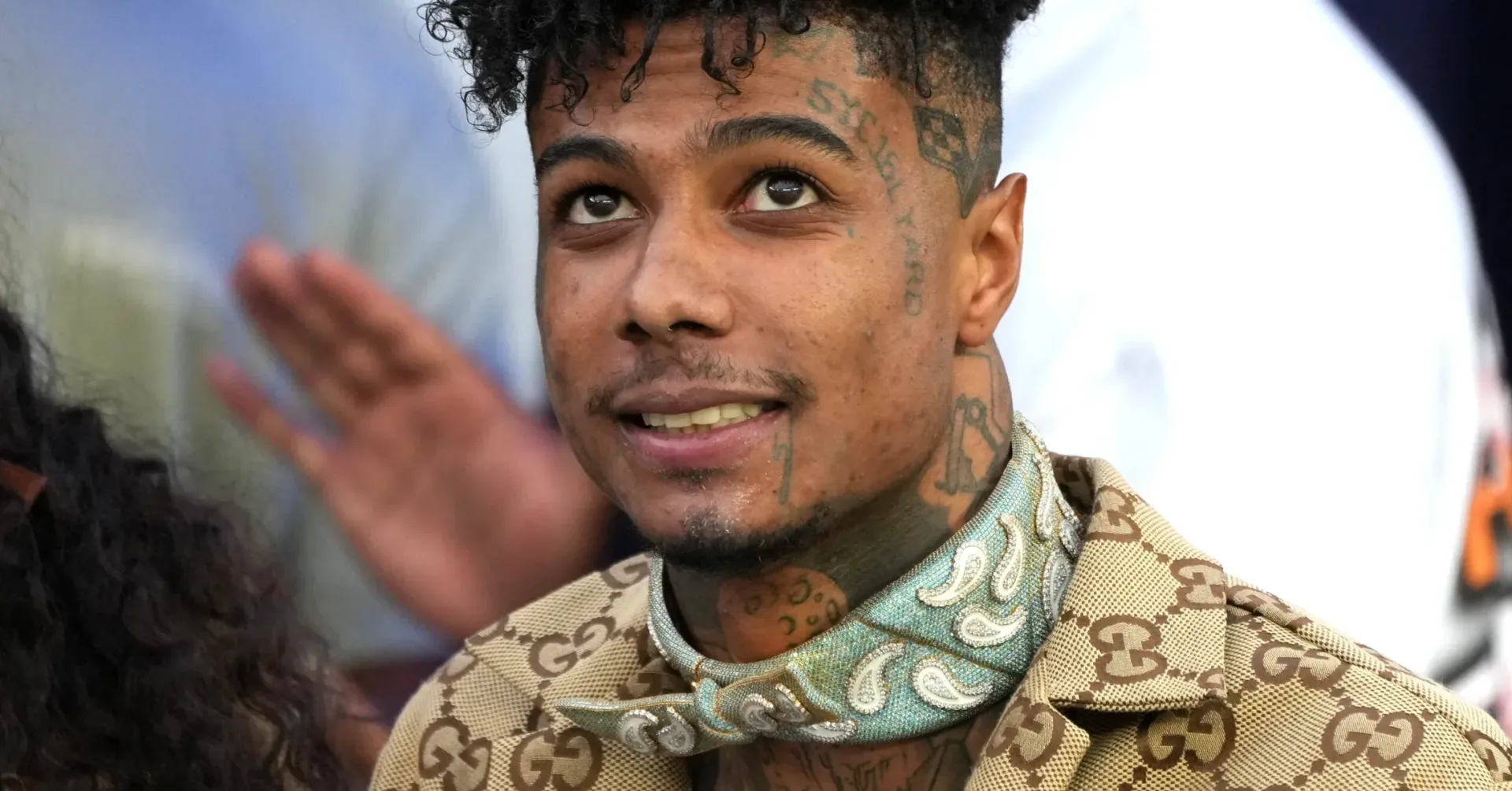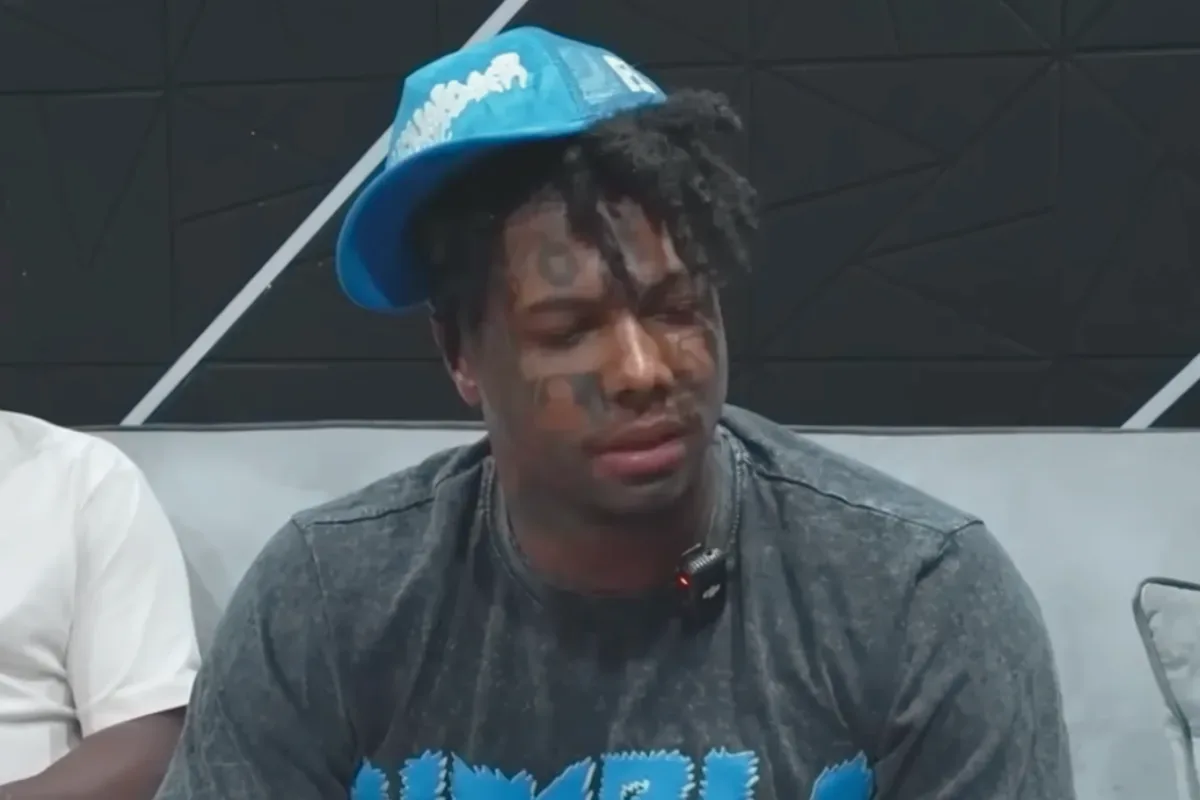
Blueface was involved in another reported swatting incident on September 19, when police came to his home while he was livestreaming with Nevaeh Akira and their infant son. Video from the response shows Akira carrying the baby outside and speaking with officers as they assessed the situation.
The event appears to be the fourth reported false-emergency response connected to Blueface since July. The reports span a home in Canyon Country, his King of Crabs restaurant in the Santa Clarita Valley, a Miami residence and now the latest home response. No suspect has been publicly identified, and authorities have not said whether all four reports are connected.
What swatting means—and why the term matters
Swatting is the act of making a false emergency report with the aim of causing a major police response at a particular address or location. The name refers to a response resembling the deployment of a specialized tactical unit, but the central issue is the false report itself: a caller may claim there is an active shooting, a homicide, a hostage situation or another immediate threat demanding urgent intervention.
That makes swatting much more serious than an online prank. First responders must treat a report of imminent violence as potentially real until the scene is secured. In the incidents described here, the false claims allegedly involved dead people, a shooting victim, an armed man and threats involving a child. Those claims create circumstances in which responding officers may arrive armed and issue urgent commands to people who may have no idea why police are outside.
The September 19 response therefore sits within a troubling pattern, rather than being an isolated interruption to a broadcast. The immediate details of the newest report have not been publicly established beyond police checking the scene, but the sequence of prior calls illustrates how quickly an allegation made from elsewhere can turn into an in-person, high-stakes encounter for the people at an address.
A sequence of four reported incidents
The reported pattern began on July 21 at Blueface’s Canyon Country home. A caller allegedly claimed multiple people were dead inside. The same report allegedly said that Blueface had killed his girlfriend and was restraining a child. Deputies surrounded the residence before determining that everyone was unharmed.
On August 23, deputies went to Blueface’s King of Crabs restaurant in the Santa Clarita Valley after a person reported that a shooting victim was inside. The caller also reportedly described an armed man resembling Blueface. Officers detained him at gunpoint while they investigated. Akira and their newborn were placed in a police vehicle as officers searched the restaurant; no crime was found.
A further incident occurred at a Miami residence on September 13 while Blueface was broadcasting. Officers removed Blueface and others from the residence at gunpoint after another false emergency report. The visual reality of an armed response is important context: even after a call is shown to be false, it has already required officers and residents to navigate a volatile situation based on incomplete information.
The September 19 response followed days later. Taken together, the reported incidents indicate repeated targeting across different places, not simply repeat visits to one fixed address. That distinction matters because it suggests the problem is tied to identifying where someone is, whether at home, at work or during a live broadcast.
Livestreaming can make location exposure more immediate
Blueface previously spoke about the issue after the Miami incident, saying that livestreaming can give viewers a feeling that they can affect what is happening on screen. He described the calls as false reports that waste time.
“When you live-stream, everything’s live,” Blueface said while addressing the earlier police response. “Sometimes the people watching want to feel like they have some type of effect on the stream.”
His comment identifies a practical concern around live content: it is happening in real time, and a broadcast can reveal information unintentionally. A creator does not need to state an address for viewers to potentially infer a location from surroundings, timing or material included in a stream. The available information does not establish how callers in these incidents obtained location details, so that should not be assumed. But the reported timing around broadcasts shows why real-time exposure is relevant to the story.
For streamers, performers and anyone sharing live video, the risk is not limited to a disruption of a show. A caller can attempt to use emergency systems to turn a remote act of harassment into a direct confrontation involving family members, employees, guests and police. The people caught at the location then must respond to officers acting on allegations they did not make and may not even know about.
Why false reports can have consequences beyond the target
Every false emergency response also redirects police attention and resources while officers evaluate a claim that could, if genuine, require immediate intervention. In the reported restaurant incident, the allegation prompted a search of the building. At the Canyon Country home, deputies surrounded the property. In Miami, people were removed at gunpoint. These are not ordinary inconveniences, even when officers ultimately find no crime.
The repeated calls can also affect people who are not the primary target. Akira and the couple’s infant son were present during the latest response, and they were also involved in the August 23 police response at the restaurant. That makes the pattern particularly concerning: an allegedly fabricated claim does not stay confined to the person named by a caller.
What remains unconfirmed
There are significant limits to what is publicly known. Authorities have not publicly named a person responsible for the calls. They also have not announced whether one person is behind all four reported incidents. It is likewise unclear what specific claim triggered the September 19 police visit or what investigative steps may be underway.
Those gaps are important. Four reported incidents in a short period establish a visible pattern of recurring false-emergency scares, but they do not by themselves prove a single perpetrator, motive or method. Any definitive link between the events would require information from investigators.
What is clear from the reported timeline is the human and operational cost of the calls. Each alleged false report introduced claims grave enough to bring armed law enforcement to locations where Blueface, Akira and their child were present. The latest episode extends that cycle rather than resolving it.
The story also arrives amid continuing attention on the ways online audiences can cross boundaries with public figures. In a separate entertainment dispute, Glasses Malone’s challenge to P-Lo over a Drake collaboration reflects how internet-facing celebrity discussion can rapidly become intensely personal, though that debate is distinct from the alleged false emergency calls in this case.
The practical stakes of a recurring pattern
There is no publicly announced resolution to the incidents involving Blueface. Until investigators identify a caller or establish whether the reports are related, the central concern remains recurrence. The time between the September 13 Miami response and the September 19 home response was less than a week, while the wider run of reported incidents began in July.
Swatting depends on a dangerous mismatch: a caller may be distant and anonymous, but the emergency response is immediate and physical for everyone at the reported location. The July, August and September events described in this case show that mismatch repeatedly—grave allegations, armed responses, searches or detentions, and eventually no confirmed crime at the scene.
For Blueface and those around him, the latest visit is another apparent example of that risk arriving during ordinary activity, this time a livestream at home with an infant present. For police, each claim still has to be examined as a potential emergency. And for viewers tempted to treat a live broadcast as something they can manipulate, the reported incidents underline the real-world stakes behind a false call.