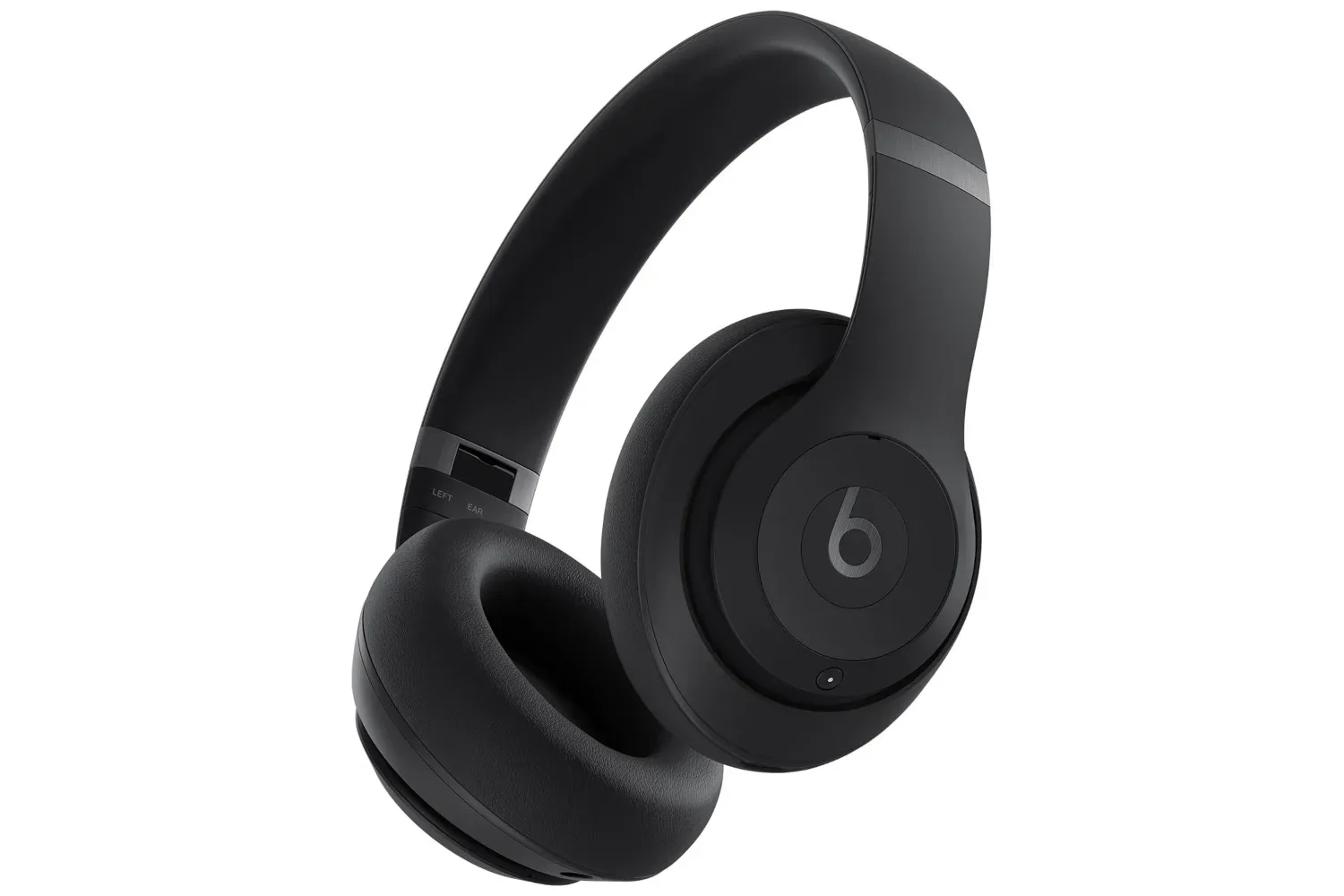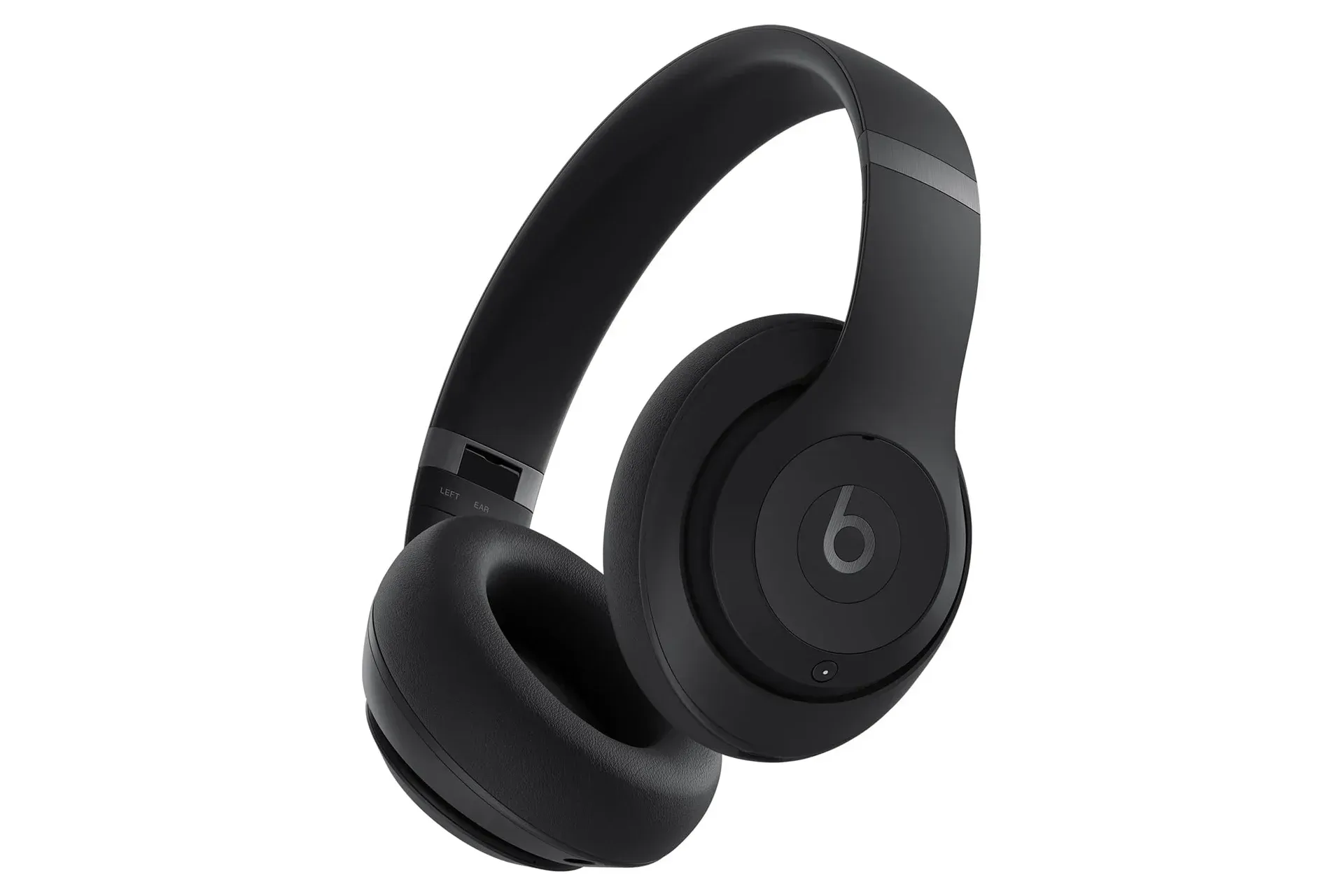
The black Beats Studio Pro is listed at $119, reduced from $299.99. That is a 60% drop from the stated regular price, and the retailer labels it the lowest price seen there in the previous 30 days. For anyone after a multipurpose over-ear headset for gaming, travel, music and calls, the important part is not simply the percentage discount: it is the mix of active noise cancellation, long claimed battery life and two wired listening paths alongside Bluetooth.
Price and stock can change quickly during a major promotion, and the discounted black model is notably cheaper than the other listed colors. Deep Brown, Khaki, Light Blue and Sandstone are listed at $149.95, while Navy is listed at $215.73. Buyers who care more about a particular finish than the lowest current price should account for that substantial gap rather than assuming every Studio Pro color has the same deal.
This is also a useful reminder that “wireless headphones” need not mean “headphones that become useless when the battery dies.” Beats includes both a USB-C charging cable and a 3.5mm audio cable, plus a woven travel case and Quick Start Guide. That 3.5mm connection is especially practical for travel and for devices with a conventional headphone output, while USB-C opens a different wired option for lossless audio and selectable sound profiles.
What the Studio Pro’s feature set means in day-to-day use
Beats rates the Studio Pro for up to 40 hours of battery life. That is a maximum claim, not a promise for every listener: playback volume and whether active noise cancellation is enabled can affect endurance. Still, the figure gives the headphones a strong stated case for people who would rather charge a headset periodically than treat charging as a daily ritual.
The more immediately useful specification may be Fast Fuel. Beats says a 10-minute charge can provide up to four hours of playback. That does not replace planning ahead, but it gives a forgotten headset a plausible recovery path before a commute, a gaming session or a flight. A short charge is also easier to fit into real life than waiting for a full battery cycle.
Active noise cancellation, often shortened to ANC, uses microphones and processing to counter some surrounding sound before it reaches the listener. It is aimed at situations such as a steady aircraft engine hum, public transit and a busy workspace. ANC should not be read as a guarantee of silence; its practical value depends on the kind and level of noise around the user. But it can make the listening environment less demanding, potentially allowing someone to avoid turning music or game audio up just to compete with the room.
Transparency mode takes the opposite approach. Rather than shutting the world out, it blends outside sound into what is playing. That can matter when waiting for a boarding update, listening for a colleague, or simply wanting to stay aware of a nearby conversation without pulling the headphones off. The usefulness of either mode is situational, which is why having both is more flexible than treating noise cancellation as the only premium feature that matters.
For voice chat and calls, the Studio Pro uses voice-targeting microphones intended to reduce background noise. That is relevant well beyond phone calls: multiplayer players regularly use headsets for team communication, and remote workers may jump between game-night chats and video meetings. The product’s Class 1 Bluetooth is intended to deliver a more stable wireless connection with fewer dropouts as users move through a building.
Related coverage includes Black Beats Studio Pro Drops to $119 on Amazon.
Wired options are a meaningful advantage, not a footnote
The Studio Pro supports three basic listening approaches: Bluetooth wireless, USB-C and the included 3.5mm analog cable. Each has a distinct purpose. Bluetooth is the convenient everyday option when using a phone or another compatible device untethered. The 3.5mm cable provides a standard analog connection and can keep the headphones usable when their battery has run down, assuming the playback device offers the appropriate jack or adapter. It can also be relevant to in-flight entertainment systems.
USB-C is the other wired route. Beats says this connection supports lossless audio and sound profiles. “Lossless” refers to audio delivered without discarding data through lossy compression in the signal path. That does not automatically mean every track or game will sound radically different, since the result also depends on the original audio, connection and listener, but it gives users a higher-fidelity wired option where supported.
The listed impedance is 32 ohms. Impedance is an electrical characteristic that affects how demanding headphones can be for the device driving them. At the stated 32-ohm figure, phones and laptops can generally power the Studio Pro without specialized amplification. In practical terms, that supports the product’s broad-use identity: these are meant to work across everyday portable and desktop devices rather than requiring a separate audio stack.
Spatial audio with personalized dynamic head tracking is also part of the package for compatible music and movie use. Spatial audio is intended to create a more three-dimensional sense of placement around the listener. Dynamic head tracking adjusts that effect in response to head movement, while personalization is designed to tailor the experience to an individual listener. It is a feature that will matter most to people who regularly watch films or use supported music services; it should be treated as an extra mode, not a substitute for judging a headset’s basic sound and comfort.
Platform flexibility matters for shared gaming and everyday devices
The Studio Pro offers one-touch pairing with Apple and Android devices. That cross-platform approach can be particularly useful in households where a player uses one phone platform while their PC, tablet or another family member uses something else. The headphones are positioned for music and calls rather than as a dedicated console headset, so prospective buyers should check their specific hardware’s support and connection options before assuming every feature will work identically everywhere.
That distinction is worth making because headphones can be excellent for a PC game, a handheld, a phone and a laptop without necessarily being a universal, plug-and-play answer for every console configuration. The included analog cable creates more possibilities, but a buyer should still consider what ports their preferred device actually has, whether they need a microphone for game chat, and whether they value wireless play more than a cable connection.
For players building out a living-room or travel setup during seasonal sales, the Studio Pro deal sits alongside other hardware reductions, including the wider selection in these Prime Day retro gaming deals. The right purchase is not automatically the largest percentage discount. A headset’s connection choices, case, fit and battery behavior may matter more over months of use than a small difference in sale price.
Comfort remains the personal variable
Beats calls the Studio Pro ear cushions UltraPlush and positions the headphones for longer sessions at home, at work and while traveling. Comfort, however, is unusually individual. Clamp force, ear shape, glasses, heat buildup and the duration of a session can all change a person’s experience. Specifications cannot settle that question.
That makes longer-term user feedback particularly valuable for an over-ear purchase. Anyone considering the deal should look for comments that discuss wearing the headphones for an hour or two, rather than relying only on first-impression reactions. A model can offer excellent battery flexibility and connectivity yet still be a poor personal fit if its cushions or pressure become distracting during extended use.
The current listing shows a 4.5-out-of-5 rating from 28,630 ratings and marks the model as the top seller in over-ear headphones. Those figures indicate substantial buyer engagement, but an aggregate rating cannot predict a particular person’s fit, preferred sound balance or device compatibility. They are useful as one signal, not a replacement for checking the features that matter to an individual setup.
Price comparisons and checkout details to watch
At $119, the black version is the clear price-focused choice among the colors stated in the listing. The $149.95 finishes cost $30.95 more, while the listed Navy price is much higher. Separate options described as including a power adapter or AppleCare+ also appear, but no prices are supplied for those configurations. Comparing the exact color and bundle before checkout is sensible, especially when similarly named listings can represent different packages.
The retailer notes that other sellers may offer a lower price without free Prime shipping. That is a useful distinction: the headline item price is not always the complete cost of a purchase. Delivery charges, seller terms and the exact included accessories can change which listing is genuinely cheaper. The listing also offers a payment-plan option of four payments of $29.75 every two weeks, which totals the displayed $119 price.
The black Beats Studio Pro’s appeal at its listed $119 price is straightforward. It combines noise control for loud environments, claimed all-week battery potential, quick-charge backup, Apple and Android pairing, and both USB-C and 3.5mm wired listening. The best reason to choose it is not that it carries a dramatic discount label; it is that those features address the practical failure points of headphones used across commutes, trips, games, movies and work.
Shop the products
Check current price, model and availability at the retailer.