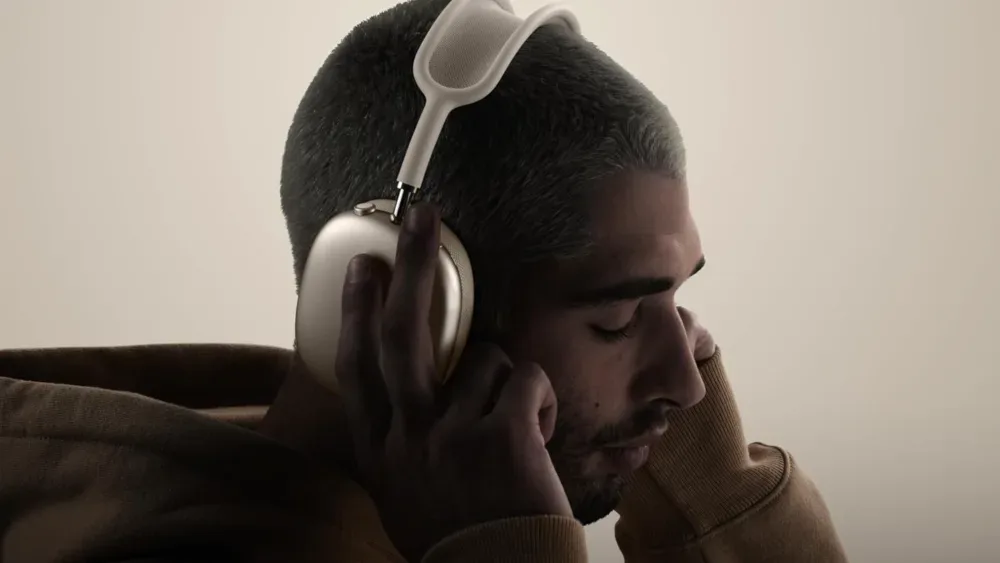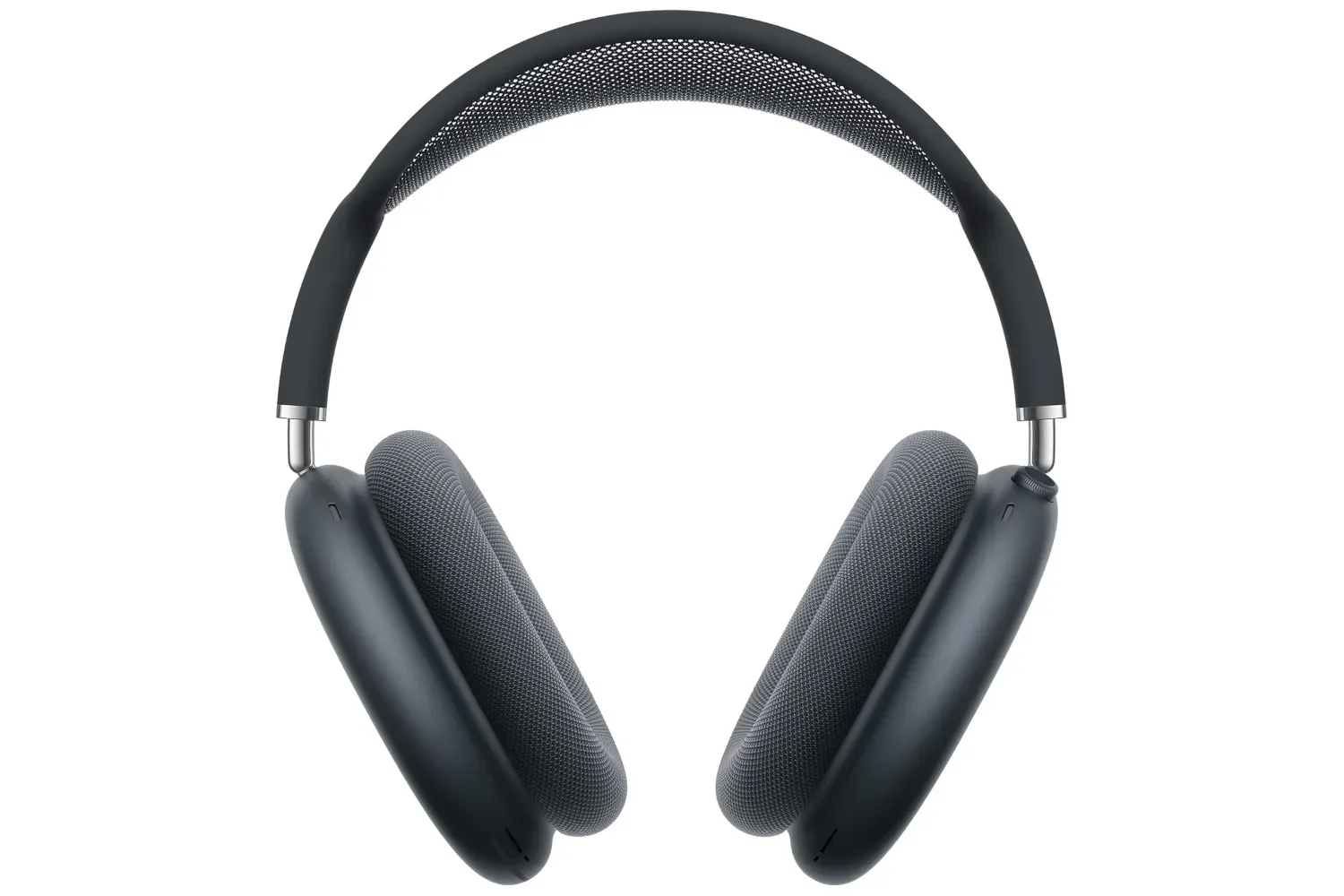
Apple AirPods Max 2 headphones are listed at $449, representing a $100 reduction from the stated $549 regular price. That remains a premium purchase, but the change matters: it moves a high-end over-ear headset below the $450 mark while retaining the features presented as its central appeal, including the H2 chip, active noise cancellation, adaptive audio, personalized spatial audio, real-time translation support and up to 20 hours of battery life on a full charge.
For people considering headphones for music, podcasts, audiobooks, travel, work or game-adjacent media setups, the practical question is less whether $449 is inexpensive—it plainly is not—and more whether the feature set is useful enough to justify a higher tier of spending. The answer will depend on how much value a buyer places on noise control, an over-ear fit and Apple-oriented audio features, rather than simply looking for any wireless headset.
The deal in plain numbers
The listed price is $449, down from $549. That is a straightforward $100 saving, or roughly 18% off the stated regular price. It does not transform the AirPods Max 2 into a budget option. It does, however, reduce the entry cost for someone who had already decided that a premium over-ear Apple headset was the target.
Discounts can change, and listings can vary by retailer, color, stock status or region. Buyers should treat the $449 figure as a price worth verifying at checkout rather than as a permanent new baseline. It is also sensible to confirm the precise product name and included accessories before ordering, especially when shopping within a product family whose naming can be similar.
What the H2 chip is said to bring to the headphones
The H2 chip is presented as a key part of the AirPods Max 2 audio package. In practical terms, a chip of this kind handles audio processing duties inside the headphones. Here, it is associated with deep bass, clarity across the audio spectrum and the processing required for noise-control features.
“Audio spectrum” simply refers to the range from low-frequency bass through midrange voices and instruments to high-frequency detail. Claims about strong bass and clear playback are therefore relevant to very different listening habits: a player may care about impact and environmental detail, while a podcast listener may prioritize intelligible voices. The available information does not provide measurements, codec details or a comparison against competing models, so shoppers should avoid reading the feature description as a complete technical test. It does establish that sound quality and processing are the product’s main selling points.
Noise cancellation and adaptive audio, explained
Active noise cancellation is designed to reduce unwanted outside sound while listening. That can be particularly useful in noisy environments, whether the distraction is travel noise, a busy household or a shared workspace. The benefit is not merely quieter listening: reducing background noise can let a listener follow dialogue or music without pushing volume higher than necessary.
Adaptive audio is described as the alternative for moments when full isolation is not desirable. Rather than shutting out the surroundings as completely as possible, it is intended to keep a user aware of what is around them while they continue listening. That distinction is important. Noise cancellation addresses unwanted sound; adaptive listening aims to balance entertainment with situational awareness.
For gaming-related use, these modes could matter most outside the game itself. Someone listening to a soundtrack, watching a stream, joining a voice conversation or working through a lengthy podcast may appreciate fewer interruptions. But prospective buyers should make their decision based on the confirmed compatibility and connection needs of their own setup. The supplied details focus on audio features and do not establish platform-specific gaming functions.
Spatial audio is about a more responsive listening presentation
The headphones are also described as supporting personalized spatial audio that matches the listener’s ear shape and tracks movement. Spatial audio is a term for processing that aims to create a more three-dimensional sense of where sound is positioned. Personalized processing means the presentation is tailored to the user’s ears rather than applying a completely one-size-fits-all profile.
Head tracking adds another layer: as the wearer moves, the audio presentation can respond to that movement. The intended effect is a more anchored, immersive sound field. That may appeal to people who spend long stretches with films, shows, albums or other supported audio content. It should not be confused with a guarantee that every app, every piece of audio or every device will deliver the same result; the supplied information identifies the feature but does not list content or device requirements.
Translation and battery life broaden the everyday case
Beyond playback, the AirPods Max 2 are described as supporting real-time language translation. That is potentially useful for travel, conversation and everyday communication, although the details provided do not specify supported languages, software requirements, availability by location or conditions under which the feature operates. Those are worth checking before treating translation as the deciding reason to buy.
Battery life is listed at up to 20 hours from a full charge. “Up to” is important wording: it denotes a maximum claimed runtime, not a guarantee that every owner will receive precisely 20 hours in every listening mode. Noise control, volume and use patterns can all be relevant to how a headset fits into a routine, though no testing figures are provided here. Still, 20 hours on paper frames the headset as one intended to cover extended listening rather than only short sessions.
The description also emphasizes ear-cup comfort and a lightweight build. Comfort deserves more weight in a purchase decision than it often gets. A headset can offer advanced processing, but that value falls away if the wearer does not want to keep it on for a film, a work block or a long travel day. Fit remains personal, however; feature descriptions cannot settle that question for every buyer.
Who the $449 listing makes the most sense for
- Apple-focused listeners: Those who specifically want the stated combination of H2 processing, adaptive audio and personalized spatial audio have the clearest reason to consider the discount.
- Frequent headphone users: Buyers who regularly use over-ear headphones for music, spoken-word audio or travel may find more value in comfort, noise cancellation and a claimed 20-hour battery figure than occasional listeners would.
- Shoppers already near the premium tier: A $100 reduction is meaningful if the AirPods Max 2 were already on the shortlist. It is less compelling if the original price was far beyond the planned budget.
There are also good reasons to pause. The headphones remain costly at $449, and the provided details do not establish every compatibility, translation or real-world battery-life condition a buyer might need. Anyone comparing premium audio purchases should decide which capabilities they will genuinely use, then verify the current listing and product details before committing.
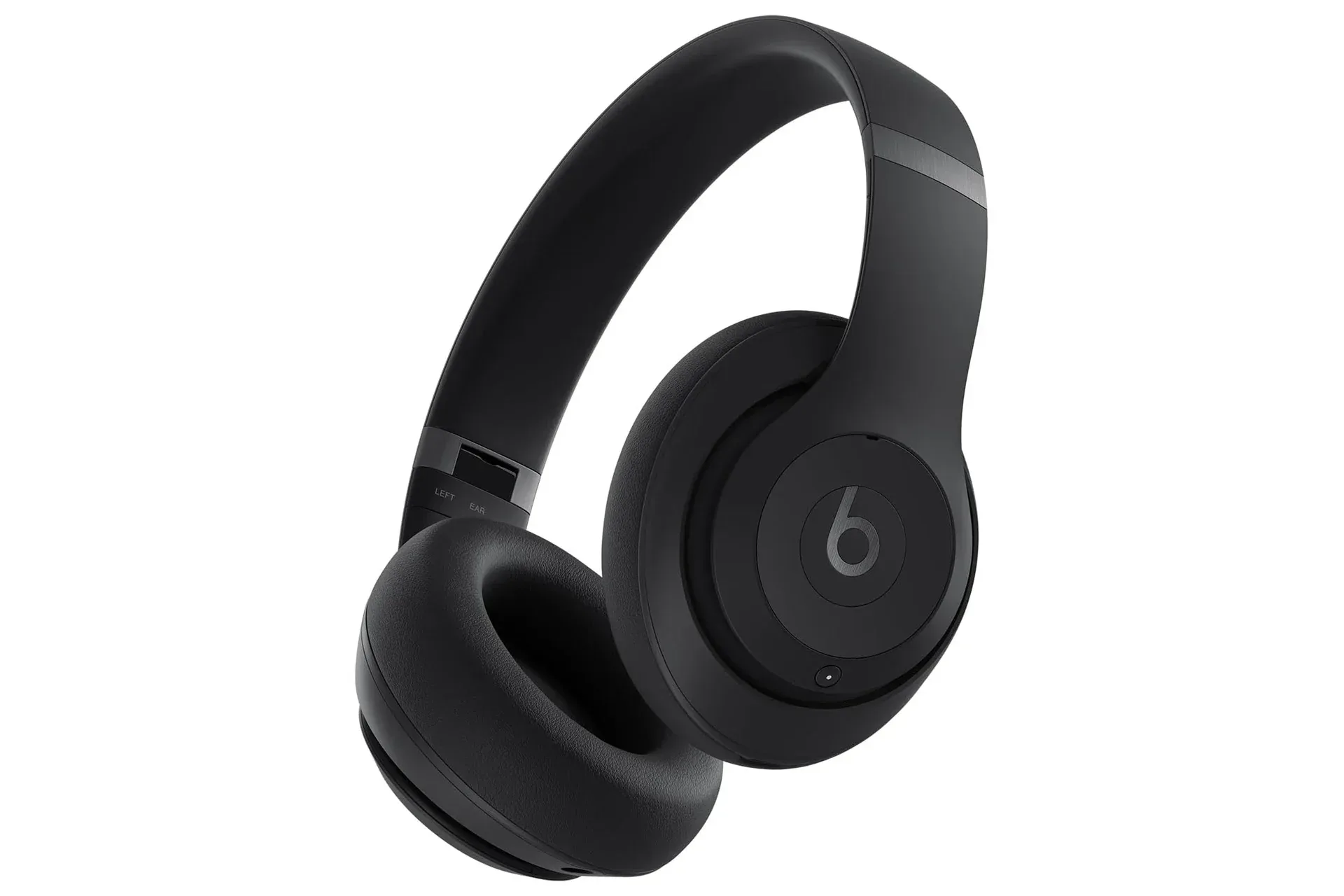
For perspective, other headphone discounts can offer a different mix of priorities. The Beats Studio Pro listing at $200, for example, highlights USB-C lossless audio, ANC and a claimed 40-hour battery life. That does not establish a like-for-like comparison, but it illustrates why price alone should not decide the shopping quest: features, intended use and daily charging expectations all change the value proposition.
A premium price, with a more approachable threshold
The $449 listing gives prospective AirPods Max 2 buyers a clear $100 reason to revisit a headset that is otherwise positioned at $549. Its stated strengths center on processed audio quality, noise cancellation, awareness-oriented adaptive audio, personalized spatial playback, translation support and all-day-style comfort claims. The 20-hour battery estimate rounds out the package, though it should be treated as a maximum claim.
For shoppers who want those particular features and were already prepared to pay for a premium over-ear model, the discount makes the proposition more appealing. For everyone else, it is best viewed as a prompt to compare needs rather than an automatic purchase signal. Verify the live price, check the exact listing and make sure the capabilities that command the premium are the ones that will actually earn a place in the daily loadout.
Shop the products
Check current price, model and availability at the retailer.