Nothing Headphone (1) Pro is currently listed at $319, a $80 reduction from its stated $399 regular price. That represents a 20% discount, and the listing describes the offer as limited-time, so prospective buyers should verify the live price and terms before purchasing.
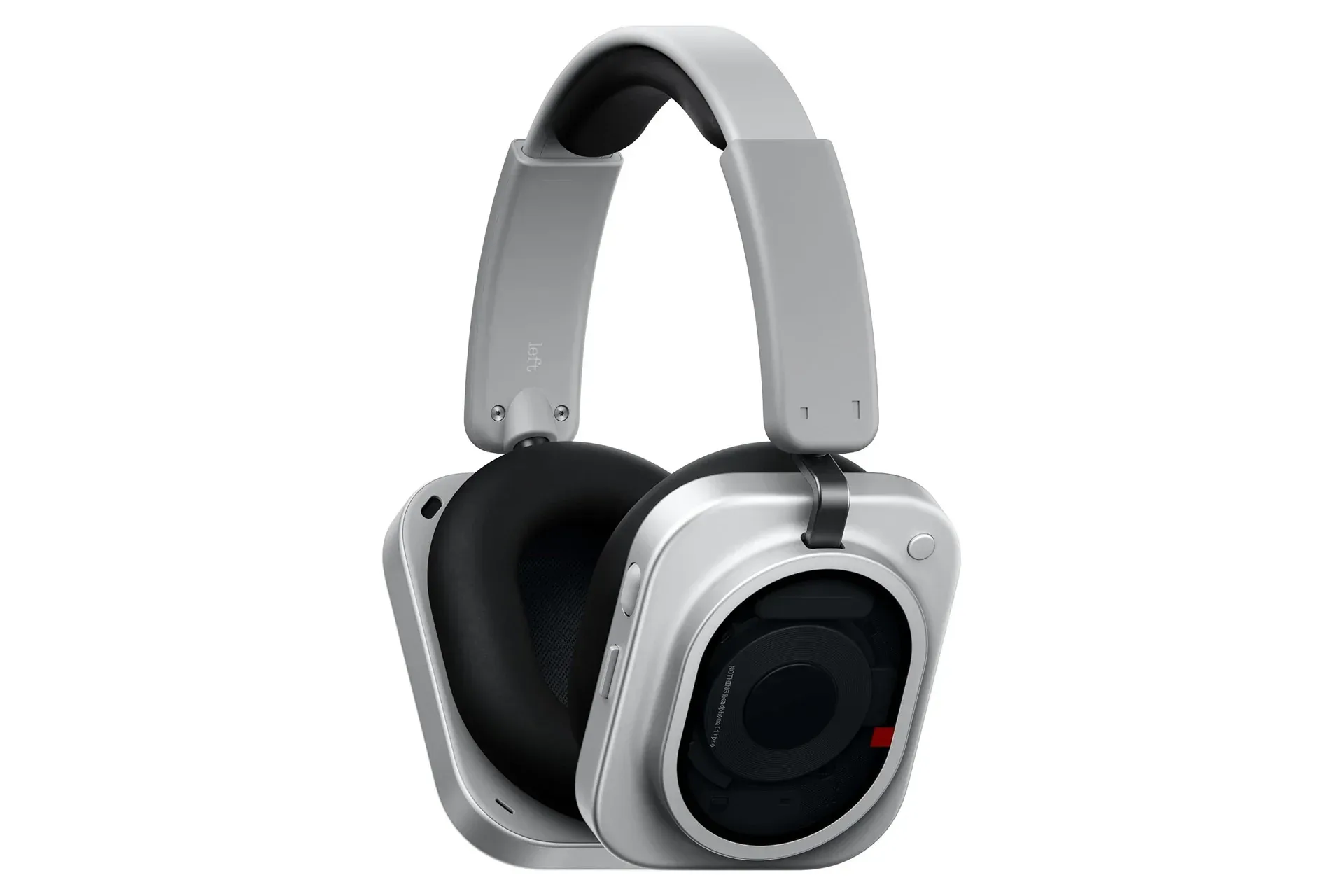
For a product category often dominated by smooth, rounded silhouettes, the Headphone (1) Pro’s most immediate differentiator is visual. Nothing has gone with a boxier over-ear form and high-contrast exterior elements rather than the more understated shape common among premium noise-canceling headphones. Whether that style is a benefit will be personal, but it makes the product easier to identify at a glance than a typical all-black set of over-ears.
The more consequential details are inside the earcups. The Headphone (1) Pro is built around a three-driver architecture, includes five named listening presets plus individual driver adjustment, and uses real-time adaptive active noise cancellation supported by a 10-microphone array. It also offers a transparency mode for times when isolation is not the goal.
Those ingredients make this less a simple sale note than a useful case study in what buyers should examine when comparing higher-end wireless headphones: price is important, but so are the tuning controls, noise-management approach and the situations in which the headphones will actually be used.
The deal: $80 off the stated regular price
The listed price moves Nothing Headphone (1) Pro from $399 to $319. A $80 reduction is meaningful in this part of the market, especially for shoppers already interested in the model’s distinct aesthetic and noise-control features. But “20% off” should not automatically decide the purchase.
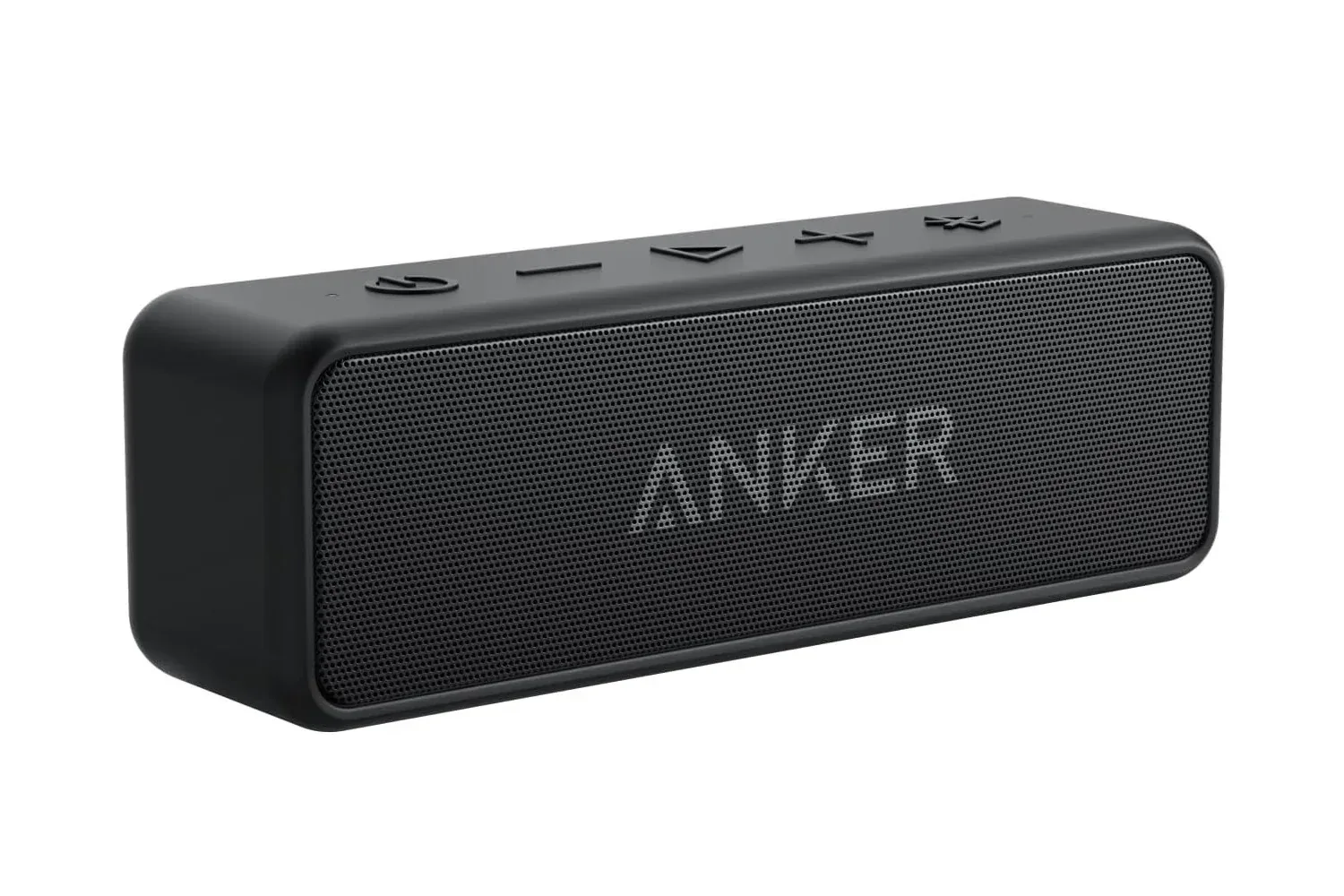
A sensible buying check is to separate the discount from the product fit. Someone who needs a pair for commuting or shared living spaces may care most about the adaptive ANC and passive seal. A listener who regularly swaps among music, games and films may place greater value on the tuning options. Meanwhile, a buyer simply looking for room-filling audio for a game night may have very different needs from over-ear personal listening; a lower-cost speaker deal such as this Soundcore 2 discount illustrates why the intended use matters as much as the headline percentage.
There is no supplied information here on battery life, wireless codec support, weight, console connectivity, call performance, app requirements or platform compatibility. Those omissions are worth keeping in mind. They are practical factors that can change a purchase decision, and they should not be inferred from the presence of premium audio components or a sale price.
What a three-driver setup is intended to do
A driver is the component in a headphone that converts an electrical audio signal into the sound reaching the listener’s ear. The Headphone (1) Pro assigns three drivers to different portions of the audible range: a 40mm driver for bass, a precision driver, and an XMEMS driver for treble.
The rationale for splitting this work is specialization. Low frequencies carry impacts, bass lines and the weight of explosions or cinematic scores. Midrange content is where much of the intelligibility in voices and many instruments lives. Treble handles details such as the edge of percussion, ambience and higher-frequency texture. By assigning different hardware to distinct frequency duties, the design aims for deep bass, clearer vocals and richer detail rather than asking one driver to cover everything.
That is the stated goal, not a guarantee that every listener will prefer the final tuning. Audio preference is subjective, and a multi-driver layout alone does not tell buyers exactly how a headphone will sound with a particular album, game mix or movie. Still, it does explain why Nothing provides more than a single broad EQ slider.
EQ modes and per-driver control
EQ, short for equalization, changes the relative level of frequency ranges. Turning up lower frequencies can make bass more prominent; elevating higher frequencies can bring forward cymbals, environmental details or the sharpness of dialogue. Too much adjustment in either direction can also make sound feel muddy, thin or fatiguing, which is why presets can be useful starting points.
The Headphone (1) Pro includes five preset modes: Standard, Studio B, Live House, Club and Concert Hall. The names imply alternate listening profiles rather than universally “better” settings. Standard is likely the most logical first stop for anyone who wants to learn the default presentation before changing it. The other profiles offer convenient ways to try a different balance without manually adjusting each element.
Nothing also allows users to create a custom profile and adjust each driver individually. That level of control could be especially attractive to people who move between different material. Dialogue-heavy video, bass-led music and game audio can each benefit from a different emphasis, but the most practical approach is restraint: make a small change, listen for a while, and keep the setting only if it improves the experience rather than merely making one frequency louder.
Adaptive ANC: microphones, cancellation and the ear-cushion seal
Active noise cancellation, or ANC, uses microphones to monitor outside sound and electronics to counter unwanted noise before it reaches the listener as strongly. Nothing says the Headphone (1) Pro uses a 10-microphone array for real-time adaptive ANC and can remove up to 46dB of unwanted sound.
The word adaptive is significant. It means the noise-control system is intended to respond to conditions around the listener in real time rather than operating as a fixed, one-size-fits-all setting. In plain terms, the headphones are designed to continually account for environmental noise.
The “up to 46dB” figure is a maximum claim, not a promise that every kind of sound will be reduced by the same amount in every environment. Noise cancellation results depend on the sound itself, fit and surrounding conditions. Buyers should therefore treat the number as a capability claim, not as a universal prediction for a train carriage, office, street or home.
Physical isolation matters alongside the microphones. Nothing says an 8mm silicone wall in the ear cushions helps seal outside sound away from the ears. This is commonly called passive isolation: the material and fit physically reduce what enters before electronic cancellation does its work. Good passive isolation can complement ANC; it is not the same feature, but the two work toward the same goal.
Transparency mode is the deliberate opposite
There are occasions when blocking the room is unhelpful. Transparency mode is designed to let external sound filter back in, allowing the wearer to remain more aware of what is happening nearby without taking off the headphones. That makes it the practical counterpart to ANC rather than an extra audio preset.
For buyers deciding between models, this pairing is often more meaningful than a single noise-reduction number. ANC is for reducing distraction; transparency is for reintroducing awareness when needed. The supplied details do not establish how either mode performs in a particular setting, but they do show that Nothing has included both approaches.
Who the sale may suit
At $319, the Headphone (1) Pro is most clearly aimed at shoppers who want an over-ear noise-canceling model that does not blend into the usual premium-headphone design language. The boxy exterior may be a strong plus for someone tired of near-identical-looking alternatives, while the three-driver configuration and unusually granular EQ controls provide a more technical reason to look beyond appearance.
It may also appeal to listeners who want to experiment with sound profiles instead of committing to one factory tuning. The five presets make that experimentation approachable, and individual driver controls offer a deeper option for people who know what they want to change. Adaptive ANC, the 10-microphone array and the ear-cushion silicone wall round out the feature set for listeners trying to reduce surrounding sound while listening.
Before treating the discounted listing as an automatic recommendation, confirm the current price, read the exact retailer terms, and check the unaddressed day-to-day specifications most relevant to your setup. The known facts support a clear pitch: a highly recognizable over-ear design, specialized driver arrangement, customizable sound and adaptable noise management, now listed below its stated regular price.
Shop the products
Check current price, model and availability at the retailer.