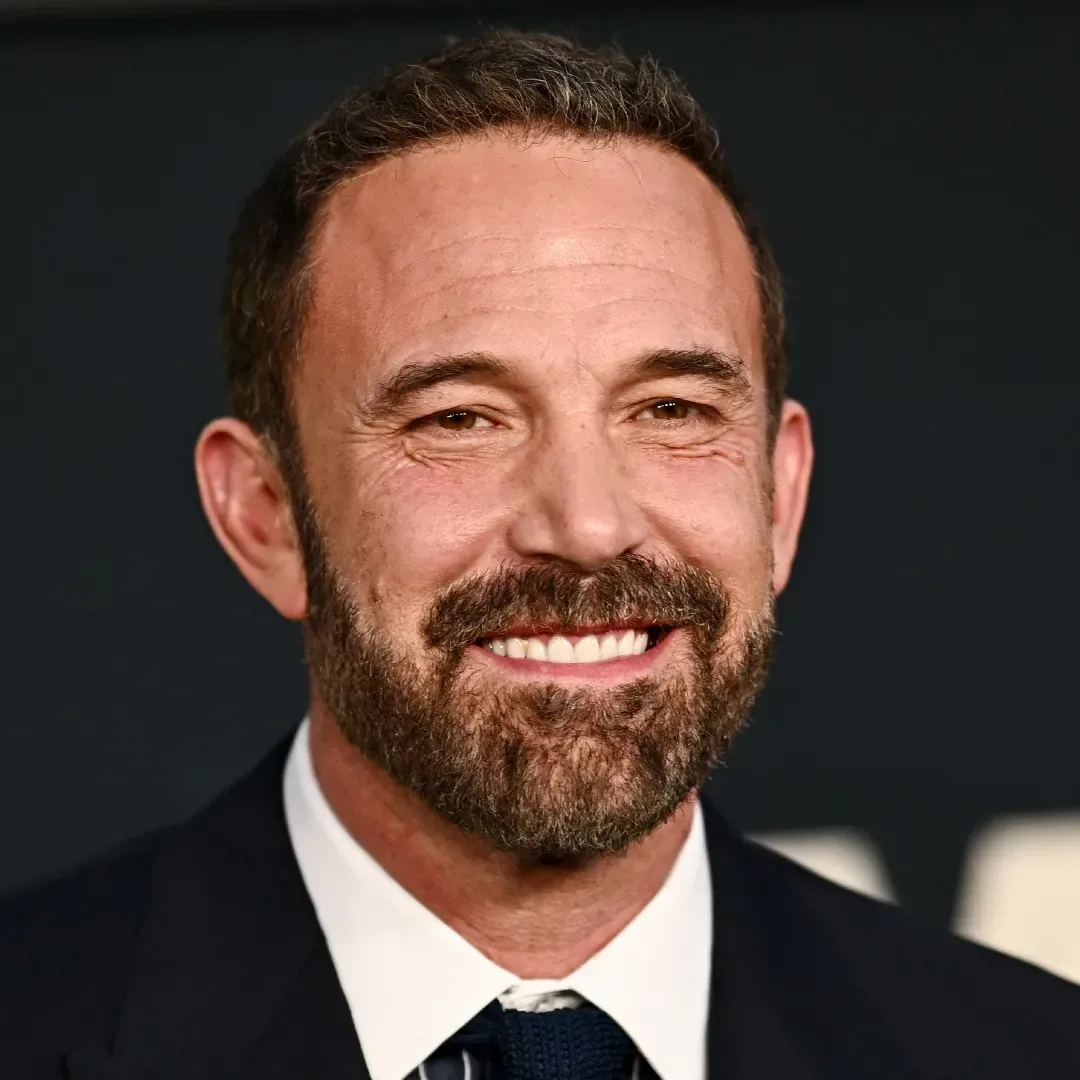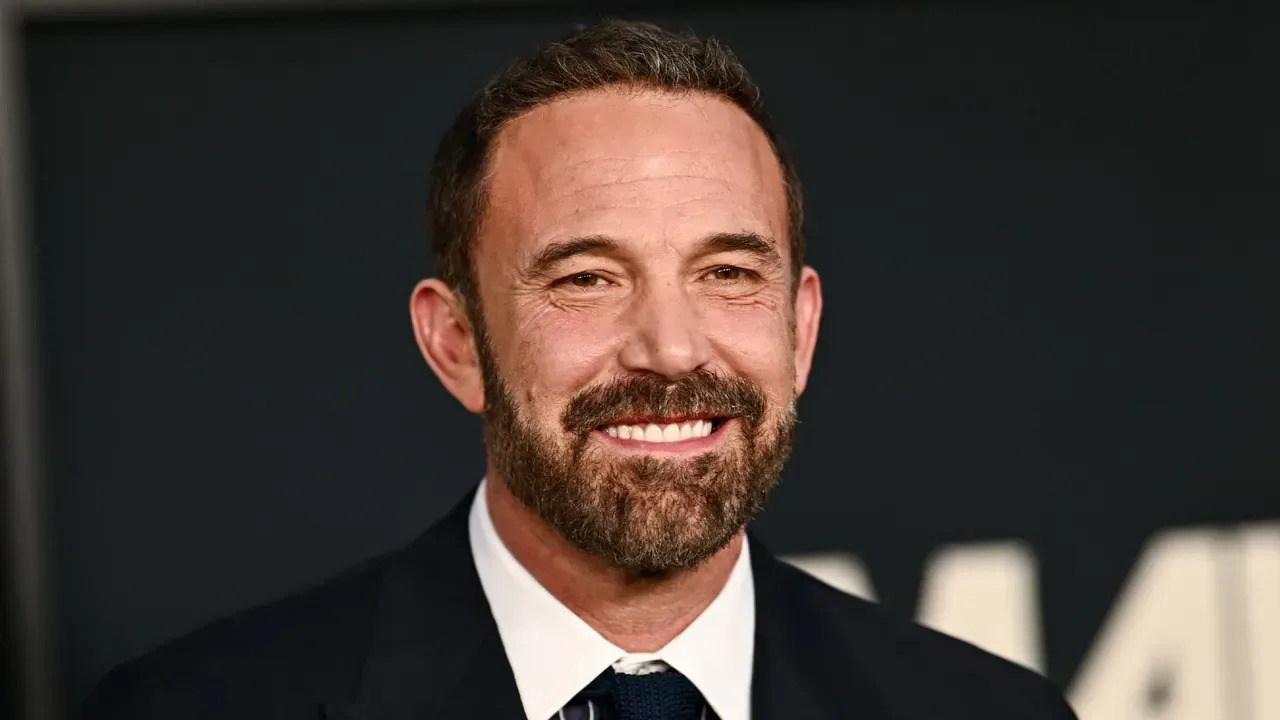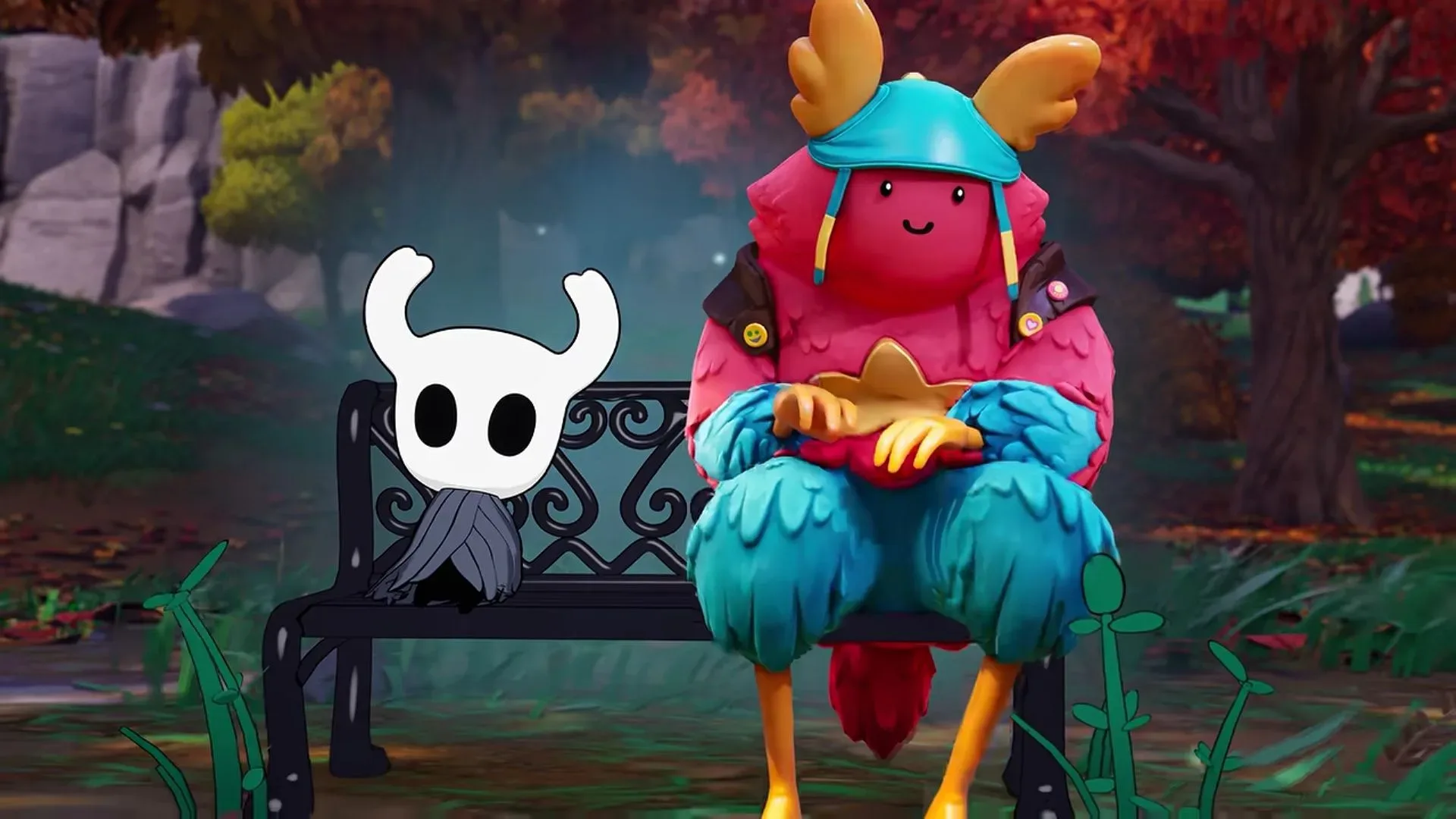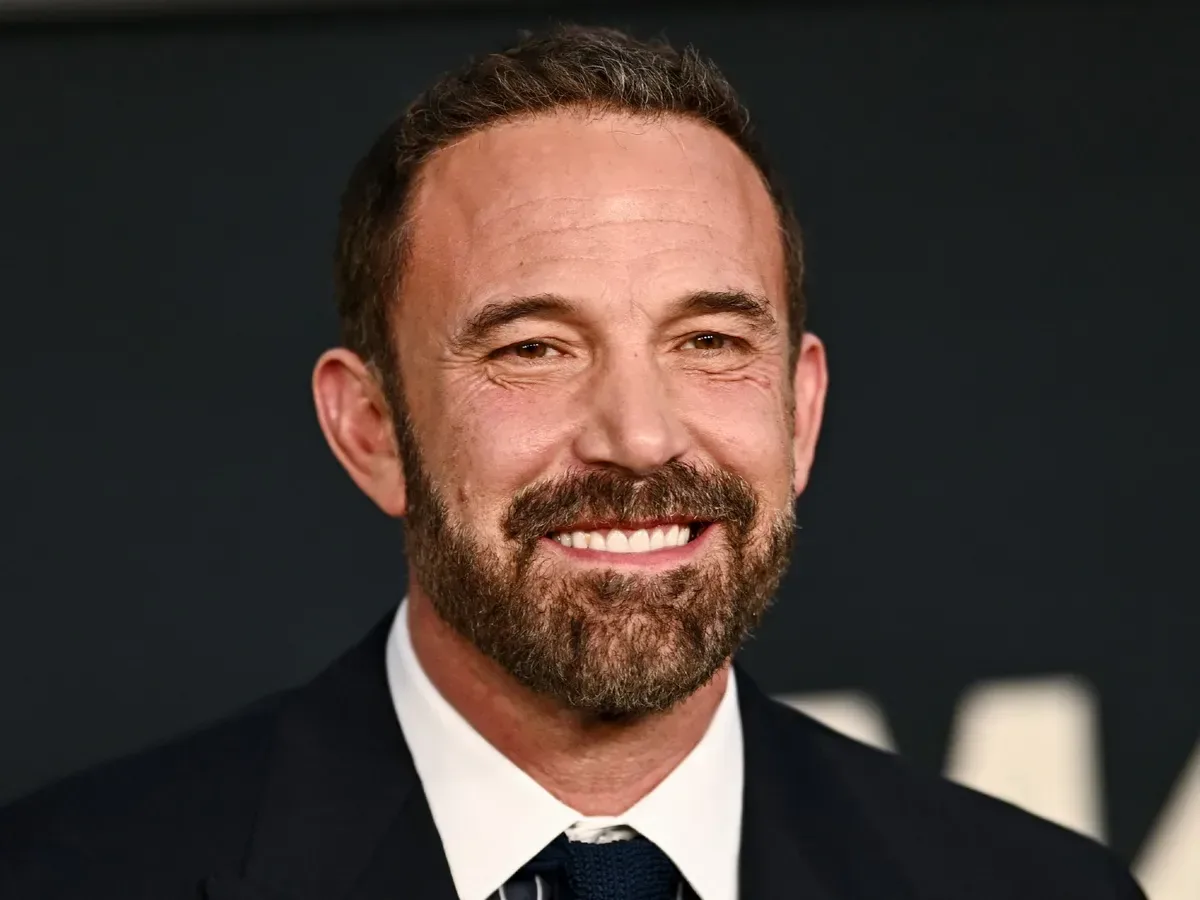
Ben Affleck has offered a very specific example of games bleeding into the rest of culture: a fuzzy bunny mask in Animals, his new Netflix thriller, was partly inspired by Fortnite’s deliberately oddball cosmetic designs.
Speaking on the New Heights podcast, Affleck described watching his son take an interest in Fortnite skins—the game’s optional character outfits—and repeatedly call certain looks “tough.” The actor found the idea amusing, particularly when the supposed peak of toughness involved a bunny mask. But the observation stuck. He used the game’s random, unusual costume energy as a reference point when thinking about the film’s wardrobe.
It is a small but revealing creative connection. Fortnite skins do not need to make sense as a conventional uniform, and that is often their point. A player’s on-screen identity can be scary, cute, sleek, absurd, or several of those things at once. Affleck’s bunny-mask anecdote suggests that same collision of tones helped shape a character design for a thriller: an image that can be inherently silly and still become unsettling in the right setting.
What Fortnite “skins” mean in this context
A skin is a cosmetic character appearance. It changes how a player looks rather than changing the core rules of a match. In a game like Fortnite, skins are also a social language: they allow players to signal taste, humor, fandom, rarity, or simply a preference for a memorable silhouette.
That visual freedom can make the costumes feel detached from practical reality. A soldier outfit may stand beside an animal costume; an ominous mask may appear next to something brightly stylized. Affleck’s point was not that a particular Fortnite item appeared in Animals. Rather, the game provided the broader aesthetic prompt: costumes can be strange enough to be funny at first glance, then land very differently once a story gives them a darker purpose.
His recollection also captures a familiar intergenerational gaming exchange. One player sees an impractical bunny mask. Another sees a look with attitude. Neither response is necessarily wrong; games have simply become a place where “cool” does not require the old rules of realism.
A gamer who knows the humbling part, too
Affleck did not present himself as a detached observer of games. He said that he regularly plays, naming sports series including Madden and 2K, along with first-person shooters. And, in an experience likely recognizable to plenty of adult players, he said confidence built through years of gaming can evaporate the instant a match begins against much younger opponents.
In his telling, he goes into shooters thinking he is capable, only to be eliminated quickly by 12-year-olds who are not shy about providing immediate feedback over voice chat. His comic response is to argue back that he does not stink at the game—he is, after all, a grown man. It is the kind of sentence that demonstrates precisely why arguing in competitive-game chat is usually a tactical error, even before considering the objective.
Related coverage includes Ben Affleck Says Fortnite Voice Chat Has Led to Arguments With Younger Players.
There is a practical distinction worth making here. Voice chat is live player-to-player audio communication during a match. It can be useful for coordination, especially in team games, but it also removes the small social barriers that might otherwise stop strangers from turning a loss, taunt, or bad round into an argument. Affleck’s story is funny because it treats that escalation as an absurdity rather than a championship discipline.
Competitive games are fast, and chat makes them faster
First-person shooters tend to reward quick reactions, positioning, map awareness, and repeated familiarity with their weapons and movement systems. Experience matters, but it does not guarantee that a player will immediately keep pace with someone who has spent extensive time learning the specific rhythms of a current game.
Affleck’s comment is not a serious claim about age and skill so much as an admission that confidence can outpace performance. That tension is a permanent part of online shooters. A player may be broadly good at games, know the genre well, and still run into opponents with sharper timing or a greater command of the current meta—the strategies and choices players collectively regard as most effective.
The healthier lesson is not that anyone should stop playing when a lobby gets difficult. It is that voice chat does not have to become a verdict on a player’s worth, or a courtroom in which a missed shot is litigated by strangers. Mute controls, party chat, and simply declining the invitation to trade insults are unglamorous tools, but they are often more useful than trying to win an argument between respawns.
Affleck’s gaming interest extends beyond Fortnite
Fortnite may have supplied the costume spark and the voice-chat story, but Affleck has previously been open about his interest in Valorant. He has attended multiple Valorant events with his son and has said he plays KAY/O.
KAY/O is an agent in Valorant, a character-based competitive shooter. Agents have distinct abilities, which means choosing a main—gaming shorthand for the character someone most often plays—can say something about the role and tools a player prefers. Affleck has also taken part in a Sentinels watch party, discussing his own experience with the game on stream.
That history makes the Fortnite anecdote feel less like a celebrity dropping a game title for recognition and more like a person who is engaged with both the play and the culture around competitive shooters. He is interested in cosmetics through his son’s perspective, knows the sting of getting outplayed, and has followed Valorant closely enough to identify his preferred agent.
It also highlights how games now feed multiple kinds of shared experiences within families. They can be a game to play, an event to attend, an esports broadcast to watch, or a vocabulary for discussing design. In this case, they were also an unexpected bridge into costume inspiration for a film.
From game cosmetics to screen costuming
There is no need to treat a Fortnite-inspired visual thought as evidence that Animals is adopting game logic wholesale. Affleck described a narrow, concrete influence: the unpredictable feel of skins informed the fuzzy bunny-mask costume. The result is more interesting for being modest. Creative work often begins with a detail noticed in an entirely different medium, then changes meaning once moved into a new one.
A game costume has to read instantly from a distance and survive the visual chaos of a match. A movie costume can use similar boldness for another job: building unease, making a character recognizable, or putting an image in the audience’s mind that feels just a little wrong. A bunny mask can be playful in one context and disturbing in another. The material object has not changed much; the framing has.
The exchange arrives as the line between games and film keeps producing new creative conversations. For another example of that overlap, see the discussion around casting V in a planned Cyberpunk 2077 film. Affleck’s story comes from the other direction: not a game adaptation, but a game’s visual culture leaving an impression on a filmmaker.
For now, the takeaway is wonderfully uncomplicated. A fuzzy bunny mask can be “tough,” Fortnite’s costume logic can be useful creative fuel, and even an actor with a long gaming history can be verbally dismantled by a child after losing a firefight. The grown-man defense, sadly, remains unconfirmed as a viable counterplay strategy.