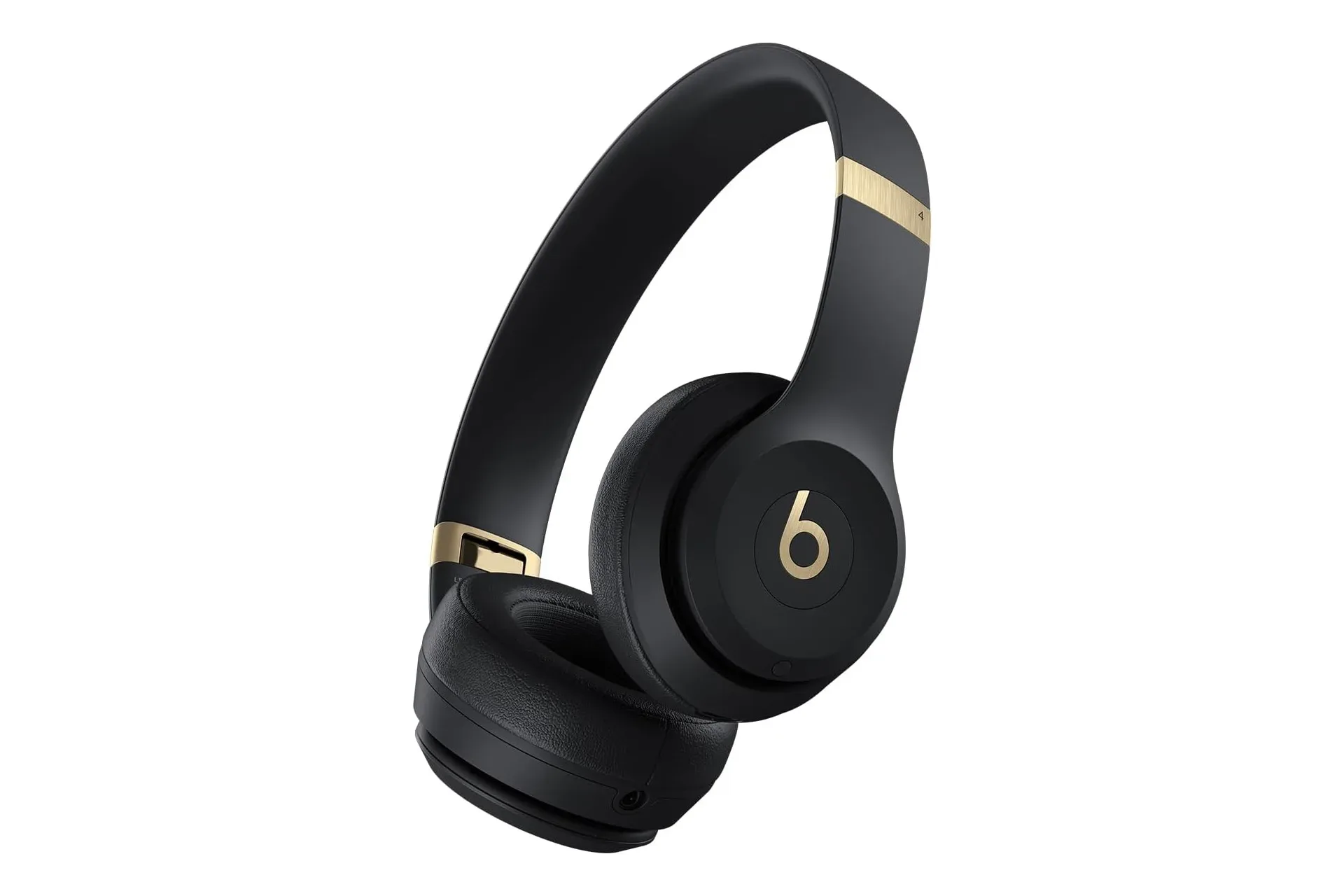
The Beats Solo 4 is listed at $99 across its color range, a reduction from $199 and the lowest price cited for the compact on-ear headphones. Every color is included at roughly the same price, from Slate Blue to Matte Black, so this is not the familiar deal-page miniboss where the advertised price applies only to the one finish nobody wanted.
For players, the meaningful part is less about a future night in Grand Theft Auto VI than the connection options available right now. The Solo 4 includes a 3.5 mm cable, offers wireless Bluetooth listening, and can take audio from a PC through USB-C. That makes it a flexible general-use headphone at the sale price, rather than a device useful only with one phone or one gaming setup.
The discount is timely for anyone building a more comfortable home setup before Rockstar’s next open-world radio dial starts demanding attention. There is plenty of interest around the game already, including discussion of its visual character and atmosphere in this look at GTA VI’s “texture”. Still, a prospective game is not a reason by itself to buy headphones. The better case is practical: assess whether the Solo 4’s three listening modes solve a problem in the player’s existing setup.
The 3.5 mm cable is the standout console convenience
Wireless headphones are easy to understand on paper, but consoles complicate the picture. The supplied 3.5 mm cable can connect the Solo 4 to the headphone jack in a PS5 DualSense controller, delivering wired audio without relying on the headphones’ battery. That is a straightforward couch-gaming solution: connect the cable, put on the headphones and route sound through the controller.
It also has a useful consequence for long sessions. In this wired mode, the headphones do not consume their own battery power. A player who prefers a cable at the console can reserve charging for trips, phone listening or other wireless uses. It is not a glamorous feature, but it is exactly the kind of low-friction fallback that is valuable when a headset runs flat at the wrong moment.
“On-ear” deserves emphasis here. The Solo 4 sits on the ears rather than enclosing them. Beats describes a flex-grip headband, angled earcups and UltraPlush cushions intended to provide stable, long-wear comfort without excessive squeeze. Those design goals may appeal to someone who dislikes large over-ear headphones, but fit remains individual. No specification can determine whether on-ear pressure will be comfortable for a particular person over several hours. Buyers considering these specifically for marathon sessions should regard the form factor as a genuine decision point, not a footnote.
What the 50-hour battery figure actually means
Beats rates the Solo 4 for up to 50 hours of wireless listening. “Up to” is important: it is a manufacturer maximum, not a promise that every use pattern will land on precisely 50 hours. Even so, the number makes the core benefit clear. The headphones are positioned for people who want to spend less time thinking about charging between gaming, commuting and everyday music listening.
Fast Fuel is the other relevant battery feature. A 10-minute charge is rated to provide up to five hours of playback. In practical terms, that can turn a forgotten charge into enough listening time for an evening rather than forcing the player to abandon wireless use altogether. And the bundled analog cable provides a separate contingency plan when charging is not possible or simply not worth bothering with.
Related coverage includes Beats Solo 4 Fall to $99 Across Colors During Black Friday Week.
That combination creates three distinct approaches:
- Wireless listening: use Bluetooth when moving around, listening from a compatible device or avoiding a cable.
- Wired controller listening: use the included 3.5 mm cable with a DualSense for battery-free PS5 audio.
- USB-C computer listening: connect to a PC over USB-C for high-resolution lossless audio support.
The key limitation is that these are audio-connection choices, not evidence that the Solo 4 is a dedicated competitive gaming headset. The available details mention two beam-forming microphones for calls and a stable Class 1 Bluetooth connection, but do not establish platform-specific game-chat behavior, controls or other gaming-headset features. Anyone buying mainly for multiplayer communication should confirm that the intended console and chat setup meet their needs before treating the Solo 4 as a complete replacement for a purpose-built headset.
USB-C gives PC users a separate audio path
On a PC, the USB-C port does more than replenish the battery. The Solo 4 can play high-resolution lossless audio through a USB-C connection. Lossless audio means the audio signal is delivered without the compression losses associated with typical Bluetooth transmission. The practical claim is not that every game suddenly becomes a different production, but that a compatible wired PC connection can preserve more detail from a soundtrack or carefully mixed audio track than standard Bluetooth can carry.
This distinction is useful because “wireless” is often treated as the default answer for every device. It does not have to be. A player at a desk who values a direct connection can use USB-C, while someone on a sofa with a PS5 can use the 3.5 mm cable through the controller. The same headphones can then return to Bluetooth for mobile listening away from the screen.
That versatility is a stronger selling point than trying to frame a bass-forward headphone as universally perfect for every genre or every game. Beats says the Solo 4 has custom acoustic architecture and updated drivers, with a retuned sound relative to earlier Solo models. Its stated tuning retains the brand’s punchy, bass-led identity while aiming to leave dialogue intelligible alongside heavier effects. Players who enjoy impact in explosions, music and cinematic action may find that profile appealing; listeners chasing a deliberately neutral sound should recognize that the listed sound character is not framed that way.
Apple-specific spatial features are a bonus, not the universal pitch
On Apple devices, the Solo 4 supports Personalized Spatial Audio with dynamic head tracking. Personalized Spatial Audio adapts playback to the listener’s ear shape, while dynamic head tracking changes the apparent placement of sound as the listener moves their head. The feature is positioned for films on an iPad or games streamed to a phone, where a more surround-like presentation may add immersion.
That is a platform-specific extra rather than a reason to assume identical behavior on every device. The more broadly applicable features in the available information are still the cable, Bluetooth, USB-C PC connection and battery rating. Separating those categories matters for a sensible purchase decision: an Apple owner may value the spatial function, while a PC-and-PS5 player may get more daily value from the two wired options.
What to check before treating $99 as an automatic buy
A drop from $199 to $99 is substantial, and coverage describes the price as an all-time low. But a lower price does not erase product fit. A quick pre-purchase check can keep a sale from becoming another accessory that lives in a drawer:
- Choose the primary connection first. For PS5 listening through a DualSense, the included 3.5 mm cable is the relevant feature. For PC listening, decide whether USB-C audio is useful in the space where the computer sits.
- Consider the on-ear design honestly. Lightweight, compact headphones and long-session comfort are not automatically the same thing for every listener.
- Separate calls from multiplayer requirements. The beam-forming microphones are described for clearer calls in noisy places. Verify any game-chat expectations independently.
- Keep the sound signature in mind. The Solo 4 is presented as bass-forward and energetic, which is a preference, not an objective upgrade for all ears.
- Check the color and final listing details before checkout. The sale is reported across colors at roughly the same price, but product listings and availability can change.
The strongest value proposition here is simple. At $99, the Beats Solo 4 pairs a claimed 50 hours of wireless playback and a short-charge recovery option with two unusually useful wired routes: 3.5 mm for a DualSense controller and USB-C lossless audio for a PC. Those are tangible benefits for a player who wants one portable pair for console, computer and phone use. The on-ear fit and the absence of confirmed gaming-chat specifics are the main reasons to pause and compare the headphones with the demands of a particular setup.
Shop the products
Check current price, model and availability at the retailer.