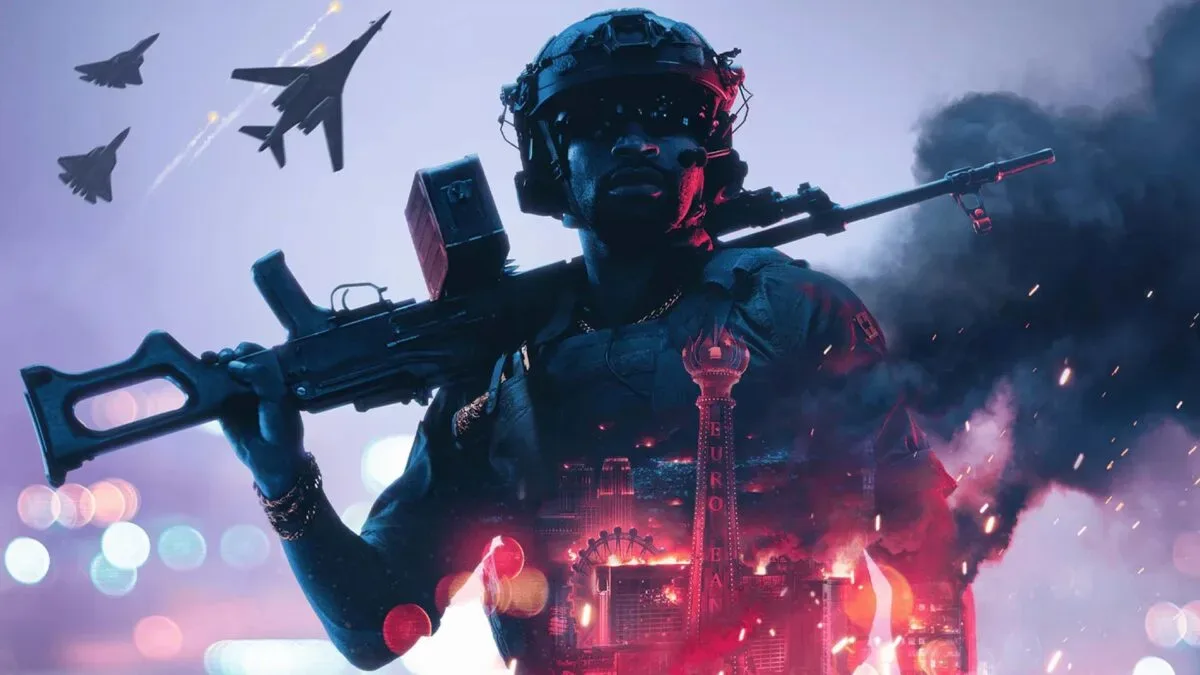
Battlefield 6 has reached its first anniversary as a far better, yet still unsettled, version of the multiplayer shooter that arrived in October 2025. It launched on PlayStation 5, Xbox Series X/S and PC with huge momentum, then rapidly encountered a problem common to live-service games: a community can agree that the foundations are strong while still fiercely disagreeing about almost everything built on top of them.
In Battlefield 6’s case, the recurring arguments have been unusually consistent. Players wanted more space to fight in, questioned whether the game was honoring its grounded visual direction, and scrutinized the quality and origin of some cosmetic assets. The good news for the development teams is that later seasons appear to have supplied more of the maps players were asking for. The harder news is that a strong run of maps does not automatically settle questions about trust, content priorities or the resources available to support the game.
A blockbuster start built on familiar Battlefield strengths
Before release, the open beta exceeded 500,000 concurrent players on Steam. That is a meaningful early signal for a multiplayer game, though it is not a guarantee that enthusiasm will remain at that level. The beta also created a specific expectation: Battlefield 6 was seen as a return to the kind of combined-arms identity associated with Battlefield 4.
That comparison was driven by concrete qualities rather than nostalgia alone. The game’s combat was viewed as grounded, its shooting responsive, its destruction impressive and its performance a priority. In a large-scale first-person shooter, destruction means the ability to alter structures and cover during a match; it matters because it can change sightlines, remove defensive positions and prevent a round from playing out exactly the same way every time. Performance, meanwhile, refers to how reliably the game runs, including its responsiveness and frame delivery. For a competitive online shooter, it is a feature players feel even when they do not describe it in technical terms.
The full launch built on the beta’s excitement. Battlefield 6 passed 700,000 concurrent Steam players in the weeks after release and quickly became one of 2025’s biggest games. It ultimately finished as the year’s best-selling game, ahead of Call of Duty: Black Ops 7.
There were early rough edges. Some players considered progression too grind-heavy, meaning rewards could require more play time than felt proportionate. Changes to Conquest, the series’ signature objective-based mode, also prompted backlash. But those Conquest changes were reversed in under 72 hours. That quick correction established an encouraging precedent: the team could respond when a change clearly clashed with the audience’s expectations.
The map-size debate was not really about size alone
The loudest gameplay complaint began in the beta and followed the game throughout its first year: many players believed Battlefield 6’s maps were too small. That criticism can sound simplistic, but it points to a wider design question. A large Battlefield map is not automatically a better Battlefield map. It needs useful routes, distinct objectives, enough cover, room for vehicles and reasons for infantry squads to move across it. A map that is merely large can turn into long stretches of travel; one that is too compressed can make every fight feel like a bottleneck.
Battlefield 6’s early content made the complaint more acute. The first post-launch battlefield, Blackwell Fields, was criticized as open, small and uninteresting. Then the game’s first truly huge environment arrived in Redsec, its battle royale mode, rather than in the core multiplayer experience where players wanted it.
Related coverage includes Battlefield 6 at One: Strong Maps, Old Disputes and a Crucial Second Year.
That distinction mattered. Redsec’s format was itself contentious because it required squads and incorporated Battlefield 6’s class system in a mode where some players felt that structure did not work well. A battle royale is a last-team-standing format, typically built around a shrinking play area and survival across a single extended match. Conquest is a different proposition: teams contest multiple objectives, vehicles and territory over repeatable rounds. A sprawling battle royale map therefore did not answer the demand for a sprawling Conquest-style battlefield.
Players used the game’s creation tools to adapt the Redsec space into a large, more traditional Battlefield warzone. Its popularity gave the community a practical demonstration of what it felt was missing. Subsequent promises of larger maps raised expectations further, and the delay of Season 2 from January to February showed that the first-season response had serious consequences for the content schedule.
Seasons 2 through 5 changed the conversation
Season 2 began the recovery. Contaminated found favor because it offered broad sightlines, elevation changes and a larger scale. Its reception suggests the issue was not a blanket rejection of close-quarters action; rather, players wanted more room for the different systems in a Battlefield match to breathe. Elevation can give infantry new tactical choices and make vehicles powerful without making every engagement flat and predictable. Big vistas can improve readability too, helping players understand where the battle is moving.
The stronger turnaround came during Seasons 3 and 4, which added returning maps Golumn Railway, Grand Bazaar and Wake Island. Classic maps can bring immediate recognition and a built-in sense of how they should play, but their return also creates a challenge. Players compare them to memories of earlier versions, not only to the new game around them.
Wake Island is especially emblematic of that dynamic. Its appearance in so many Battlefield entries has made it a shorthand for the series’ identity. Bringing it back was a reliable way to excite long-standing players, but it also underlined the need for Battlefield 6 to establish standout places of its own rather than depend indefinitely on legacy settings.
Season 4 made that case with Tsuru Reef. The map combines island combat with naval action and is described as massive. It brought back players who had been frustrated by earlier updates. Inevitably, it also produced an almost comic reversal: some players thought it was too large. That does not invalidate the earlier map-size criticism. It shows why “bigger” is not a complete design brief. Different modes, squad styles and vehicle preferences produce different definitions of an ideal battlefield.
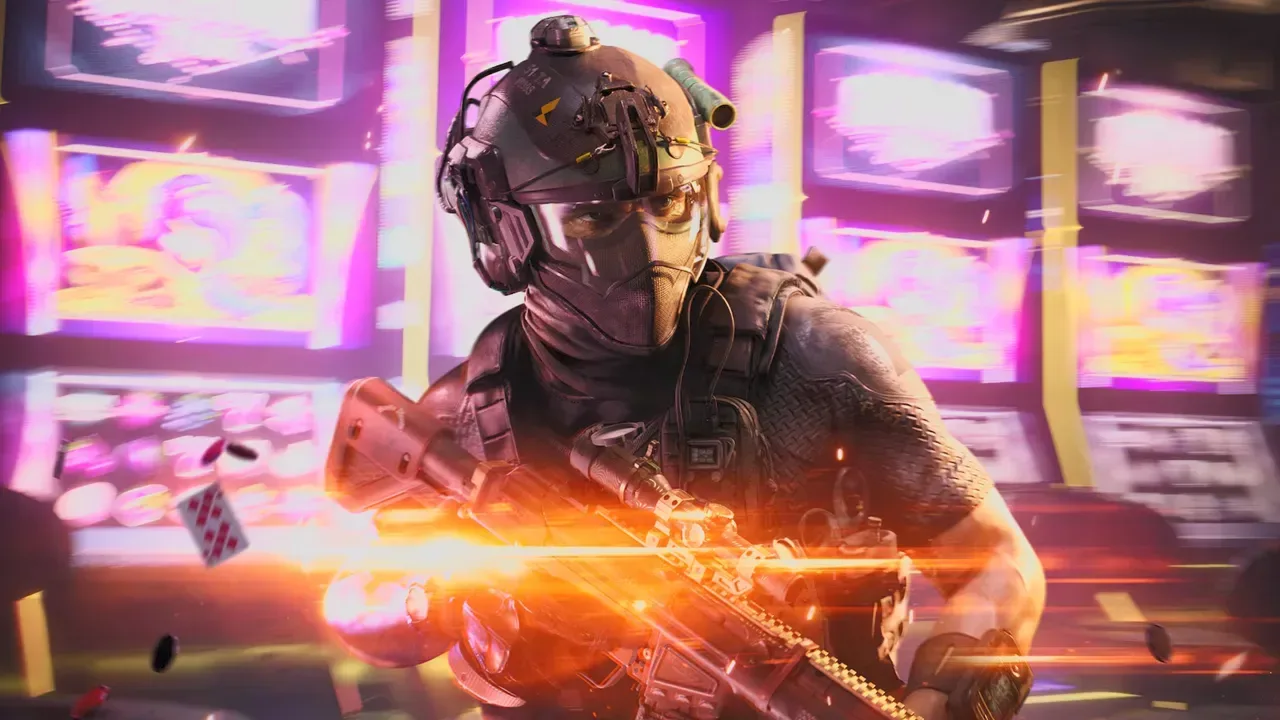
Season 5 has continued the more positive trend. Its Las Vegas and Area 51 maps have drawn praise not only for their scale but also for their distinct themes and the experiences they offer. That matters more than a simple content count. New locations that can stand beside returning favorites suggest that Battlefield 6’s current teams can create memorable original battlegrounds, rather than treating the past as the only dependable answer.
The cosmetic promise remains a trust issue
Map quality has improved, but Battlefield 6’s argument over cosmetics has become more intense. Before launch, the game’s visual approach was framed as grounded and realistic, amid concern that it might drift toward deliberately outlandish crossover-style outfits. A proposed blue-tinted skull-mask cosmetic, dubbed “Blue Bro” by players, became an early flashpoint. Its visual intensity was later reduced, satisfying at least part of the audience.
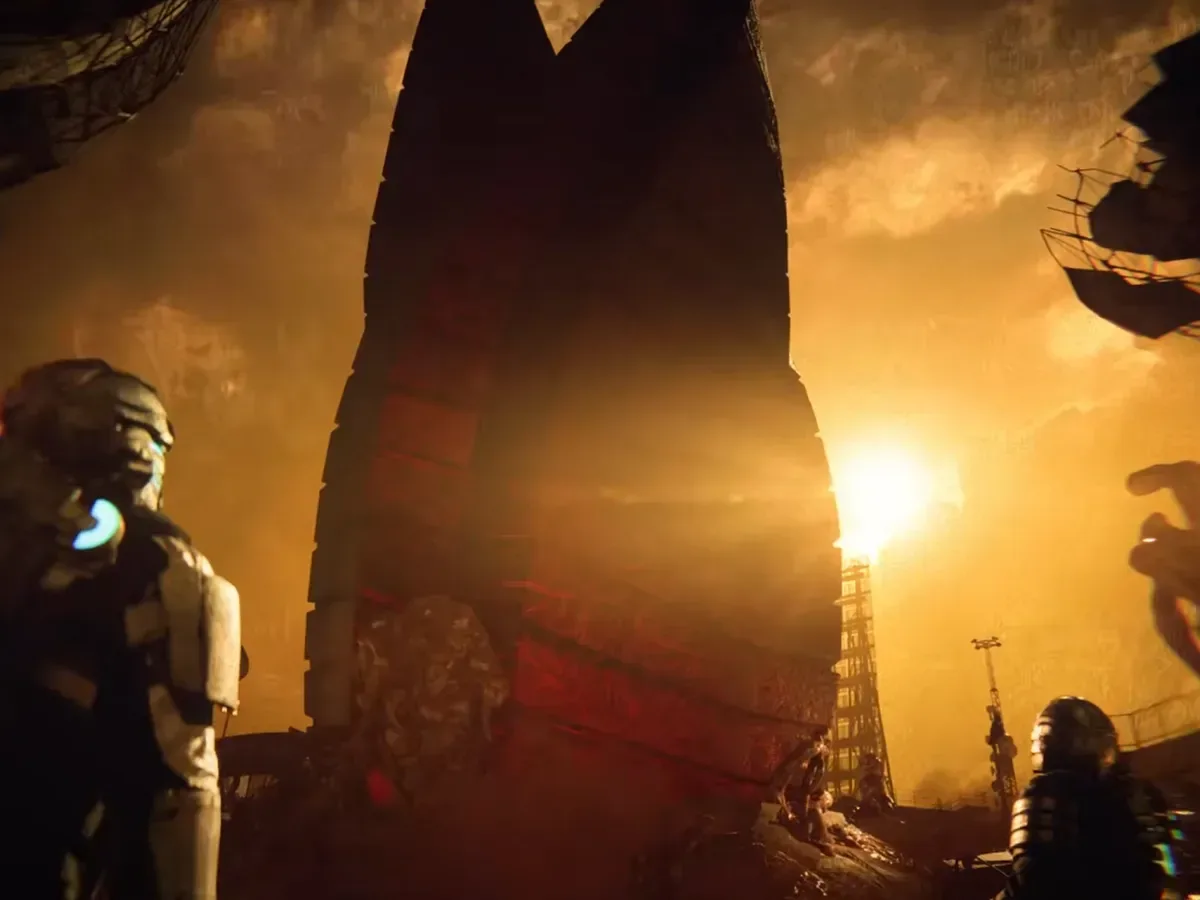
The latest dispute centers on a Dead Space-themed Halloween event. The limited-time nature of the event is important context: some players see a seasonal collaboration as harmless variety, not a permanent change in the game’s identity. Others see it as a breach of the earlier commitment to a more believable visual tone. Both positions flow from the same underlying point: cosmetic design is not just decoration in an online shooter. It affects the atmosphere players see in every match and communicates what kind of game the publisher intends to operate over time.
There have also been allegations that AI-generated material has made its way into in-game assets. Earlier scrutiny focused on an emblem that was changed after it was added. More recently, players have pointed to skins with typographical errors, unusually large numbers of pistols and other conspicuous oddities. These are allegations and visual observations, not a demonstrated account of how every questioned asset was made. Still, the controversy has practical consequences. When artwork looks careless, players can reasonably ask whether review processes were adequate, regardless of the tools involved.
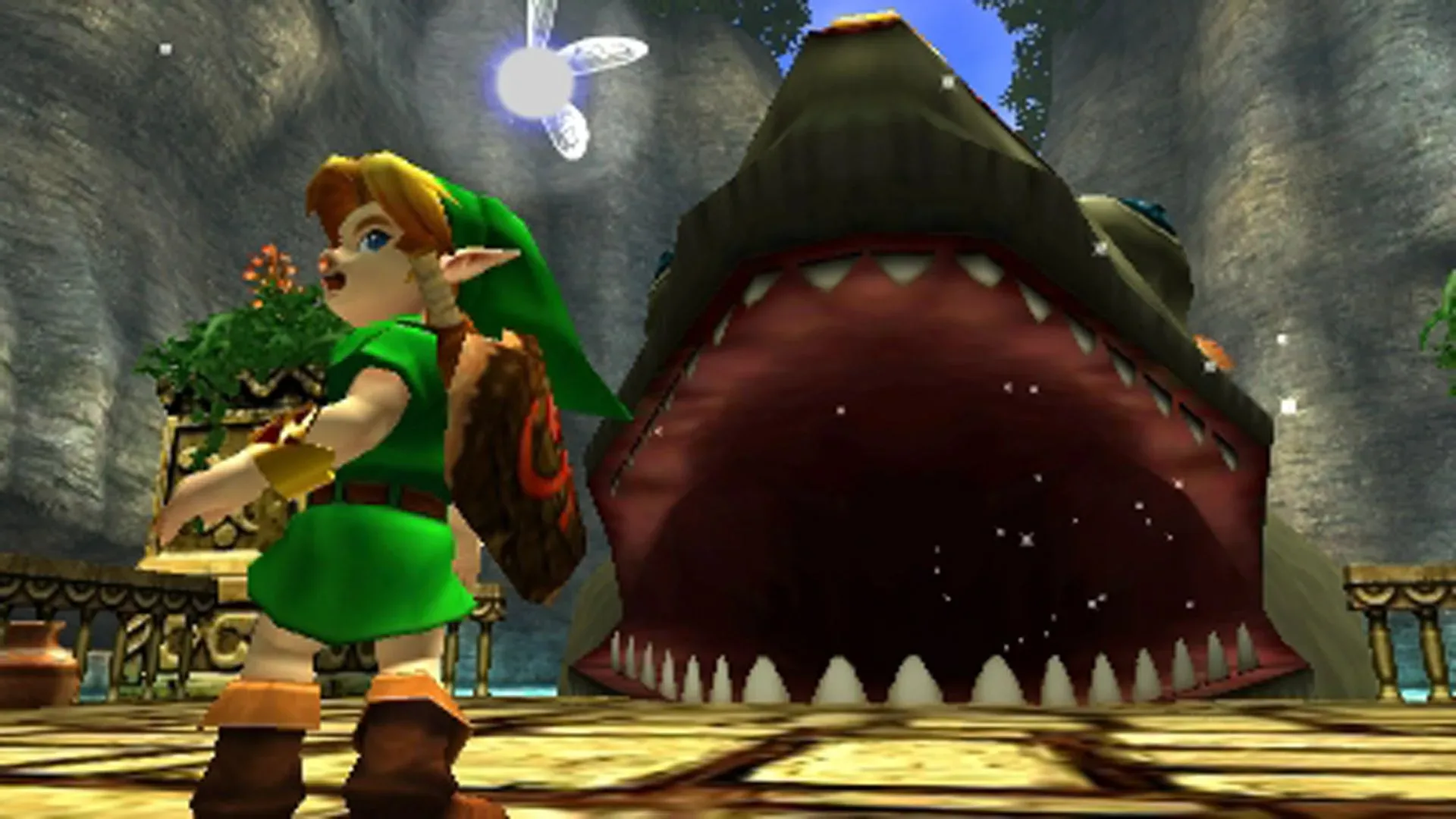
The concern also lands differently during a period when game-development craft is under close discussion. Technical limitations have always shaped how games look and function; for an older example, Nintendo 64 constraints helped turn Navi into the small ball of light players know. But a constraint-driven creative solution is very different from the perception that routine cosmetic work may have received insufficient human care. Battlefield 6’s issue is ultimately one of confidence: players want the game’s visual standards to match the care they see in its best maps.
Success did not shield the people making the game
Battlefield 6’s commercial results did not prevent layoffs across the teams that make up Battlefield Studios. EA announced those cuts in April, while chief executive Andrew Wilson received a $38 million bonus. The juxtaposition has understandably colored discussion of the game’s future. A live-service shooter needs sustained production: maps, modes, fixes, balancing, art and communication all take continuing work. Staffing reductions can make that ongoing responsibility harder even when the product is selling well.
That uncertainty is particularly relevant now. The game is no longer in the glow of its launch, but it is well clear of the low point represented by Season 1. The present mood is broadly stable, with recent maps providing reasons for optimism. What comes next depends on whether Battlefield 6 can maintain that map quality, address requested features and resolve bugs without reigniting the disputes that weakened player goodwill in its first months.
The first year has offered a useful lesson in what the Battlefield audience values. It values responsive action and destruction, but also scale with purpose. It enjoys returning favorites, but wants new maps worthy of becoming favorites themselves. And it does not treat cosmetics as a trivial menu item when those cosmetics challenge the game’s stated tone. Battlefield 6 has earned itself a more promising second-year runway. Keeping it will require more than simply making the next map bigger.