Housing Works’ second annual Turn It Up! auction is bringing music memorabilia, original art and photography together for a charitable sale that supports a New York City nonprofit’s work around housing, healthcare and social justice. Bidding is open through October 1, 2026.
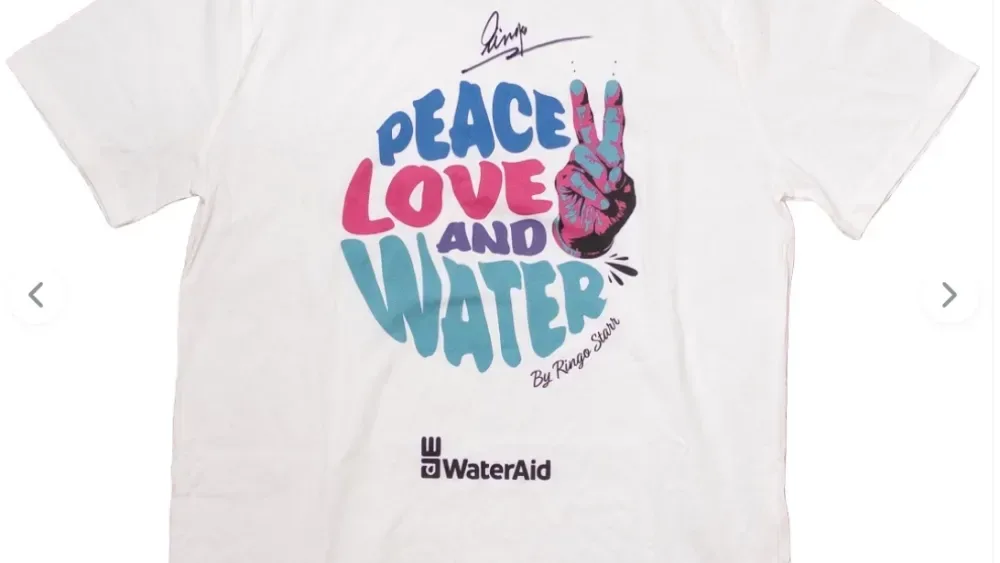
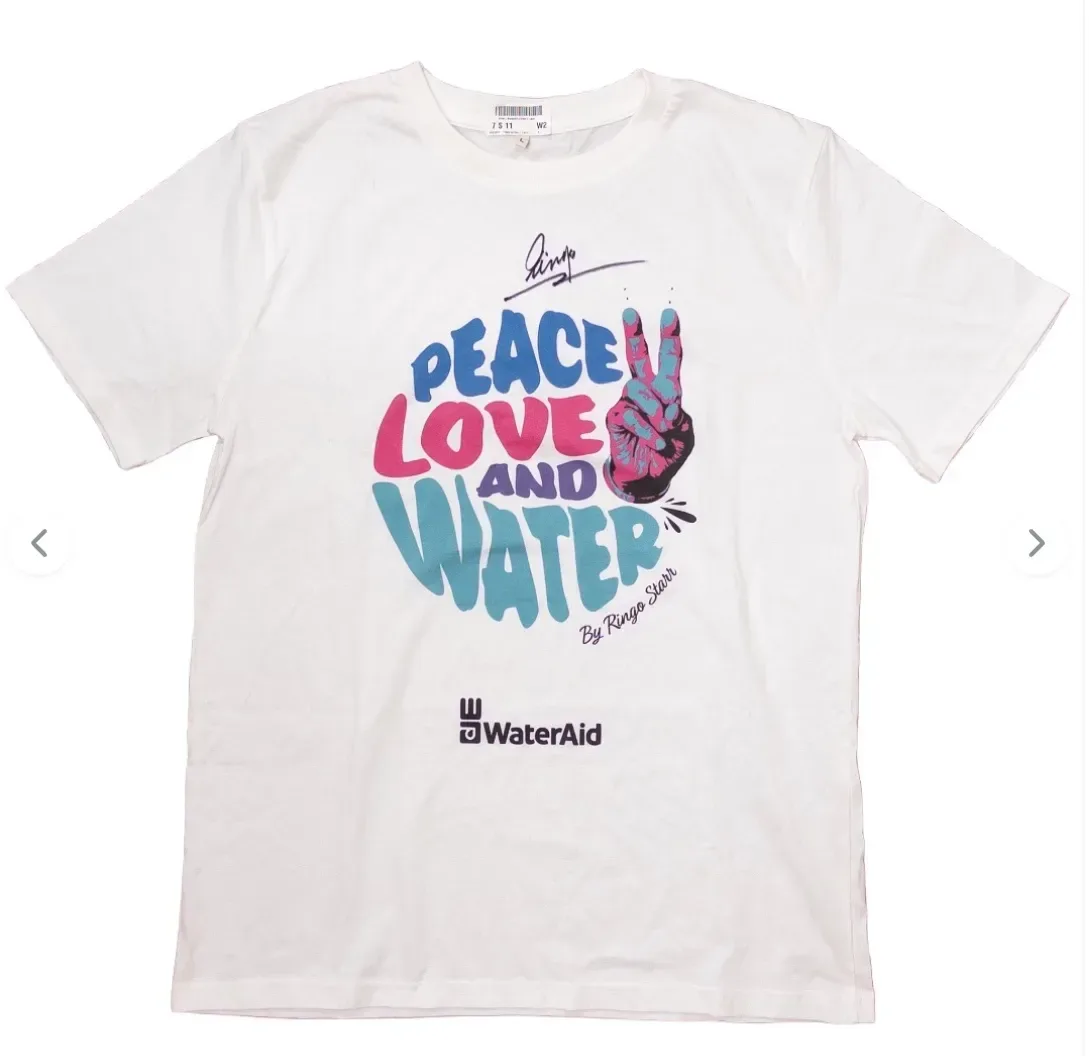
The donated lineup includes contributions from Ringo Starr, David Byrne, Joan Baez, Matt Berninger, Ani DiFranco, Richard Hell, Def Leppard drummer Rick Allen and photographer Bob Gruen. Among the highlighted lots are a Starr-autographed T-shirt, original artworks by Byrne and Baez, Allen’s signed drum head, and a color print of Gruen’s photograph of John Lennon at the Statue of Liberty.
What is in the Turn It Up! auction?
The auction’s appeal is not confined to a single kind of collectible. It spans signed apparel, an instrument-related piece, visual art and photography, which means prospective bidders should look at each object on its own terms rather than treating the whole sale as one uniform celebrity-memorabilia category.
- Ringo Starr: an autographed T-shirt.
- David Byrne: an original artwork.
- Joan Baez: an original artwork.
- Rick Allen: a signed drum head.
- Bob Gruen: a color print of John Lennon in front of the Statue of Liberty.
Matt Berninger, Ani DiFranco and Richard Hell are also among the contributors. The supplied auction details establish their participation, though they do not identify the particular items attached to each of those names.
That distinction matters for collectors. A name on a donor roster tells a buyer that an artist took part; it does not, by itself, describe an item’s medium, condition, edition details or signature placement. Those details should be checked in the individual lot listing before someone commits to a bid.
Why the Gruen Lennon print carries more than a music connection
Bob Gruen’s John Lennon image has an explicitly political and symbolic context supplied with the auction entry. Gruen said the photograph was suggested while the U.S. government was attempting to deport Lennon because of Lennon’s support for the peace movement during the Vietnam War. Placing Lennon before the Statue of Liberty was intended to underline the idea of America welcoming people.
“Since Lennon’s death, this photo has taken on a new meaning as people think of John Lennon in terms of personal freedom similar to the Statue of Liberty.”
For a photography buyer, that background changes the way the lot can be understood. It is not merely a recognizable portrait of a famous musician, nor simply a New York image. Its location and staging are central to its meaning: Lennon appears beside a national symbol associated with liberty and welcome, while facing a government deportation effort linked in the entry to his peace activism.
Related coverage includes Ringo Starr, David Byrne and Joan Baez Items Join Housing Works’ Turn It Up! Auction.
It also illustrates why provenance and context are separate but complementary ideas. Provenance is the recorded history that helps establish where an object came from and how it has been handled. Context is the story explaining what an object depicts or why it was made. The supplied description offers meaningful context for this particular image; bidders should consult the listing for the lot-specific information relevant to the print itself.
How the item types differ for collectors
A signed T-shirt, a drum head, original artwork and a photographic print may share a celebrity association, but they are not interchangeable collectibles. Their practical care needs, display options and documentation questions differ significantly.
Autographed apparel
The Ringo Starr lot is apparel carrying an autograph. With signed clothing, the signature is generally the primary point of collector interest, while the garment itself is both a display surface and a material that can be vulnerable to light, friction and handling. A bidder would reasonably want to review the auction photographs and description closely to understand how the signature is presented and what documentation accompanies the lot.
Signed drum head
A drum head is the membrane stretched across a drum, making it a music-related object with a direct visual connection to percussion. Rick Allen’s signed drum head should appeal to a different collecting instinct than a signed shirt: it references the physical vocabulary of drumming even when the supplied information does not say it was used onstage or in a recording. Buyers should not infer use history that is not stated in the listing.
Original artwork
The Byrne and Baez donations are identified as original artworks. “Original” is an important category label because it distinguishes a one-of-one work from a reproduction or an editioned print, but it is still only the beginning of an informed look. Medium, dimensions, signing, dating and condition are all practical questions that are not provided in the supplied details. The auction listing is the appropriate place to confirm them.
Photographic print
Gruen’s Lennon piece is described as a color print. For photography, collectors often care about the specific print’s format, size and edition information, when disclosed, alongside its visual and historical significance. No edition size or production details are included here, so bidders should avoid assumptions and rely on the individual entry.
A charitable auction has two values at work
A charitable auction is a sale in which bidding raises funds for an organization’s mission. The winning bid therefore has two connected dimensions: the purchaser receives the offered lot, while the sale supports the nonprofit’s work. That does not eliminate the need for careful bidding, but it does explain why such auctions can bring together items that would not naturally sit in a conventional single-artist or single-medium sale.
Housing Works was founded in 1990 by people living with HIV/AIDS and their allies during the AIDS crisis. It emerged from an urgent need for housing, healthcare and support for people living with HIV/AIDS. Its work has since expanded to include housing instability, homelessness, healthcare access, HIV/AIDS and social justice.
The organization provides direct services including housing, healthcare, behavioral healthcare and supportive services. It also advocates for policy changes affecting New Yorkers facing homelessness, poverty, barriers to healthcare and housing instability. The fundraiser’s music and art contributions therefore sit within a wider mission tied to New York City communities that have historically faced serious obstacles to housing and healthcare.
Practical bidding checklist
The auction closes October 1, so a focused approach is more useful than trying to treat every lot alike. The sale details provided identify headline objects, but the auction’s own item pages are where prospective bidders can determine the particulars that matter to them.
- Read the exact lot description. Confirm the artist or donor, object type and any stated information about the signature, medium or print.
- Look carefully at the photos. Images can help a bidder understand the presentation of a signed T-shirt, the surface of the drum head, or the visual character of an artwork or photograph.
- Separate what is stated from what is assumed. The available details call Allen’s item a signed drum head, for example; they do not say it was performance-used. The difference can be substantial to a collector.
- Consider the object after the auction. Framing may make sense for art and photography, while apparel and a drum head require their own display and preservation decisions.
- Set a limit before bidding. A charitable mission can be a meaningful reason to participate, but a planned ceiling helps keep a competitive auction from turning into an impulsive purchase.
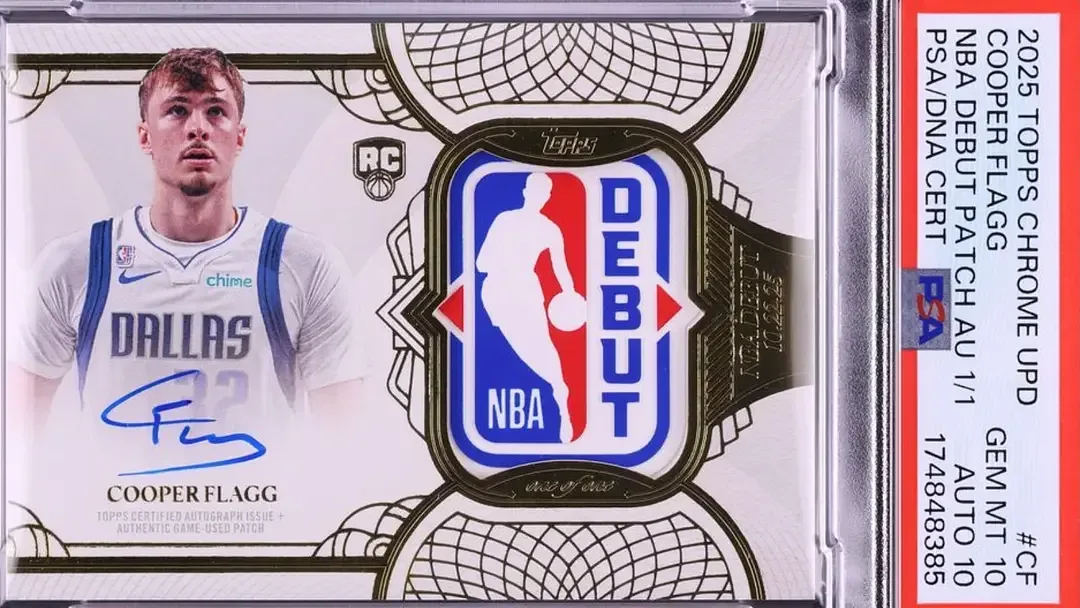
Collectors following the wider auction world may recognize a familiar dynamic: items can become especially compelling when their cultural connection is paired with a clear story and a specific use for the proceeds. That same tension between memorabilia, narrative and market attention appears in high-profile auctions for debut patches and historic jerseys, even though the objects and collecting communities are different.
What not to overstate
The current information supports several clear points: Turn It Up! is Housing Works’ second annual auction; the listed contributors include major figures from music and photography; and bidding runs through October 1, 2026. It does not provide estimates, final prices, edition sizes, condition reports, shipping terms or authentication procedures for the individual lots.
That uncertainty is not a flaw in the sale; it is a reason to use the lot pages as the decision-making record. For collectors, the strongest purchase is one made with a clear understanding of exactly what the object is, what is documented about it and how it fits a collection. For supporters of Housing Works, the added significance is that the bid also contributes to services and advocacy centered on housing and healthcare access in New York City.