Arkham Horror Remastered’s crowdfunding campaign has entered the kind of late-stage endurance test that seems fitting for a game about staring down cosmic dread. The Gamefound project has continued for an additional 108 hours beyond its original deadline through an “Endgame” extension, with more than $803,000 added during that extended period. Total backing has moved beyond $5.7 million.
The extension is not a conventional fixed-length overtime period. Instead, every new pledge resets a 10-minute countdown. The campaign ends only if that timer reaches zero without another backer arriving. That mechanism has kept the project alive for more than four days after its original end point, turning individual pledges into both purchases and votes to keep the campaign active.
How the Endgame timer works
Endgame is the campaign’s name for a rolling countdown. Once the project entered this phase, a 10-minute clock began running. Each fresh backer sends that clock back to 10 minutes; no pledge means the timer continues toward zero and the campaign closes.
It is a simple structure, but it changes the feeling of a deadline. A normal crowdfunder has one known finish time. Here, the finish is determined by backer activity. That makes the closing period potentially brief, but also potentially much longer than expected when supporters continue arriving.
The practical implication for interested buyers is uncertainty: the campaign remains open while the timer is repeatedly refreshed, yet there is no reliable way to predict exactly when that will stop. A person considering a pledge cannot assume there will be another day, another evening, or even another 10 minutes once activity slows.
A return to Arkham Horror’s 2005 style
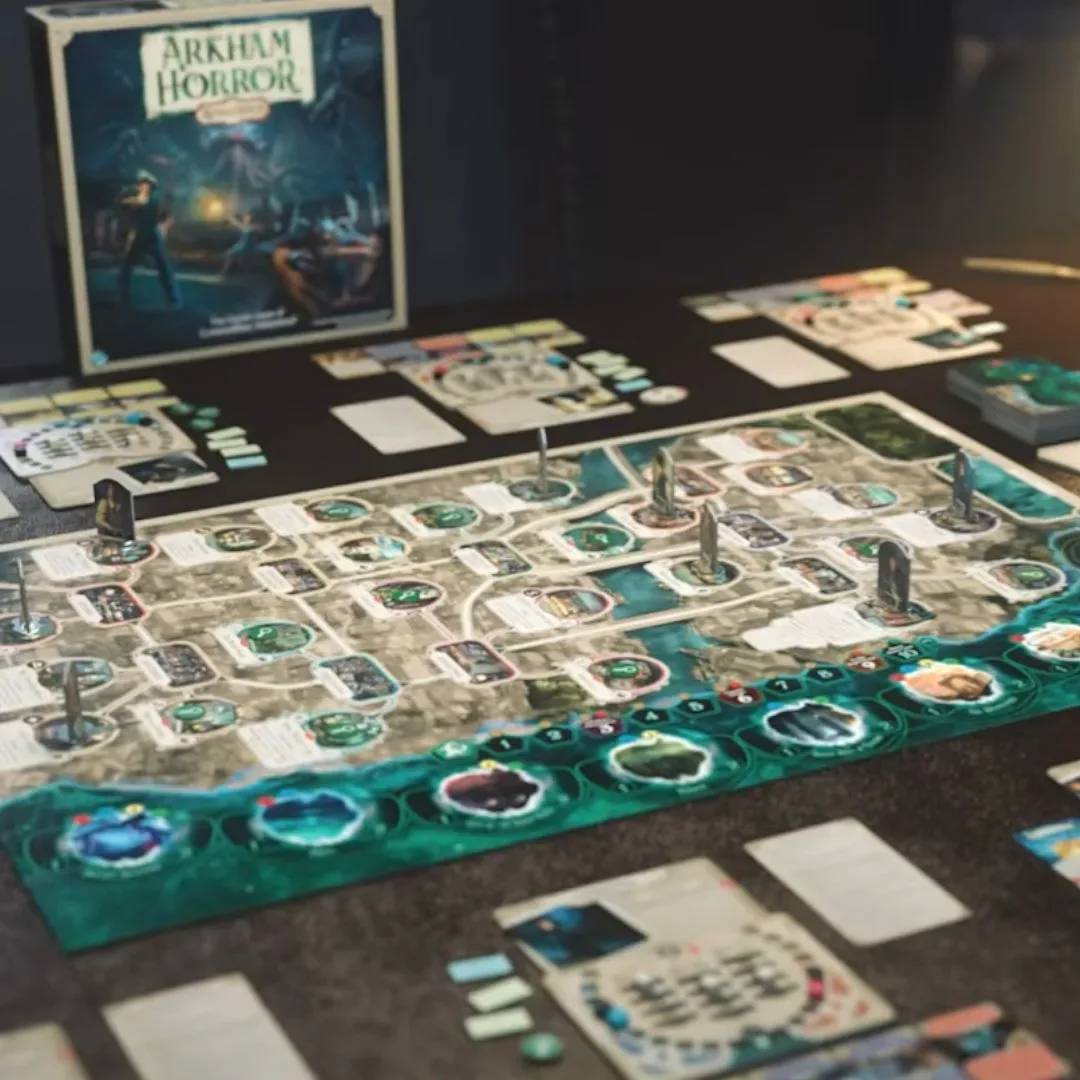
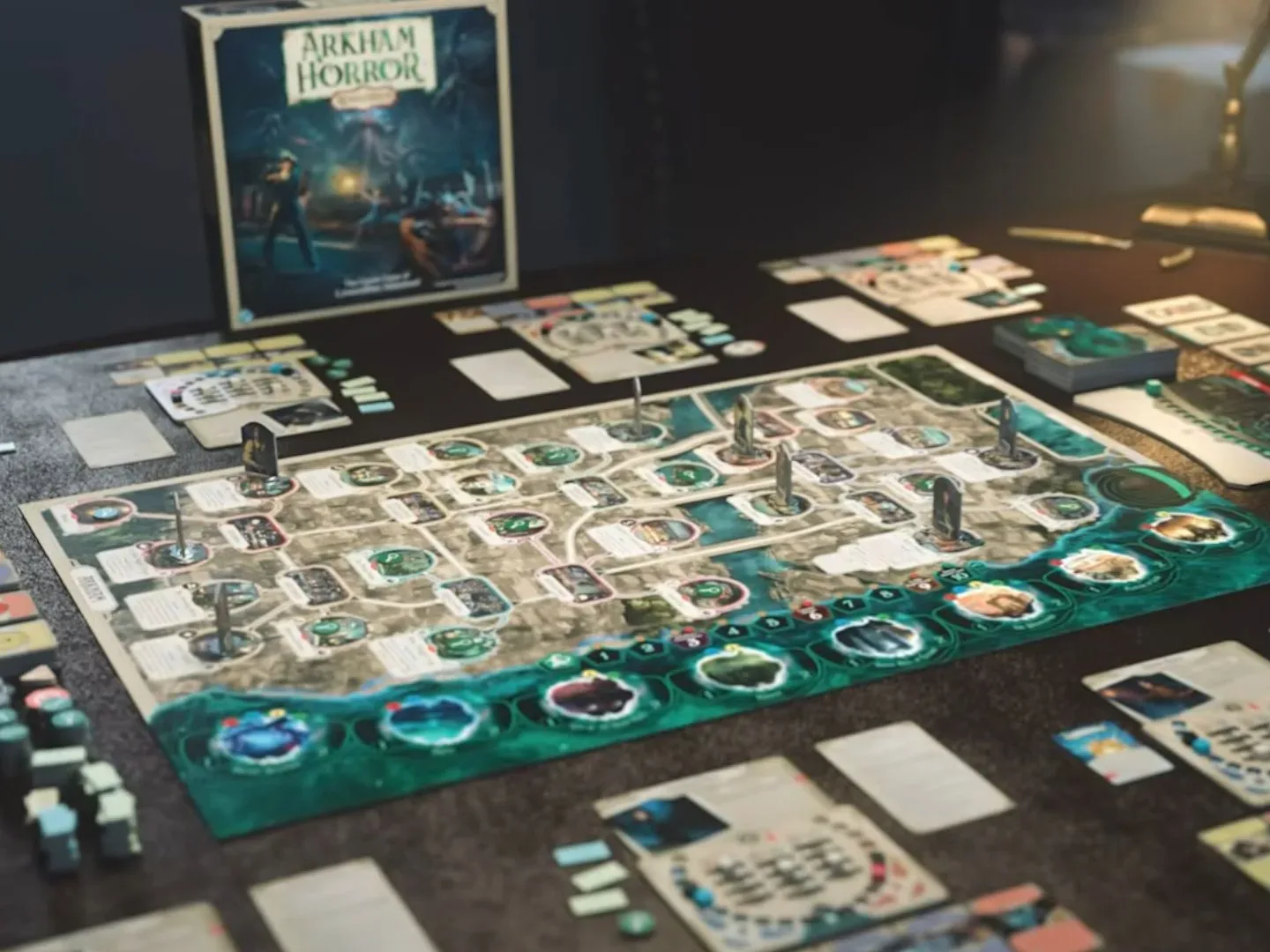
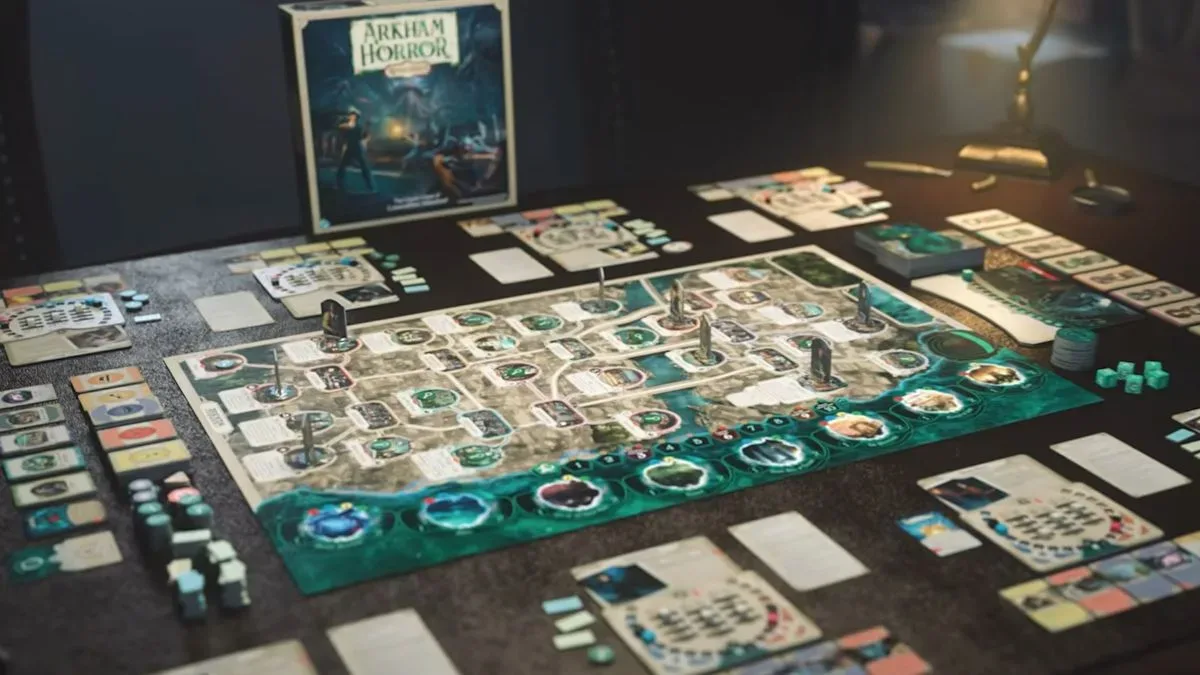
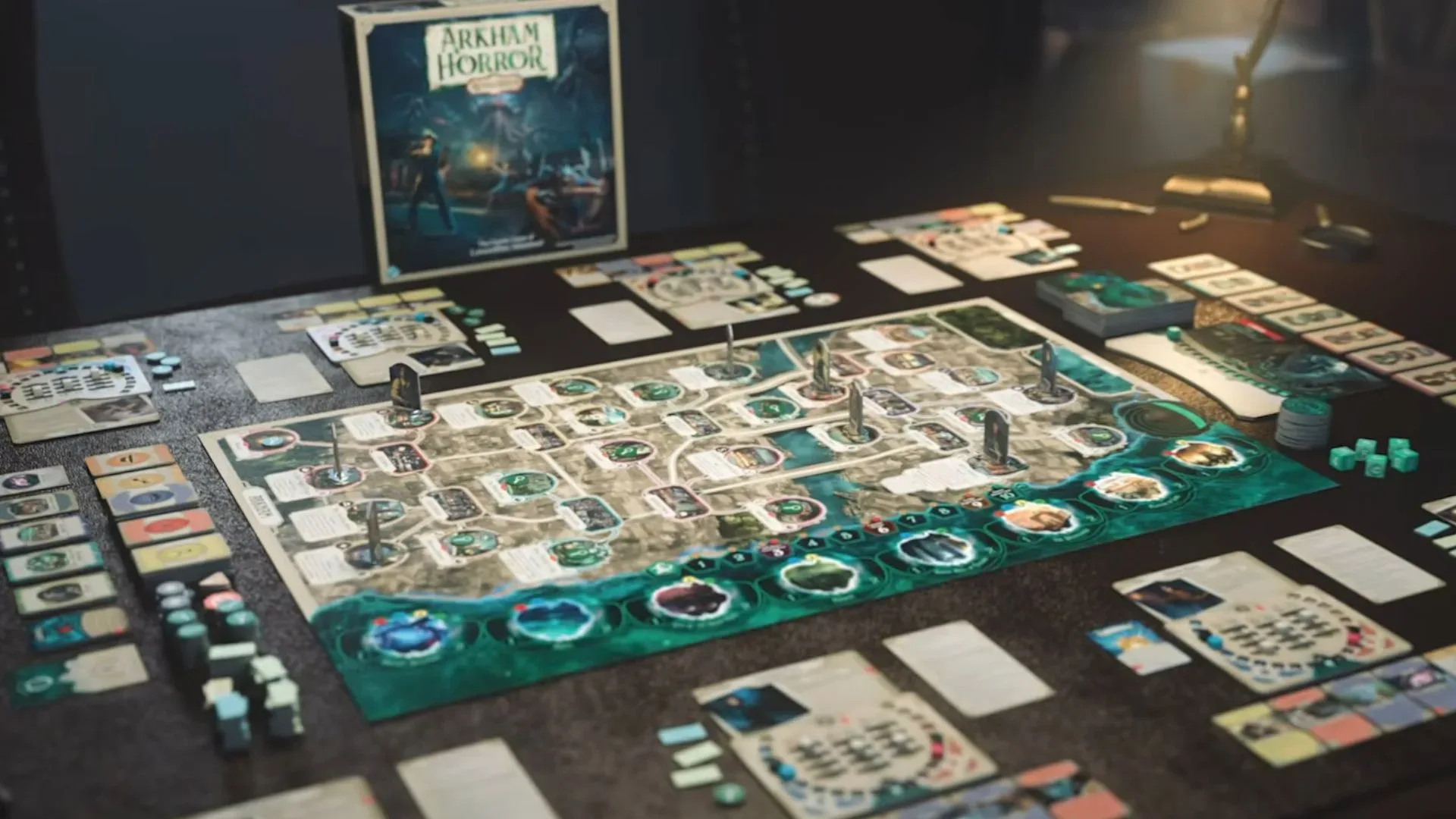
Arkham Horror Remastered revisits the 2005 edition of the horror board game, a version that has been out of print for a long time. The project is therefore not positioned as a replacement for the currently available edition so much as a return to a distinctly different approach.
The modern version is described as quicker and more streamlined. The 2005 game, by contrast, is more involved and more systems-heavy. In tabletop terms, “streamlined” generally means that a game reduces steps or complexity to move players through play more quickly. A more “crunchy” design asks players to engage with more detailed rules and procedures. Neither label automatically means better; they signal different priorities and audiences.
For players who value a faster route into an Arkham Horror session, the current edition remains the more direct option. For people specifically drawn to the fuller, more intricate 2005-style experience, the Remastered campaign is built around that appeal. Its backing total and prolonged Endgame phase suggest there is substantial interest in seeing that older design returned in a new form.
Why the campaign’s continued run matters
Availability is central to the campaign’s urgency. Arkham Horror Remastered is planned as a Gamefound-only release rather than a product destined for retail shelves. In other words, this campaign is presented as the route to obtain the game, not merely an early ordering window before a broader store release.
That distinction matters for collectors as much as for players. Retail availability typically gives buyers another chance to compare stock, wait, or purchase later. A campaign-exclusive release instead ties the buying opportunity to the crowdfunder itself. Anyone interested should read the campaign terms closely and make their choice based on the information available before the rolling timer finally expires.
The situation also underlines a broader divide within physical games: a title can be commercially successful and still be difficult to obtain later if its distribution is limited to a single campaign. That does not establish anything about future values or rarity, and no such outcome can be assumed. It does mean that access, rather than a retail discount or standard restock, is the immediate consideration.
Physical releases can remain a meaningful part of game culture even as other corners of the industry focus on digital storefronts and live updates. For a different snapshot of the continuing importance of boxed-game demand, see the report on Ocarina of Time Remake’s UK physical sales lead.
Milestones add more than a bigger funding total
The extension is also linked to ongoing unlocks. Every 24-hour milestone reached during Endgame adds a new gameplay element, while every six hours that the timer remains active adds an exclusive art postcard. This creates two parallel incentives: longer campaign activity can alter the game package itself, while the postcard additions provide collectible physical extras.
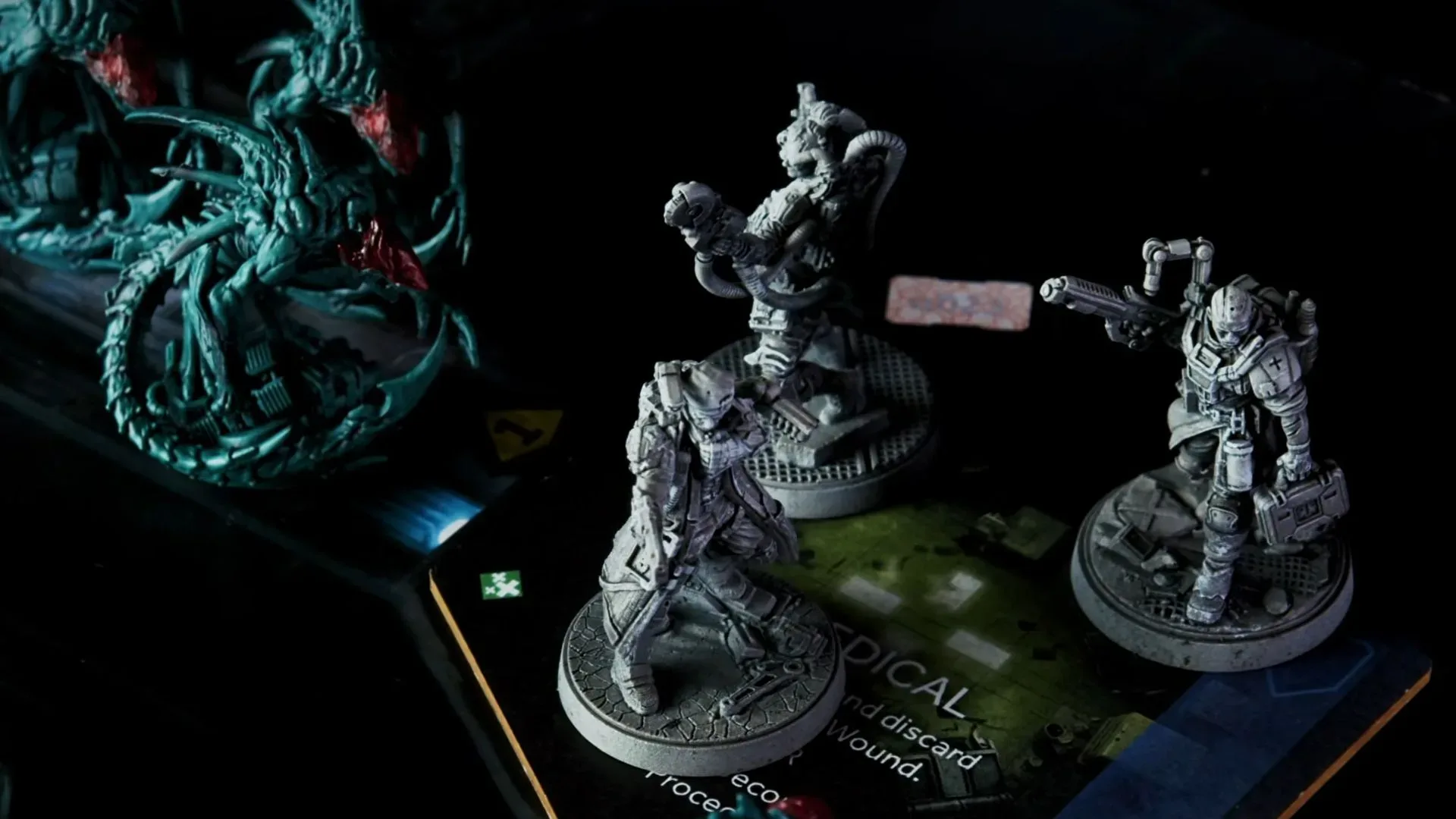
Several stretch goals have already been unlocked. Those additions include new characters, additional monsters and token holders designed to resemble eldritch gates. The token holders are a practical component as well as a thematic one: rather than being merely decorative, they are intended to hold game pieces, while their design ties them visually to Arkham Horror’s supernatural setting.
An Arkham Asylum postcard remains among the items still to be unlocked. Another prospective addition is Louis Brown, a hero character. These remaining goals make the Endgame period more than a final count of pledges. Continued backing can affect which extras are ultimately included.
Stretch goals and campaign extras, explained
A stretch goal is an additional item or feature tied to a crowdfunding milestone. It sits beyond the project’s initial funding target, which is the level needed to move forward with the core offering. In this case, unlocked stretch goals encompass gameplay content such as characters and monsters, plus physical accessories.
That distinction is useful for prospective backers. A new character or monster can change the range of options available during play. A postcard is a non-gameplay collectible, while a token holder may make components easier to organize at the table. They are not all the same kind of addition, even when they are part of the same overall campaign package.
The campaign had already reached its original funding goal quickly after going live. The subsequent Endgame activity has consequently focused on sustaining the project’s final phase and unlocking additional items, rather than determining whether the initial game will be funded.
What interested backers should weigh
The clearest reason to consider backing is also the narrowest: the game is said to be exclusive to this Gamefound campaign, with no retail release planned. That makes the decision time-sensitive. However, urgency should not replace careful reading. A prospective buyer should check the campaign’s pledge details, the contents associated with their chosen tier and the status of any stretch goals before committing.
- Know which edition appeals to you: Remastered is built around the deeper, more elaborate 2005-style game rather than the faster modern edition.
- Separate gameplay additions from collectibles: characters and monsters are different from postcards and component organizers.
- Watch the timer, not an assumed calendar date: a pledge refreshes the 10-minute countdown, so the ending is activity-driven.
- Do not count on retail later: the campaign is described as the only planned way to acquire this version.
There is no stated way to know when the current run will end. What is clear is that the community has already kept the campaign active for 108 hours beyond the original deadline, driving it past $5.7 million and adding more than $803,000 during that extension. For Arkham Horror fans seeking this particular return to the 2005 design, the Endgame clock has become the final variable.
Shop the products
Check current price, model and availability at the retailer.