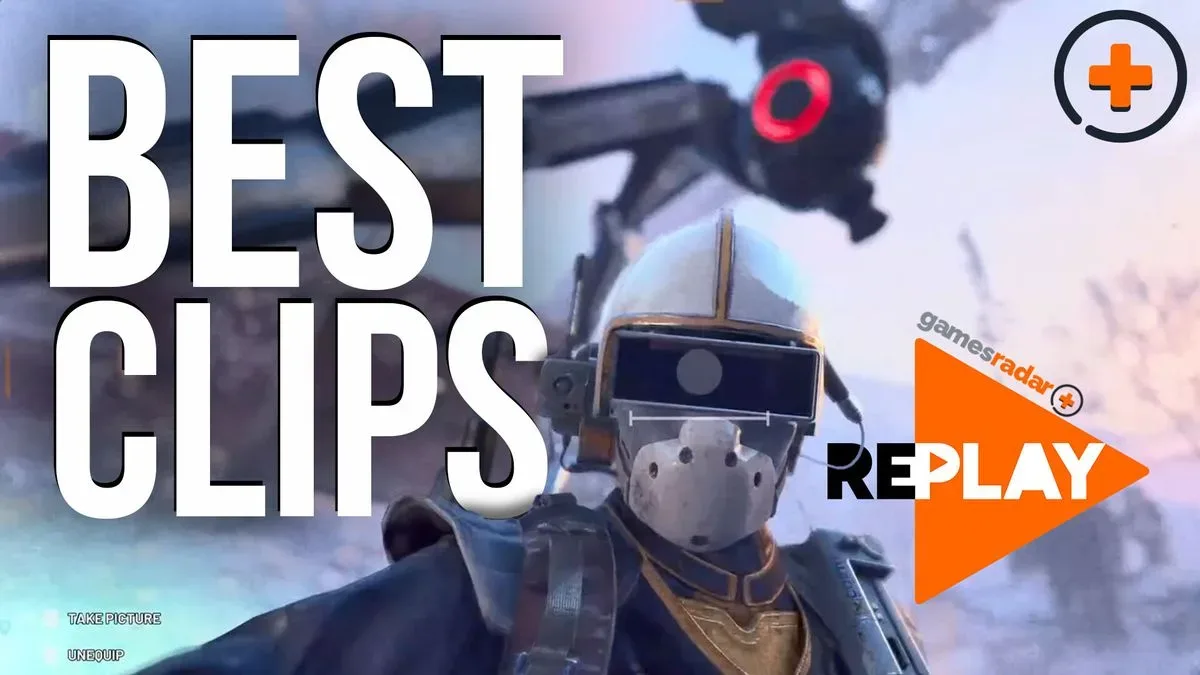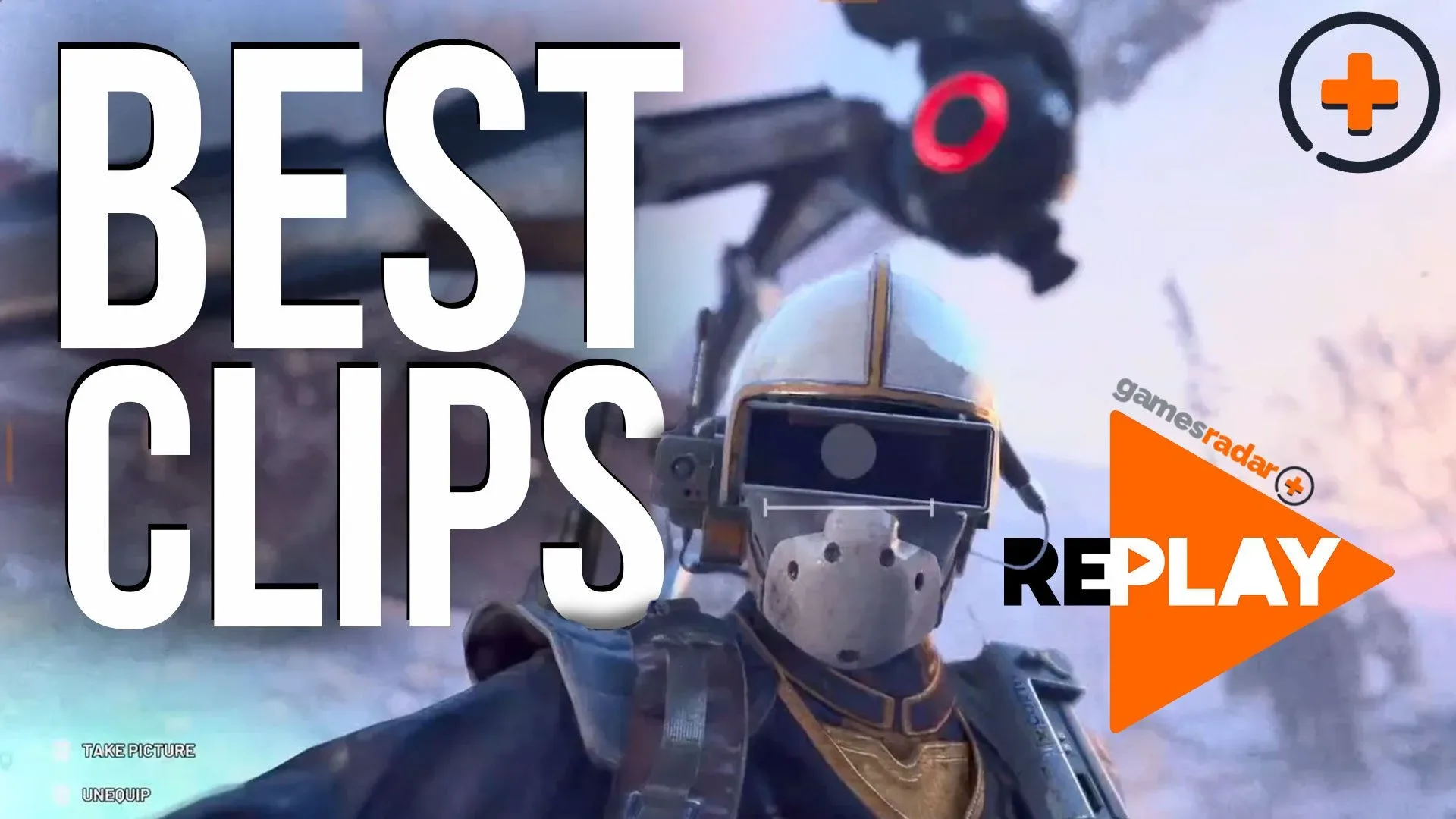
Some of gaming’s best moments are the ones nobody could have storyboarded: a routine snapshot that ends badly, an ordinary bit of street furniture that suddenly becomes a menace, or physics deciding it has different plans for everyone involved. An October community clip roundup puts that unpredictability front and centre, gathering memorable player-captured footage from a broad range of games.
The featured highlights include lethal selfies in Arc Raiders, a killer fire hydrant in Grand Theft Auto, an unusually adorable moment in Battlefield 6, a helicopter-hunting truck in Wardogs, and a Stalker 2 sequence that is, quite literally, airborne. Gears of War: E-Day, Control, Dune: Awakening and Galactic Racers also appear among the games represented.
When a selfie becomes the final mistake
The Arc Raiders clips are framed around a wonderfully modern sort of disaster: stopping for a selfie at exactly the wrong time. That premise works because it turns a familiar player habit into a risk calculation. A screenshot or pose may only take a moment, but in a game where danger can interrupt it, that small act of showing off can become the entire story.
It is also a concise illustration of why short gameplay footage is so shareable. The setup needs almost no explanation. There is an attempted photo, an approaching threat and an outcome that is easy to understand even for someone who has never played. The humour comes from the contrast between the deliberate, composed act of taking a picture and the game world’s refusal to pause for it.
That kind of failure is not a strategy guide lesson so much as a reminder about timing. Players recording their own highlights often find that the best clips emerge when an intended plan meets a system, enemy or object behaving in an unexpected way. A perfectly executed encounter can be impressive; a perfectly mistimed selfie has a beginning, middle and punchline.
The ordinary GTA object with an extraordinary result
Grand Theft Auto’s contribution is described simply but effectively: a fire hydrant that proves lethal. It is the sort of incident that makes an open-world game feel entertainingly volatile. The object itself is recognisable and mundane, so the surprise is immediate when it becomes central to a player’s downfall.
These moments are a useful distinction between a clip that is merely chaotic and one that is memorable. A memorable clip has a focal point. Here, the fire hydrant is that focal point: an unlikely antagonist with enough specificity to make the incident easy to recall. It is not just “something strange happened in GTA”; it is “the hydrant did it.”
The same appeal applies to the Wardogs footage, where a truck is on the hunt for helicopters. Vehicles are usually associated with predictable jobs—getting somewhere, carrying something, or fighting on the ground. A truck pursuing helicopters scrambles those expectations and creates the kind of visual premise that needs little context before viewers want to see whether it succeeds.
Related coverage includes Arc Raider Selfies, GTA Hydrants and More Star in October's Wildest Gaming Clips.
Physics, spectacle and the value of a clear premise
The Stalker 2 selection is described as “quite literally flying,” signalling a physics-driven or movement-driven spectacle rather than a conventional tactical highlight. Clips involving unexpected airtime are particularly effective because they provide a strong visual read: something that ought to be grounded is no longer grounded. Whether the cause is a collision, momentum, level geometry or another in-game interaction is not specified, and the footage should be allowed to speak for itself.
This is an important point when sharing or discussing gameplay footage. It is tempting to label every strange outcome a bug, exploit or hidden feature. Those terms mean different things, and none should be assigned without evidence:
- A bug is an unintended fault in software behavior.
- An exploit is a repeatable way of using game systems, sometimes unintended, to gain an advantage or produce an unusual outcome.
- An emergent moment is an unexpected result created by systems interacting, whether or not each individual system is working as designed.
A short clip can show that something remarkable occurred without proving which label fits it. That uncertainty is part of the charm. The important fact is the visible event: the player’s Stalker 2 moment takes flight, and it earns its place because it is strange at a glance.
Not every standout has to be a catastrophe
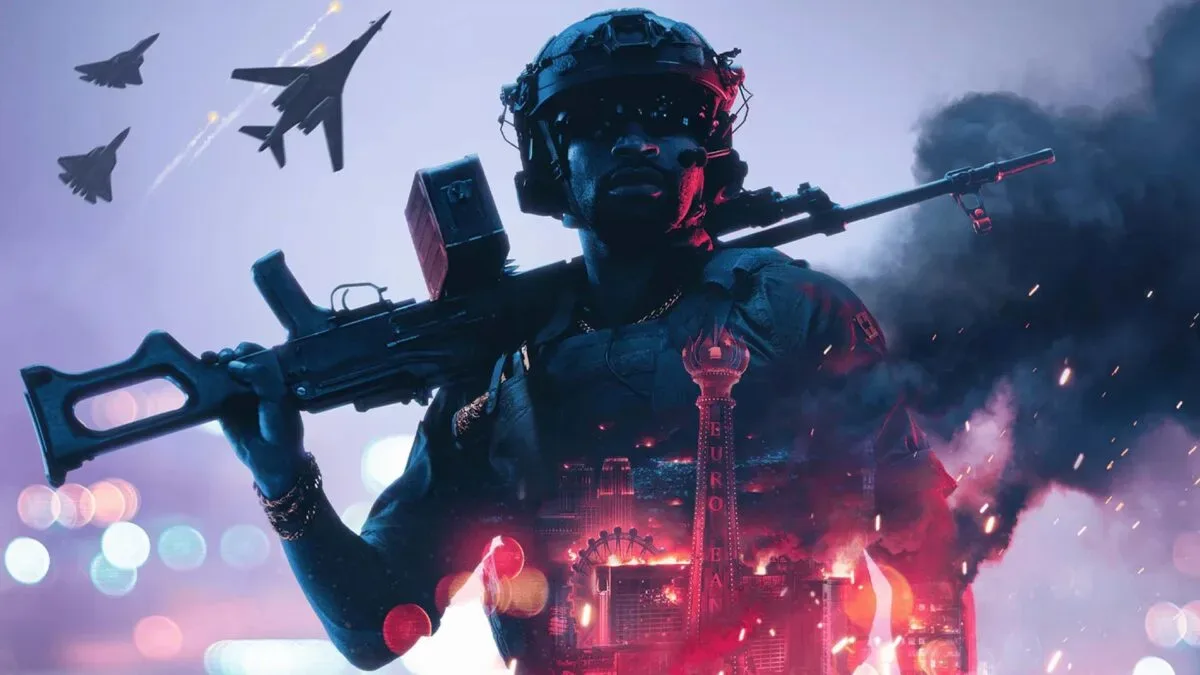
Much of the appeal of viral gameplay comes from failure, near misses and absurdity, but the Battlefield 6 clip offers a different mood. It is presented as the game looking “the cutest” it has ever been. That phrasing suggests that the standout quality is not destruction or technical skill but an unexpectedly sweet visual moment.
That contrast matters in a monthly compilation. If every entry followed the same rhythm of explosion, death and shock, individual clips would blur together. A gentler scene changes the tempo and reminds viewers that sandbox and multiplayer spaces can generate comedy, beauty and friendliness alongside competitive tension.
The Gears of War: E-Day footage takes the opposite route, promising a horrific monster viewers will not have seen before. Its role in the selection is clear: where Battlefield 6 provides an endearing surprise, Gears supplies an unsettling one. The range between the two is a fair snapshot of why player video remains compelling. Games can produce tonal whiplash without switching away from the controller.
What the wider game list says about player clips
Control, Dune: Awakening and Galactic Racers are named alongside the headline clips, reinforcing that a strong community-video collection does not depend on one genre or platform. The common thread is not a shared mechanic. It is the fact that somebody noticed a moment worth preserving.
That is a useful standard for anyone deciding whether to save a recording. A clip does not need to document a world-first achievement to be worthwhile. It can capture a bizarre interaction, an unusually cute scene, an accidental stunt, an unsettling discovery or a piece of timing that would sound exaggerated if it were not on video. The more clearly the clip communicates that single idea, the better it tends to travel.
There is a practical benefit to saving gameplay highlights, too. Recorded footage can turn a fleeting surprise into something that can be replayed, shared and revisited later. The exact clip may be accidental, but preserving it is a deliberate act. That is especially true for moments involving a spontaneous chain of events; trying to recreate them may not produce the same result twice.
How to make a gameplay clip easier to watch
The roundup invites submissions from any game, provided the footage is attention-grabbing or memorable. For players considering a submission, the material points to a few straightforward principles:
- Start close to the setup. A viewer should be able to see enough of the situation to understand why the payoff matters.
- Keep the focus obvious. A lethal selfie, fire hydrant, airborne incident or helicopter-chasing truck each gives the viewer one clear thing to follow.
- Let the unexpected event breathe. Do not cut away before the result is visible.
- Preserve the context when it helps. A short lead-in can make a surprise more satisfying than showing only the final second.
- Do not overstate what the footage proves. If a moment looks unusual, it is fine to present it as unusual without making unsupported claims about its cause.
There are monthly £/$250 Amazon voucher prizes for the best submitted videos, with entries open to clips from any game. Participants agree to the applicable terms and conditions when they submit footage. The reward is an incentive, but the reel’s real hook is that it gives accidental comedy and spontaneous spectacle the same room as more conventionally impressive play.
Why the death clips still land
Death is an especially dependable ingredient for a game clip because it supplies a natural ending. The player had an objective, a situation changed, and the game delivered a consequence. In Arc Raiders, that consequence follows an attempt at a selfie; in GTA, it is tied to a deeply unlikely environmental hazard. The format makes both incidents feel compact and complete.
For a different take on high-stakes play, Old School RuneScape’s Hardcore Worlds make every death permanent, turning the loss condition itself into the central pressure. The October clips are not presented as permanent-loss scenarios, but they underline a related truth: failure becomes entertaining when the route to it is surprising enough.
Ultimately, this collection is less about proving which game is best and more about documenting what players do when games refuse to stay orderly. A selfie goes wrong. A hydrant becomes dangerous. A truck looks skyward. Something in Stalker 2 flies. Those are small events in isolation, yet they are exactly the kind of moments that make a gaming session worth recording.