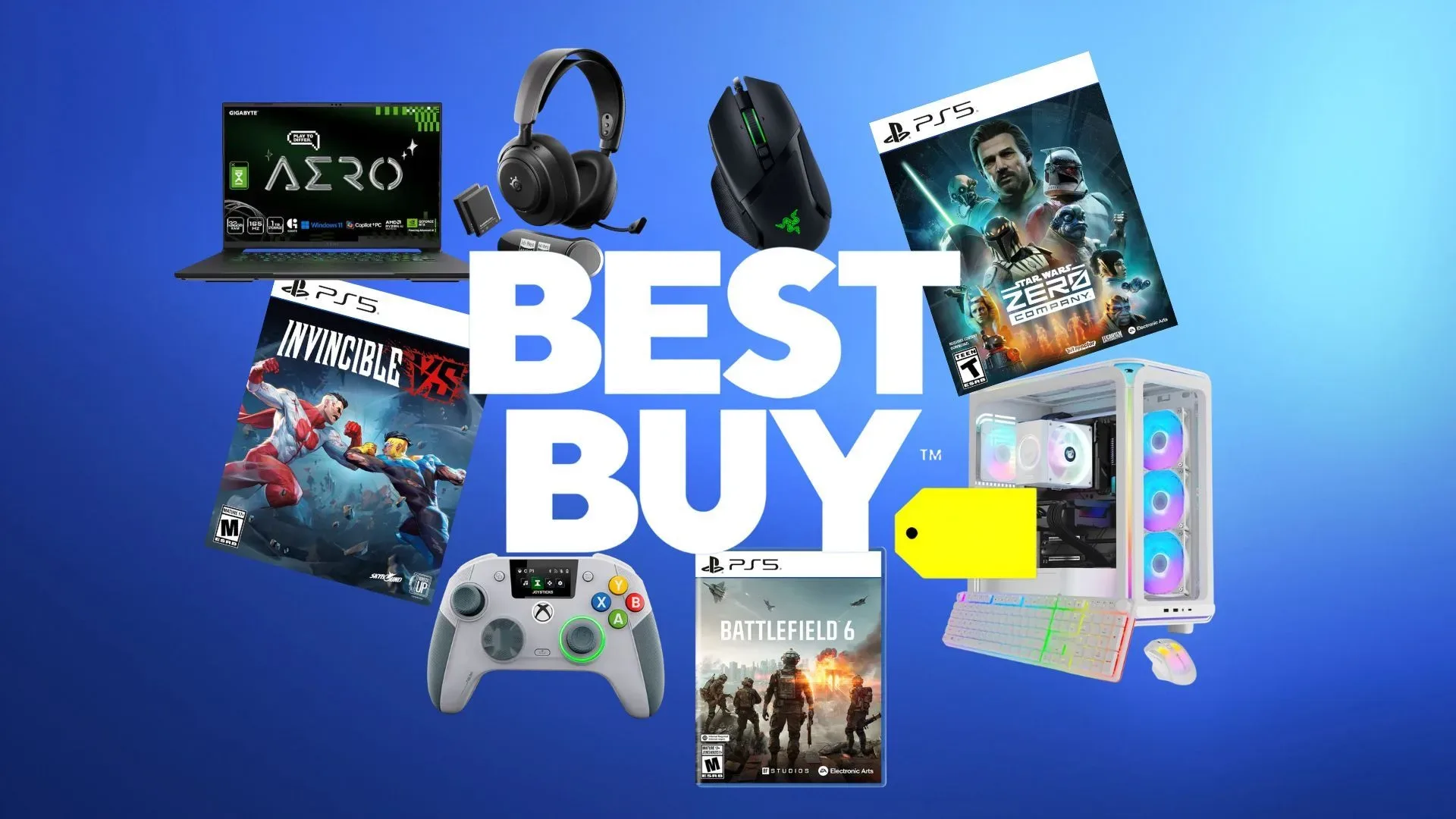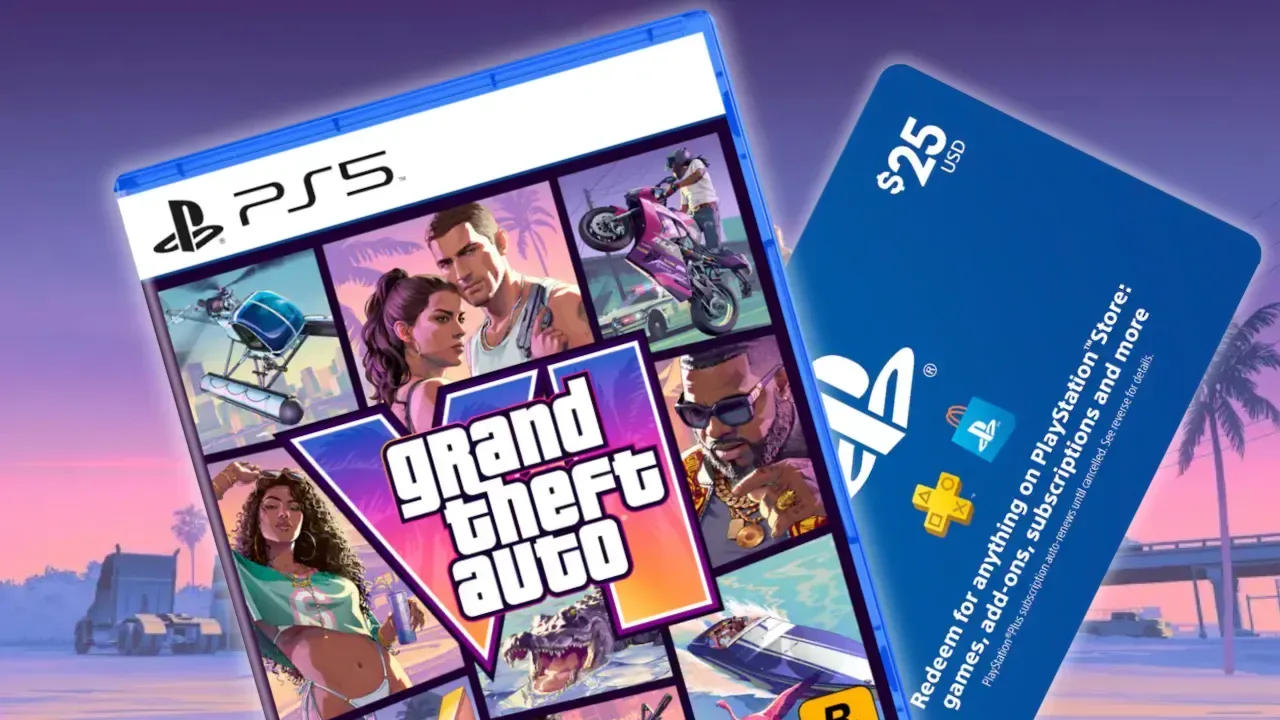
Buying a major game is already a commitment to several evenings of missed chores and suspiciously cold takeout. Best Buy is adding a small consolation prize: a promotion that takes $10 off a select gaming gift card when it is bought alongside one of four eligible games.
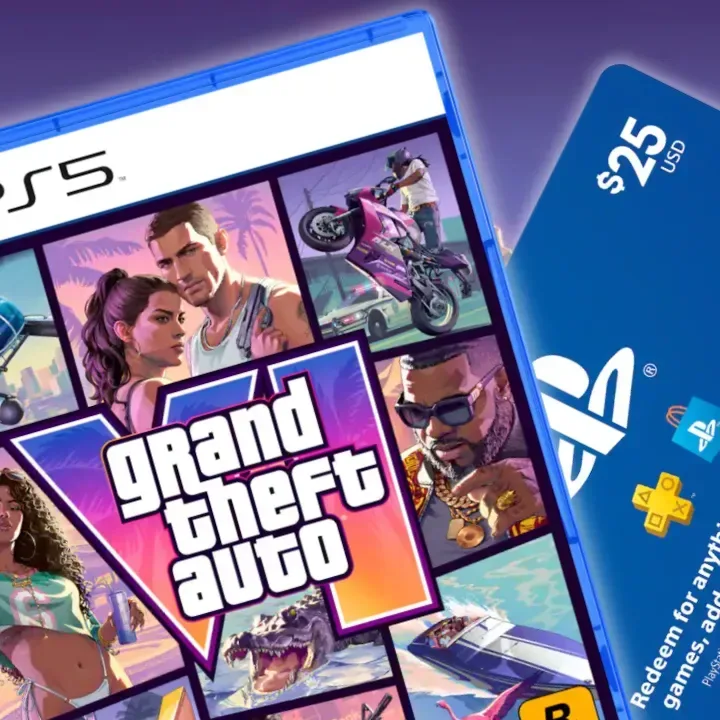
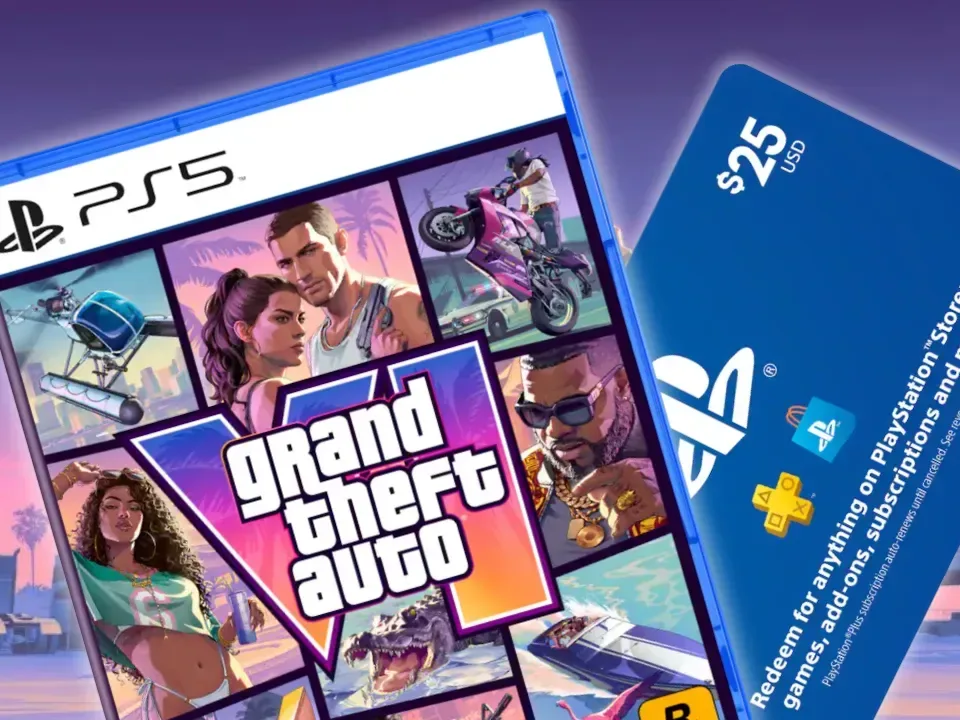
The qualifying lineup is compact but extremely high-profile: Grand Theft Auto VI, Call of Duty: Modern Warfare 4, Gears of War: E-Day, and NBA 2K27. The reduction is applied to the gift card in the same purchase, rather than to the game itself. That distinction matters. This is not a general $10 game discount, nor does it turn every gift card on the shelf into a bargain.
For someone who was already planning to buy one of the eligible titles and would otherwise add wallet credit later, the offer is straightforward value. For everyone else, it is a reminder that a discount attached to a pre-order or purchase is still an extra purchase. The sensible question is not “Can I save $10?” It is “Was I going to buy both of these things anyway?” The answer may determine whether this is a deal or merely a very polite ambush by a checkout page.
The four eligible games
The promotion covers the listed editions and platforms shown on its deal page. The games included are:
- Grand Theft Auto VI, scheduled for November 19.
- Call of Duty: Modern Warfare 4, scheduled for October 23.
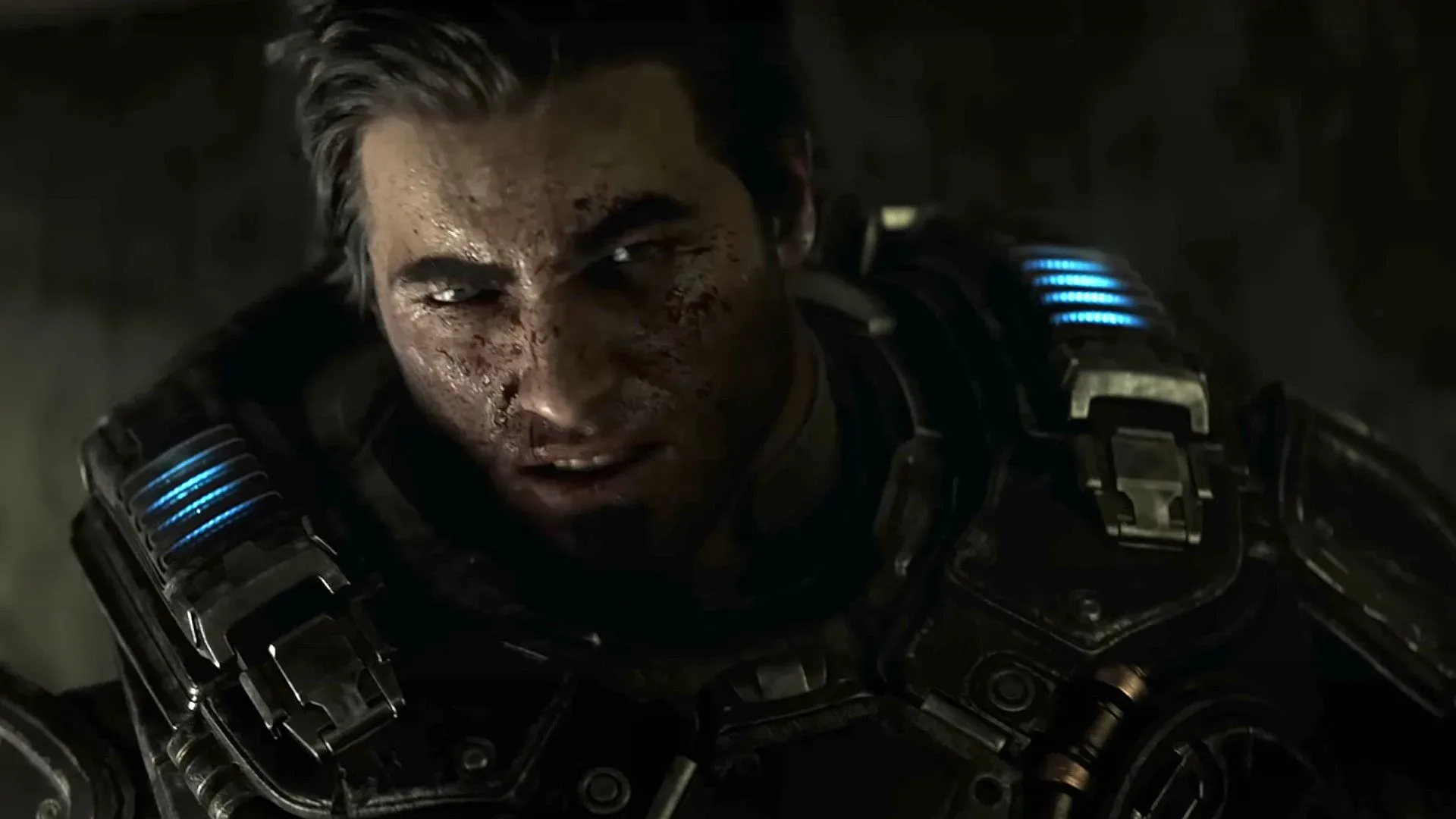
- Gears of War: E-Day, available now.
- NBA 2K27, available now.
That mix makes the promotion useful to two different kinds of buyer. Gears of War: E-Day and NBA 2K27 allow an immediate game purchase, while GTA VI and Modern Warfare 4 are future releases. In retail language, a pre-order is an order placed before a game’s release date; it reserves or purchases a copy ahead of availability. Buyers using the latter pair should make sure the particular platform and edition they choose is among those listed in the offer.
GTA VI will predictably attract the greatest attention, but its inclusion does not appear to make the offer exclusive to one console ecosystem. The eligible gift cards span PlayStation, Nintendo and Xbox. That creates a potentially useful split for households or players who buy a qualifying game on one platform but want credit for another store—provided the checkout combination is accepted under the promotion’s terms.
The forthcoming GTA VI date also sits in a particularly crowded November window. Shrek 2 Remastered is also scheduled to reach Xbox Series X|S nine days before GTA VI, a fact that should delight anyone whose release calendar has no interest in behaving sensibly.
Which gift cards are included?
The core eligible card options begin at the following amounts:
Related coverage includes Best Buy Promotion Takes $10 Off Select Gaming Gift Cards With GTA 6 and More.
- PlayStation Store gift cards starting at $25.
- Nintendo eShop gift cards starting at $35.
- Xbox gift cards starting at $25.
Once an eligible game and qualifying card are added, the $10 discount should appear at checkout. Since the smallest referenced PlayStation and Xbox cards are $25, the promotion can represent a substantial percentage reduction on those denominations. Nintendo’s stated entry point is $35, so the same $10 reduction remains meaningful, though it naturally covers a smaller share of that card’s face value.
A gift-card denomination is simply the amount of store credit loaded onto the card. It is worth checking it carefully because stores can offer several denominations of what look like the same product. The relevant comparison is the final checkout total and the exact amount of digital-store credit received—not just the large, cheerful “$10 off” badge trying to make friends with your wallet.
Digital delivery versus a physical card
The important practical wrinkle is format. Some eligible cards are digital and delivered by email, while others are shipped as physical cards. Both can be useful, but they solve different problems.
Digital cards
A digital gift card generally means a code arrives electronically. It may be the more convenient choice for buyers who want to redeem credit without waiting for delivery or who intend to send the code to someone remotely. It also eliminates the need to store a piece of plastic after redemption.
Physical cards
A physical gift card is mailed as a tangible item. That can make more sense for a present, or for someone who prefers something to hand over rather than announcing, “Your gift is in the inbox, somewhere between a delivery notification and an alarming coupon.” Physical products also require attention to shipping details and timing.
One notable option is a physical $100 Nintendo eShop gift card packaged in a 40th-anniversary collectible case. It may be appealing to a Nintendo fan who values the presentation, but shoppers should not confuse a collectible package with extra eShop balance: the relevant store-credit value is still the denomination printed for the card. Likewise, anyone choosing it mainly because it looks neat should confirm that a physical card, rather than a quickly delivered code, is actually what they want.
A checkout checklist worth using
Promotions that pair two items are simple in principle and unusually good at producing tiny avoidable errors in practice. Before paying, it is worth running through a short list:
- Select one of the four qualifying games. Check the platform and edition shown in the cart.
- Add an eligible PlayStation, Nintendo or Xbox gift card. Confirm its denomination.
- Inspect the card’s delivery format. Look specifically for digital/email delivery or physical shipping.
- Verify the $10 reduction at checkout. Do not assume it has been applied merely because both products are in the cart.
- Check that the digital storefront matches the intended recipient’s platform. PlayStation Store, Nintendo eShop and Xbox credit are separate ecosystems.
That last point sounds obvious until a surprise purchase turns into a small domestic summit over who owns which console. Store credit for one platform is not interchangeable with credit for another. The promotion offers flexibility in the choice of card, but it does not erase those separate storefronts.
How to judge the offer without doing deal-brain gymnastics
The clearest use case is a planned game purchase paired with a planned future digital purchase. Maybe a buyer knows they will want downloadable games, add-on content, or another item sold through the relevant console storefront. In that situation, receiving $10 off credit that would have been purchased at full price can reduce total spending.
The weaker use case is buying credit simply because it is discounted. Store funds are still money committed to one platform’s shop. The savings are real at checkout, but the buyer has converted cash that could have been spent anywhere into credit that can only be used within that ecosystem. There is nothing inherently wrong with doing that; it just should be intentional.
This is particularly relevant with the higher-denomination physical Nintendo option. A buyer who would reliably use $100 of Nintendo eShop credit may appreciate the discount and anniversary presentation. A buyer who only needs a smaller amount of credit should compare the final result against the lower denominations available in the offer rather than automatically selecting the fanciest package.
The games in brief
For buyers deciding between the already released entries, the available critical context is uneven but useful. Gears of War: E-Day received a 9/10 assessment praising its campaign and multiplayer. NBA 2K27 received a 6/10 assessment that found it fell short of its potential. Those scores are perspectives, not a substitute for knowing whether a campaign shooter or a basketball simulation fits your tastes, but they offer a starting point when the promotion itself presents both games as equal qualifying purchases.
Modern Warfare 4 has modes rolling out gradually during its release week, and its campaign assessment was positive. For GTA VI, the available certainty in this promotion is its listed November 19 release date and eligibility—not a critical verdict ahead of release. A sale bundle should not be mistaken for a recommendation engine, however loudly its cart total may insist otherwise.
Best Buy is also offering free $5 reward certificates to people signing up for its Best Buy Gamers program. That is separate from the gift-card promotion, so shoppers should treat it as a distinct offer rather than assuming the amounts automatically stack. The dependable move is to review the cart total and any visible promotion details before submitting an order.
Ultimately, this deal is at its best when it supports a purchase already in the plan: one of four high-profile games, plus console-store credit with a clearly defined future use. Confirm the game, confirm the card’s platform and delivery method, and confirm the $10 has actually left the total. Then the only remaining hard choice is whether the first redeemed credit should go toward something sensible—or toward the digital equivalent of a snack you absolutely did not need.